What Is a Cheriyal Mask?
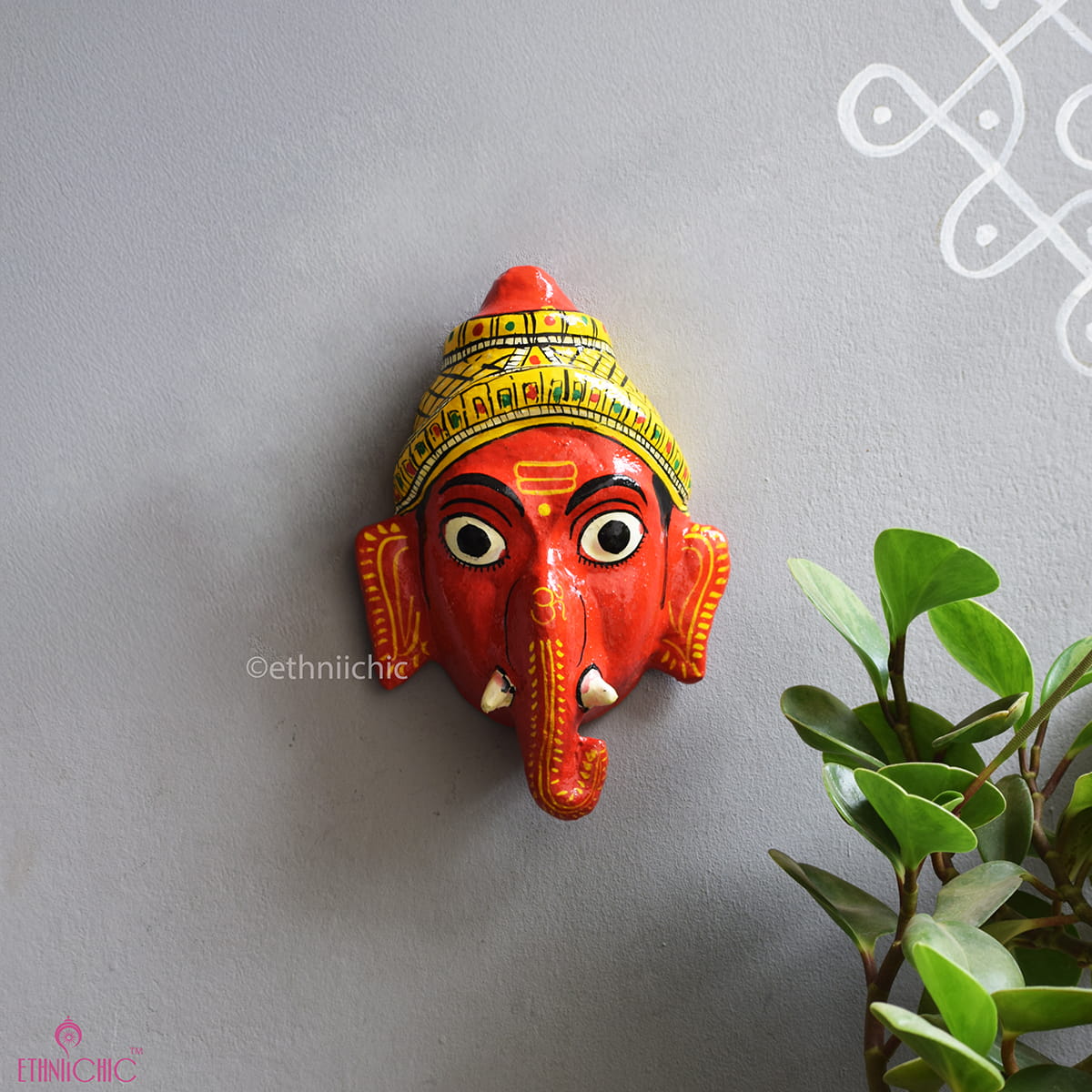
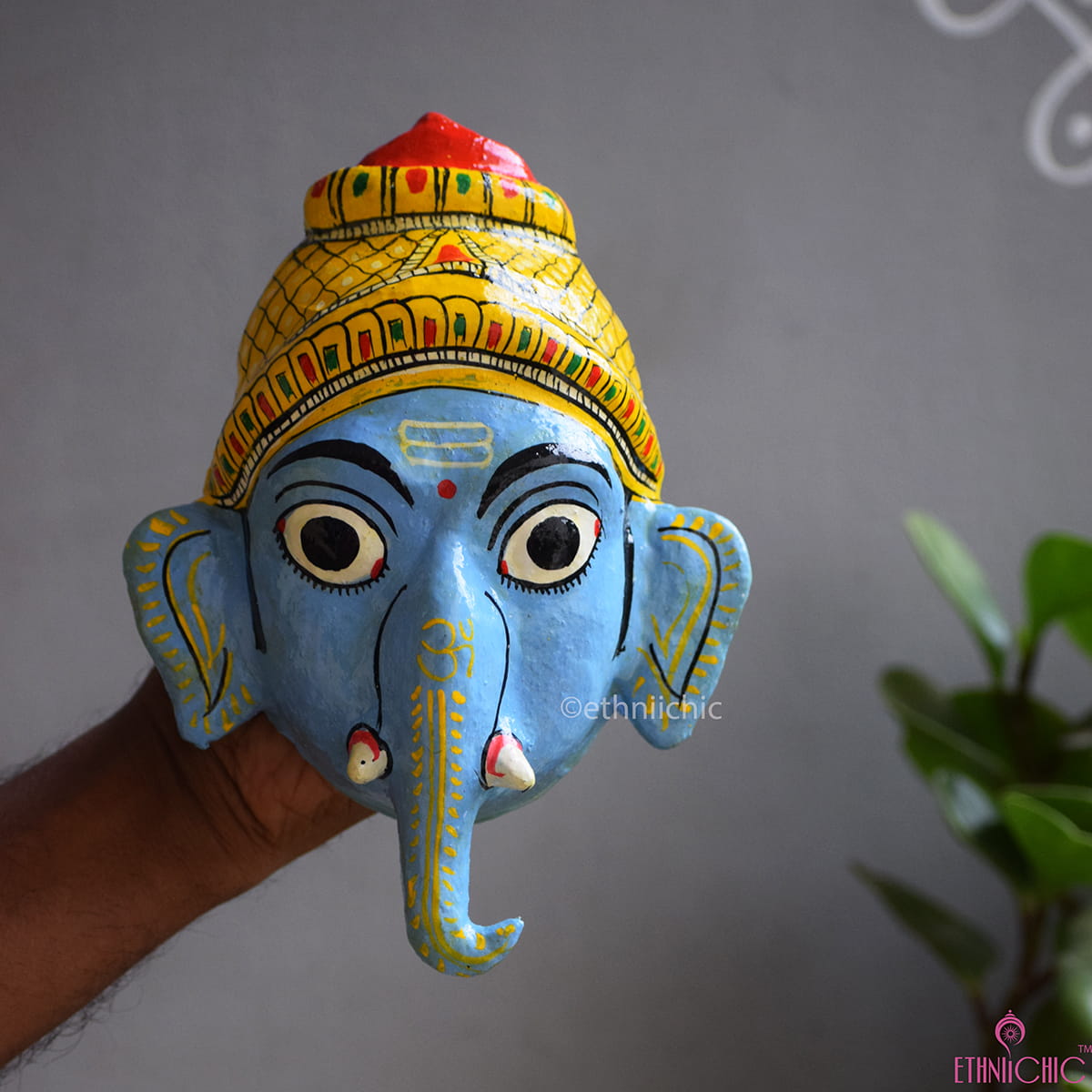
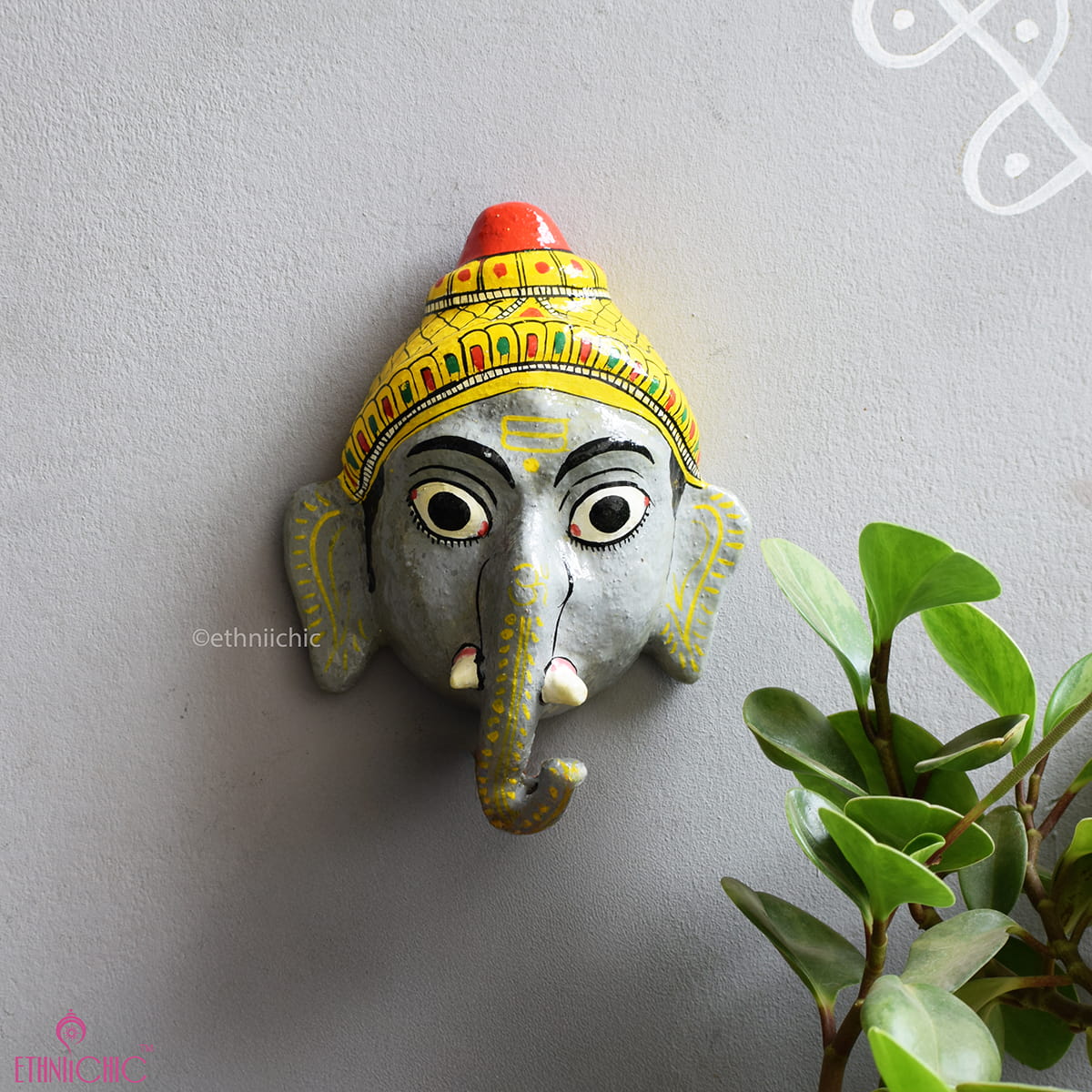
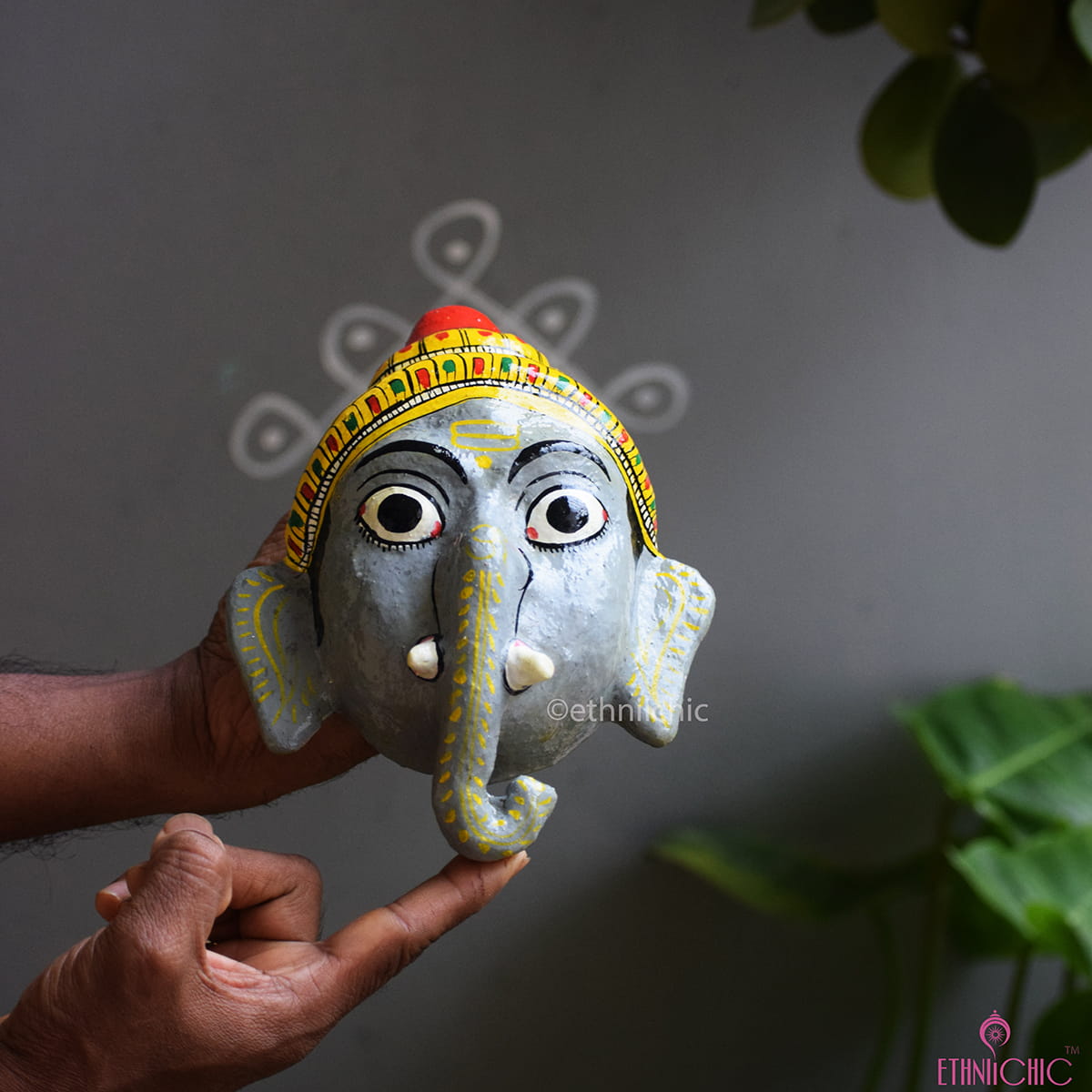
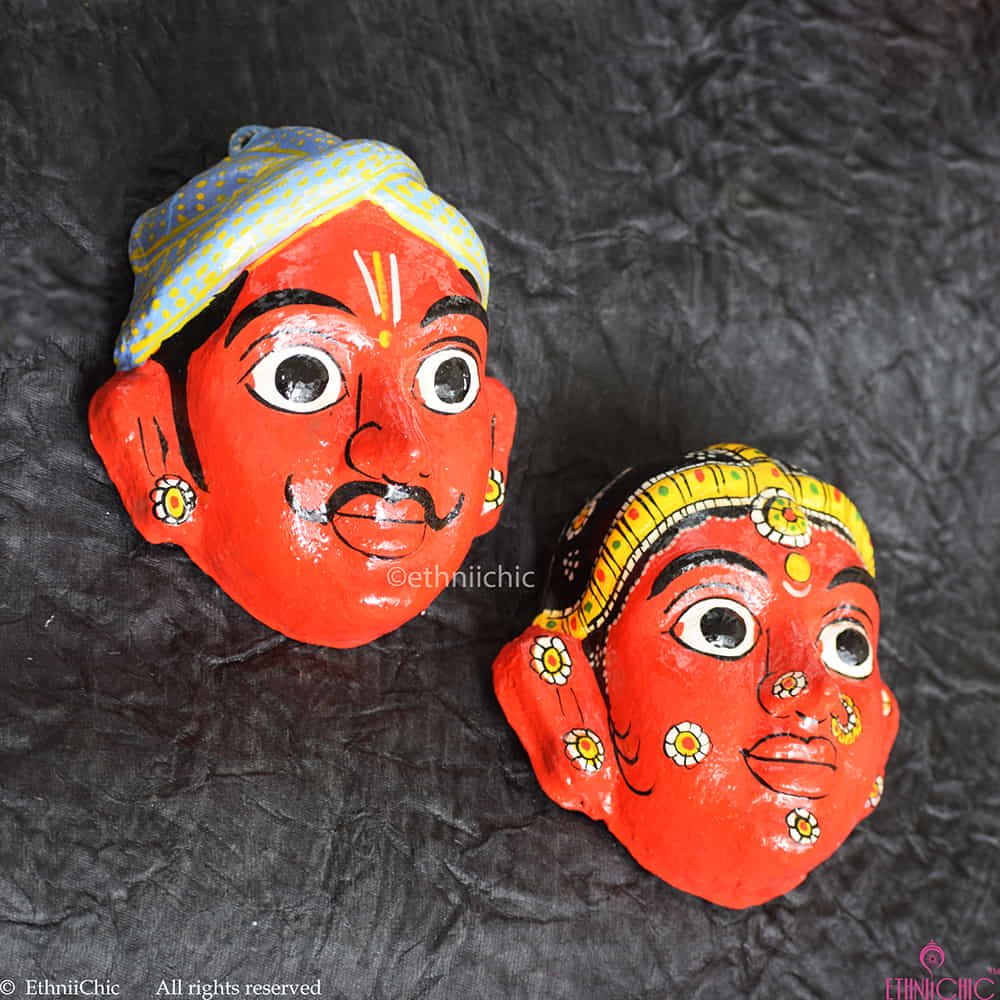
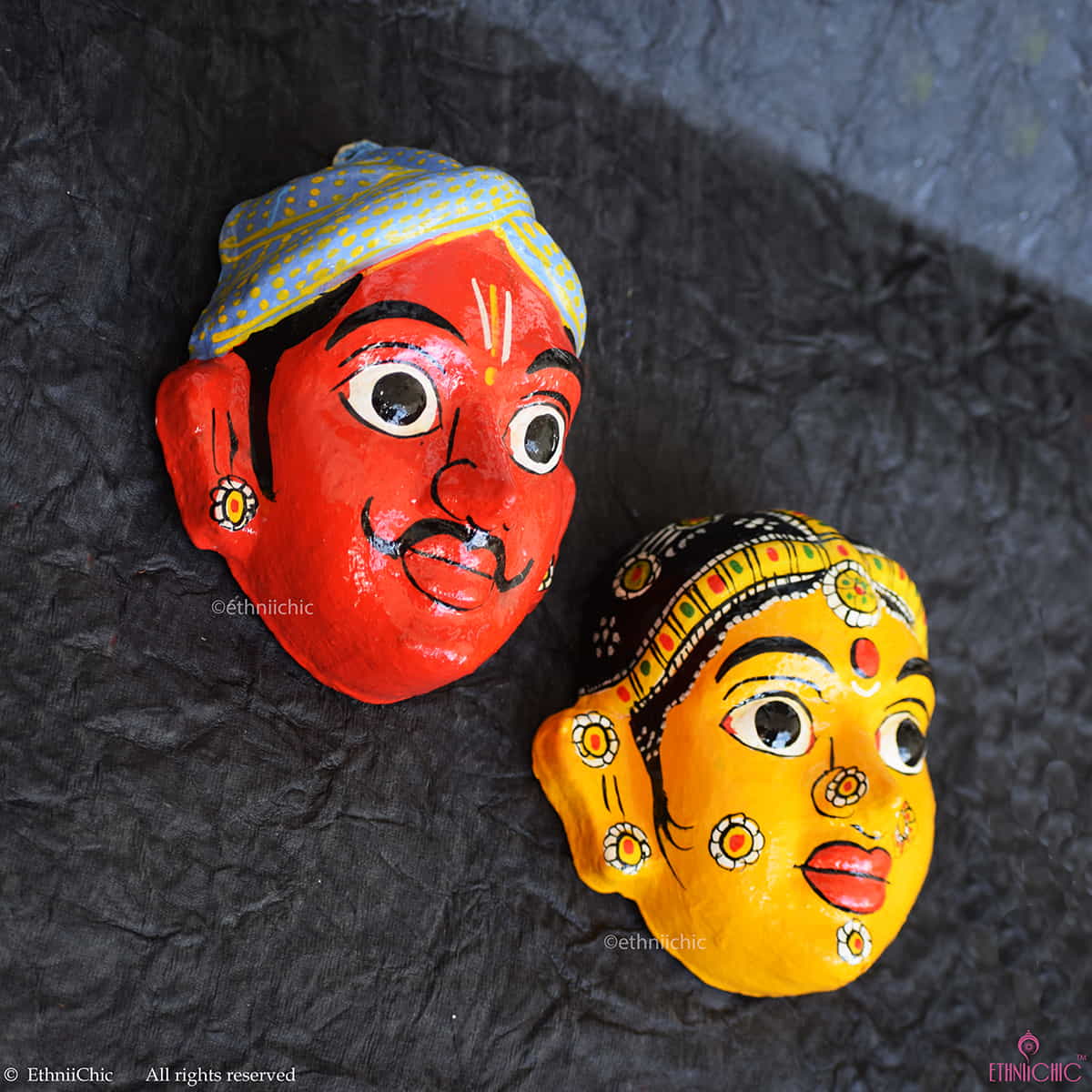
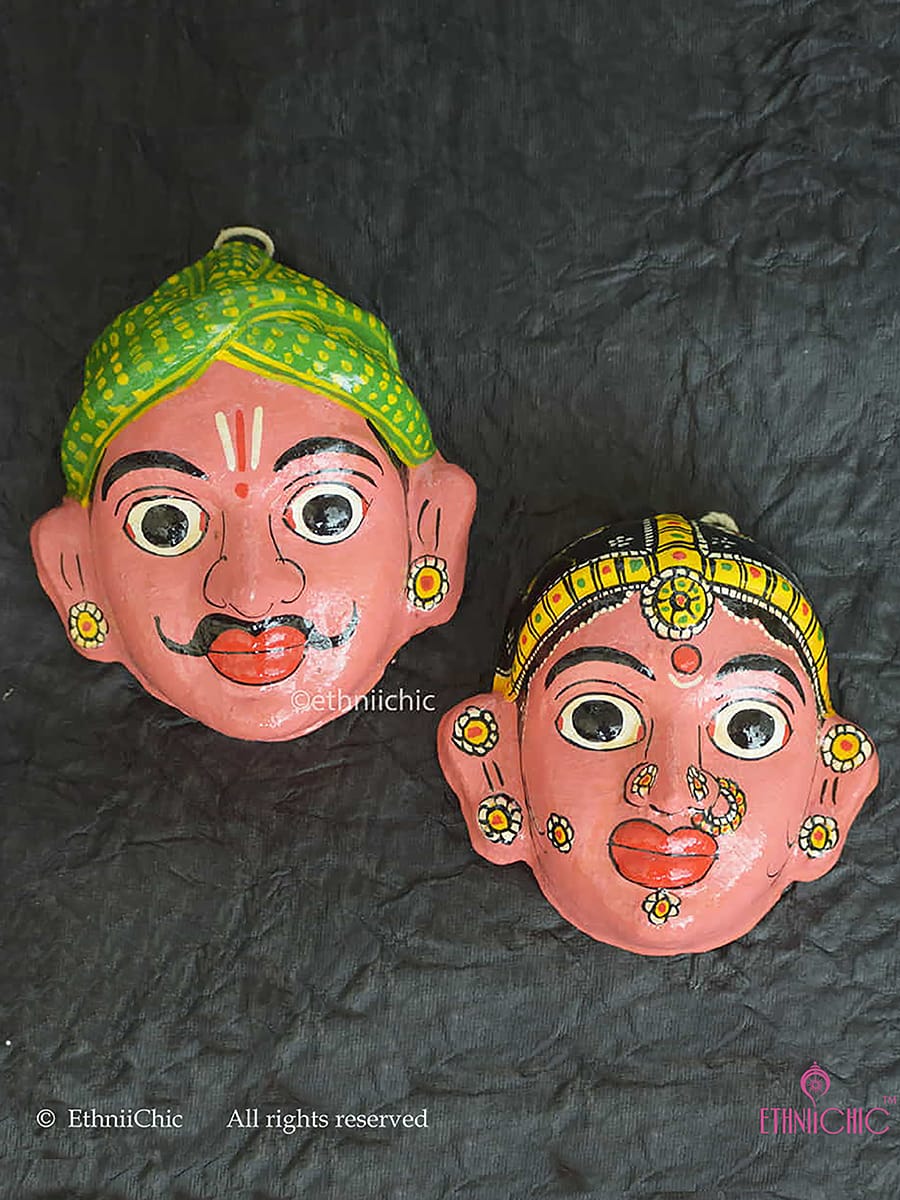
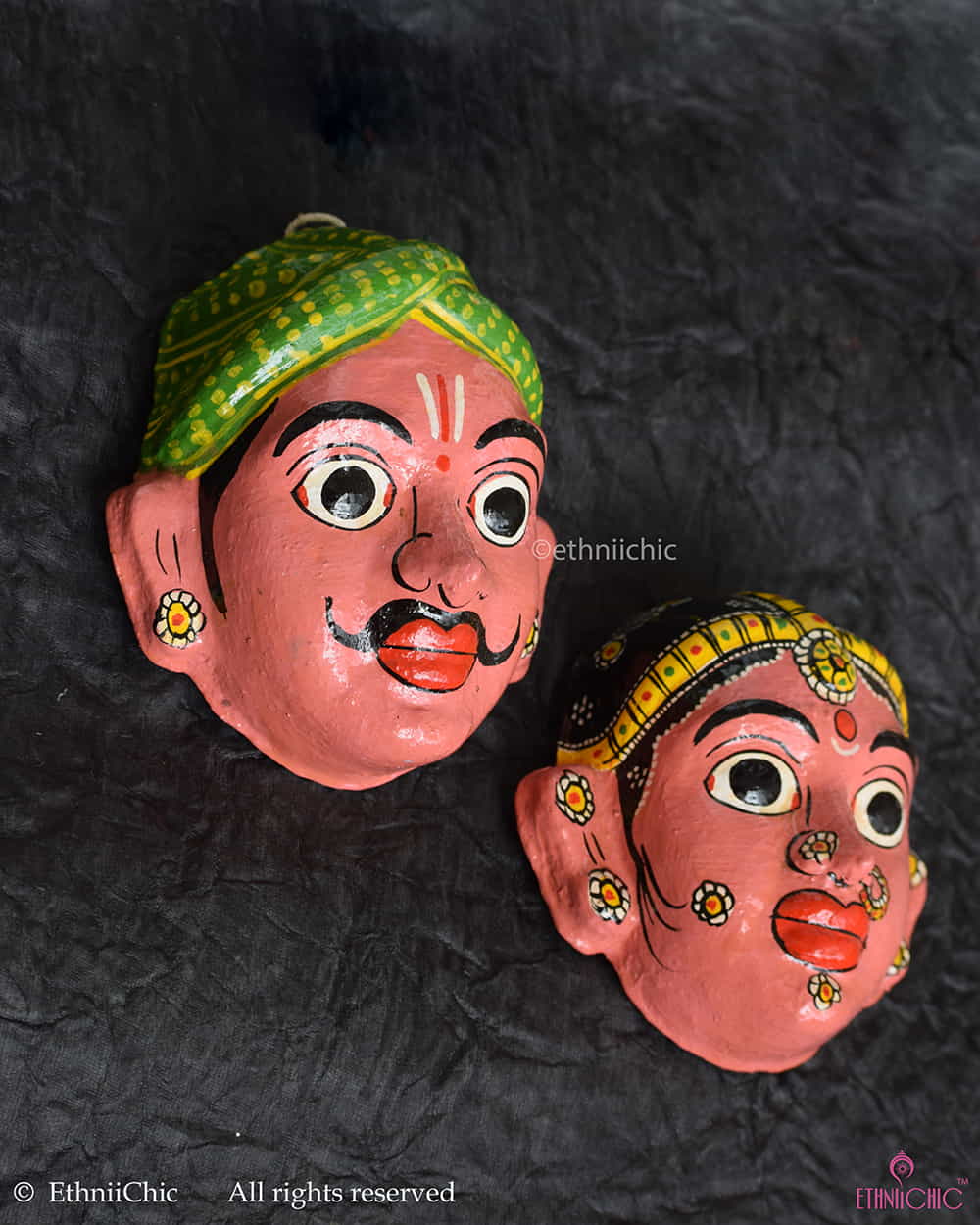
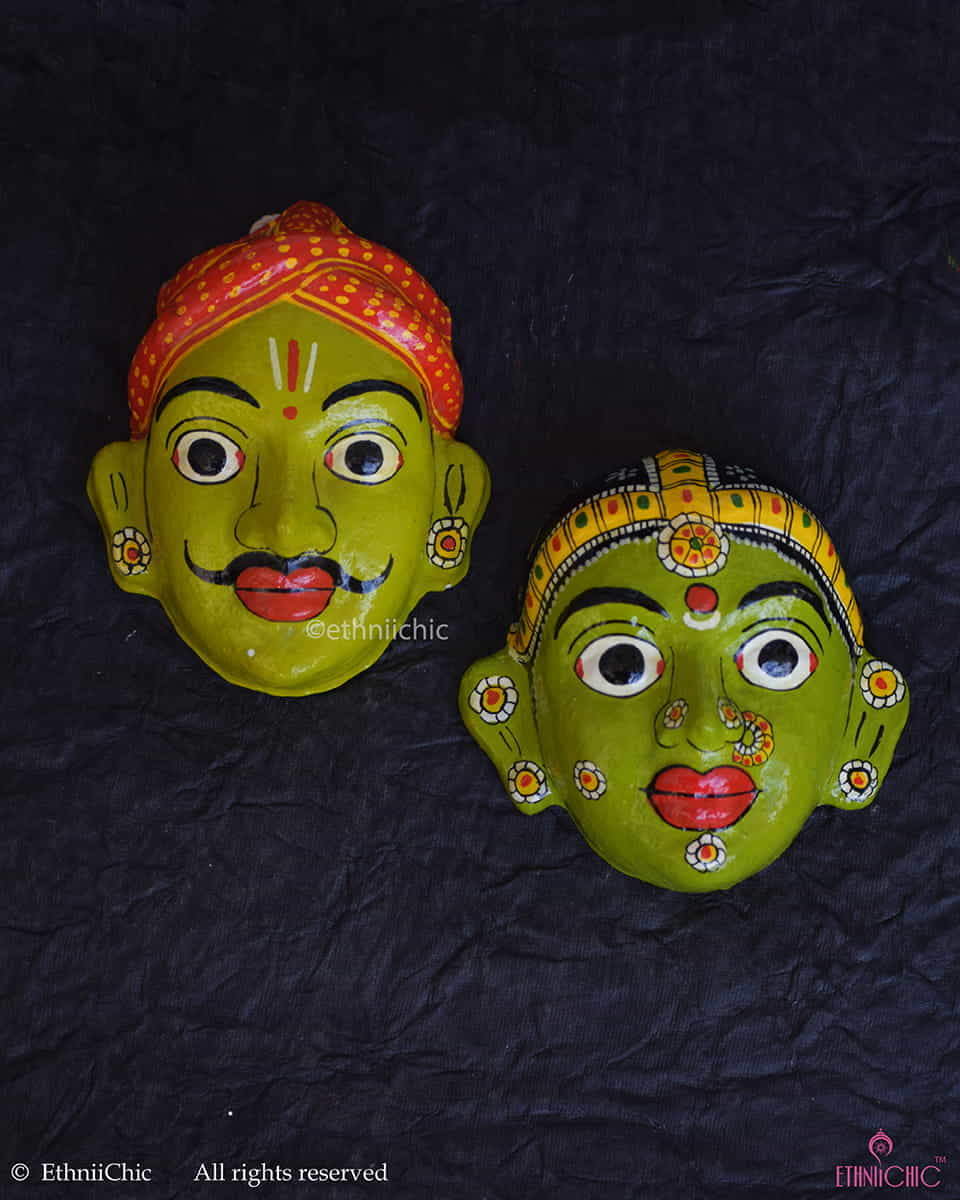
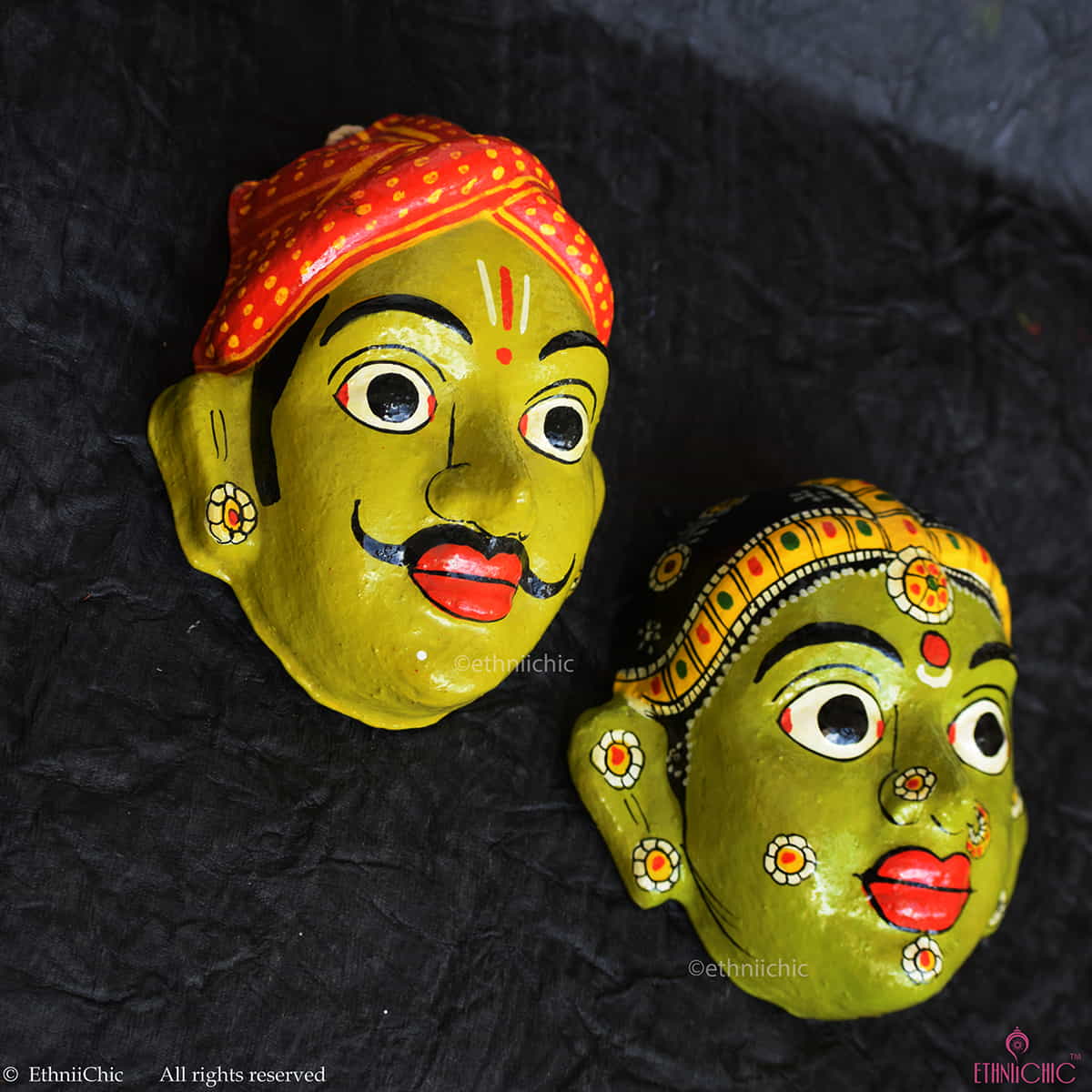
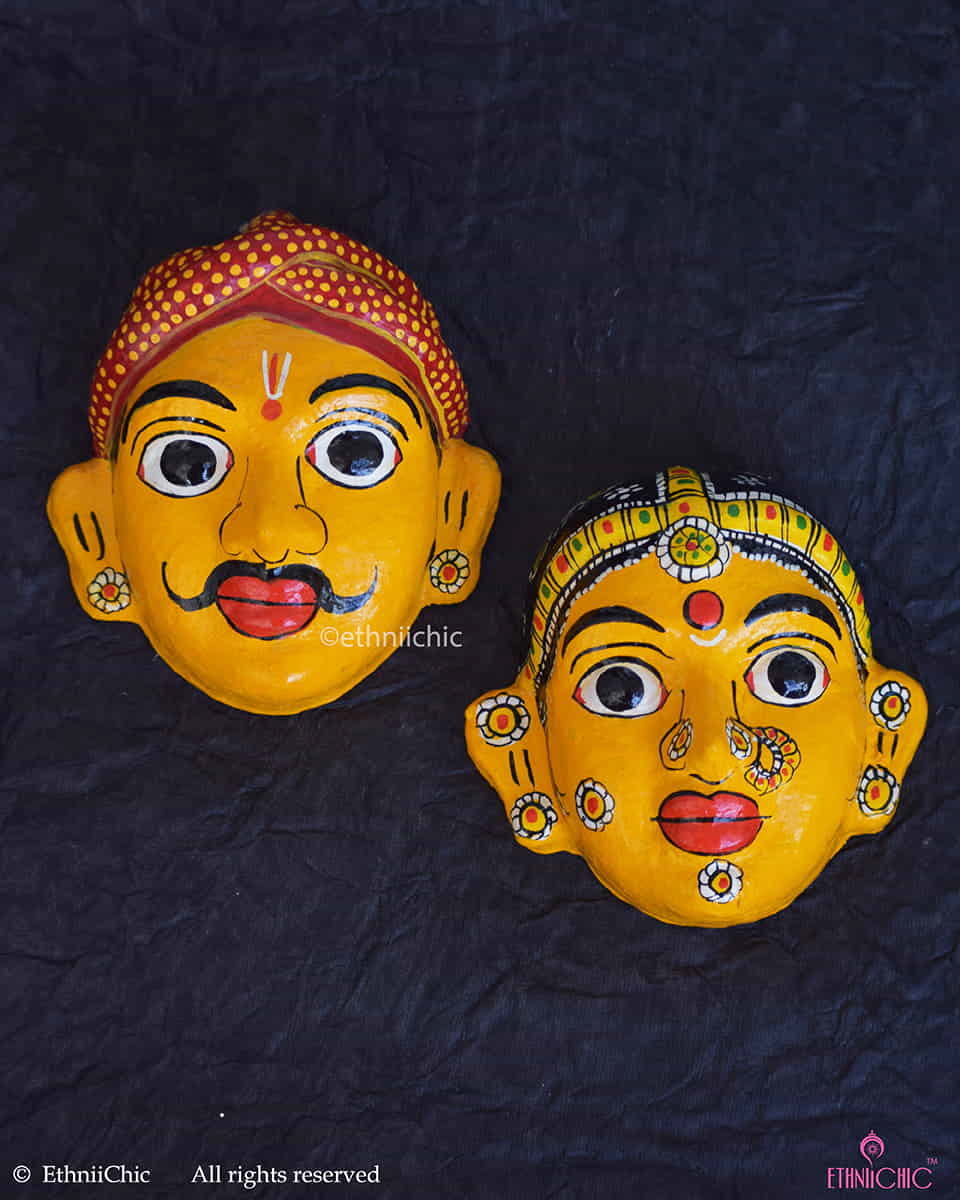
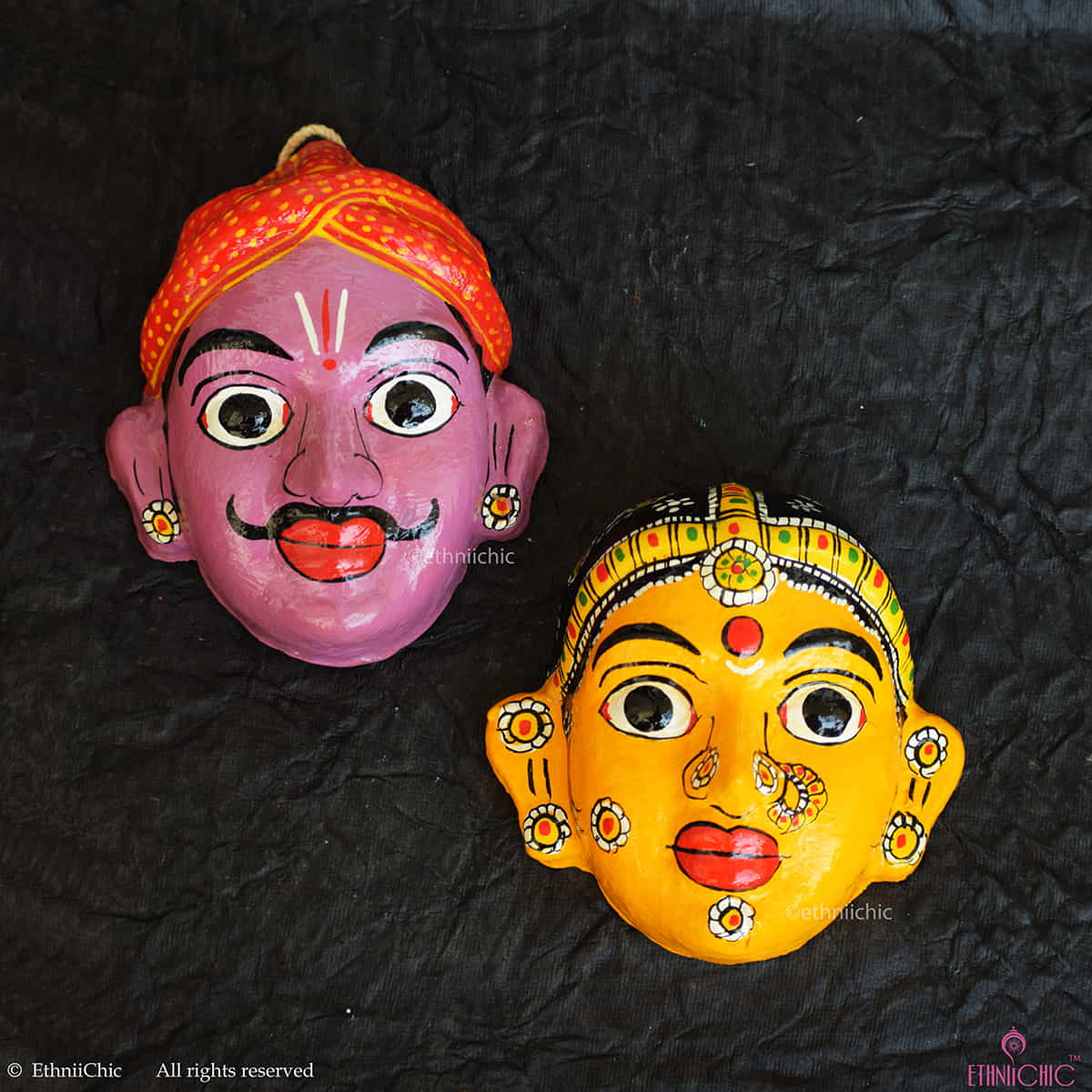
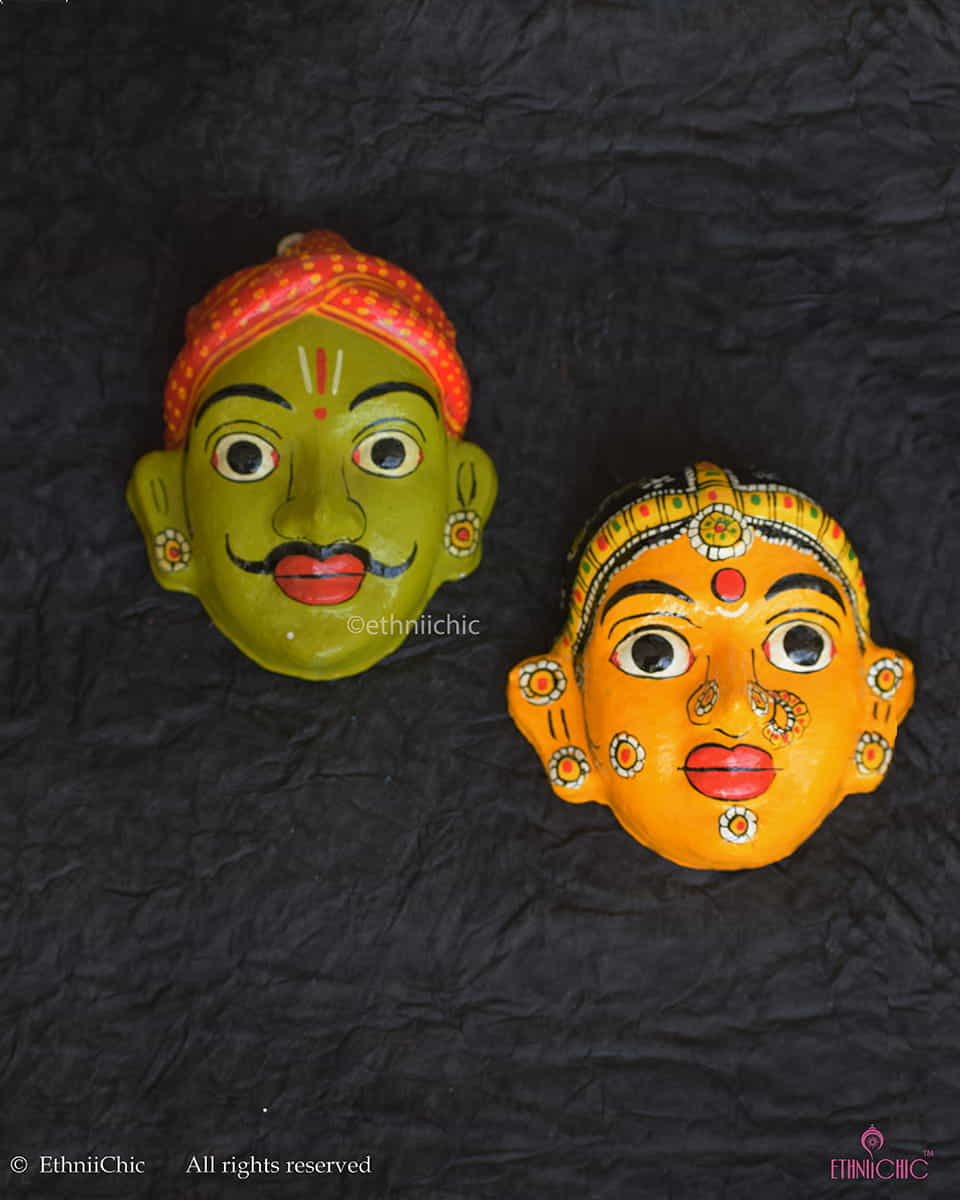
A Cheriyal mask is a hand-painted, sculptural face mask made in the village of Cheriyal, near Warangal in Telangana, using a mask-making technique that is roughly 400 years old. Traditionally built from tamarind seed paste and sawdust over a wooden or coconut-shell base, then finished with natural pigments, Cheriyal masks were originally used by travelling storytellers to bring scenes from religious ballads and local folklore to life for a gathered village audience. Today, the same technique produces the vibrant, raised-relief wall masks and deity figures collected as folk art in homes across India and abroad.
The Origin of Cheriyal Masks — Telangana's Nakashi Craft
Cheriyal masks descend from Nakashi art, a painting and mask-making tradition practised by the Nakashi community of Telangana, whose ancestors are believed to have worked as temple engravers before the craft evolved into the scroll-painting and mask-making form recognised today. The art form takes its name from Cheriyal, a small town roughly 100 kilometres from Hyderabad, which remains the last place in India where this specific style of mask-making survives in its original materials. In 2010, Cheriyal art received a Geographical Indication (GI) tag from the Government of India, formally recognising it as a craft unique to this one region of Telangana. The tradition is sustained today by only a small number of Nakashi families, making every handmade Cheriyal mask a piece of a living, if fragile, cultural inheritance rather than a mass-manufactured decor item.
Before Cheriyal masks became wall décor, they were performance props. Wandering Chindu storytellers carried painted masks from village to village, holding them aloft at key moments in a ballad or a scene from the Ramayana to heighten the drama for a gathered crowd — part visual aid, part spectacle. As television and cinema drew audiences away from these performances over the twentieth century, artisans adapted the same technique toward standalone masks, dolls, and later home décor and utility objects, which is how Cheriyal art has continued to survive into the present day.
How Cheriyal Masks Are Handmade
Every EthniiChic Cheriyal mask follows the same traditional, multi-day process used by Nakashi artisans for centuries:
- Base building: A wooden or coconut-shell core is built up using a paste made from tamarind seeds and fine sawdust, shaped by hand into the mask's raised, sculptural form.
- Drying: The mask is left to dry naturally over several days — faster in summer, slower through the monsoon, when excess moisture can affect the tamarind-based paste.
- Priming: Once dry, the surface is coated in a fine white lime layer, creating a smooth base for painting.
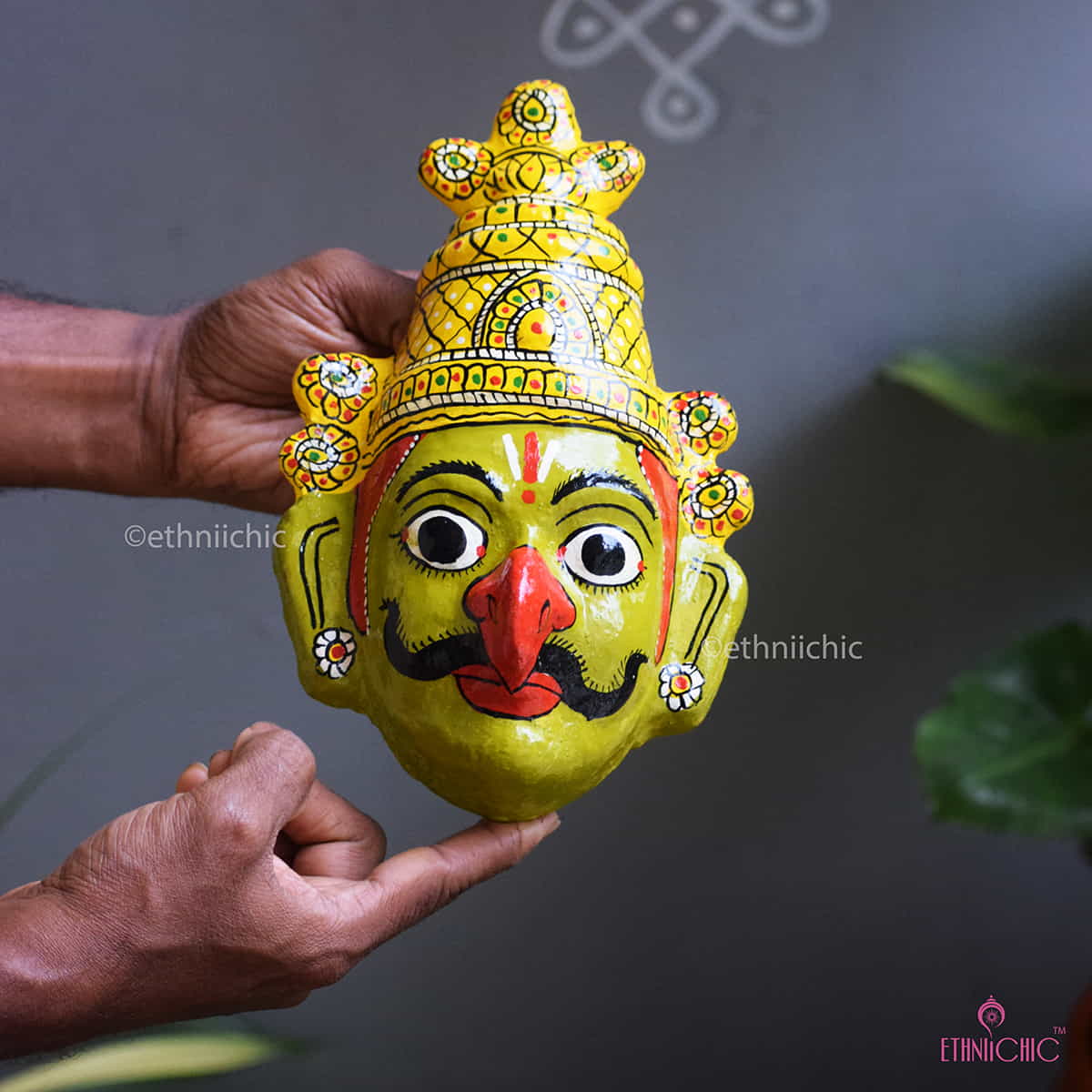
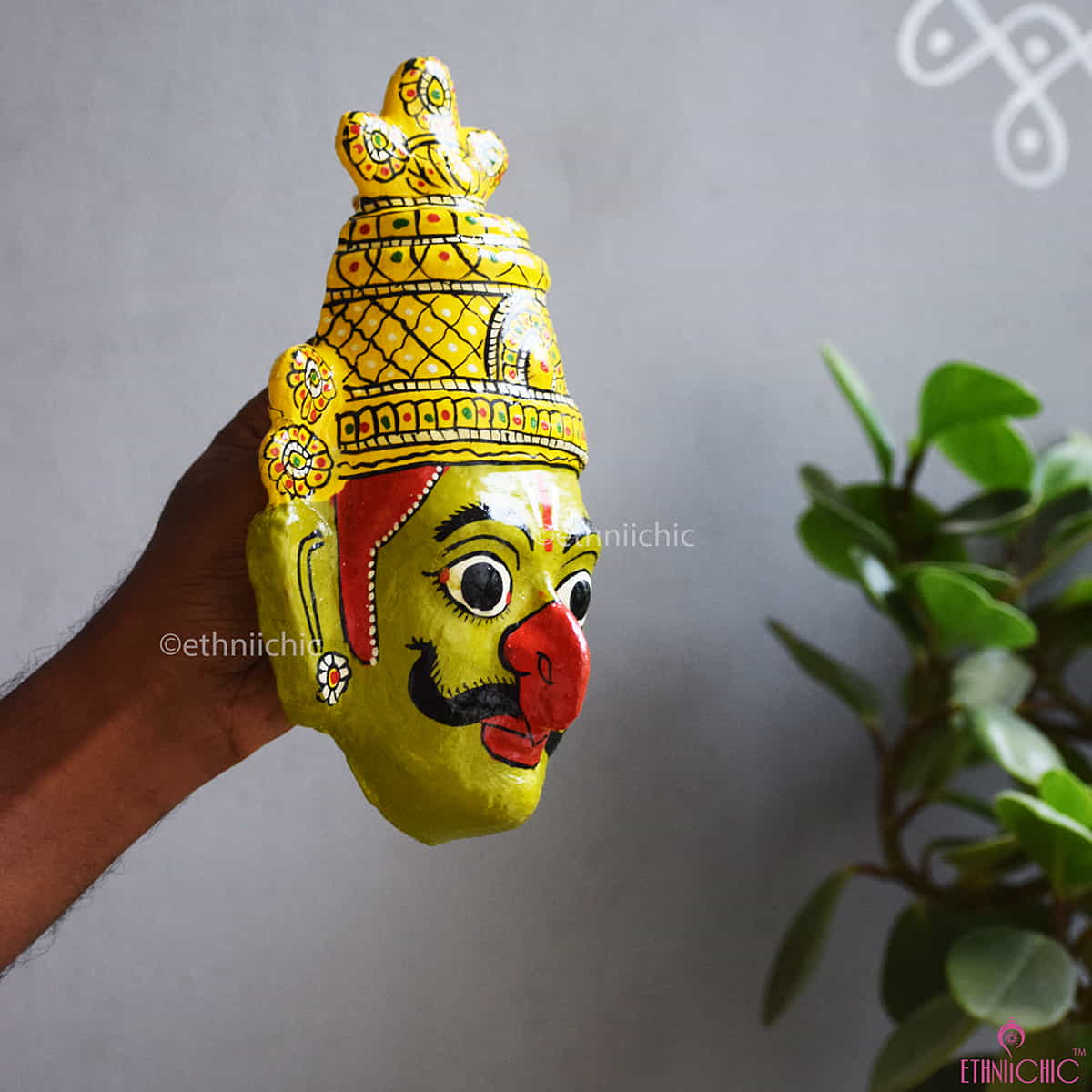
- Hand-painting: An artist paints the facial features, jewellery, and headgear entirely freehand using natural pigments, working the finer lines — eyes, ornamentation, moustaches, florals — with a fine brush.
Because each stage is done by hand rather than moulded or printed, no two Cheriyal masks are ever perfectly identical — small variations in line work and shading are a mark of authentic handcraft, not a flaw.
Types of Cheriyal Masks in This Collection
EthniiChic's Cheriyal Mask collection spans the full range of what this craft has traditionally depicted:
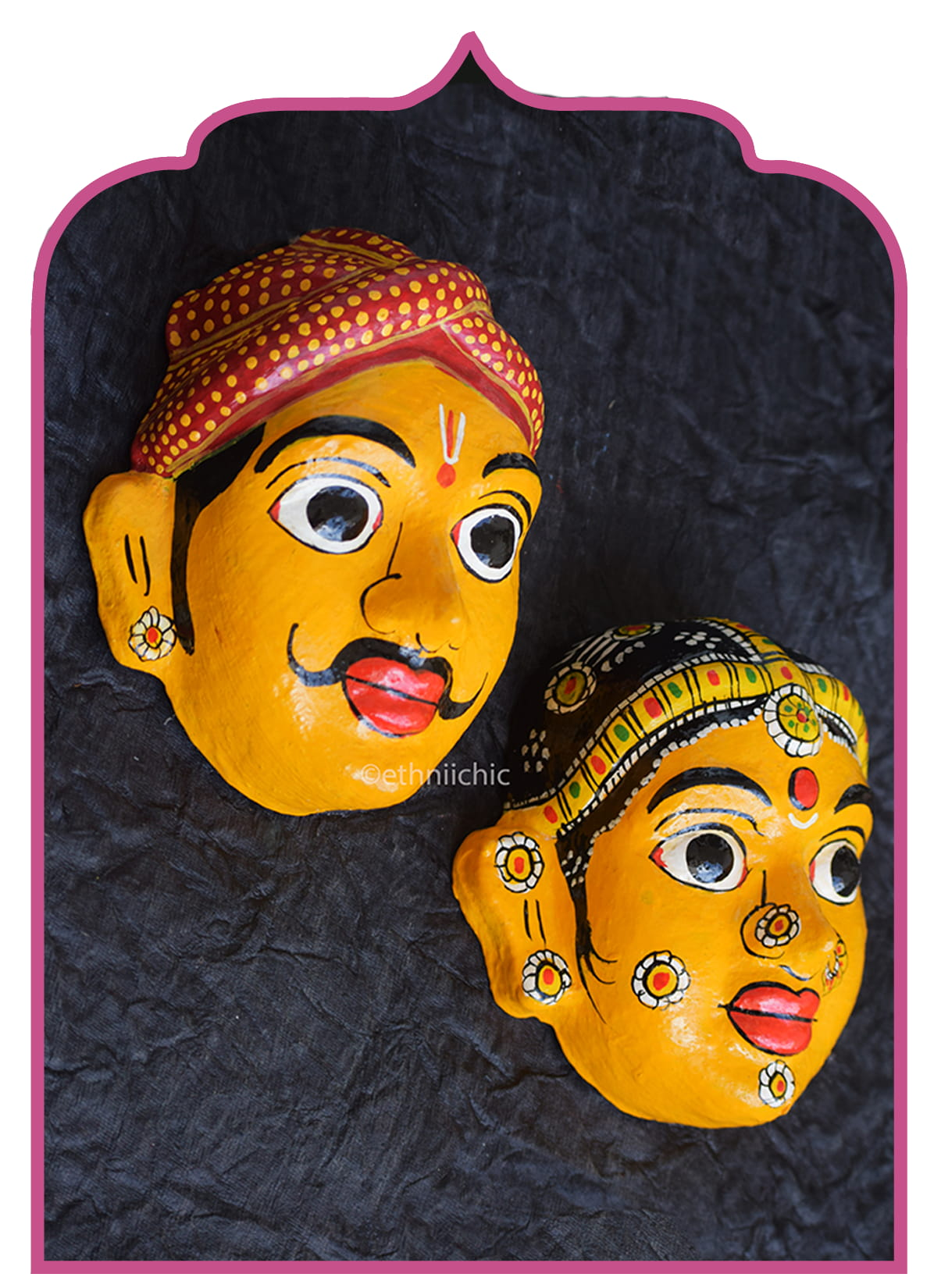
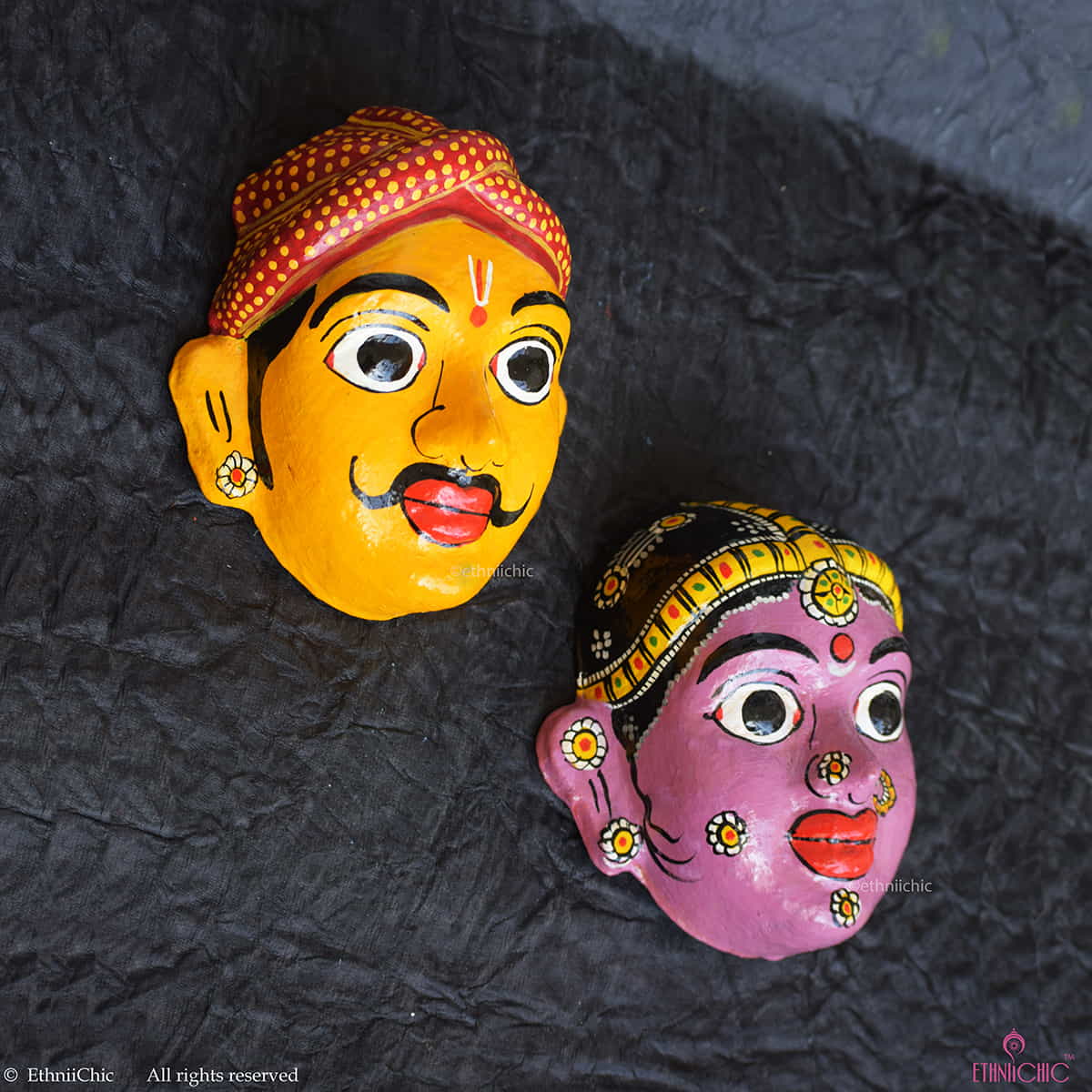
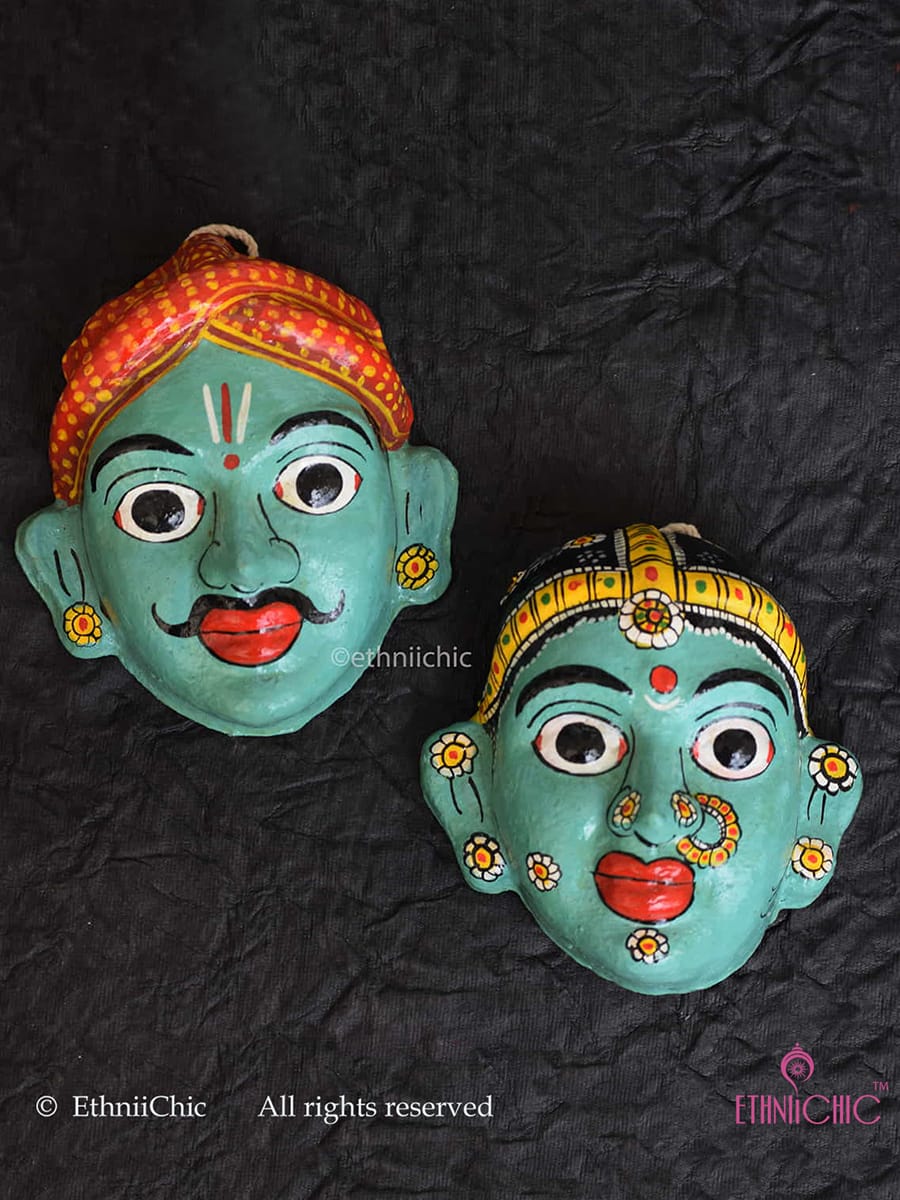
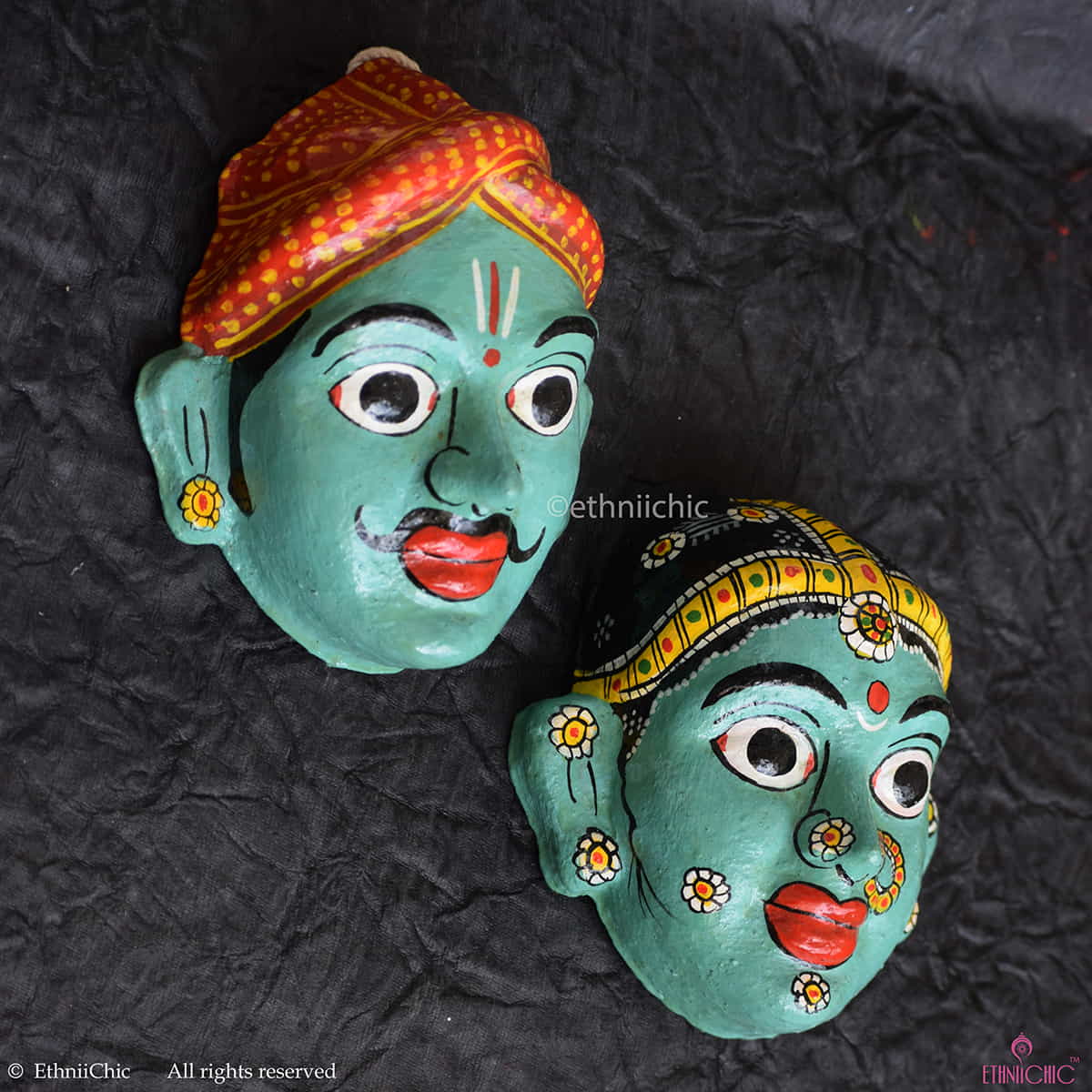
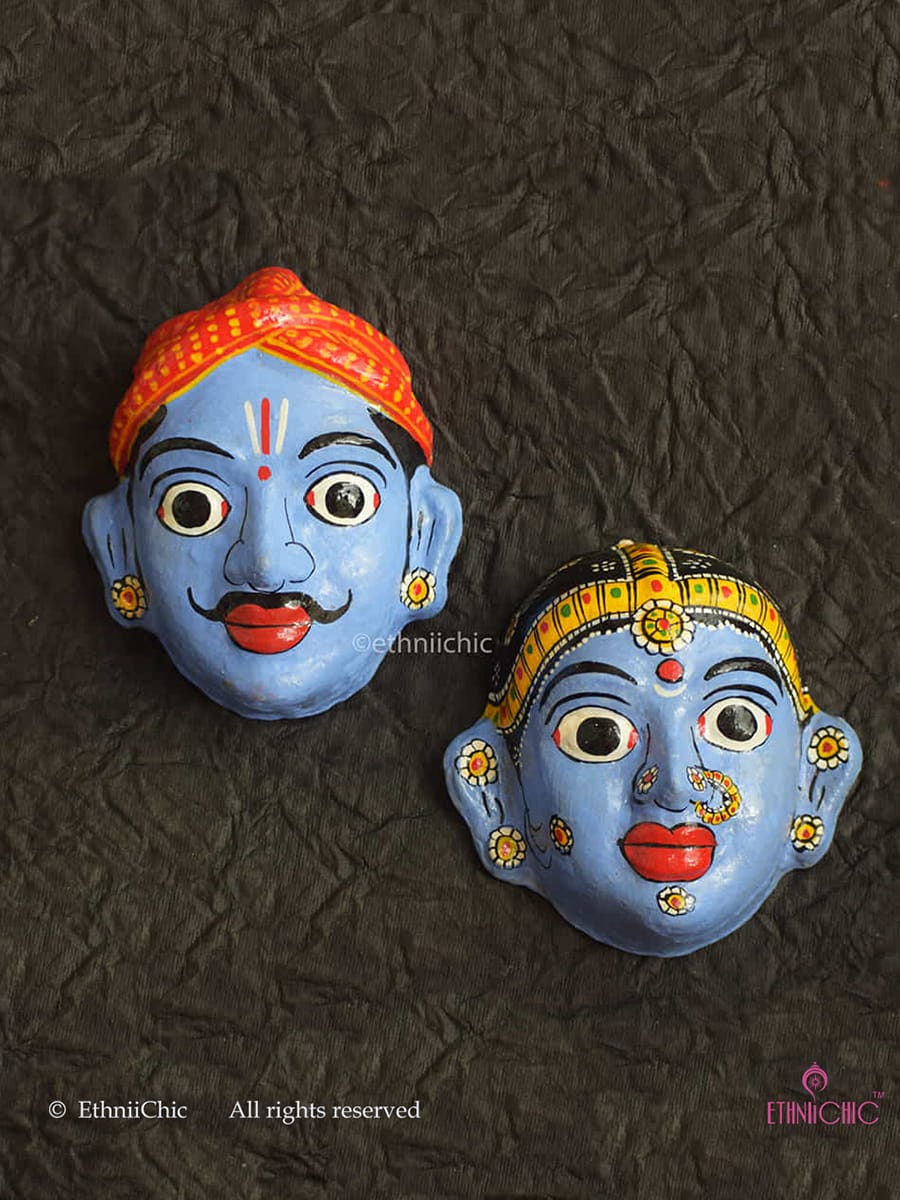
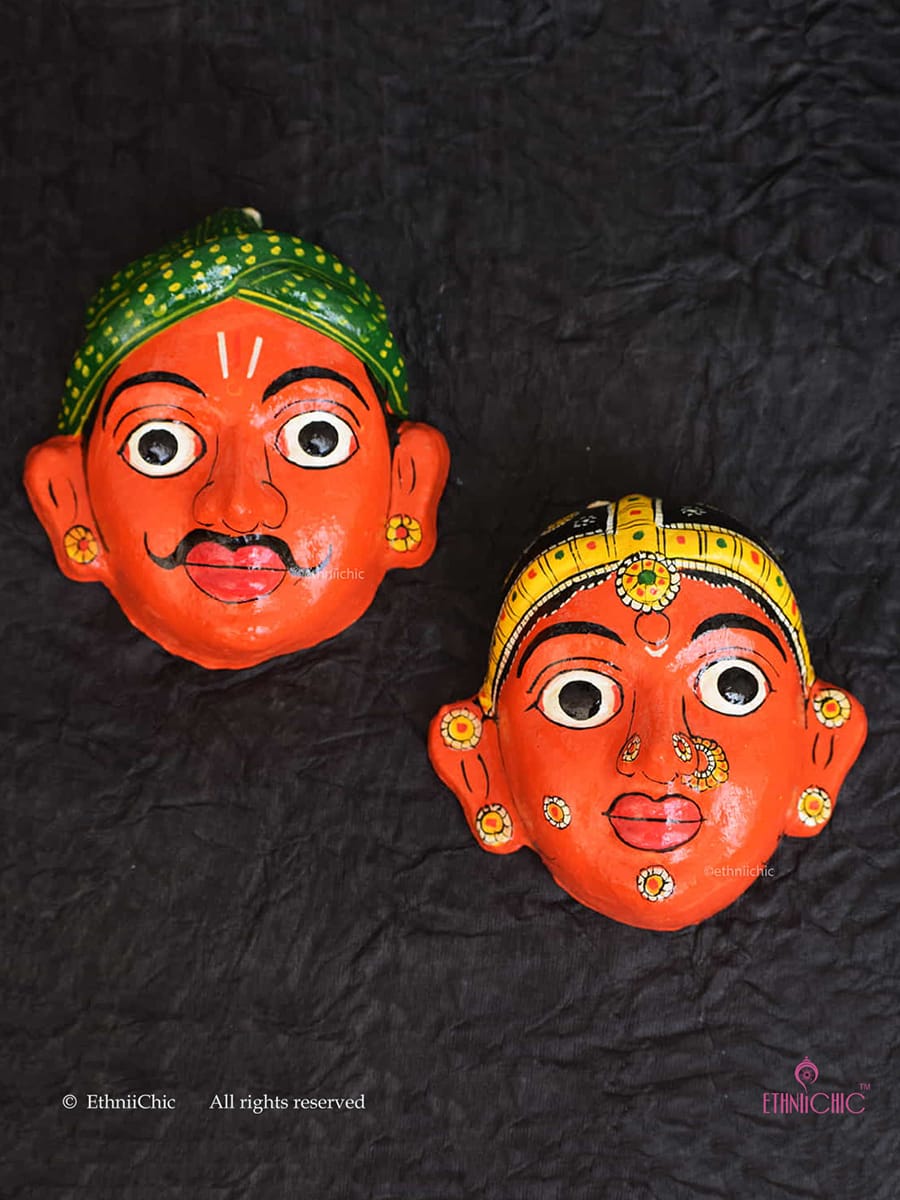
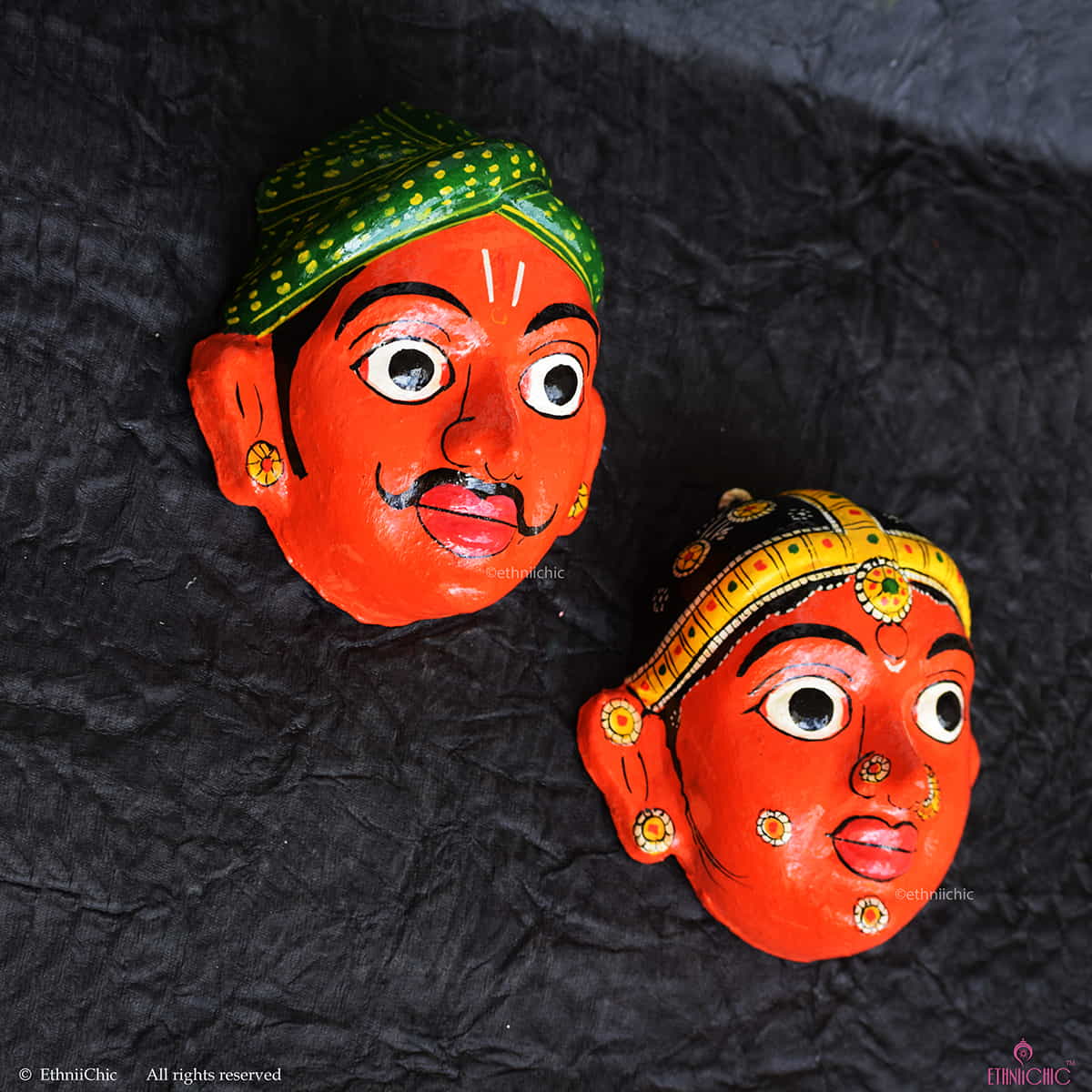
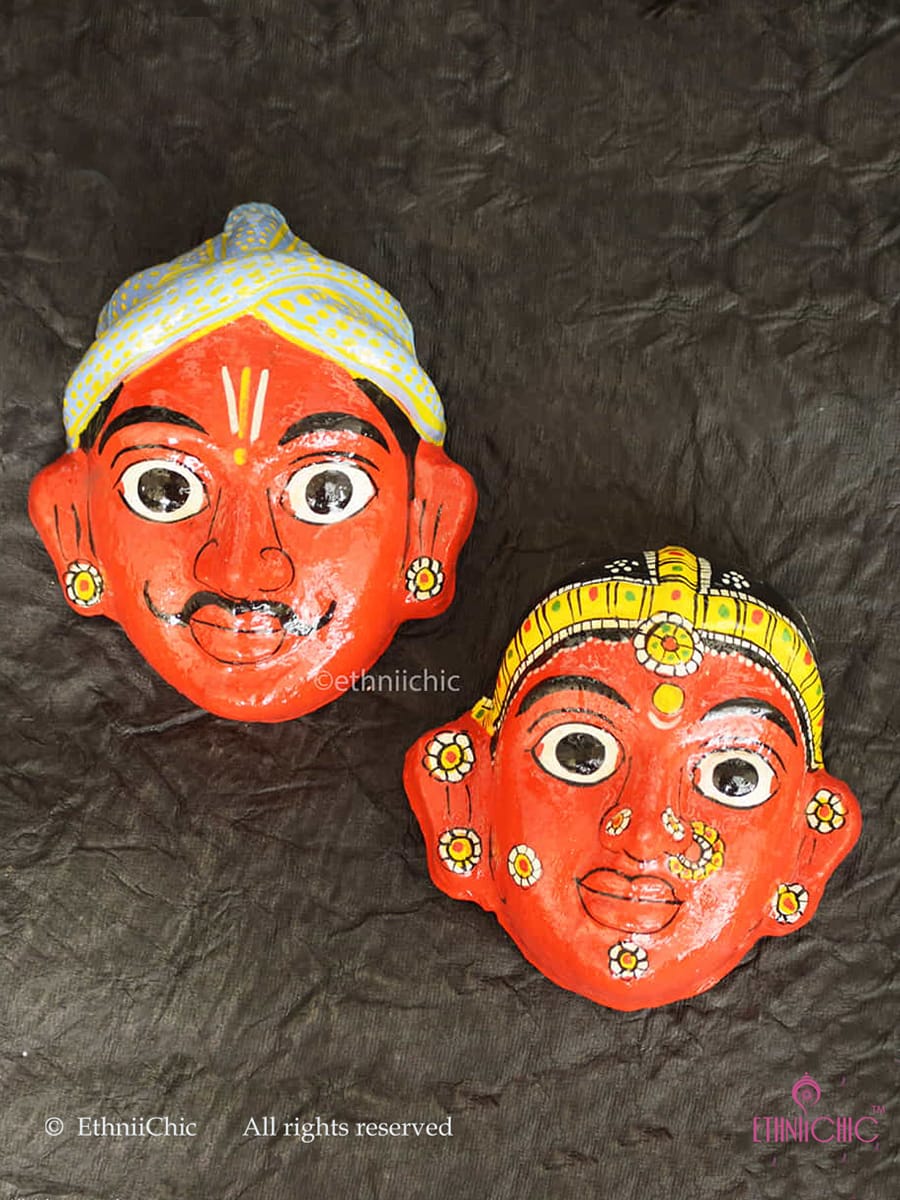
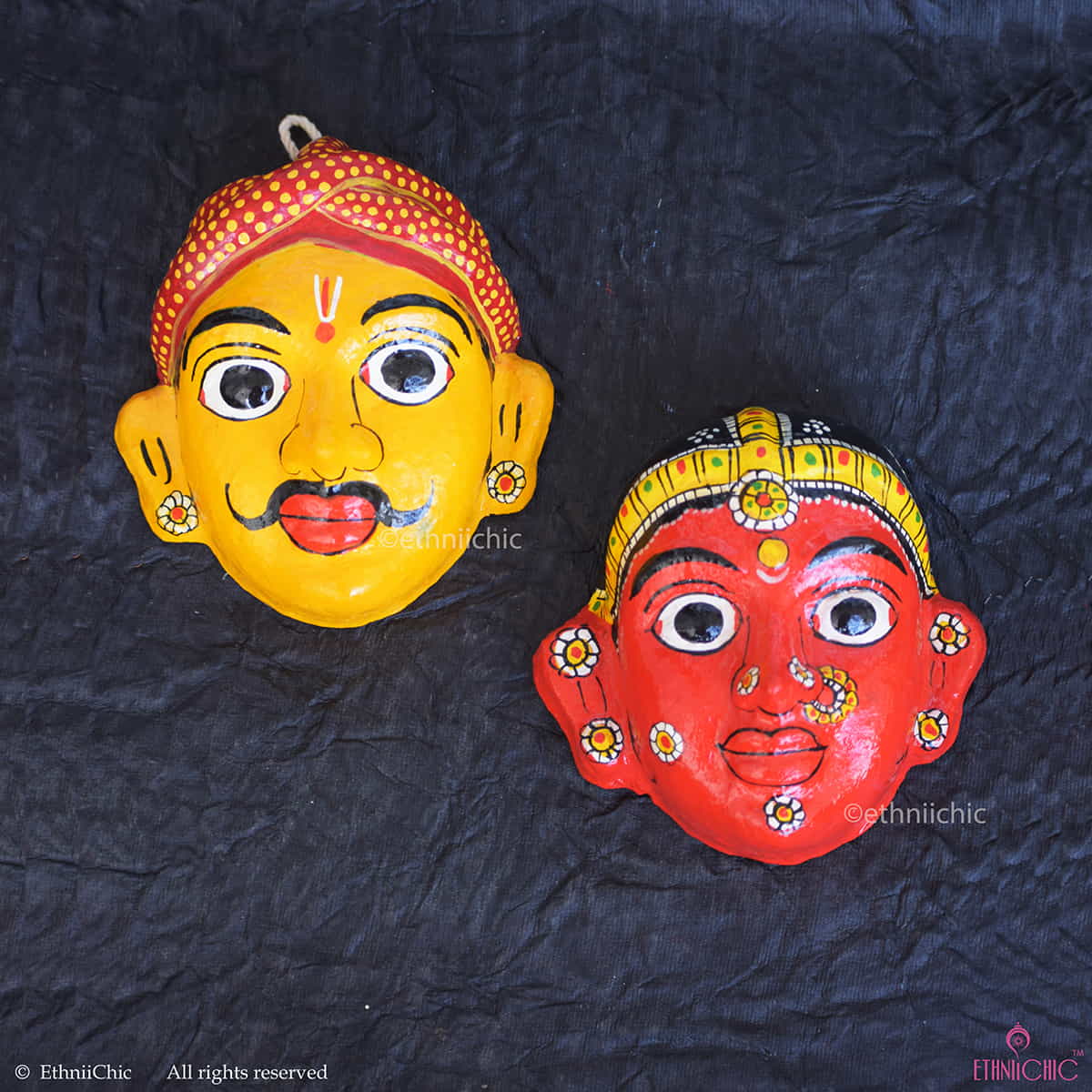
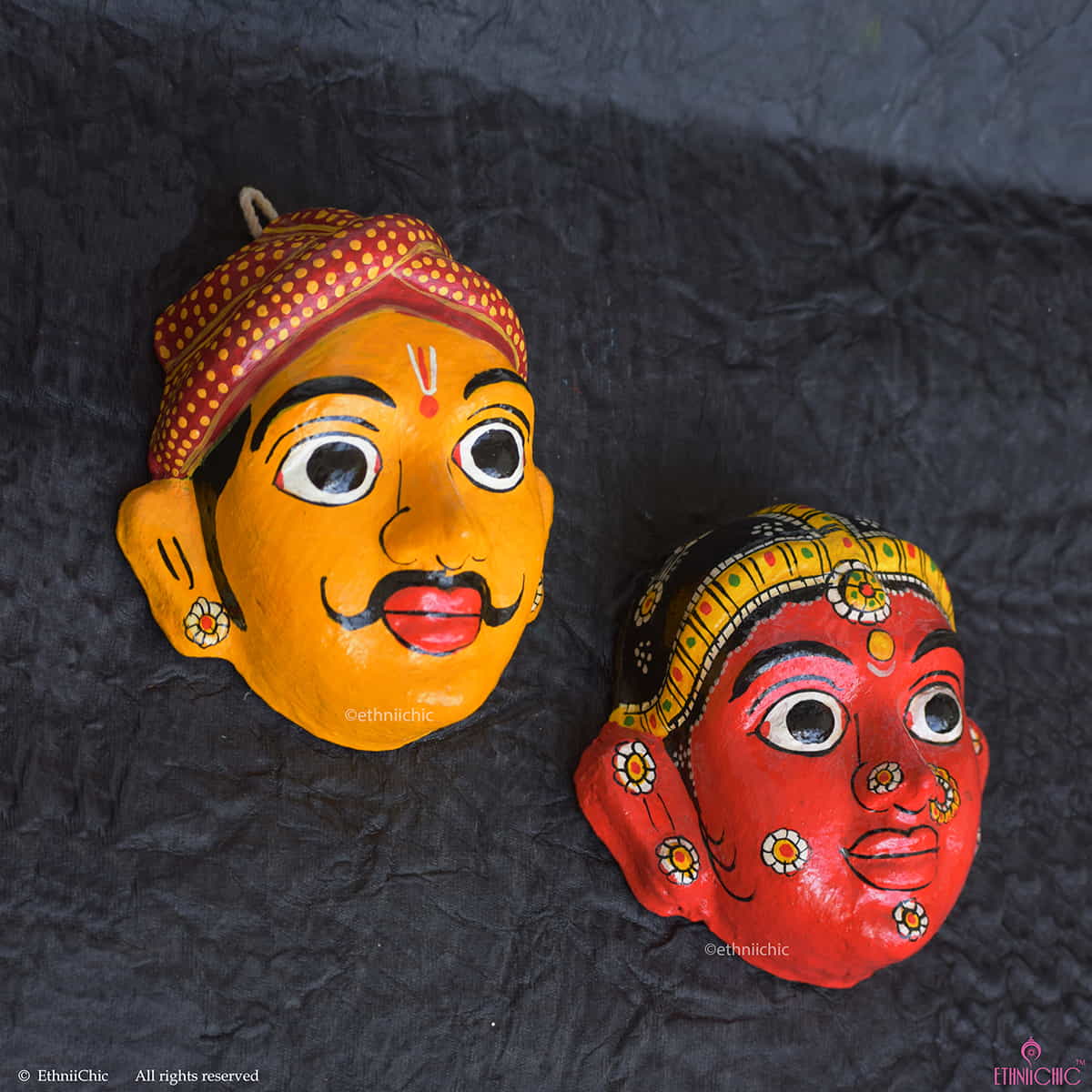
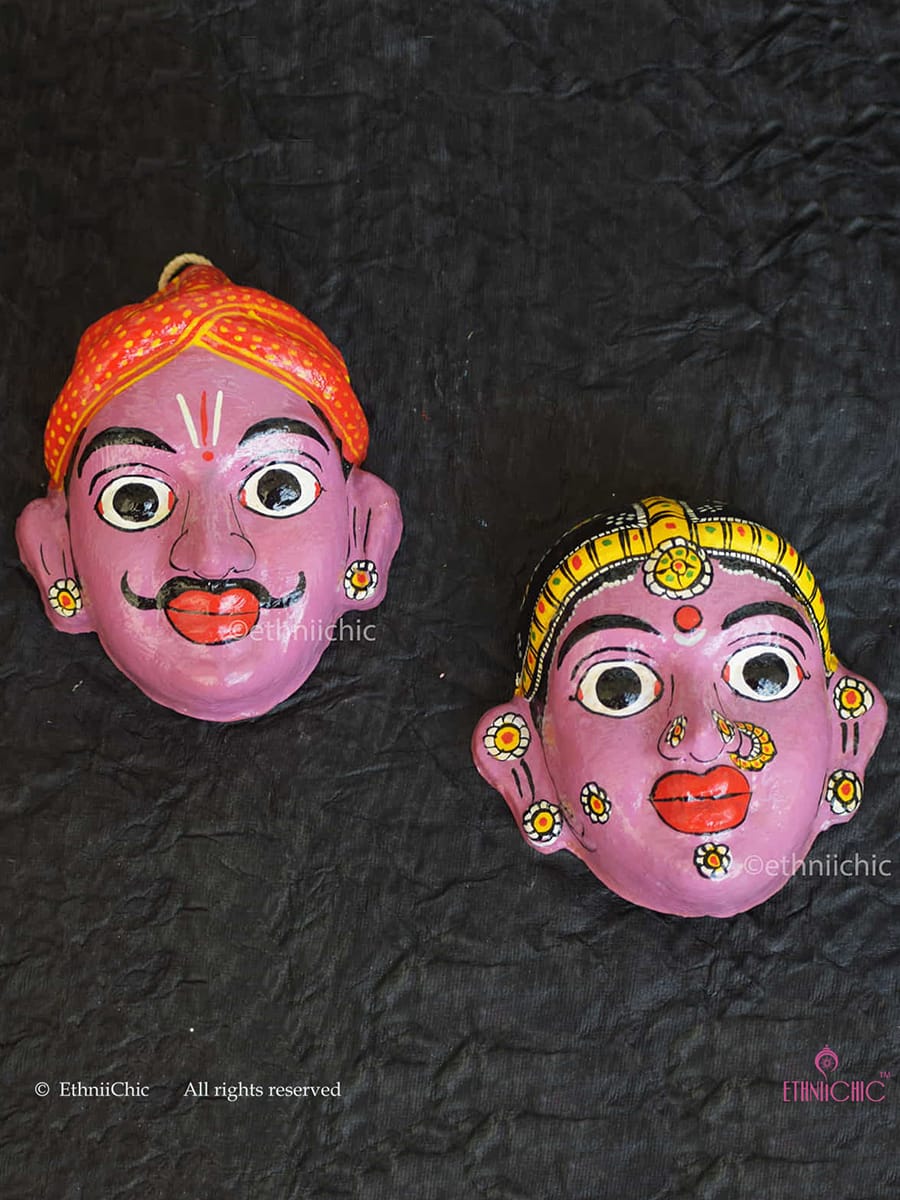
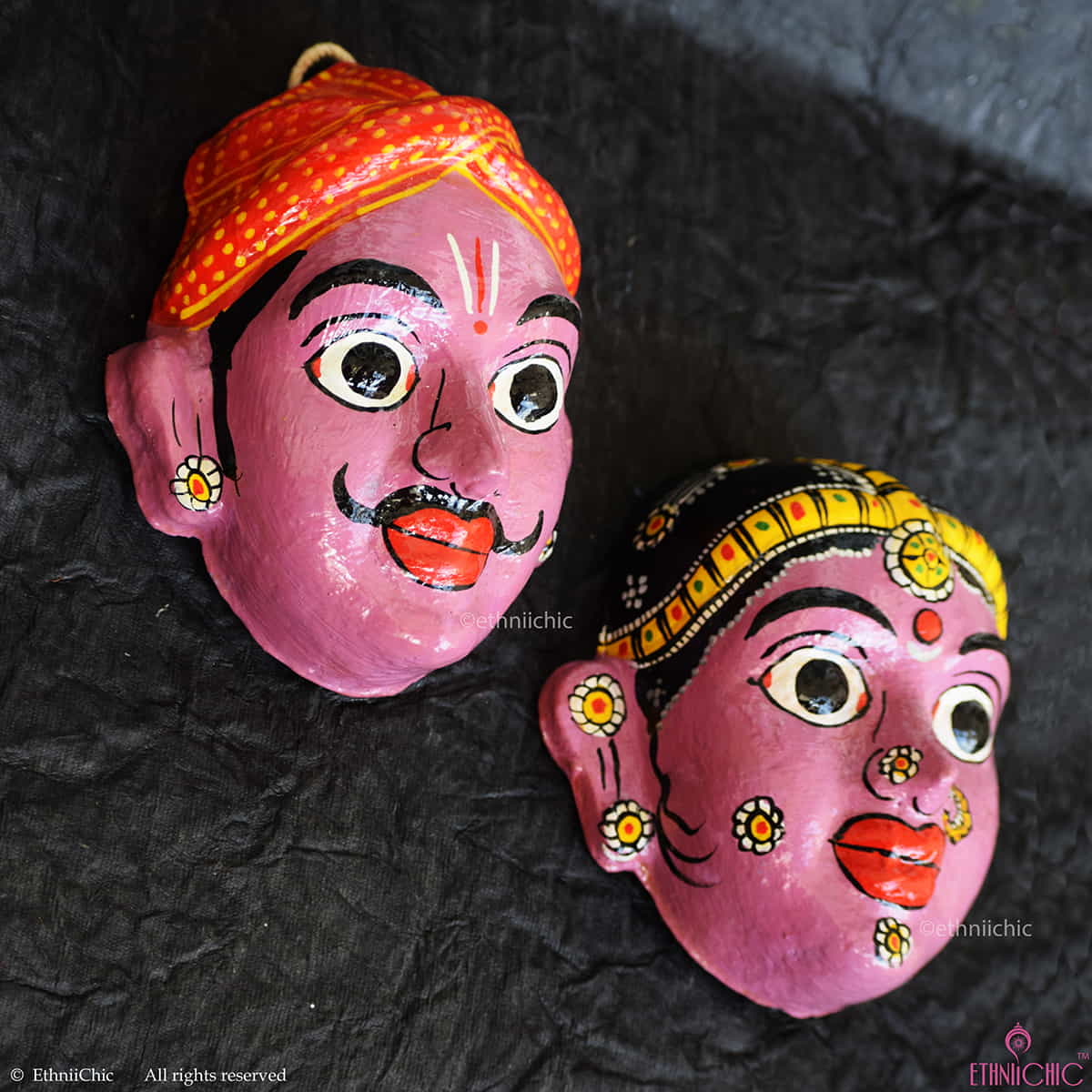
- Colour-pair wall masks — the classic male-and-female "rural couple" pair, hand-painted in a range of colourways, from the tradition's historic red-and-yellow palette to contemporary jewel tones.
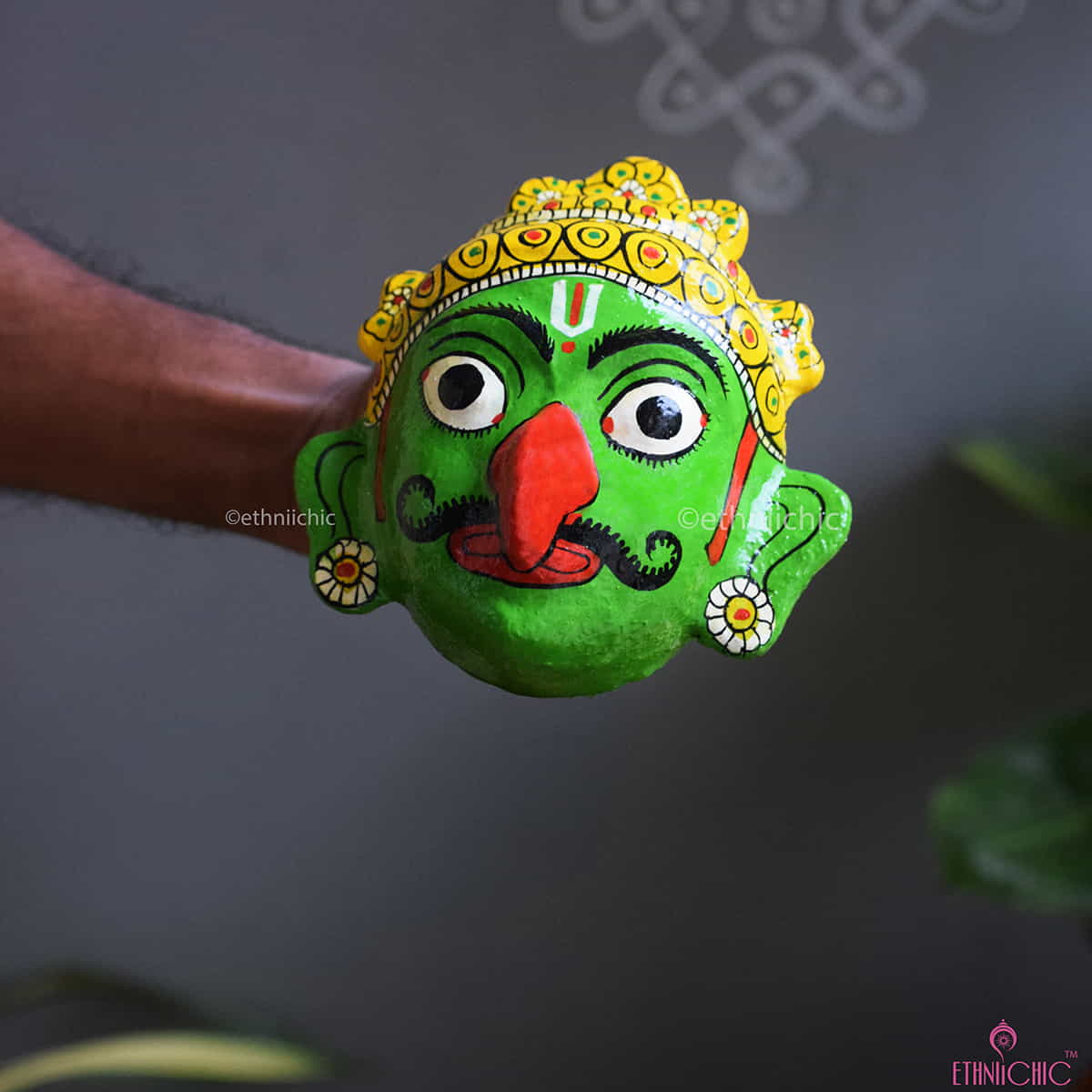
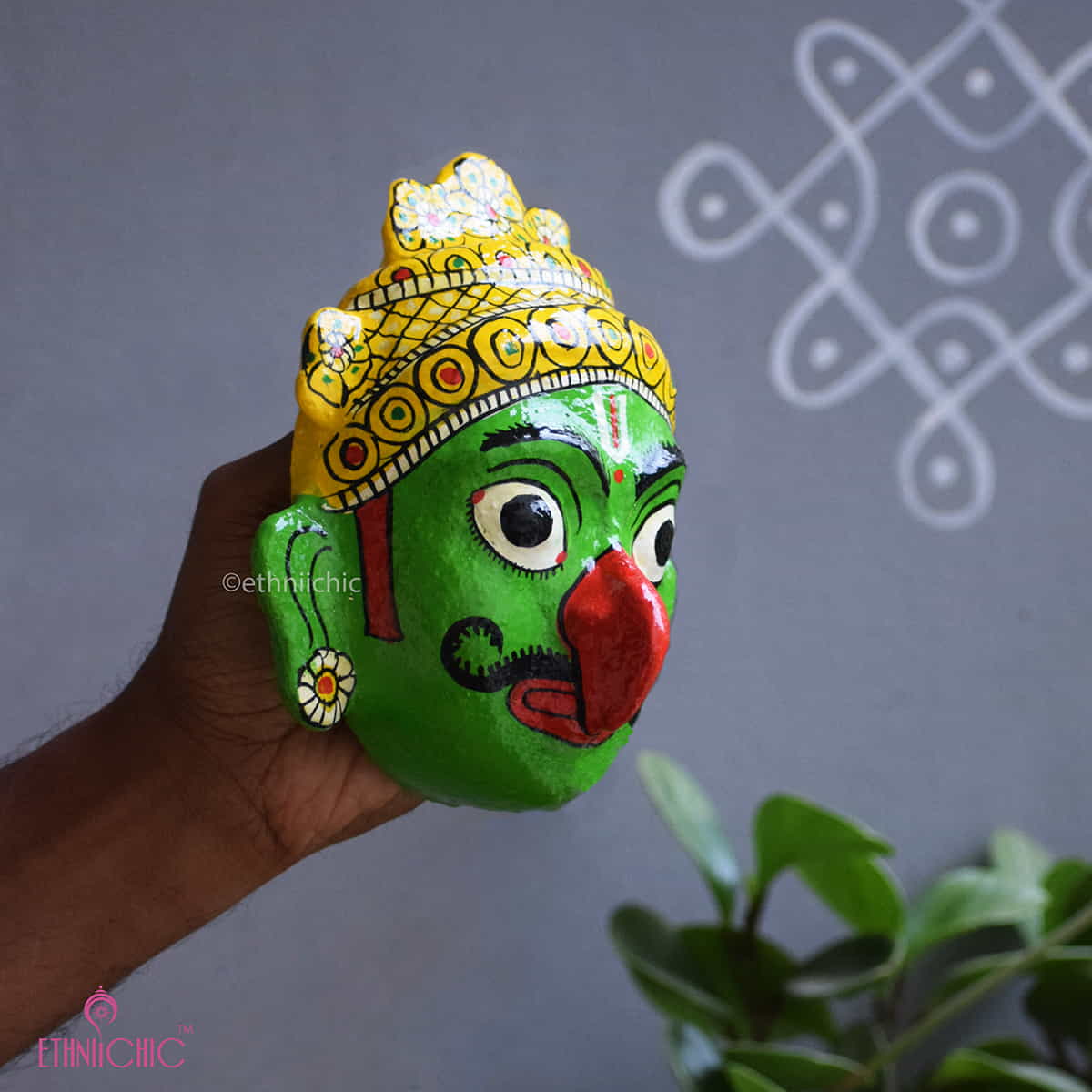
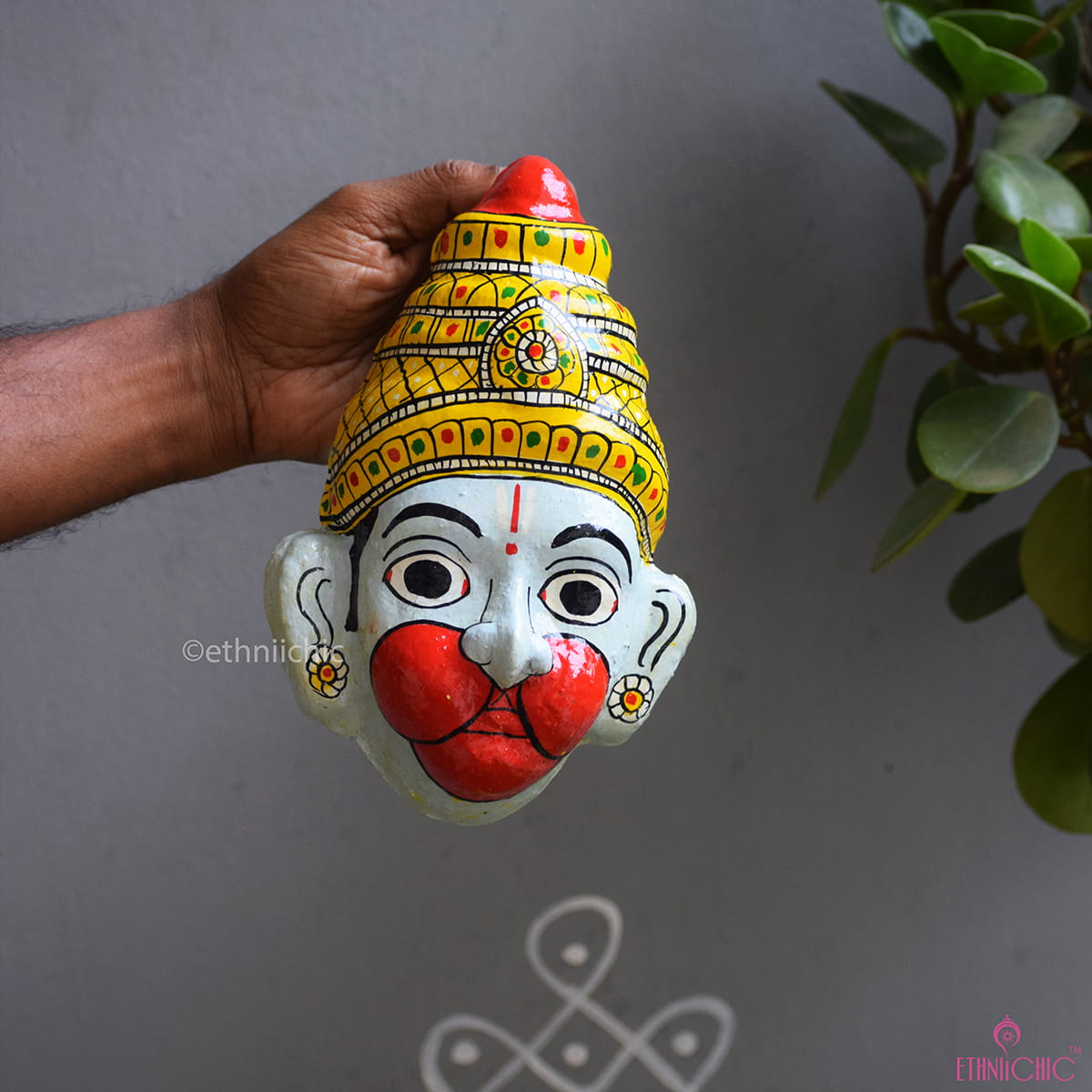
- Deity masks — including Ganesha, Hanuman, Ardhanarishwar, and the paired Ram-Sita and Shiv-Parvathy sets, drawn from the same 20-odd traditional face moulds Nakashi artisans have used for generations.
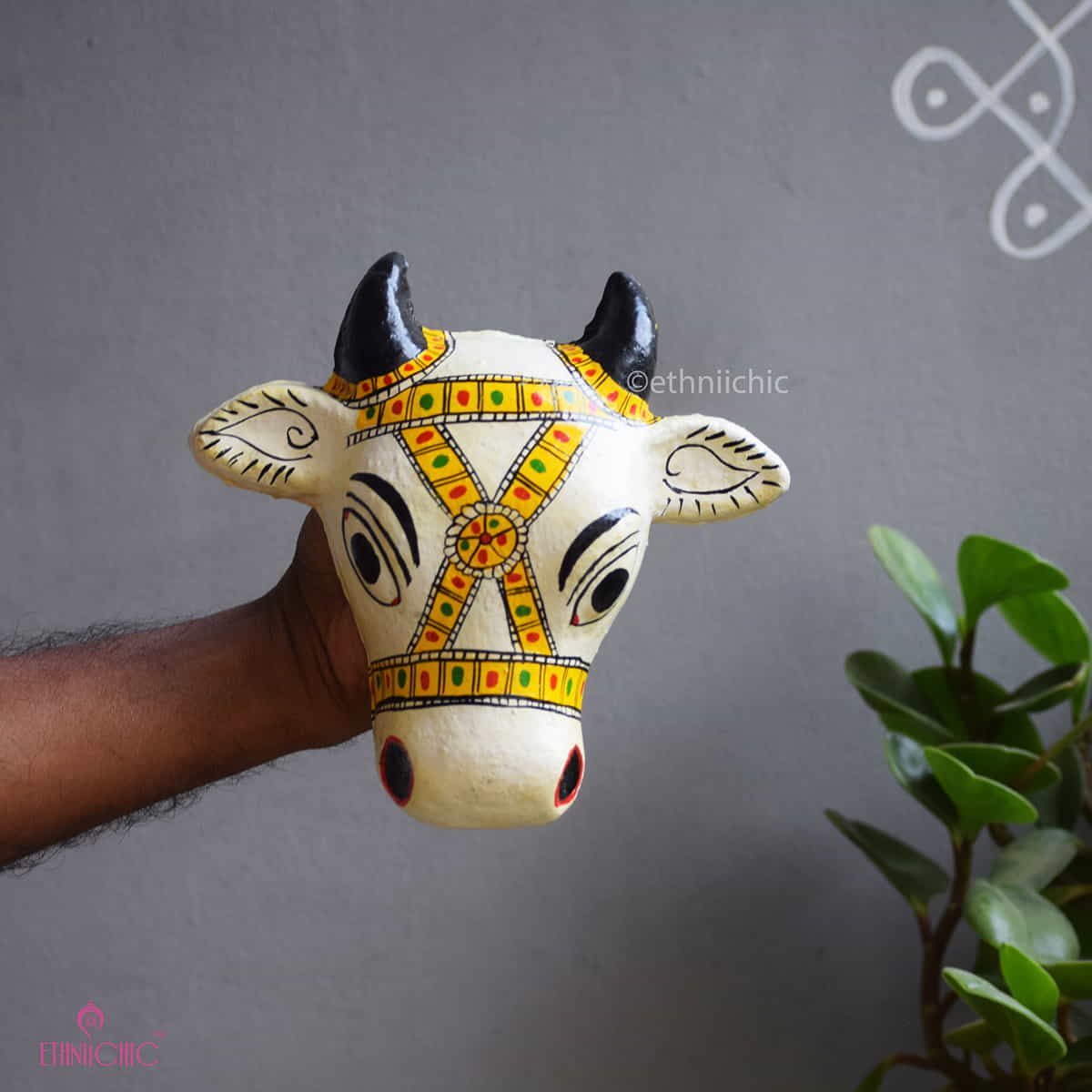
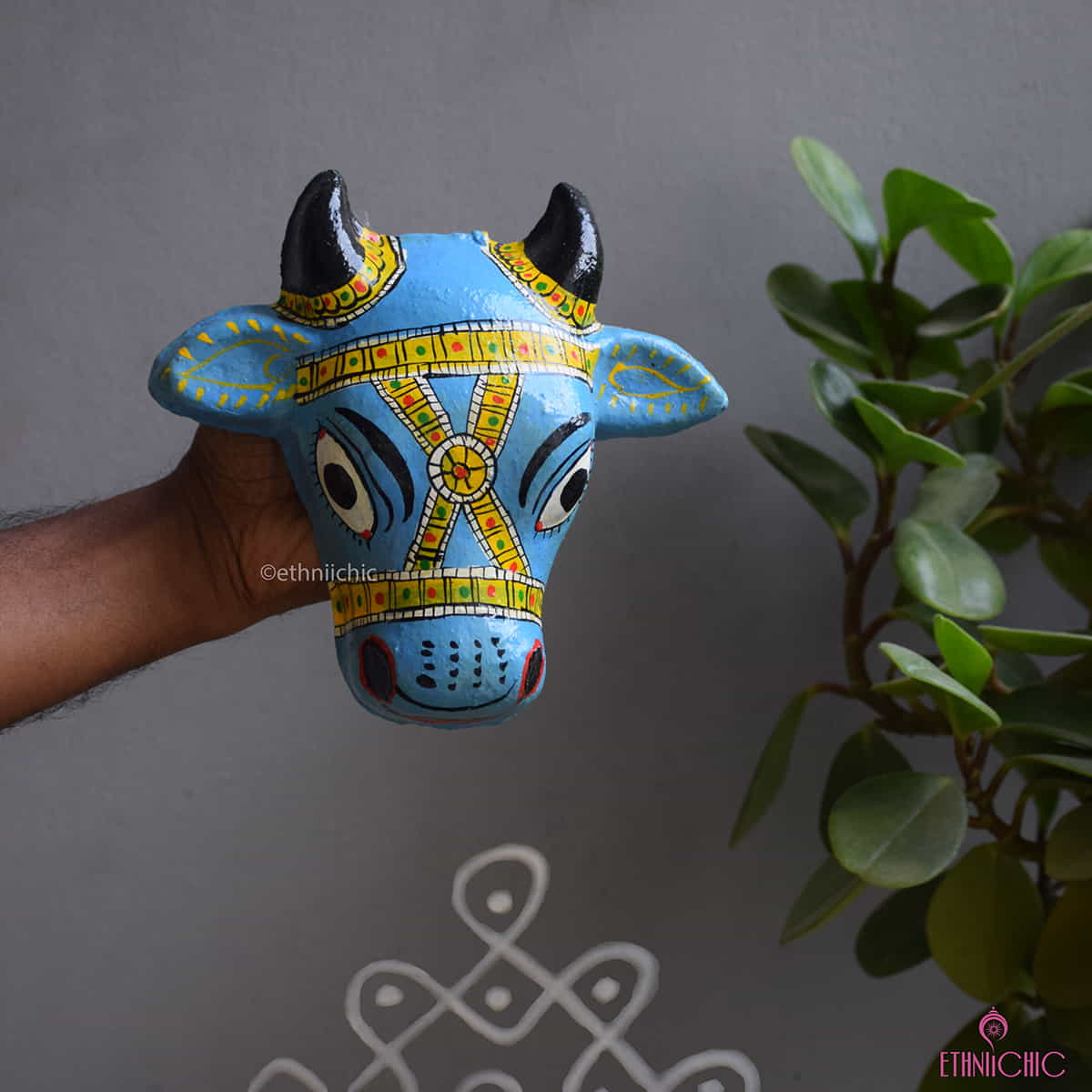
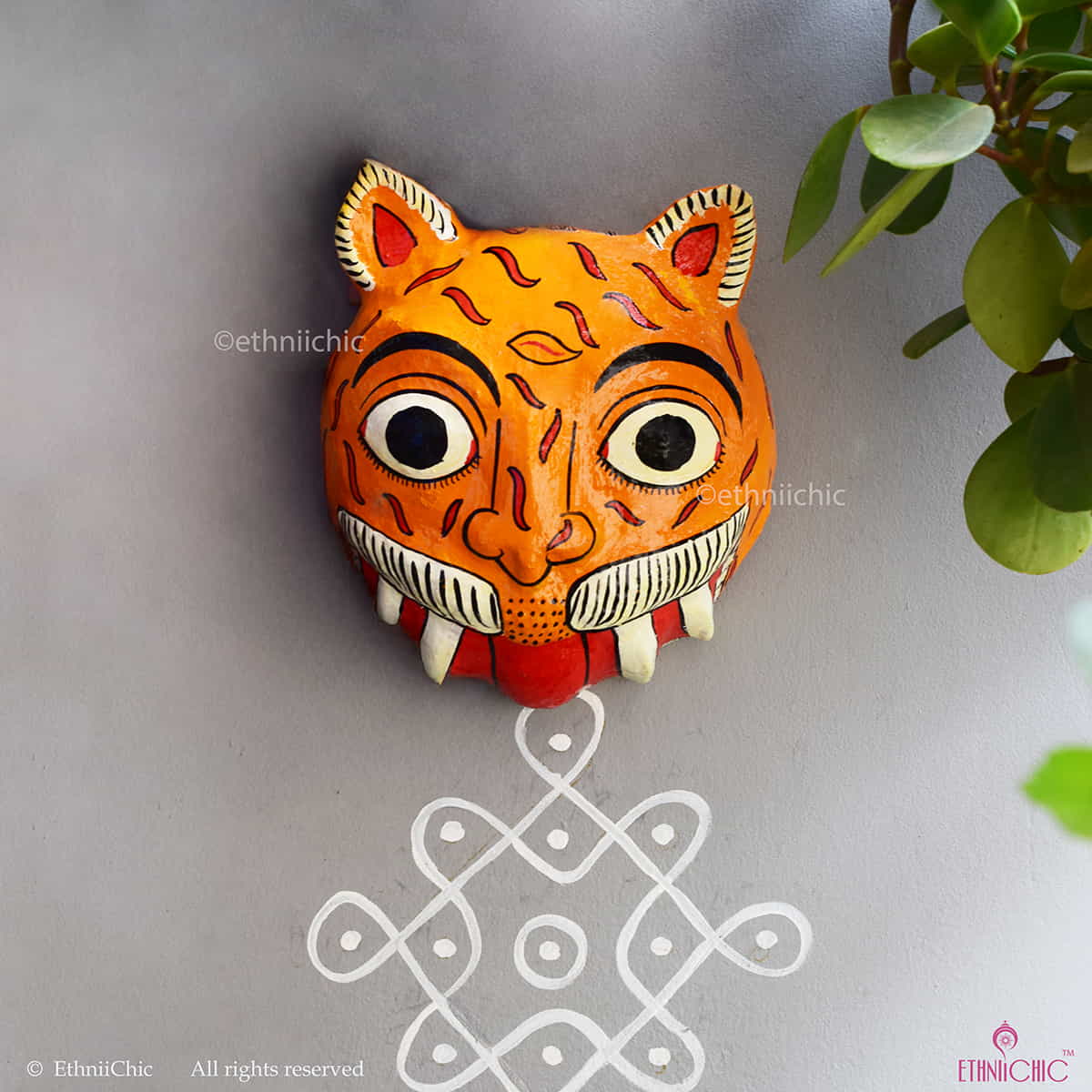
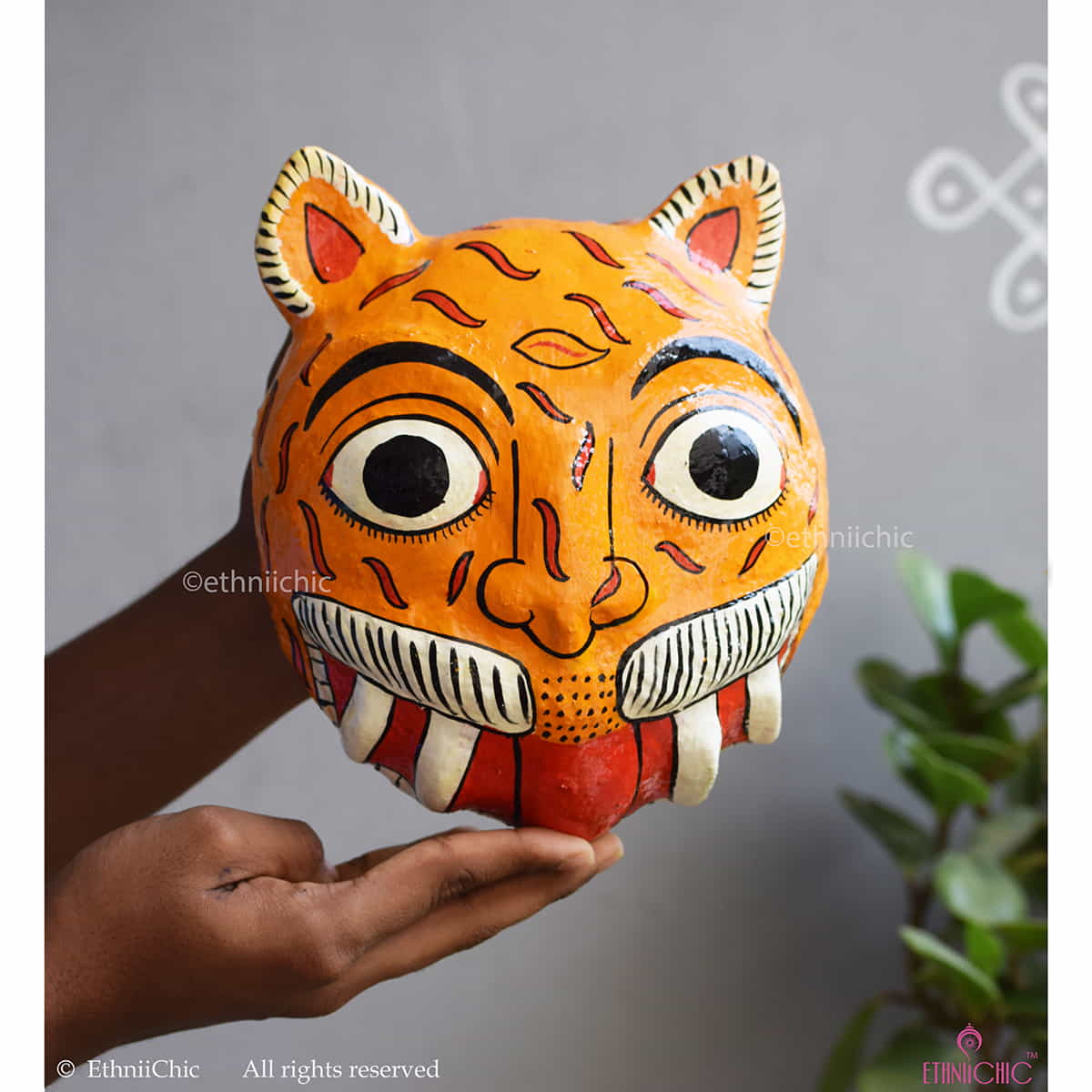
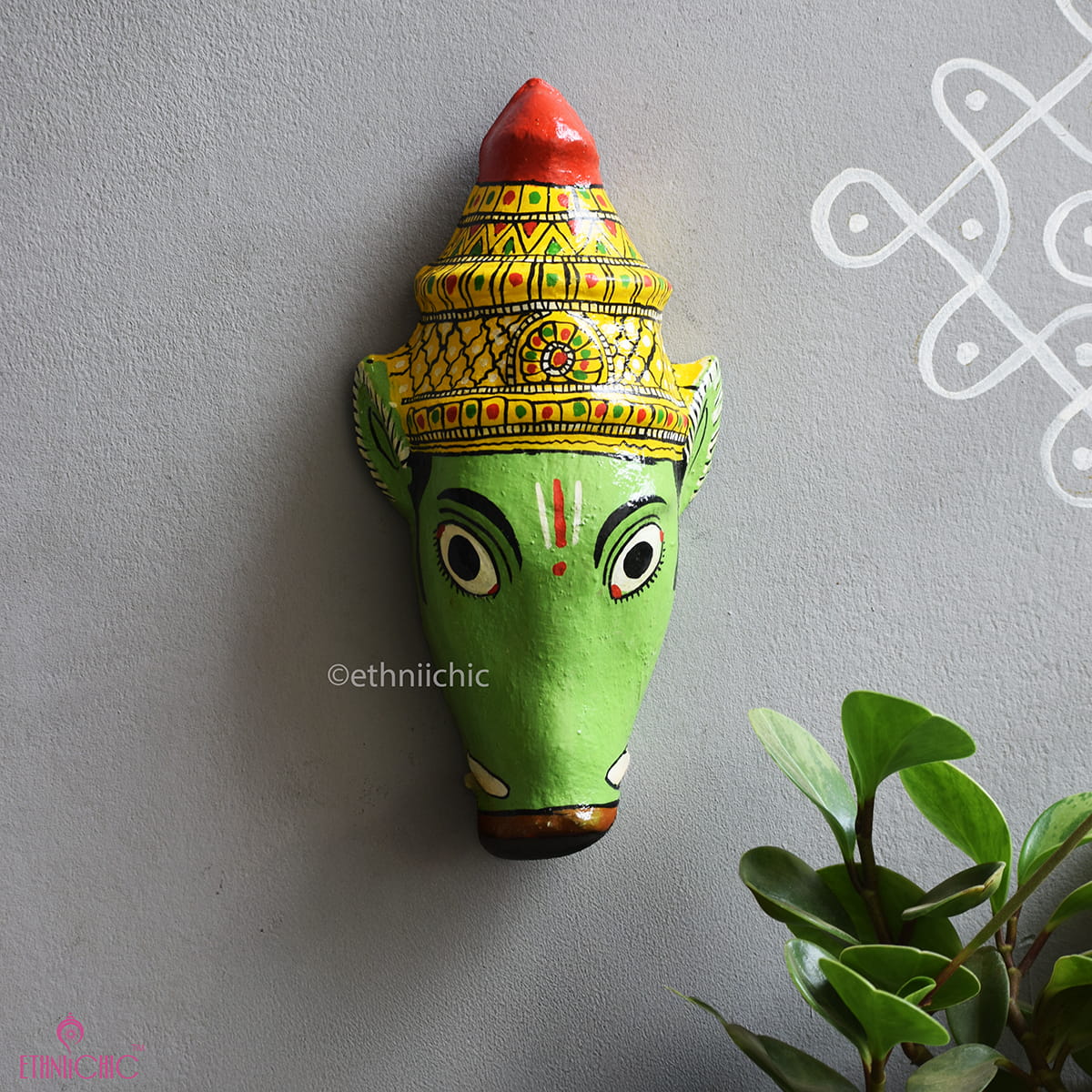
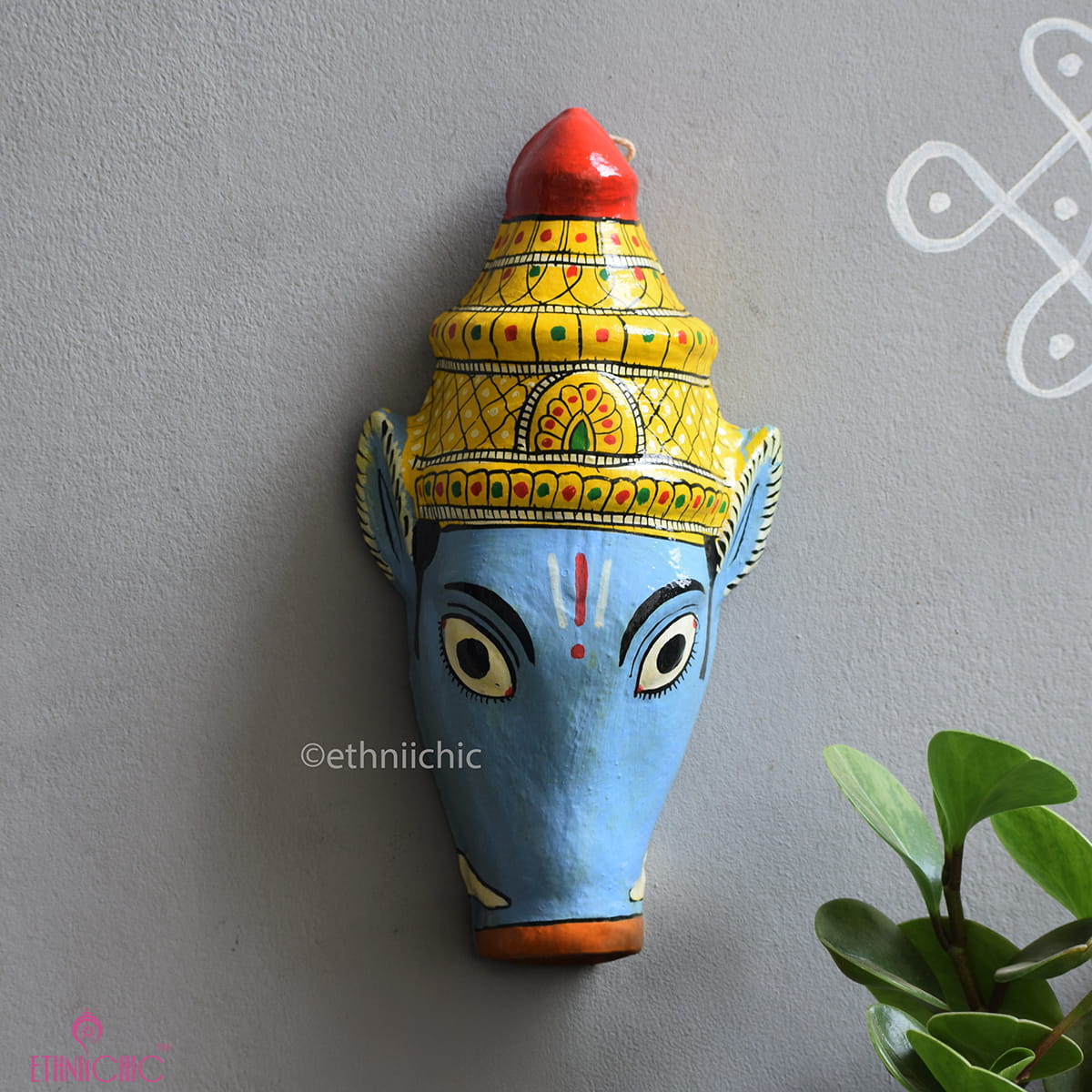
- Mythological and animal figures — Garuda, Varaha, Jatayu, Cow, and Tiger masks, representing the pastoral and epic-narrative characters that appeared alongside deities in traditional Chindu ballad performances.
- Everyday and gifting formats — a hand-painted wooden key holder mounted with sculptural Cheriyal faces, a customisable Cheriyal-motif name board, and a Cheriyal Mask Painting DIY Kit for anyone who wants to try the craft's final painting step themselves.
How to Style Cheriyal Masks in Your Home
Cheriyal masks are designed to be read from a distance, which makes them well suited to entryways, foyers, and staircase landings — the same visibility that once let a storyteller's mask hold a crowd's attention now holds a room's. A single deity or animal mask works as a standalone statement piece, while the colour-pair masks are designed to be hung together, spaced to suit your own wall. For a gallery-style arrangement, mixing a deity mask with one or two colour pairs gives a wall genuine narrative variety rather than a single repeated motif. Given their raised, sculptural quality, Cheriyal masks read well against a plain or lightly textured wall, where the shadow cast by the relief adds to the effect.
Cheriyal Masks as Gifts
Cheriyal masks are a popular choice for housewarming gifts, wedding and anniversary gifts, and Diwali gifting, particularly for NRI households looking to bring an authentic, GI-tagged piece of Telangana craft into a home abroad. The Ram-Sita and Shiv-Parvathy mask sets, in particular, are frequently chosen for weddings and anniversaries given their traditional association with partnership and devotion, while Ganesha and Hanuman masks are popular first purchases for anyone starting a home décor collection rooted in Indian craft.
Caring for Your Cheriyal Mask
Cheriyal masks are made for indoor display only. Dust gently with a soft, dry cloth; avoid water, cleaning sprays, and prolonged direct sunlight, all of which can affect the natural pigments and the tamarind-sawdust base over time. Each mask comes fitted with a loop at the back for direct wall mounting, with no separate frame required.