Cut Outs

Cut Outs

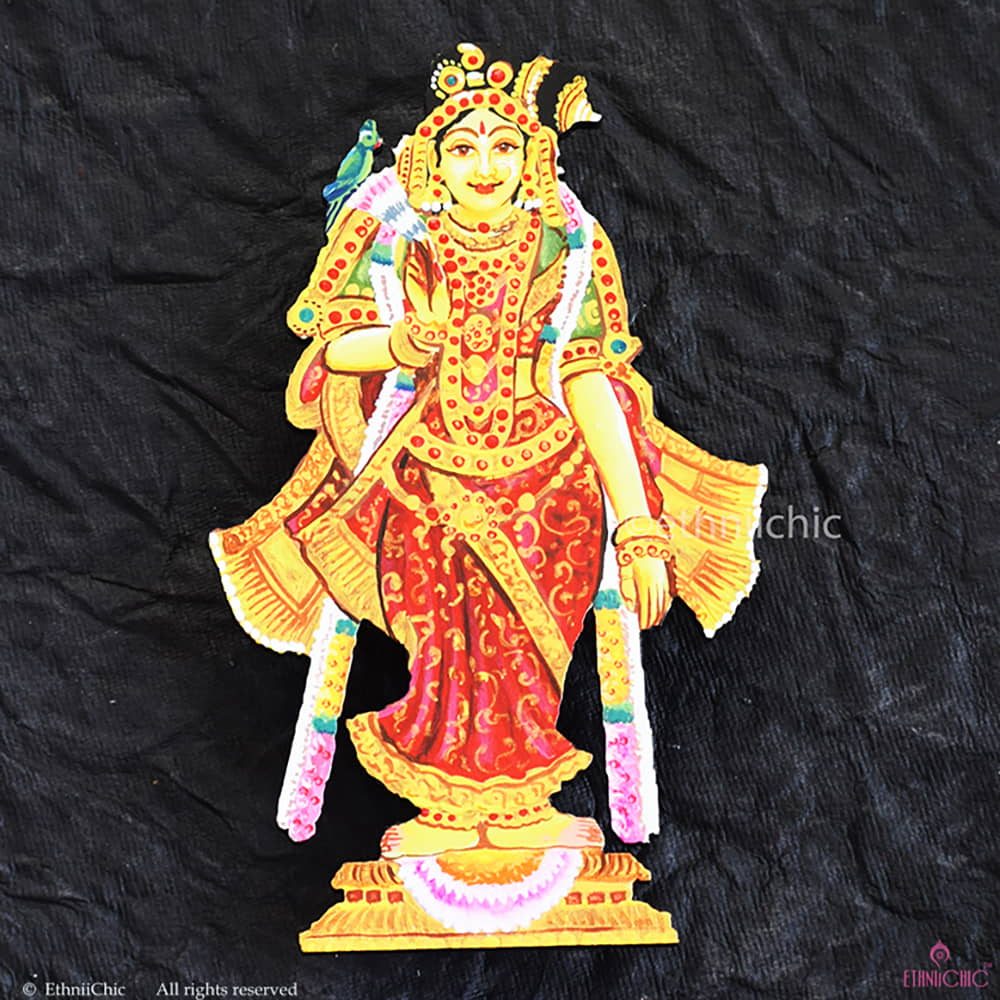
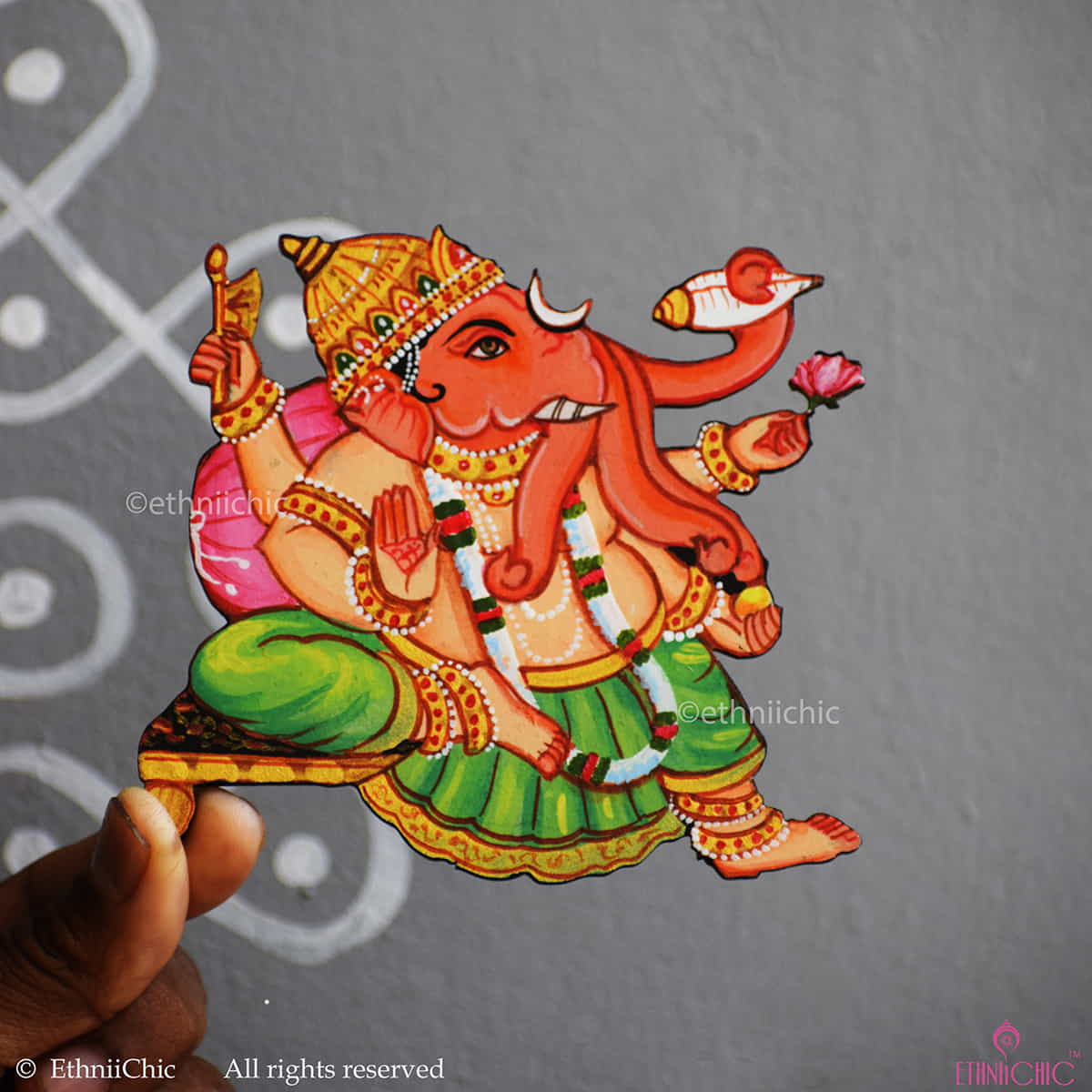
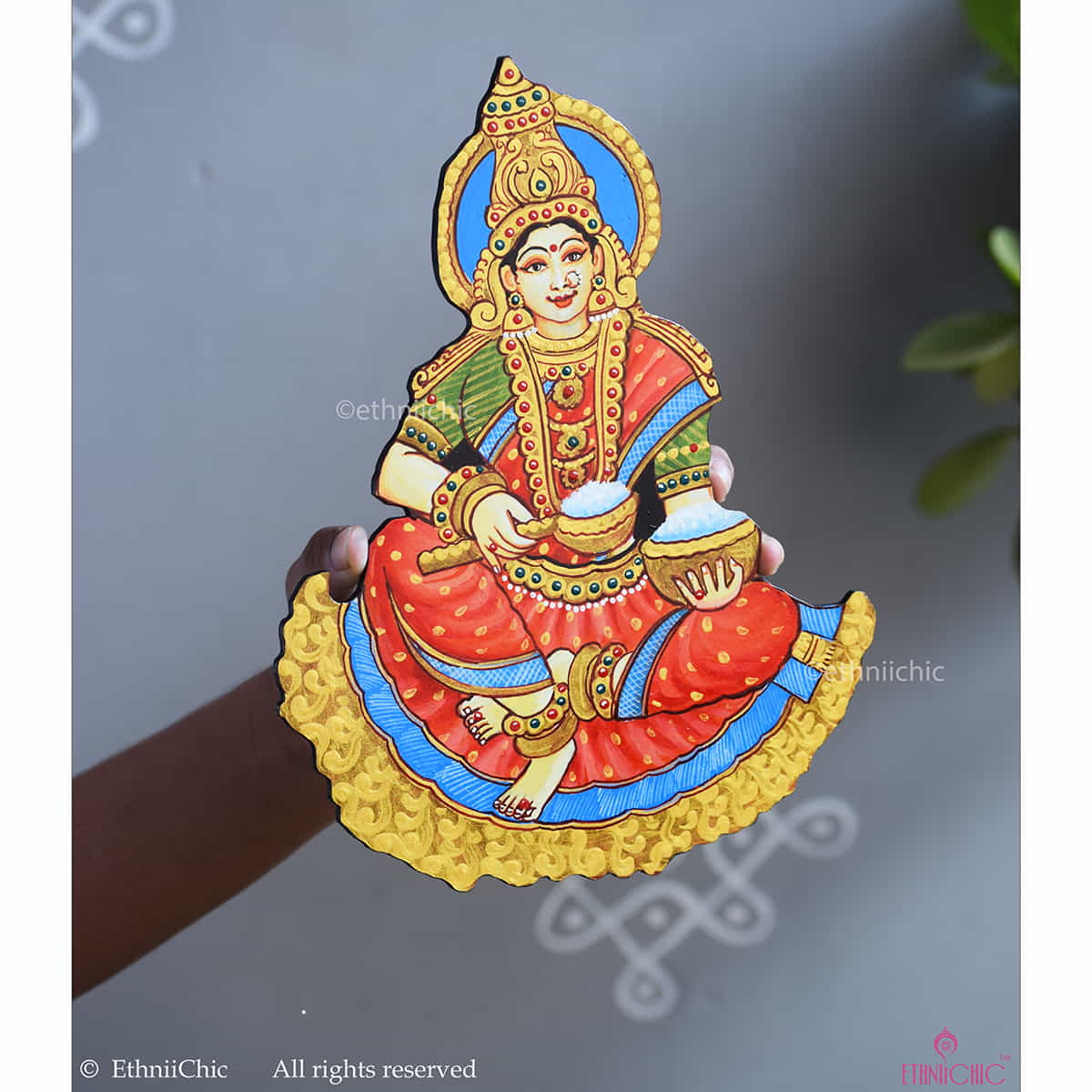
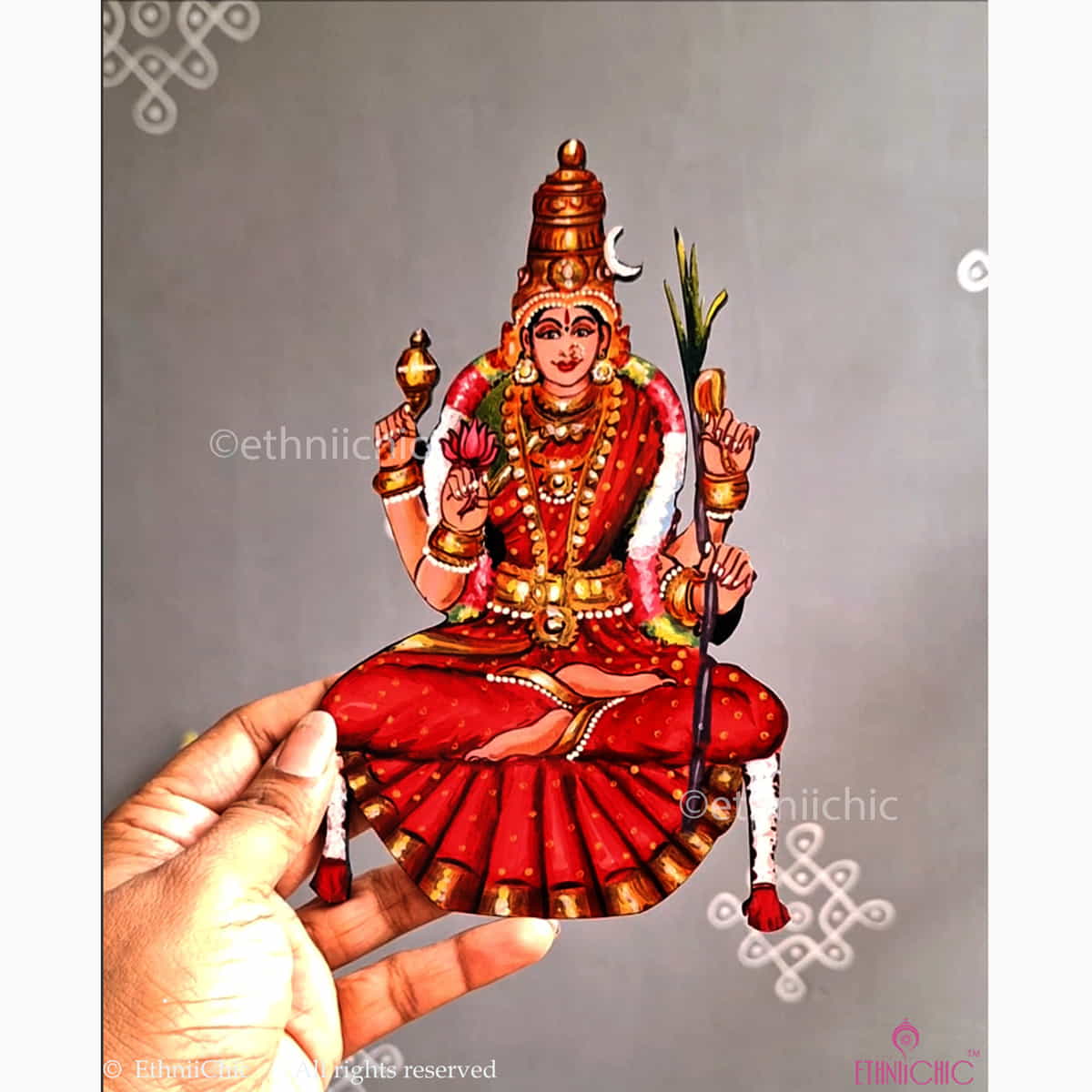
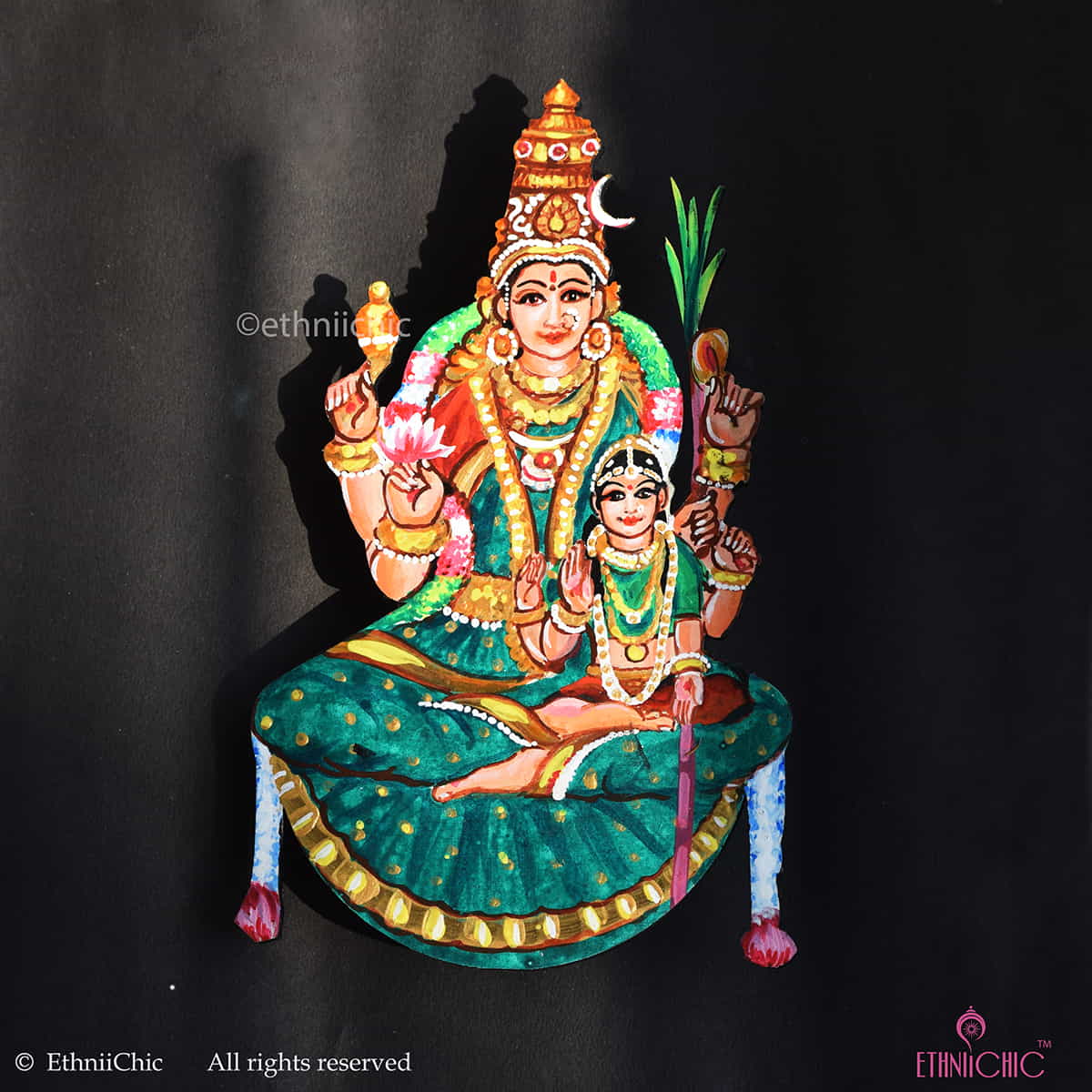
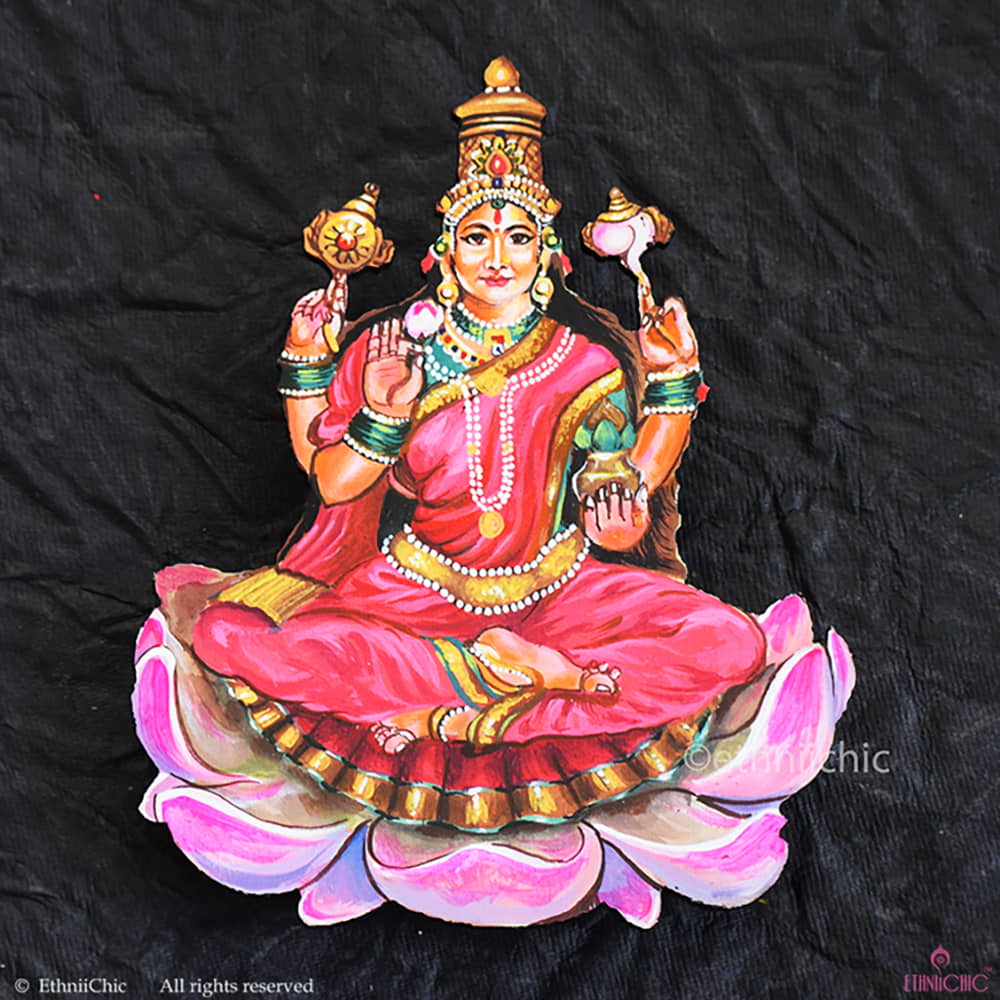
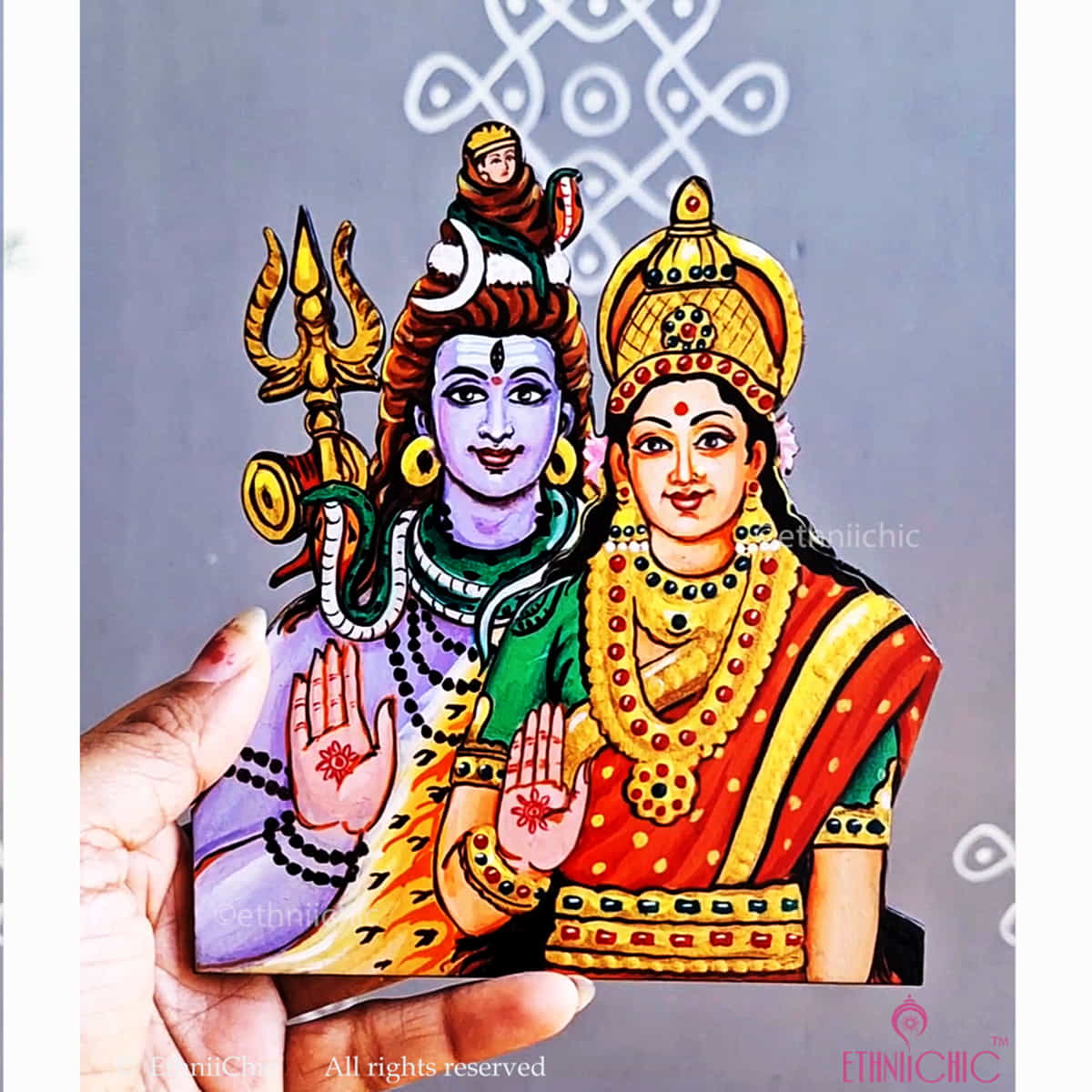
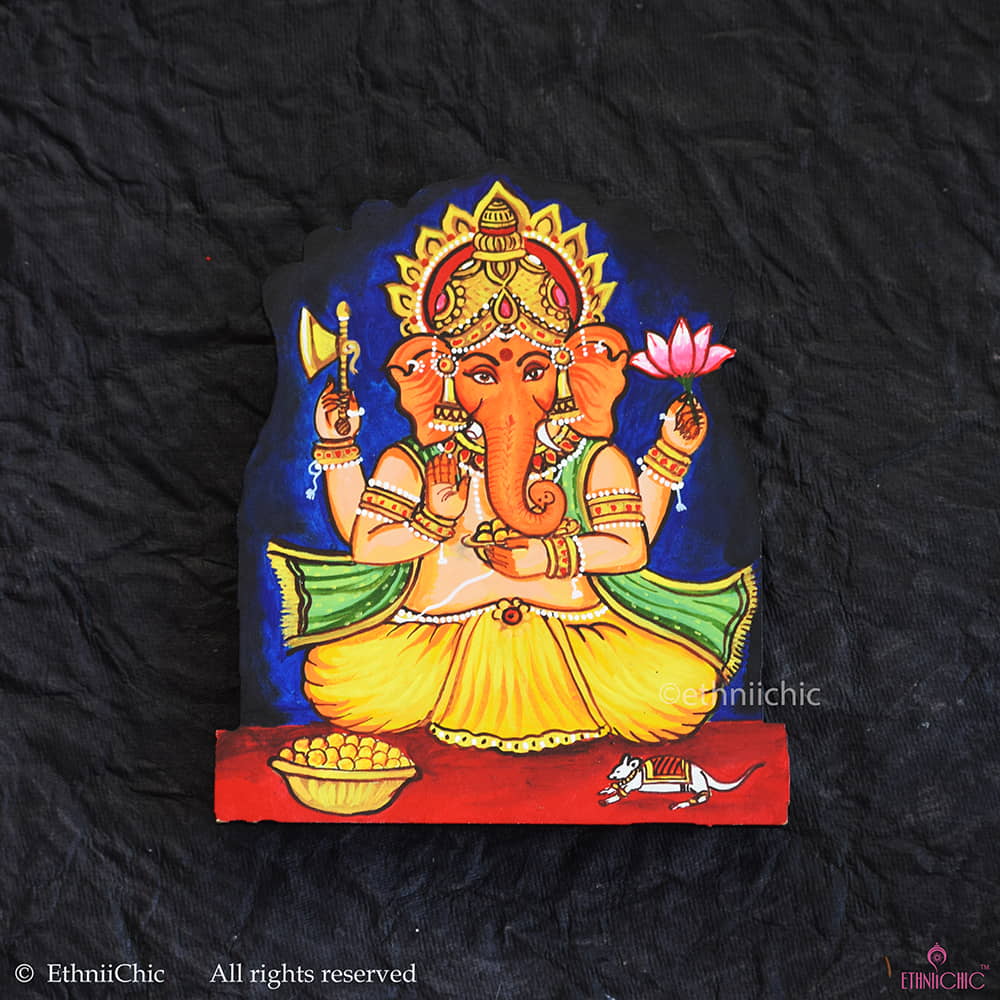
Discover EthniiChic’s Handpainted Cut Outs — intricately carved wooden silhouettes featuring deities, motifs, and cultural icons. Each piece is thoughtfully designed as a folk art décor accent, perfect for wall installations, entryways, or ritual spaces. Unveil heritage with these unique, light-weight, expressive cut outs that merge traditional craftsmanship with modern interiors.

Skip to results list
25 items
Column grid
Column grid

Filter

Popular Searches :

Read More

There is a long tradition in Indian homes of placing a deity's image at the door before anything else goes on the wall. Not as decoration — as intention. EthniiChic's hand-painted wooden cut outs carry that same logic into modern living spaces: each one is a shaped wooden silhouette of a deity, a divine couple, or a celestial figure, painted by hand with the care that mass-produced prints simply cannot replicate.
Lightweight enough to move, versatile enough to display three different ways, and rooted in iconographic traditions that span South India, Rajasthan, and beyond — these cut outs are among the most accessible entry points into
heritage-led home décor EthniiChic makes.

What Is a Hand-Painted Wooden Cut Out?

A wooden cut out is a silhouette or shaped form cut from medium density engineered wood (MDF), finished with a clear coat sealant, and hand-painted with traditional imagery. Unlike a framed print or a cast figurine, a cut out exists between two-dimensional art and three-dimensional object — it has physical presence and defined form, but no frame imposing a boundary around it. At EthniiChic, every cut out in this collection is painted by hand, which means the brushwork, the colour transitions, and the fine linework around each deity's features carry the natural variation of a made-by-hand object. No two pieces are identical.
The Iconographic Range: Deity Motifs in This Collection

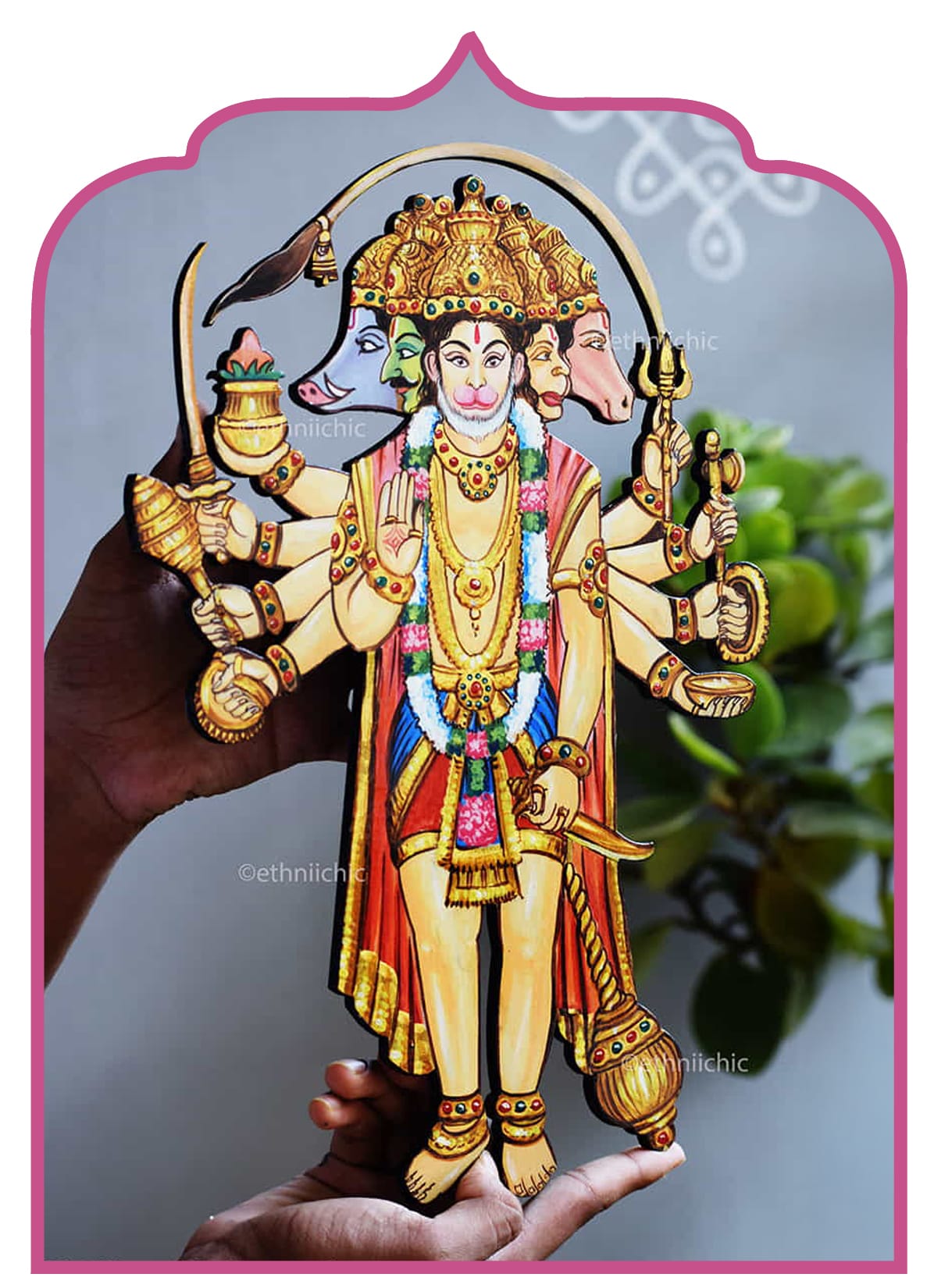
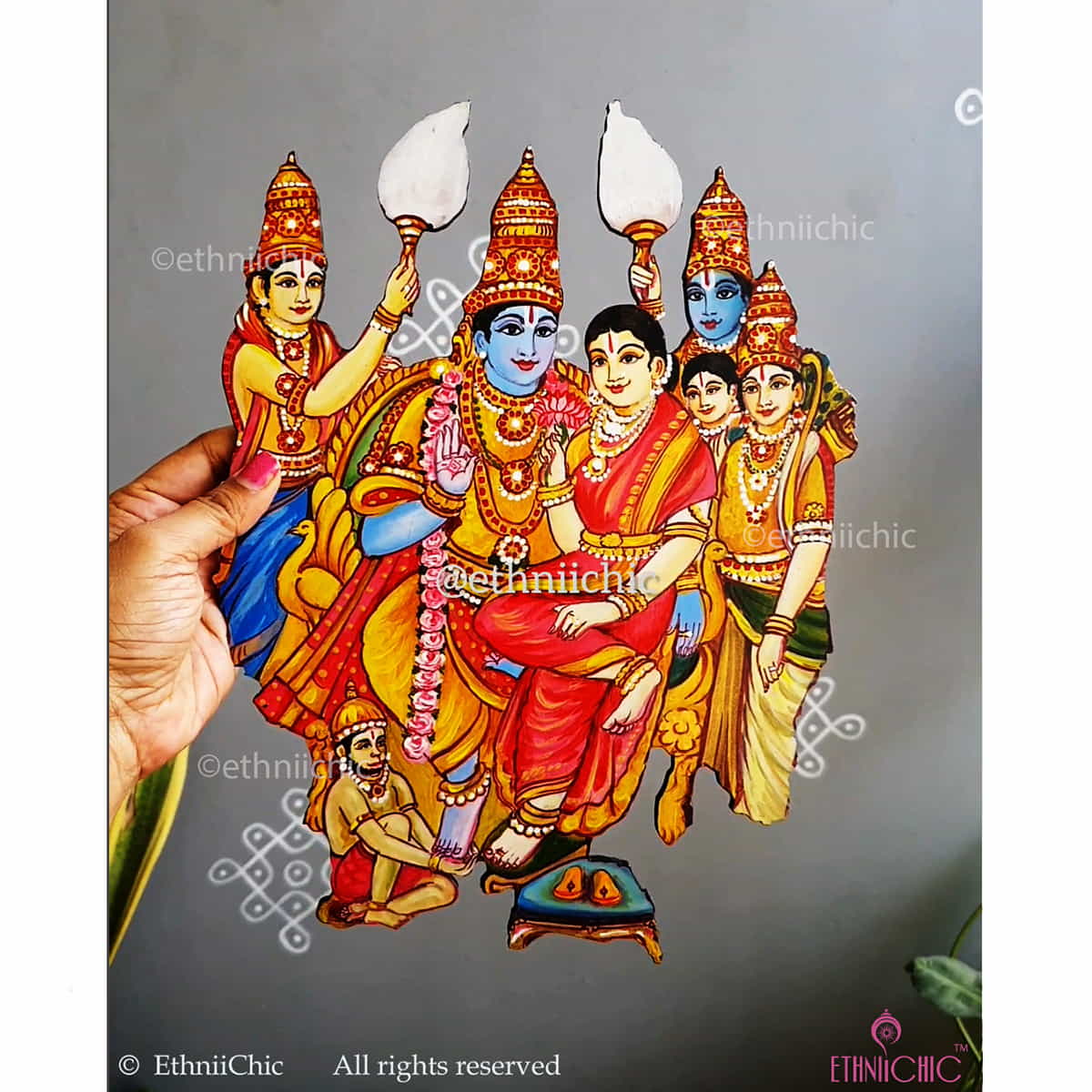
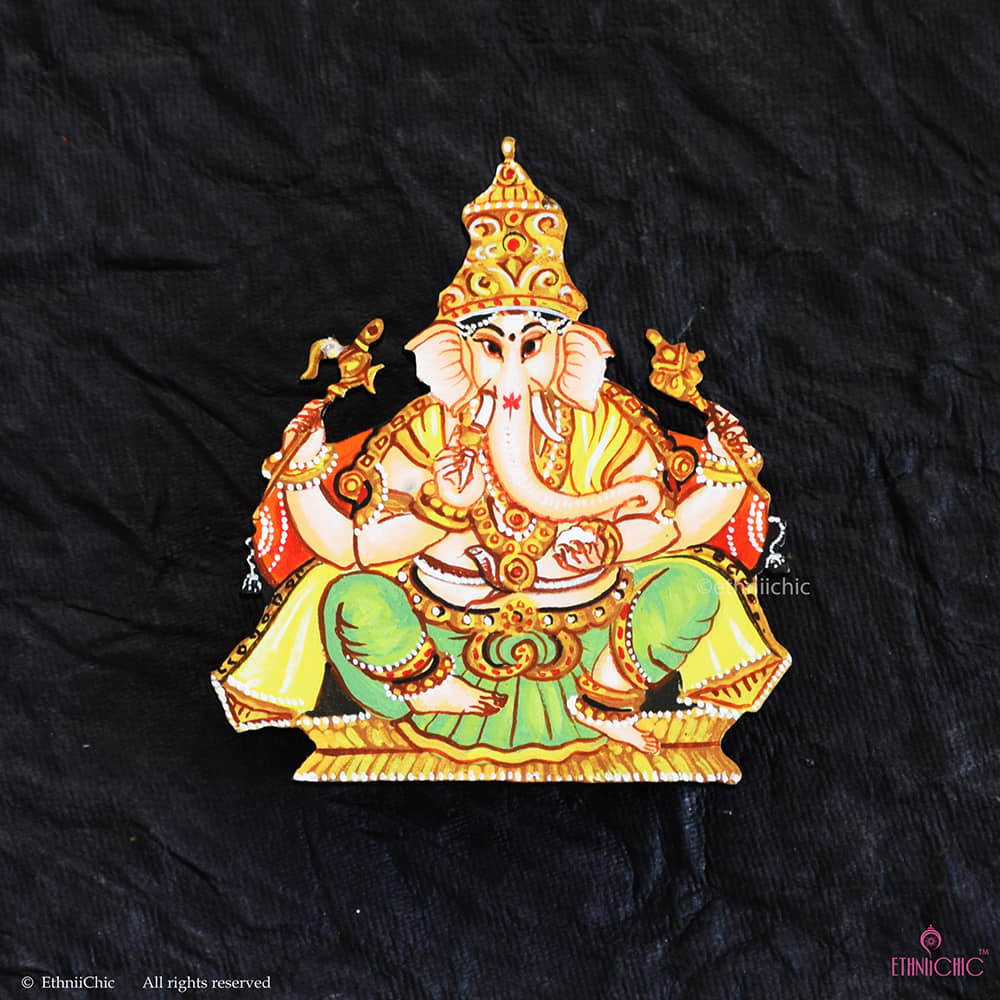
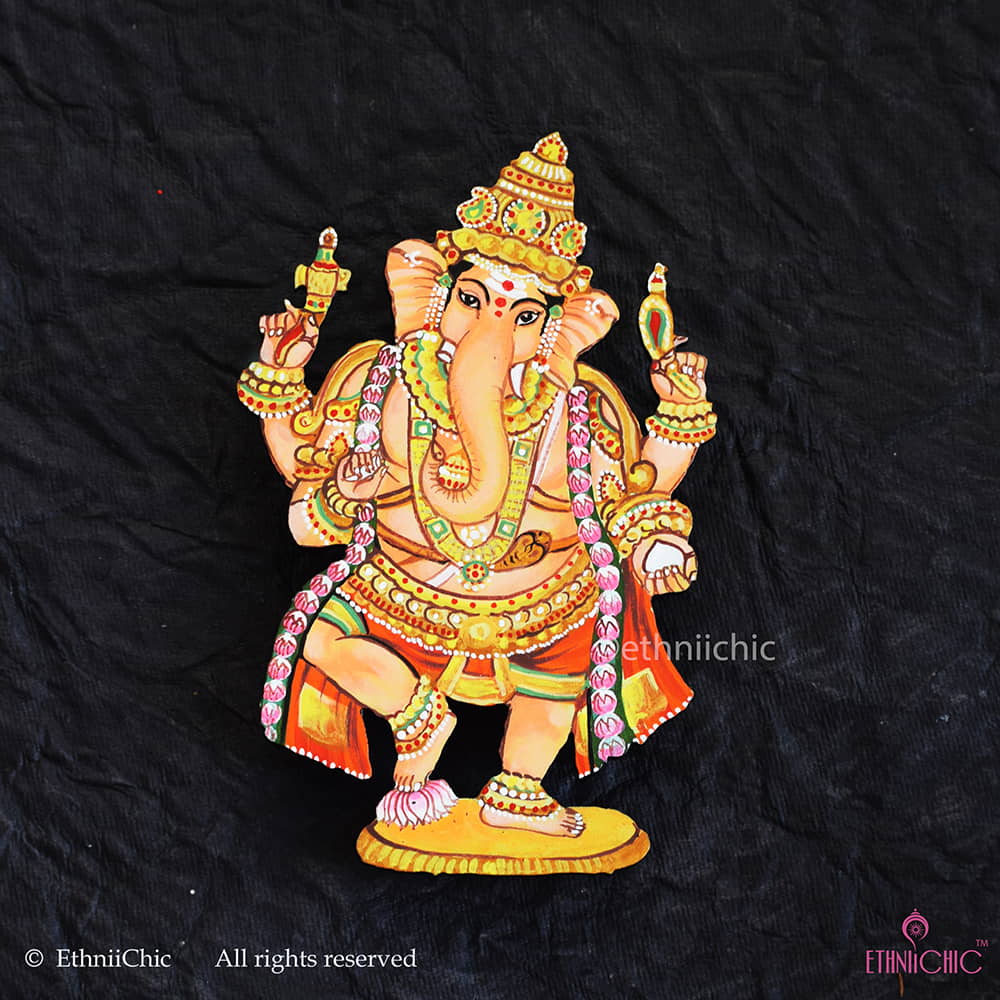
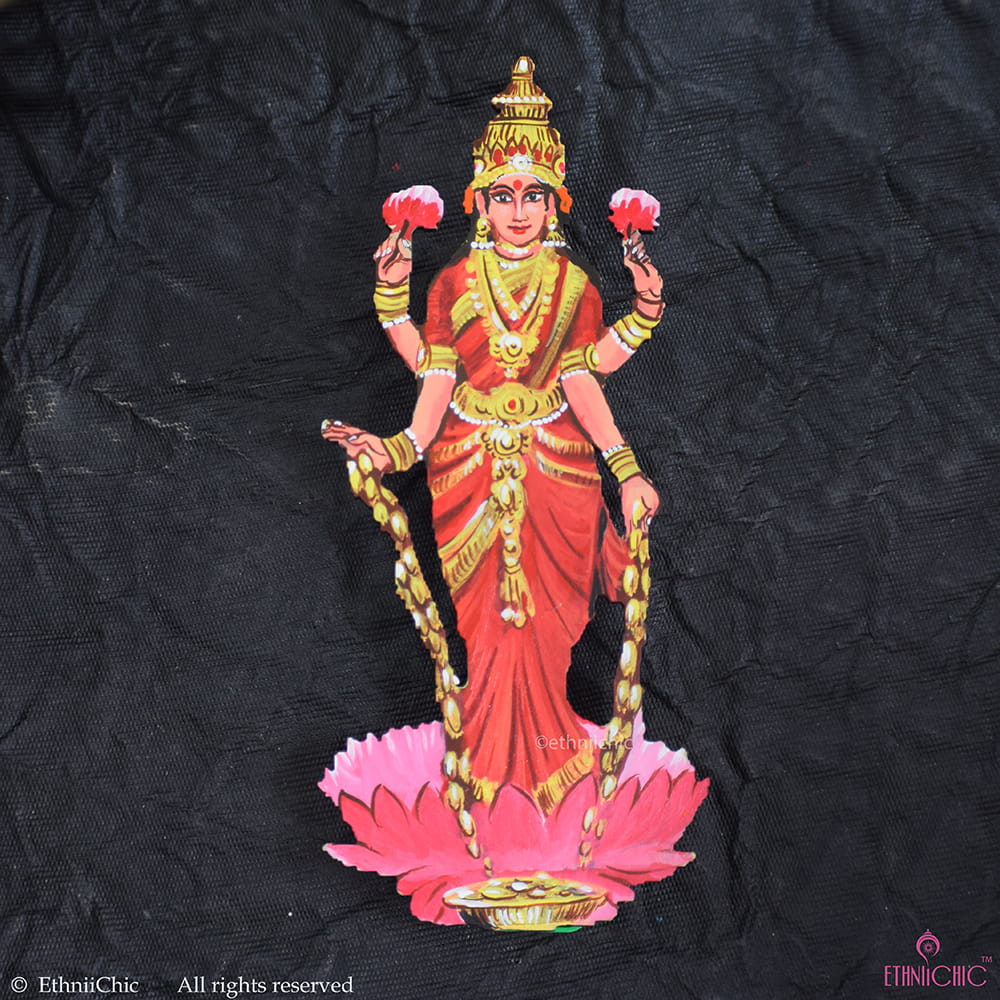
The collection spans the width of the Indian devotional pantheon. Ganesha appears in multiple forms — dancing, lotus-seated, and in the opulent tradition of Tanjore painting with its characteristic rich palette. Lakshmi is represented both in her standing form as Sthalakshmi and in her Gajalakshmi aspect flanked by elephants. Hanuman appears as the five-faced Panchamukhi form and the rare eleven-faced Ekadashmukhi form, each believed in folk tradition to hold a distinct protective power. The Ram family is present both as the two-figure Shri Ram-Hanuman composition and as the full Ram Darbar court — Ram, Sita, Lakshman, and Hanuman together.

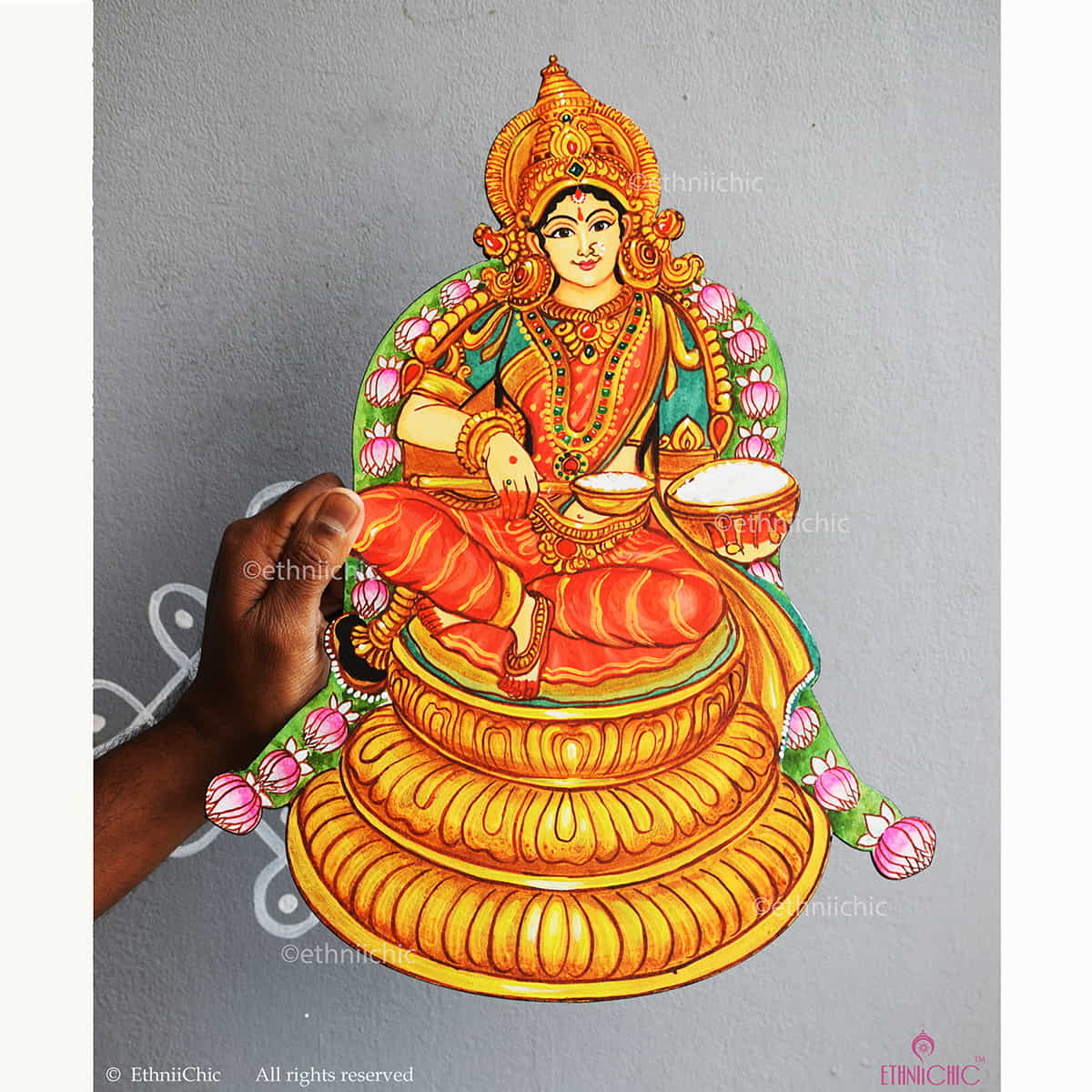
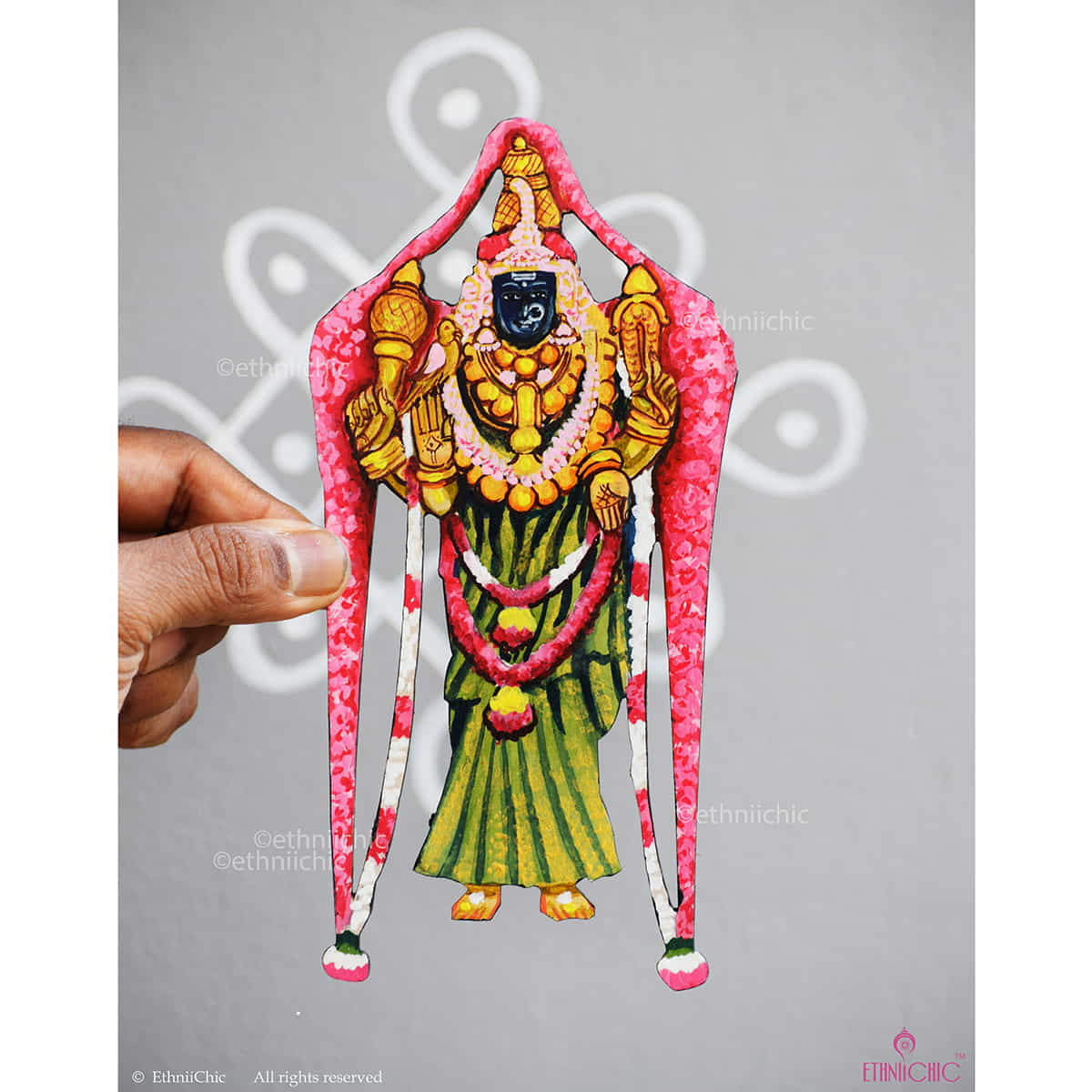
South Indian goddess traditions are particularly well represented: Devi Meenakshi of Madurai, Goddess Annapoorna in two sizes, Kanchi Kamakshi and Bala Tripura Sundari as a dual-deity piece, Vadivudai Amman of the Tamil Nadu tradition, and Goddess Yellamma, the Karnataka folk deity. The Shiva-Parvati couple and the tender Yashoda-Krishna mother-child scene round out the collection. One piece stands apart from the devotional register entirely: the Gandharva with Garland, a celestial musician from Indian mythology — a beautiful option for those who want the visual vocabulary of Indian art without an explicitly religious subject.

Three Ways to Display a Wooden Cut Out

The defining characteristic of this product type is its display versatility, which is genuinely unusual. Each EthniiChic cut out can be used in three distinct ways without modification.

As a wall piece with a magnet backing, the cut out becomes a light, repositionable wall or surface accent — useful on fridges, metal surfaces, or magnetic boards, and easy to move as your décor evolves. Set into a frame, it becomes a framed artwork, where the shaped silhouette floating inside a frame creates visual depth that a flat print cannot. And placed on a stand, it becomes a table-top or shelf sculpture — equally at home on a pooja shelf, a console table, or a study desk. This three-way function makes it one of the few products in EthniiChic's range that genuinely adapts to the buyer rather than requiring the buyer to adapt to it.

Where to Place Your Cut Out: Styling Ideas for Indian and NRI Homes

The pooja room or mandir corner is the most natural home for the deity-motif cut outs, and the light weight of the MDF form makes placing and adjusting them on pooja shelves or in niche alcoves straightforward. The entryway — a door, a console table in the foyer, or a wall above the threshold — is the traditional placement for Ganesha, Lakshmi, and Hanuman in Indian homes, and the cut outs work well here as a welcome that is more personal than a mass-produced idol and more flexible than a fixed mural. As a gallery wall element, a grouping of two or three cut outs against a textured or painted wall creates a devotional vignette with a curatorial feel rather than a shrine aesthetic — a distinction that matters in modern apartments where the lines between sacred and living space are more fluid. For NRI homes abroad, these cut outs travel well due to their light weight and non-fragile MDF construction, and a Yashoda-Krishna or Ram Darbar piece in a home far from India carries an emotional weight that a decorative purchase rarely does.

Hand-Painted Variation: The Maker's Mark, Not a Defect

When you order a hand-painted cut out, you will notice that your piece may differ slightly in colour saturation, brushstroke width, or the exact rendering of a detail from the product photograph. This is not inconsistency — it is the natural result of human hands doing work that no machine is replicating. The same deity painted twice on the same day will carry the energy and the small distinctions of two separate moments of craft. At EthniiChic, this variation is the point: you are acquiring a one-off object, not a unit from a production run. The iconography is consistent; the hand is unmistakably present.

Care Instructions for Your Wooden Cut Out

Wipe the surface gently with a clean, dry soft cloth when needed. Avoid wet cloths or liquid cleaners directly on the painted surface, as these can affect the sealant and the paint over time. Prolonged exposure to direct sunlight is not recommended — a shaded wall or shelf away from a south-facing window will keep the colours vivid for longer. The MDF substrate is not suitable for outdoor display or damp environments such as bathrooms.

Frequently Asked Questions (FAQs)

Q1: What is a hand-painted wooden cut out?

A hand-painted wooden cut out is a shaped wooden silhouette — typically depicting a deity, couple, or mythological figure — cut from medium density engineered wood (MDF), sealed with a clear coat finish, and painted by hand with traditional Indian imagery. Unlike a framed print, the cut out has a defined physical silhouette with no background, giving it the presence of a three-dimensional object while remaining flat and lightweight. EthniiChic's cut outs are painted individually by hand, meaning each piece carries the natural variation of handcraft rather than the uniformity of mass production.

Q2: Which deity motifs are available in the EthniiChic cut outs collection?

The collection includes Ganesha in multiple forms (dancing, lotus-seated, and Tanjore-style), Lakshmi (standing and Gajalakshmi with elephants), Hanuman as Panchamukhi (five-faced) and Ekadashmukhi (eleven-faced), Shri Ram with Hanuman, the full Ram Darbar court, Goddess Annapoorna, Devi Meenakshi, Kanchi Kamakshi and Bala Tripura Sundari, Vadivudai Amman, Goddess Yellamma, Shiva-Parvati, Yashoda-Krishna, and a Gandharva with garland. The range spans South Indian, North Indian, and regional folk traditions.

Q3: How can I display a wooden cut out in my home?

EthniiChic wooden cut outs can be displayed in three ways: as a wall or surface accent using a magnet backing, set inside a frame as framed artwork where the shaped silhouette creates visual depth, or placed upright on a stand as a table-top or shelf sculpture. This versatility makes the cut out suitable for pooja shelves, entryway consoles, gallery walls, and study desks without any modification to the piece itself.

Q4: What material are EthniiChic wooden cut outs made from?

EthniiChic cut outs are made from medium density engineered wood (MDF), finished with a clear coat sealant and painted by hand. MDF is lightweight, smooth-surfaced, and takes paint well — making it suitable for the fine linework and colour detail that traditional Indian deity iconography requires. The sealant provides a protective layer over the hand-painted surface.

Q5: Are the cut outs suitable for a pooja room or mandir corner?

Yes. The deity-motif cut outs in this collection — including Ganesha, Lakshmi, Hanuman, Ram Darbar, the Devi forms, and Yashoda-Krishna — are commonly placed in pooja rooms, mandir corners, and on pooja shelves. Their lightweight MDF construction makes them easy to position and reposition on shelving, and their hand-painted finish gives them the visual quality of a devotional object rather than a decorative print.

Q6: What is Tanjore painting style and how is it used in these cut outs?

Tanjore painting is a classical South Indian art form originating in Thanjavur, Tamil Nadu, known for its rich colour palette, surface ornamentation, and the use of gold leaf or gold foil to create an embossed, luminous effect on deity figures. In the EthniiChic cut outs collection, the Tanjore style is applied to Ganesha and the Krishna-Rukmini motif, translating the visual richness of this traditional panel art form onto a shaped MDF silhouette.

Q7: How do I care for a hand-painted wooden cut out?

Wipe the surface with a clean, dry soft cloth when needed. Avoid wet cloths and liquid cleaners directly on the painted surface. Keep the cut out away from prolonged direct sunlight, which can fade the paint over time. MDF is not suitable for outdoor display or high-humidity environments such as bathrooms — a dry, shaded indoor space is recommended for best longevity.
Q8: Are wooden cut outs a good housewarming or Diwali gift?

Yes. Hand-painted deity cut outs are among the most intentional gifting choices for Indian housewarming occasions (griha pravesh), Diwali, and other festivals where deity imagery carries auspicious significance. A Ganesha, Lakshmi, or Ram Darbar cut out placed in a new home at its entrance or in its pooja room is a culturally grounded, practically useful gift with a strong visual impact. EthniiChic also offers bulk ordering and customisation for corporate gifting.

Q9: Will my cut out look exactly like the product photograph?

The motif, iconography, and overall composition will match the product image. Because each piece is hand-painted, there may be natural variation in colour saturation, brushstroke rendering, and fine linework compared to the photograph — this is the inherent character of handcraft rather than a defect. Hand-painted variation is considered a maker's mark in traditionally produced objects: it confirms that a human hand, not a machine, made your piece.

Q10: Can I order a custom cut out design not shown in the collection?

Yes. EthniiChic offers customised hand-painted work including bespoke cut out designs for specific deity forms, regional iconography, or personal commission briefs. Custom orders are handled via the Customised Work page or through direct inquiry at contactus@ethniichic.com or WhatsApp +91 99002 38882. Timelines for custom pieces are communicated at the time of inquiry.

Q11: Do you ship wooden cut outs internationally for NRI buyers?

Yes. EthniiChic ships internationally. The MDF cut outs are lightweight and non-fragile relative to cast or ceramic décor, making them practical for international shipping. International shipping costs are calculated on inquiry — contact the team at contactus@ethniichic.com or WhatsApp +91 99002 38882 for a quote. For NRI buyers seeking a piece of Indian heritage for their homes abroad, the cut outs are among the most travel-friendly products in the EthniiChic range.

Q12: How long does dispatch take for wooden cut outs?

In-stock cut outs are typically dispatched within 4 to 5 working days of payment. Custom or made-to-order pieces may take longer — timelines are confirmed at the time of ordering. EthniiChic packs each piece securely to ensure safe delivery.