Rajasthan

Rajasthan

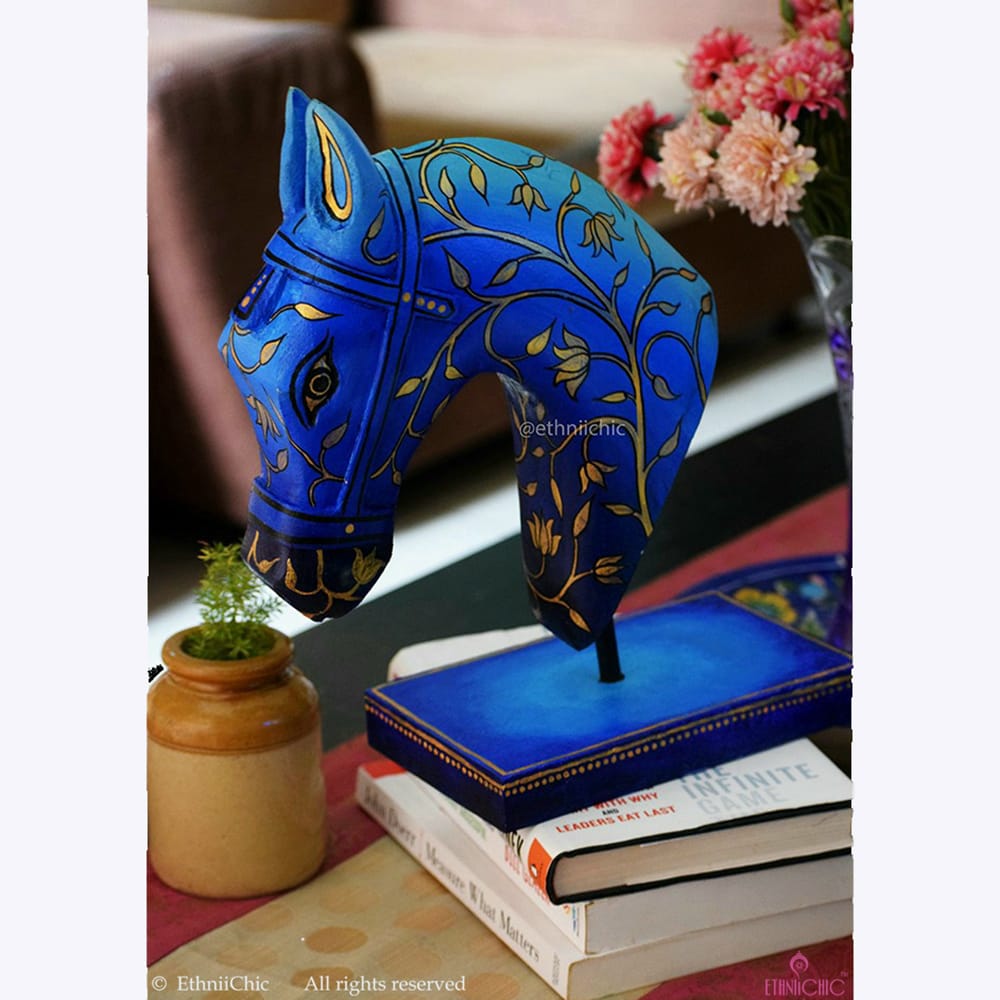
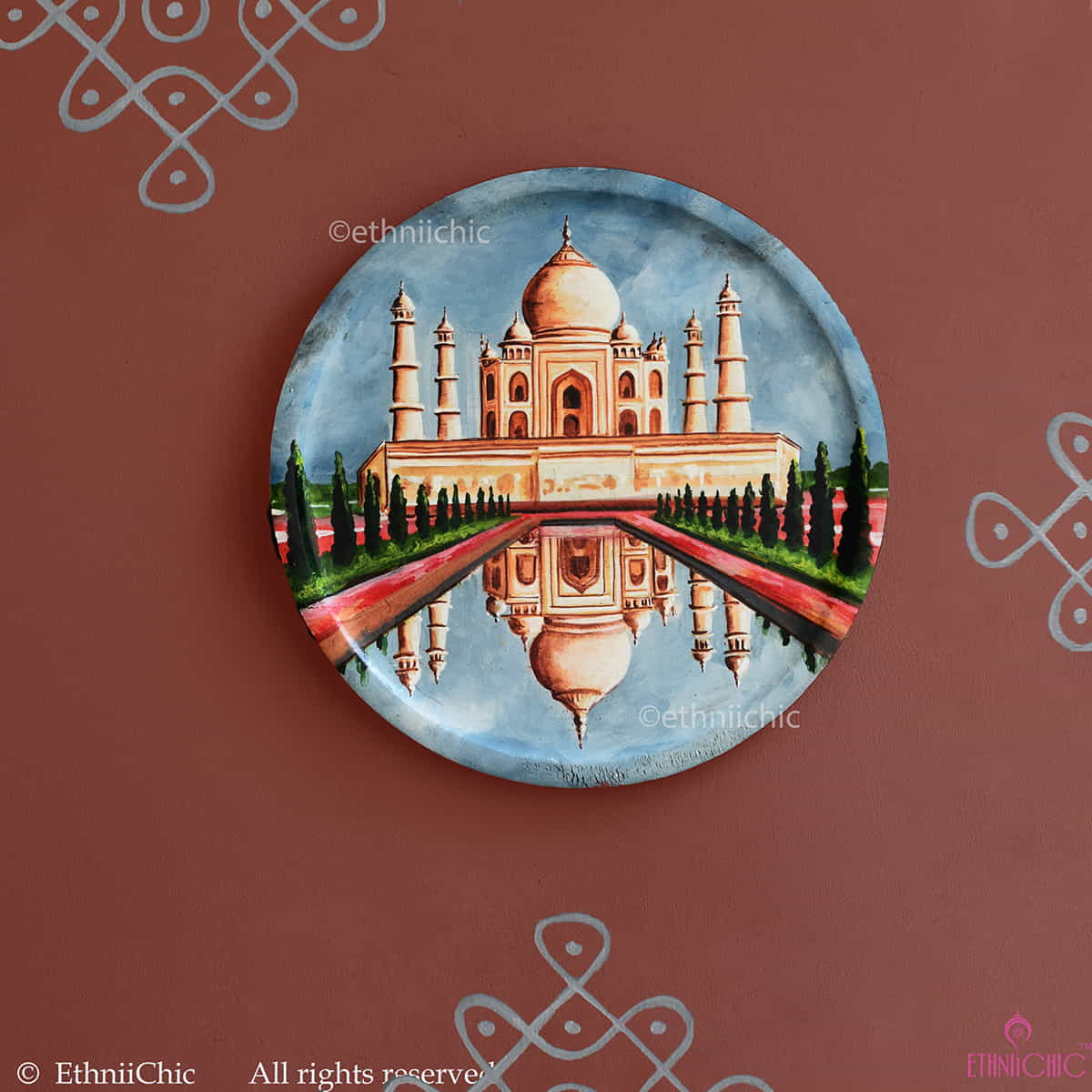
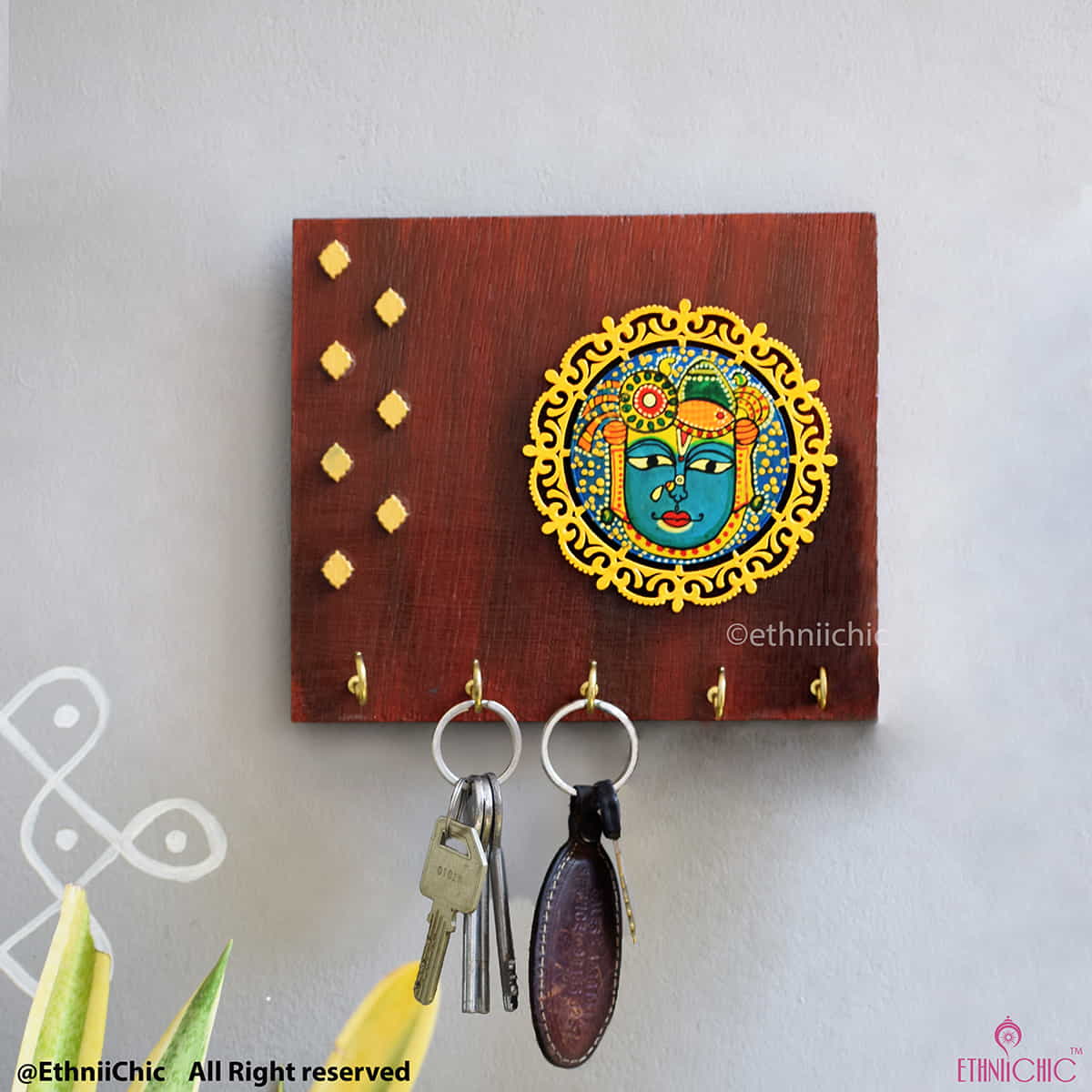
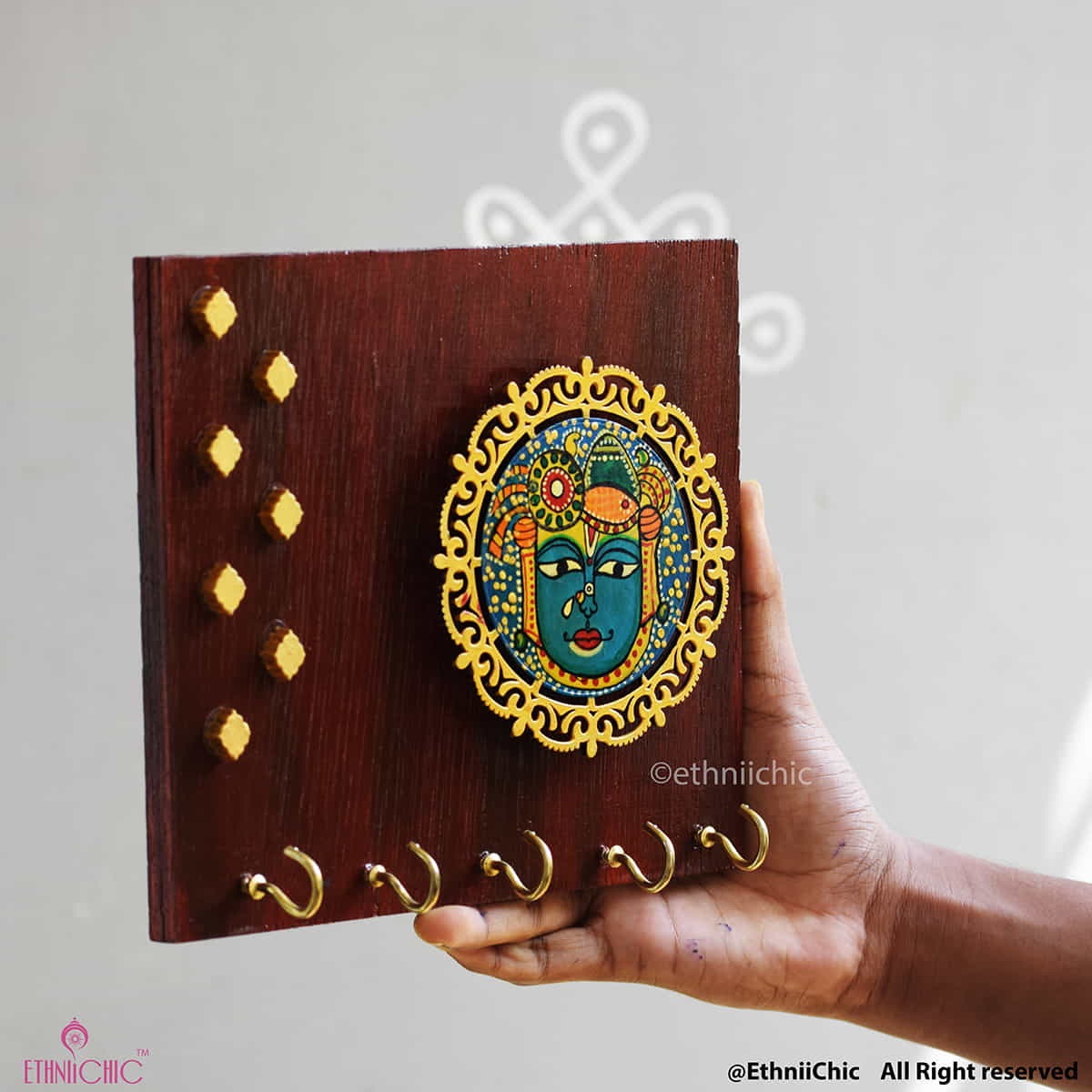
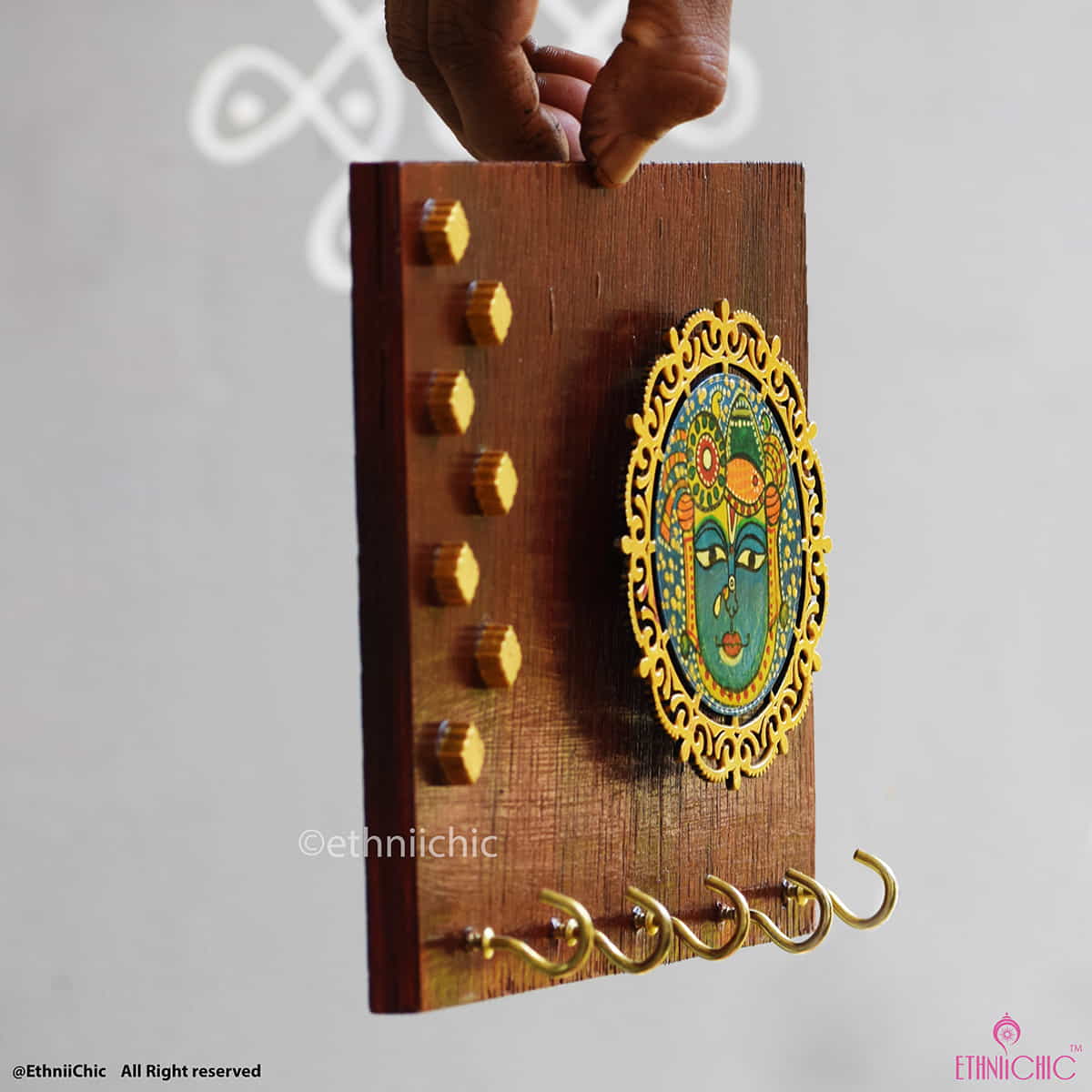
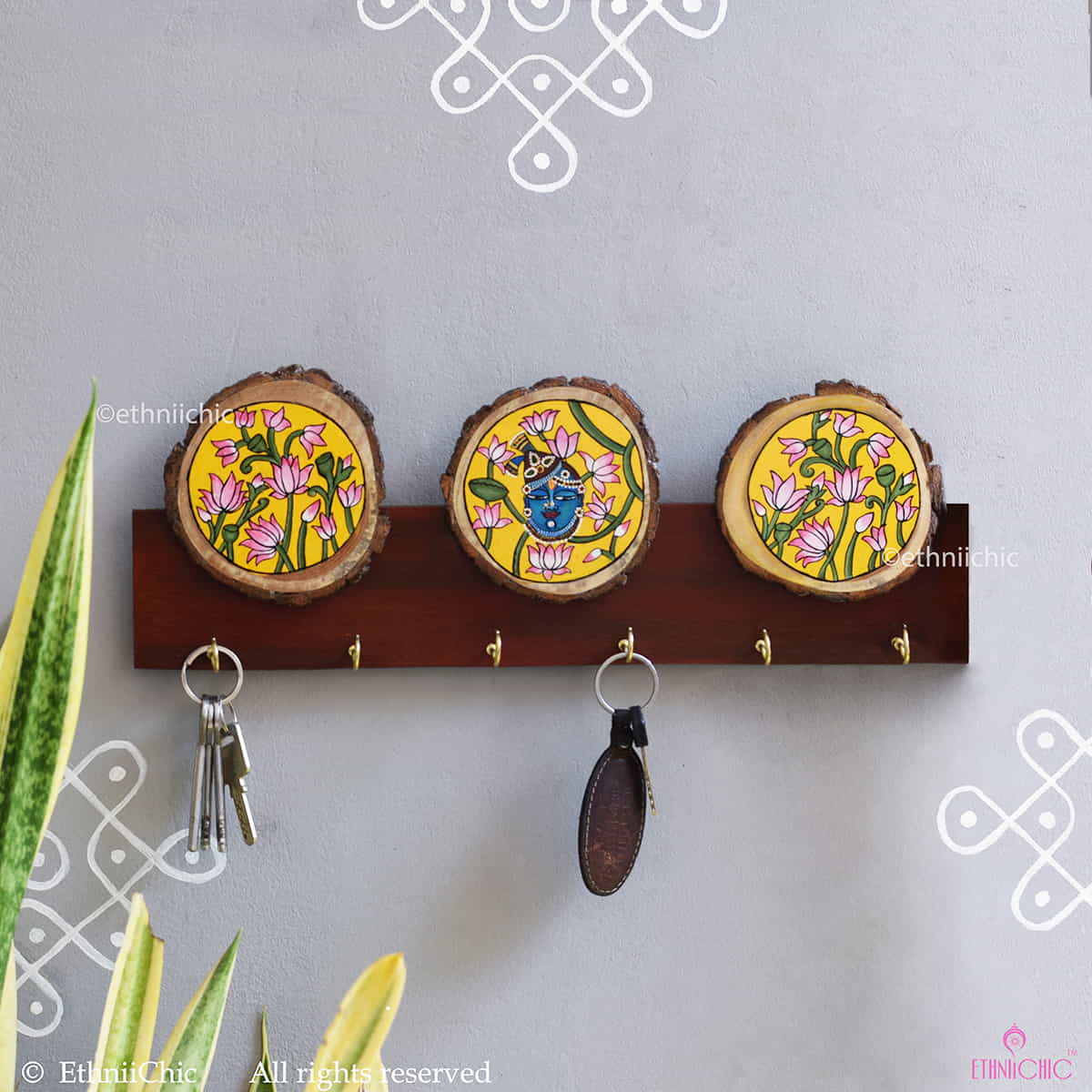
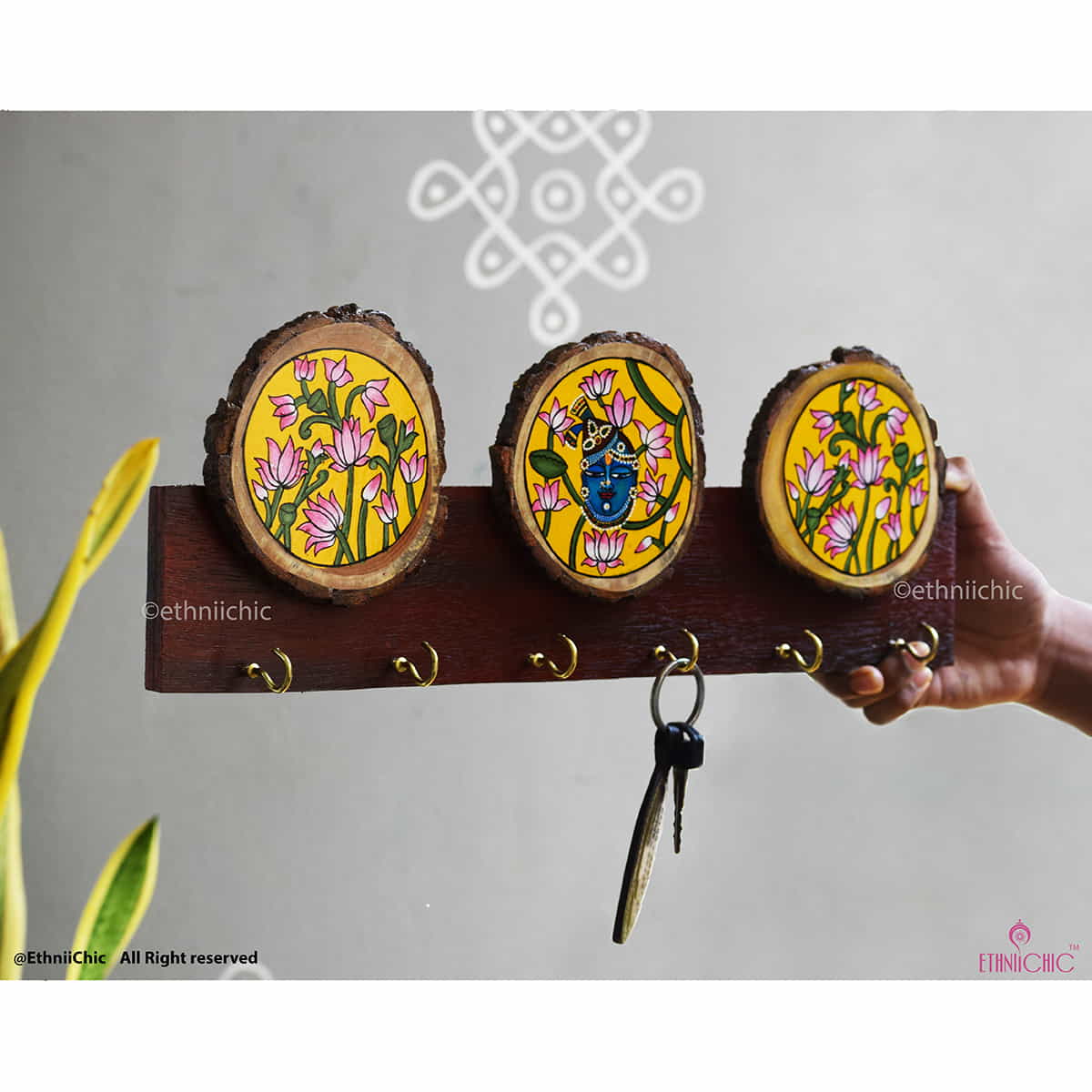
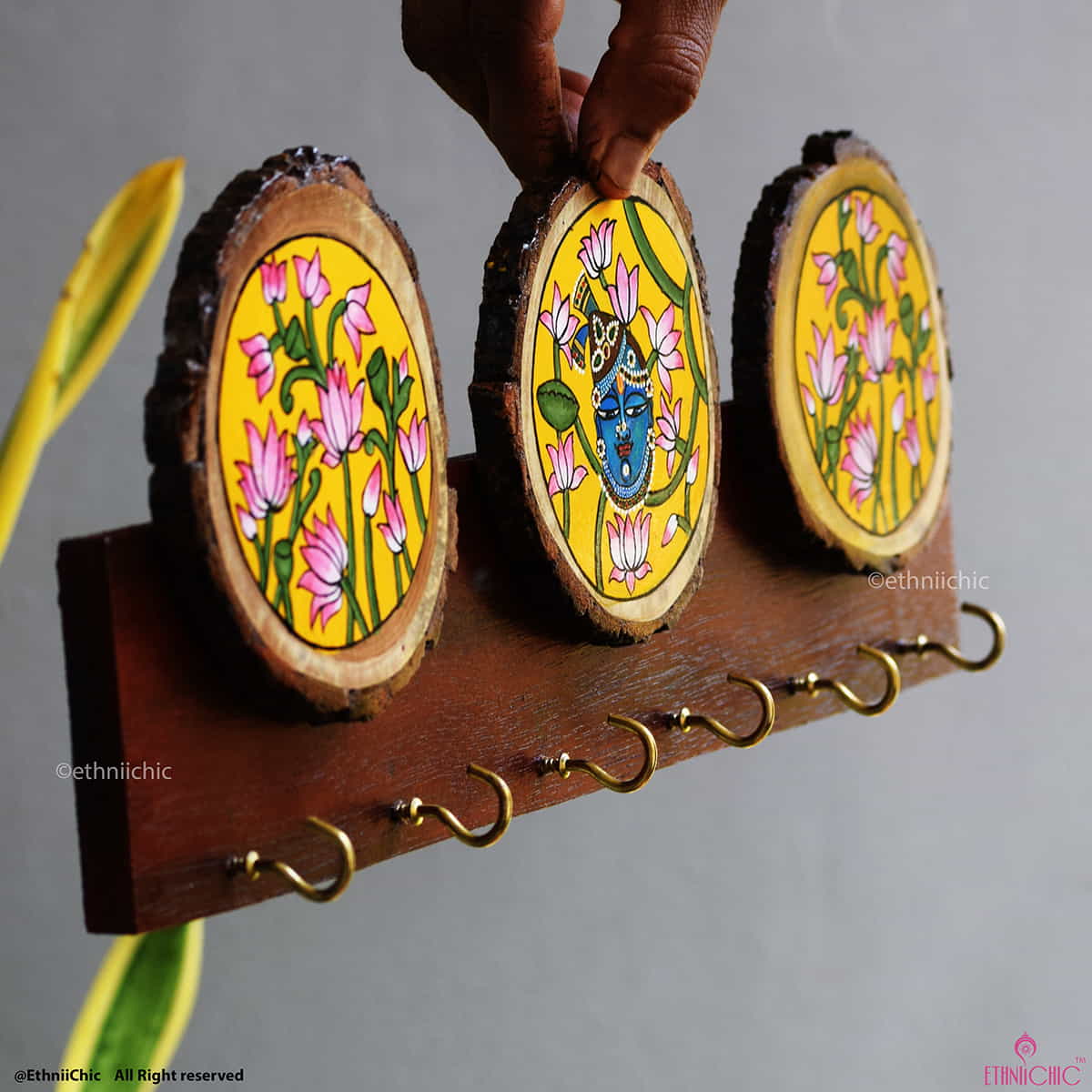
Shop hand-painted décor rooted in Rajasthan's craft traditions — Pichwai and Rajput miniature painting, alongside Phad, Kerala Mural, Tanjore and Tholu Bommalatha work. Pichwai pieces centre on Krishna and Sreenathji iconography: a key holder, a cow-motif serving tray and coasters, and Aranmula-style mirror frames. Rajput miniature painting shows in the Krishna-Radha and Raja-Rani Aranmula frame sets, while hand-painted wooden horse and horse-head sculptures — a recurring motif in Rajasthani decorative art — anchor the collection's statement pieces. Phad-style trays and a Taj Mahal wall plate round out the range.

Skip to results list
31 items
Column grid
Column grid

Filter

Popular Searches :

Read More

Rajasthan — Temple Backdrops, Scroll Epics, and Royal Portraiture

EthniiChic's Rajasthan collection draws on three distinct traditions from the state — Pichwai temple-backdrop painting, Phad narrative scroll art, and Rajput courtly miniature painting — shown across key holders, trays, wall frames, mirror frames, name boards, and wooden horse sculptures. Each tradition comes from a genuinely different context: one from temple ritual, one from travelling oral storytelling, and one from royal court patronage — which is why this collection reads more varied than a single-art-form regional page.

That variety is intentional and worth understanding rather than glossing over: a Pichwai piece and a Rajput miniature piece can look quite different from each other despite both being "Rajasthani," because they were never meant to serve the same purpose.
Pichwai — Temple Backdrop Painting from Nathdwara

Pichwai paintings are large devotional cloth works, traditionally hung as backdrops behind temple idols and changed according to the ritual calendar. The tradition dates to 1672 CE, when the Shrinathji Temple was founded in Nathdwara, Rajasthan — Shrinathji, a form of Krishna, remains the primary subject, though pieces also depict cows, lotus flowers, and seasonal festival themes associated with the deity's worship. Traditional Pichwai uses opaque watercolours with gold and silver detailing on cotton cloth. EthniiChic's Pichwai range translates that devotional visual language onto key holders, coasters, trays, and mirror frames.
Shop Key Holders → · Shop Trays →

Phad — Rajasthan's Travelling Scroll Epics

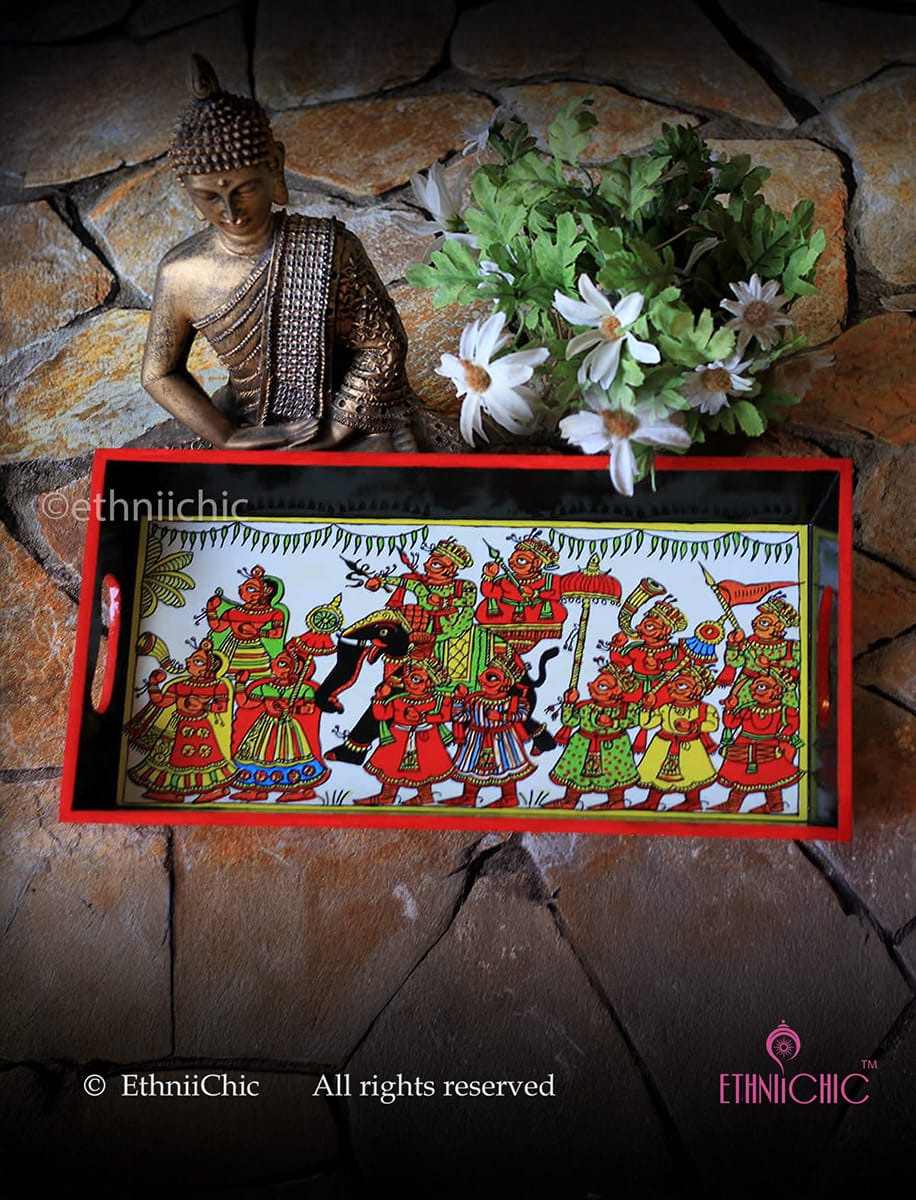
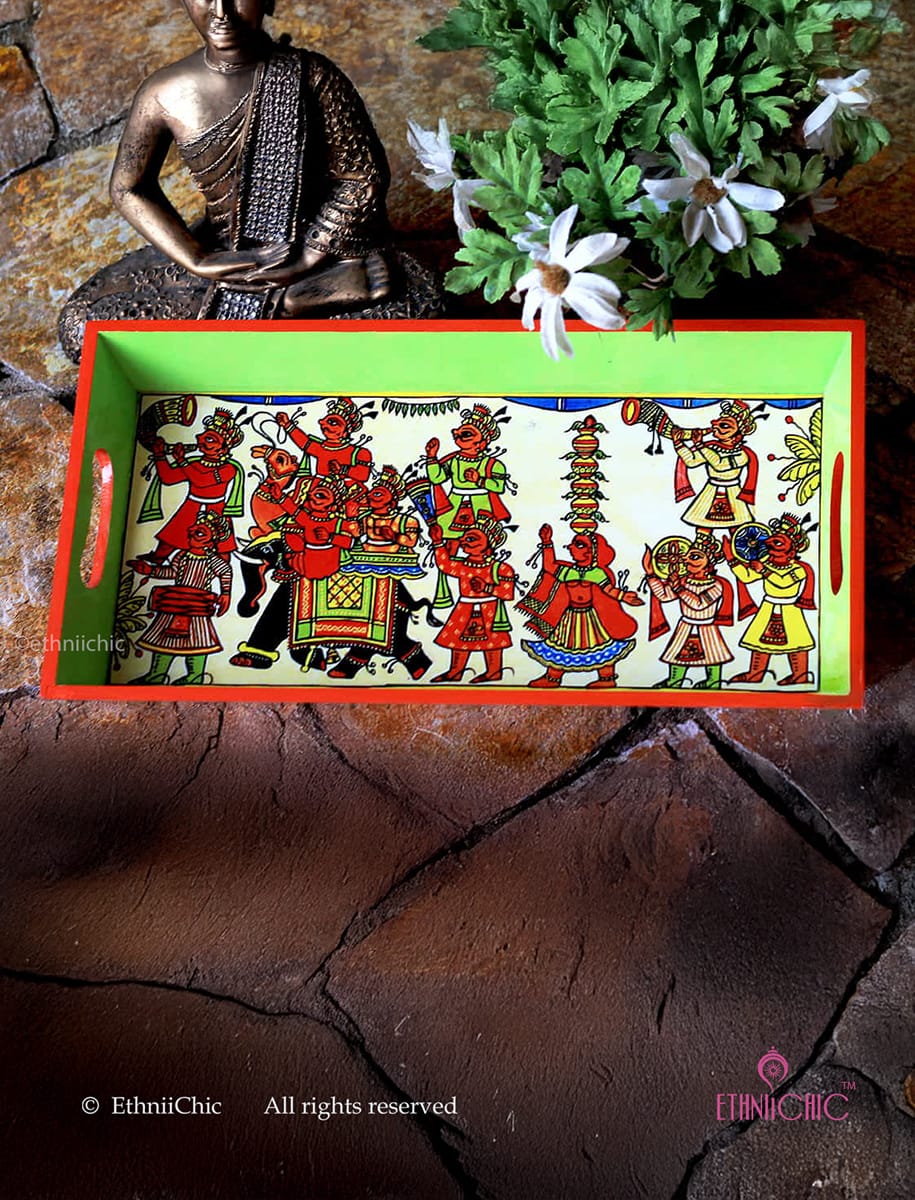
Phad painting is a narrative scroll tradition historically carried by Bhopa priest-singers, who used the painted scrolls as portable temples while performing sung narrations of local folk deity epics — chiefly Pabuji and Devnarayan — for the Rebari pastoral community. Traditional scrolls were painted with vegetable colours and could run 15 to 30 feet long depending on the epic being told. EthniiChic's Phad pieces bring that same bold, narrative visual style onto trays, coasters, wall plates, and name boards.
Shop Trays → · Shop Name Boards →

Rajput Painting — Royal Court Portraiture

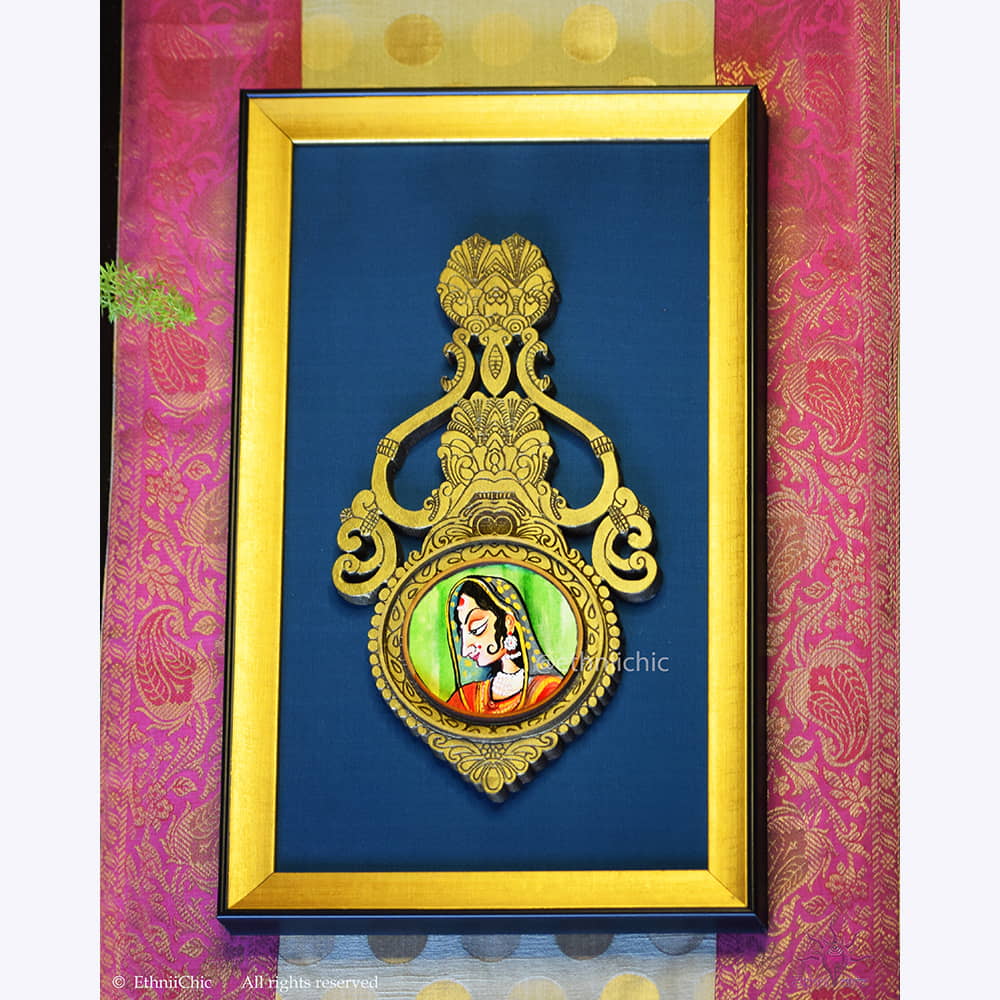
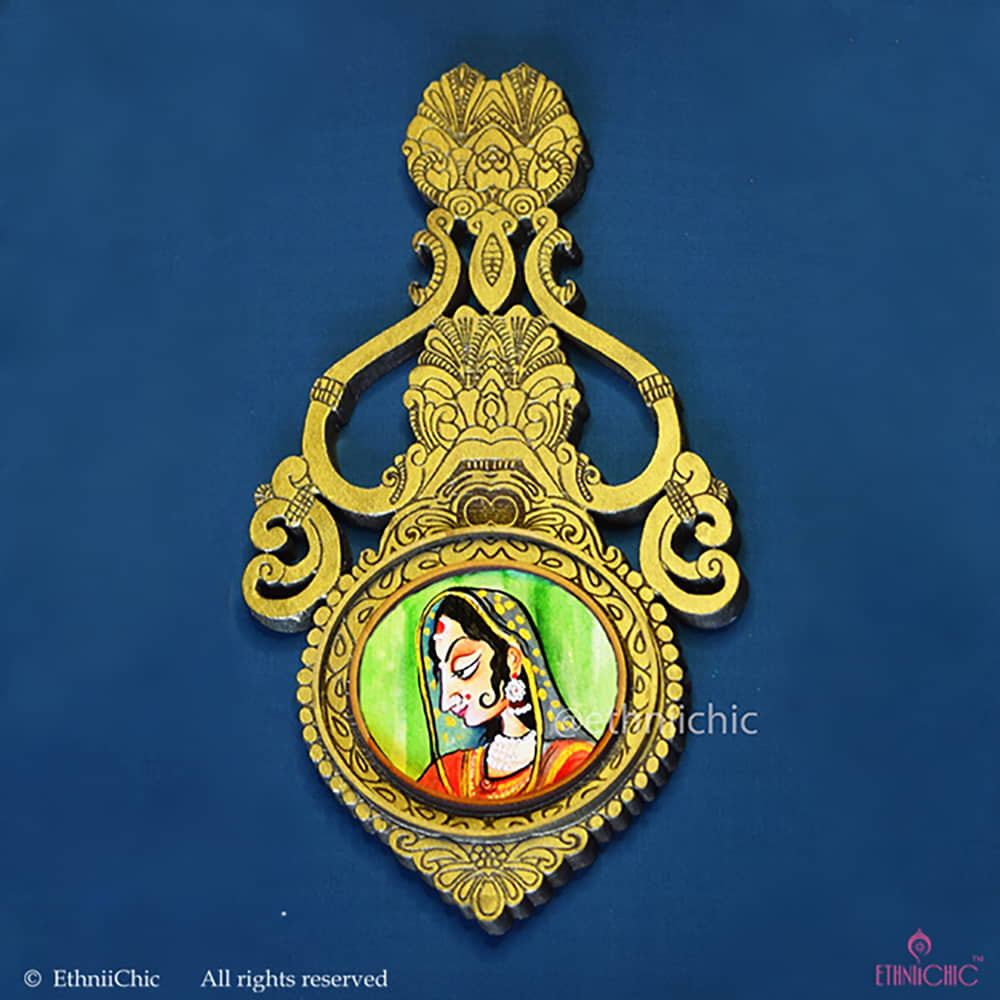
Rajput (Rajasthani miniature) painting flourished under royal patronage across several court schools — Kishangarh, Mewar, Marwar, and Bundi among them — known for fine detail, rich colour, and courtly and romantic subject matter. Its most famous single work is Bani Thani, painted around 1750 at the Kishangarh court, portraying the raja's companion Bani Thani in the likeness of Radha alongside Krishna — a portrait now nicknamed "the Indian Mona Lisa." Several EthniiChic pieces reference this tradition directly, including a Bani Thani wall frame and Raja Rani frame sets, alongside cut-outs, wall plates, and mirror frame sets in the same courtly style.
Shop Wall Frames → · Shop Wall Plates →

What Ties Rajasthan Together

Despite coming from three different original contexts — temple ritual, travelling storytelling, and royal court art — all three traditions share Rajasthan's characteristic richness of colour and fine detail work, and all three are represented here by artisans working within long-established visual conventions rather than free-form decorative painting. Rajasthan's collection is also home to some of EthniiChic's most recognisable single motifs — the wooden horse sculptures and Jharoka-style wall frames that, while not tied to one specific named tradition in the product data, carry the same courtly Rajasthani identity as the rest of the page.

Choosing Where to Start

If you want the most devotional, temple-rooted piece, start with Pichwai — the key holders and mirror frames are an accessible way into that tradition. If you're drawn to storytelling and folk narrative, Phad's trays and name boards carry that scroll-epic energy. If you want the most refined, romantic aesthetic, the Rajput miniature pieces — especially anything referencing Bani Thani or Raja Rani — are the clearest expression of that courtly tradition.

Rajasthan as a Gift

Rajasthan's visual language — rich colour, gold detailing, romantic and devotional themes — reads as distinctly celebratory, which makes this collection a strong fit for weddings, anniversaries, and housewarming gifts specifically. A Rajput Krishna-and-Radha mirror frame set in particular is a popular wedding gift choice for exactly that reason. Every collection ships internationally; write to contactus@ethniichic.com before ordering to confirm rates and delivery timelines for your country.

Frequently Asked Questions (FAQs)

1. What art forms does the Rajasthan collection include?
Three core traditions: Pichwai (temple backdrop painting from Nathdwara), Phad (narrative scroll art historically used by travelling Bhopa storytellers), and Rajput painting (royal court miniature portraiture). A few cross-region pieces from other traditions also appear alongside them.

2. What is Pichwai painting?
A devotional cloth painting tradition from Nathdwara, Rajasthan, dating to 1672 CE, traditionally hung as a temple backdrop behind the idol of Shrinathji, a form of Krishna. It typically depicts Shrinathji alongside cows, lotus, and festival themes.

3. What is Phad painting?
A Rajasthani narrative scroll tradition historically carried by Bhopa priest-singers as portable temples, used to perform sung narrations of the folk epics of Pabuji and Devnarayan for the Rebari community.

4. What is Rajput (Rajasthani miniature) painting?
A courtly painting tradition that flourished under royal patronage across schools including Kishangarh, Mewar, Marwar, and Bundi, known for fine detail and romantic or devotional court subjects — its most famous work is the Bani Thani portrait, painted around 1750.

5. Who or what is Bani Thani?
Bani Thani was a real historical figure — a singer and poet — whose likeness, painted around 1750 alongside Raja Sawant Singh in the guise of Radha and Krishna, became one of the most iconic images in Rajput painting, nicknamed "the Indian Mona Lisa."

6. Do Pichwai and Phad have GI (Geographical Indication) recognition?
I wasn't able to confirm formal GI status for either tradition — unlike Cheriyal, Kalamkari, Tanjore, or Madhubani, which do hold GI recognition. Worth a check if that detail matters to you specifically.

7. What kinds of products can I find in this collection?
Key holders, trays, coasters, wall frames, wall plates, mirror frame sets, name boards, and wooden horse sculptures — Rajasthan's three core traditions applied across both wall décor and everyday accessories.

8. What's the price range across this collection?
From around ₹745 for a spatula wall décor set to ₹4,570 for a large wooden horse sculpture, with most trays, coasters, and key holders in the ₹975–₹2,400 range.

9. Do you ship Rajasthan pieces internationally for NRI buyers?
Yes, across the full collection. Write to contactus@ethniichic.com before ordering to confirm shipping rates and delivery timelines for your country.

10. Can I order a custom or bulk piece in a Rajasthani art form?
Yes. Custom motifs and bulk or corporate gifting orders across Pichwai, Phad, or Rajput painting can be arranged through Commission Artwork or Contact Us.