Indian Handicrafts Online

Indian Handicrafts Online
Most places that call themselves Indian handicraft stores are aggregators - a little bit of everything, sourced from everywhere, made by no one you'll ever know the name of.

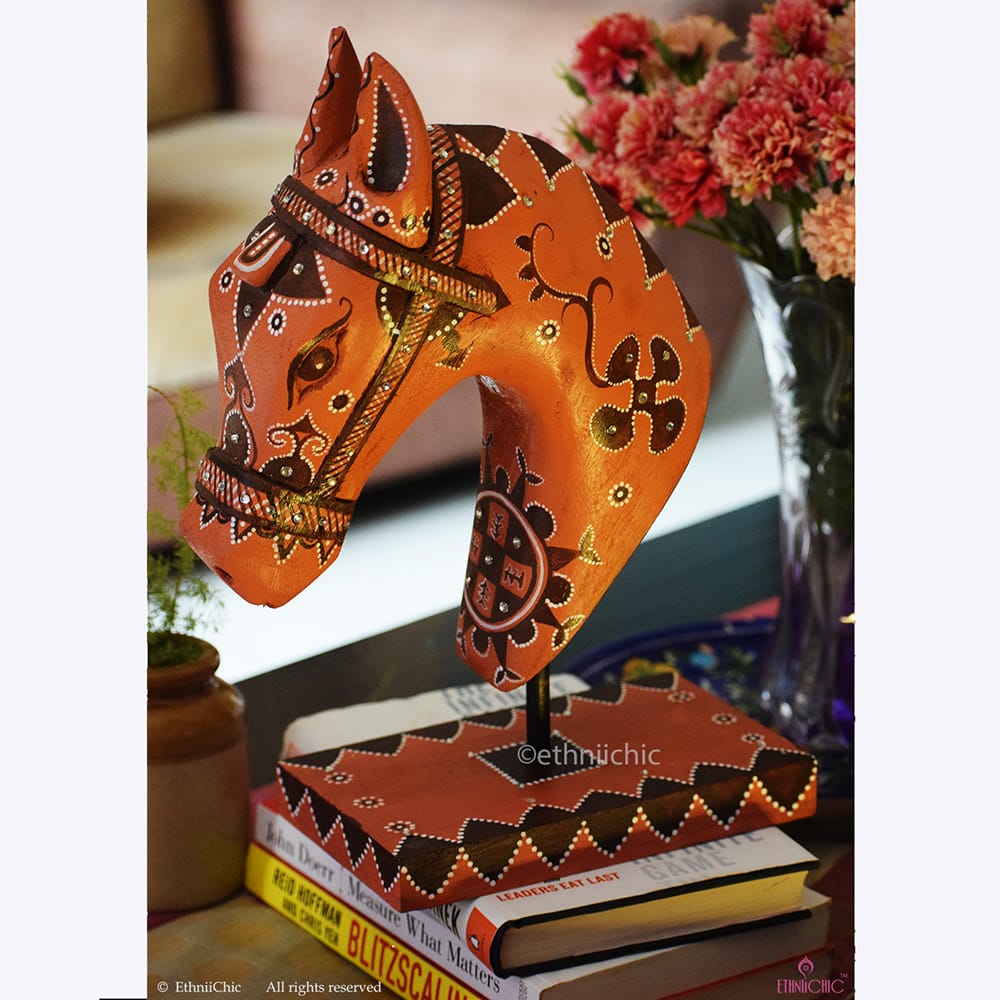
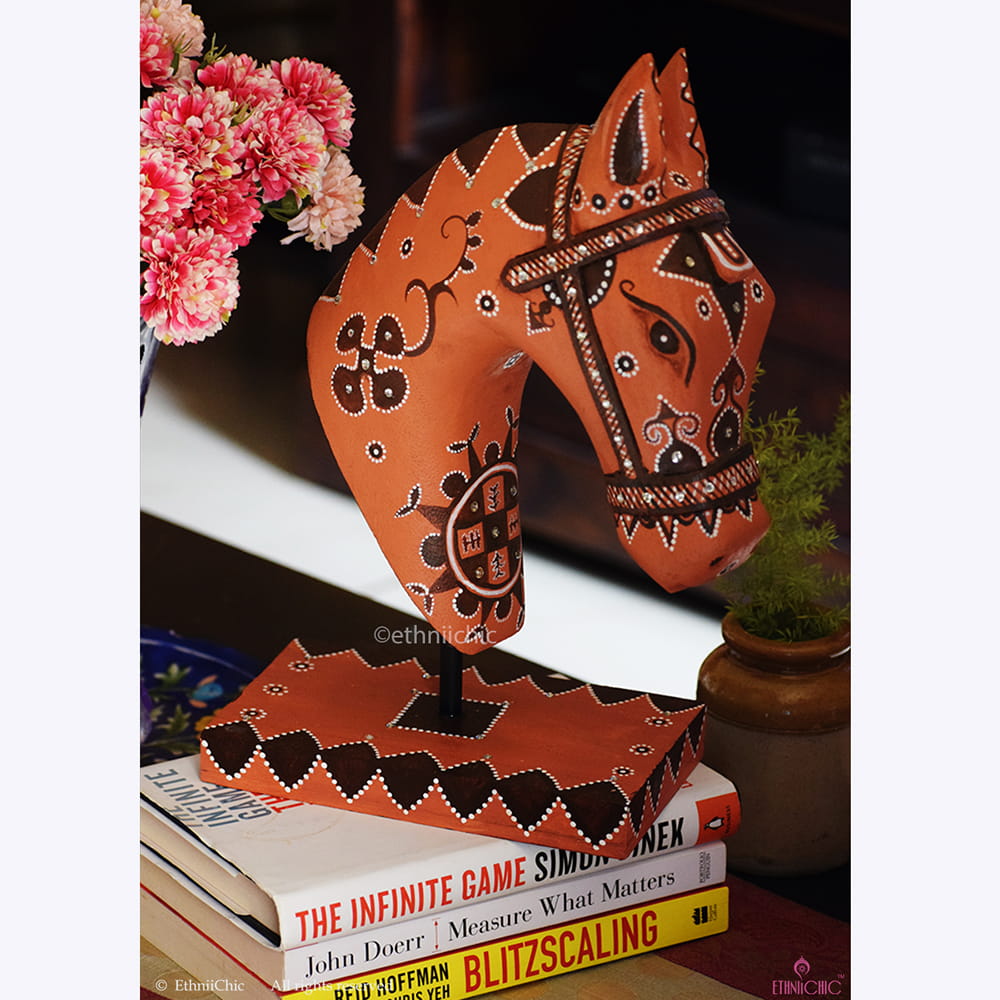
EthniiChic is the opposite of that. Every piece available here is hand-painted or hand-crafted by a specific group of artists - in our studio, by hands we know, using techniques rooted in identifiable Indian art traditions. These are not handicrafts in the generic sense. They are specific expressions of specific art forms, made with a level of care and cultural fidelity that mass production structurally cannot replicate. 

If you've been searching for Indian handicrafts online and finding the same undifferentiated products everywhere you look - this is where that search ends. Browse the full collection, or use the categories to find the art form, product type, or occasion that's brought you here.

Skip to results list
52 items
Column grid
Column grid

Filter

Popular Searches :

Read More

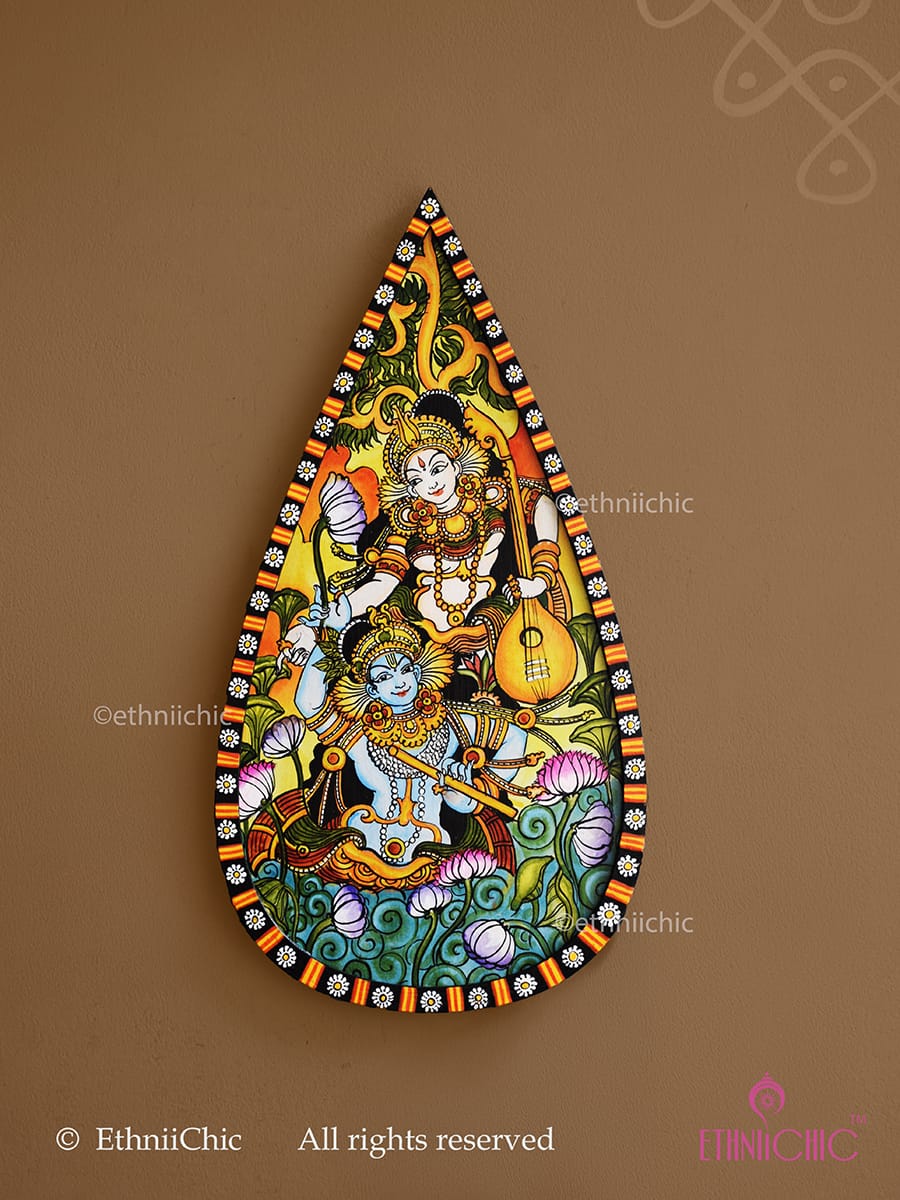
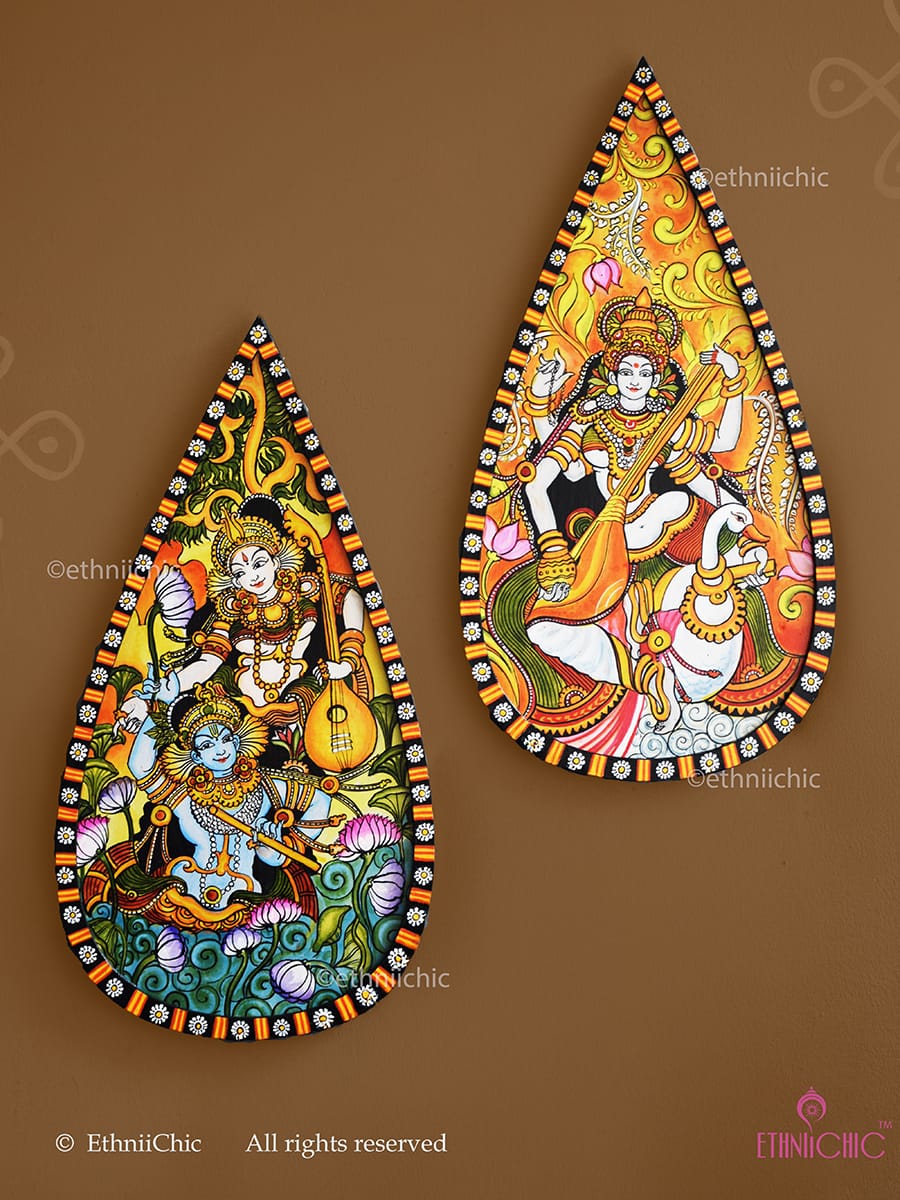
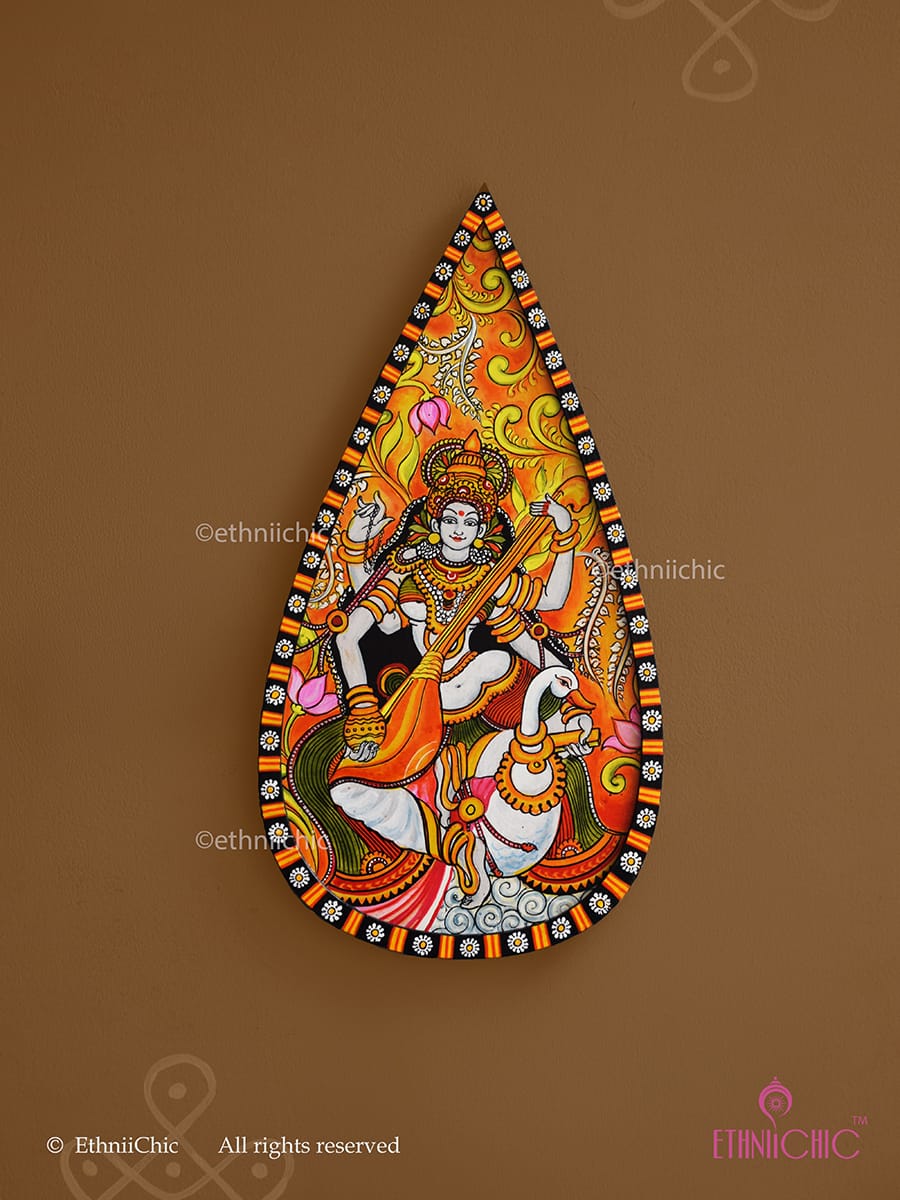
Most places that call themselves Indian handicraft stores are aggregators — a little bit of everything, sourced from everywhere, made by no one you'll ever know the name of. EthniiChic is the opposite of that. Every piece in this collection is hand-painted or hand-carved by our own studio artists, trained in specific regional traditions — Kerala Mural, Theyyam, and temple-carving art forms among them. Nothing here is dropshipped, white-labelled, or bought in bulk from a wholesaler and relisted. When you buy from EthniiChic, you know exactly whose hands made the piece, and exactly which tradition it comes from.

Temple Guardian Art — Keerthimukha, Gandharva, and Sacred Iconography

Several of the largest pieces in this collection carry real temple-architecture significance rather than decorative invention. The Keerthimukha Wall Frame references Kirtimukha, the "Face of Glory" — a guardian face placed above temple doorways across India, rooted in a legend where Shiva creates a ravenous being to punish the demon Jalandhara, only for the creature to consume its own body in total obedience, leaving just the face behind. It's placed at thresholds specifically to ward off harmful influences before they cross into sacred space. The Gandharva Wall Corbels — Gandharva and Gandharva with Garland — reference the Gandharvas, celestial musicians of Indra's heavenly court known in Hindu mythology for a musical tradition (Gandharva Veda) believed to carry spiritual as well as artistic power; carved corbel figures of Gandharvas are a genuine feature of South Indian temple architecture, particularly in Karnataka and Tamil Nadu. These aren't generic "ornate carving" pieces — each carries a specific mythological identity.
Shop Wall Décor →

Theyyam — The Collection's Dominant Tradition

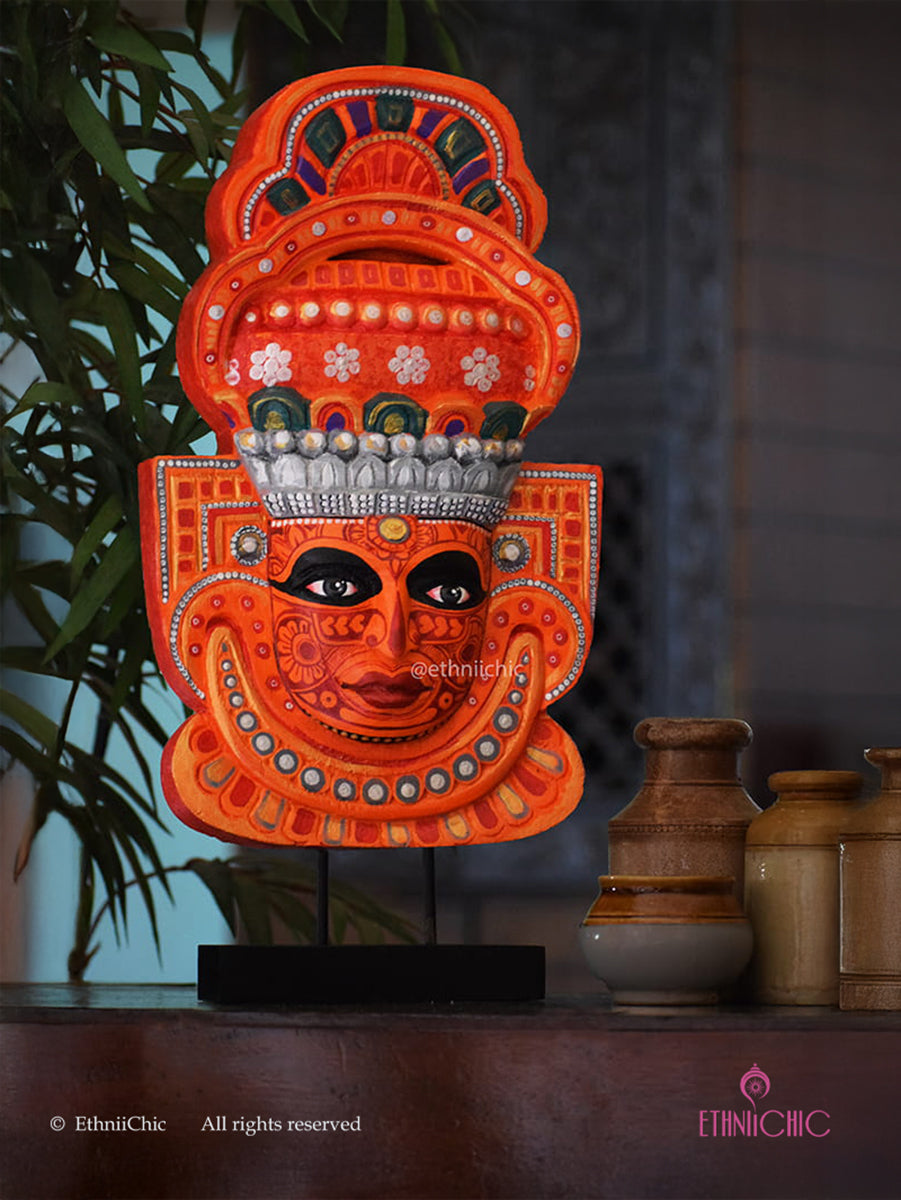
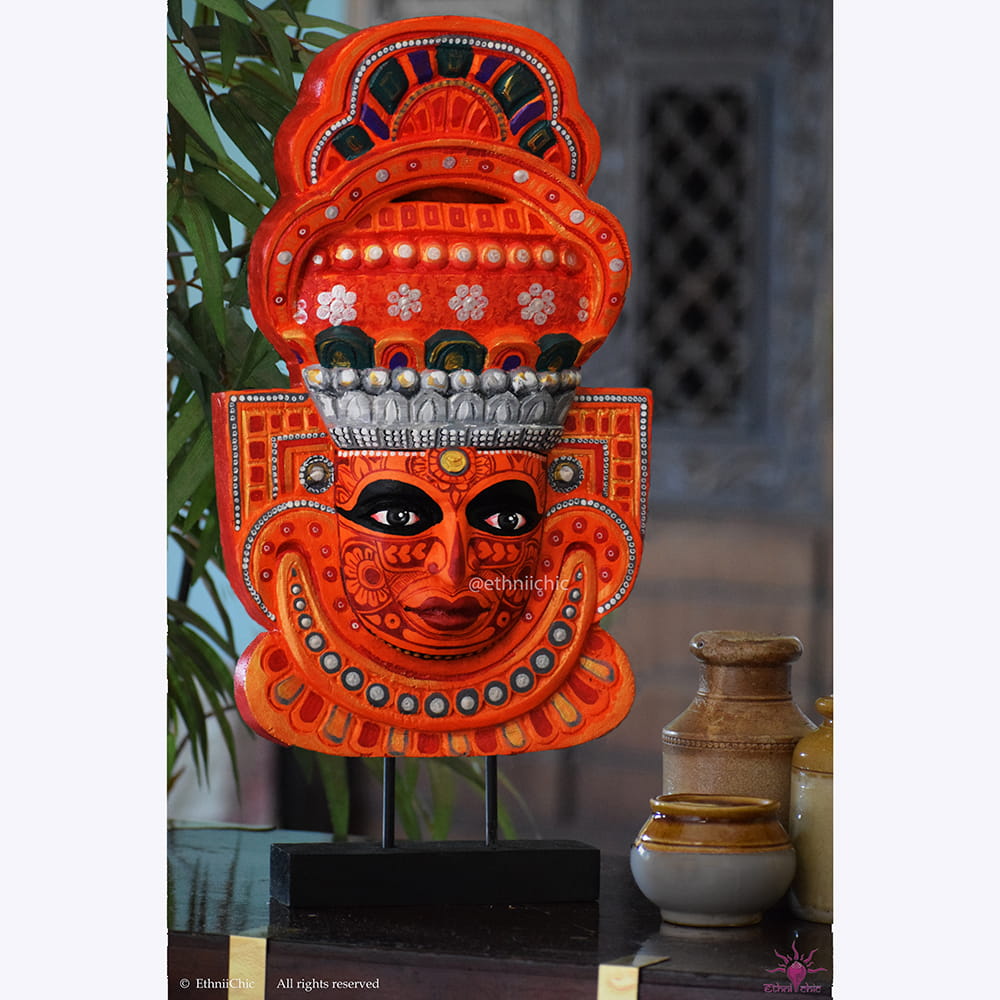
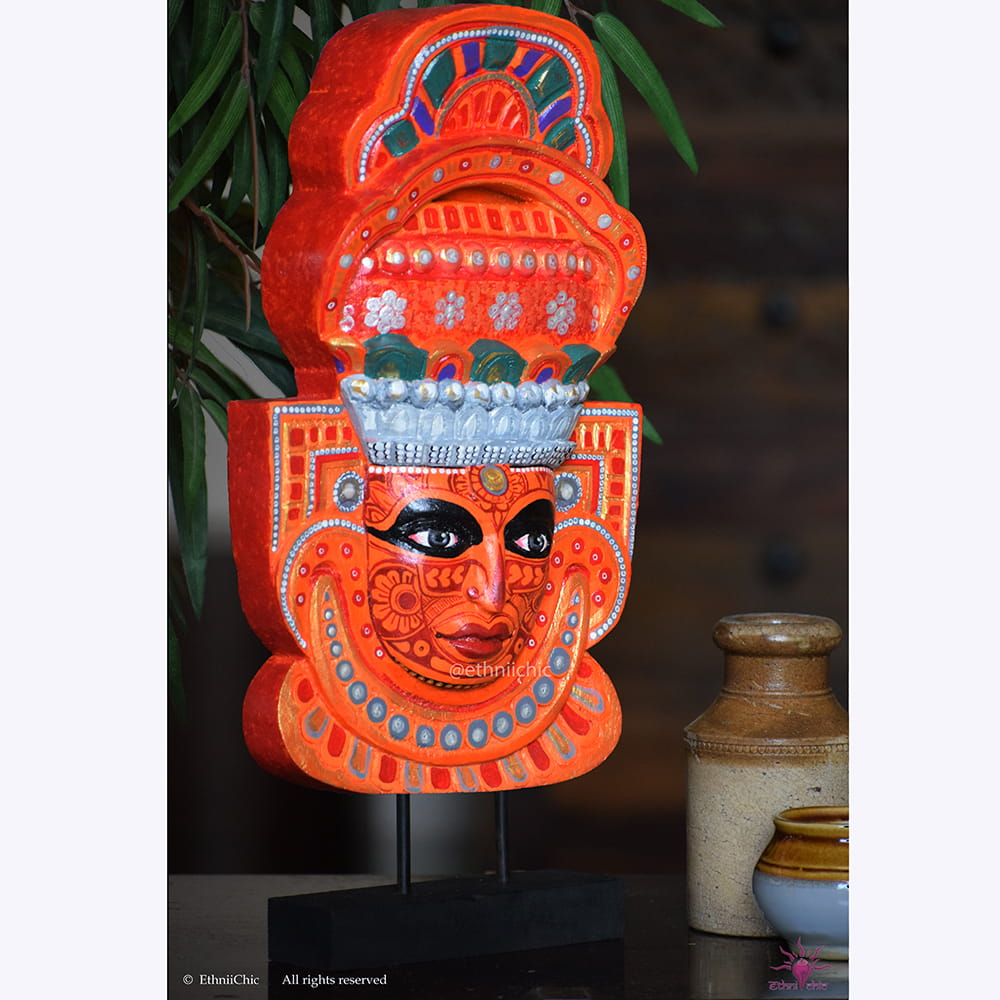
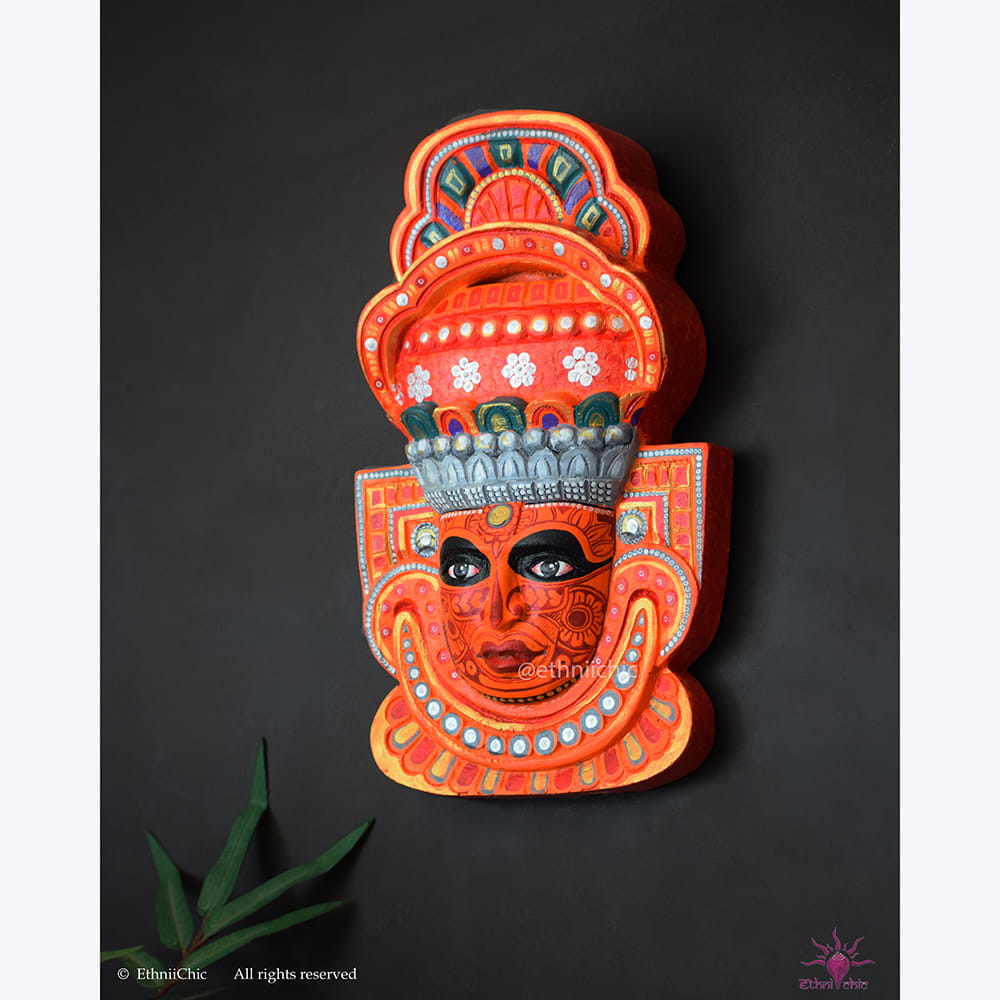
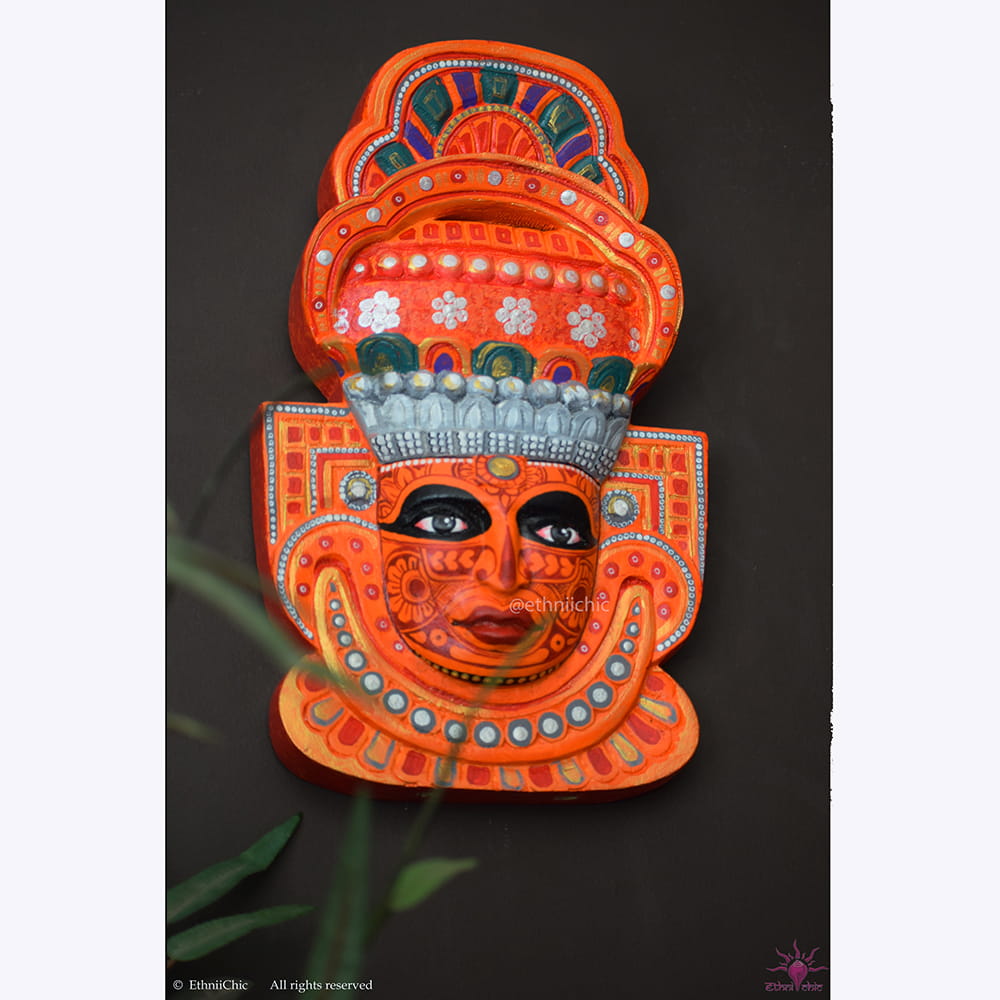
Theyyam, North Malabar Kerala's ritual worship performance art, runs through more pieces here than any other single tradition — heads, plaques, a mirror frame, and the named Muchilottu Bhagavathi sculpture. It's a living ritual practice, not a decorative invention: performers undergo extensive preparation before a sacred headdress marks them as a temporary vessel for a deity's presence. EthniiChic's Theyyam pieces translate that headdress and face-painting iconography into sculptural wall and table art.
Shop Theyyam Heads →

Named Deities, Not Generic Figures

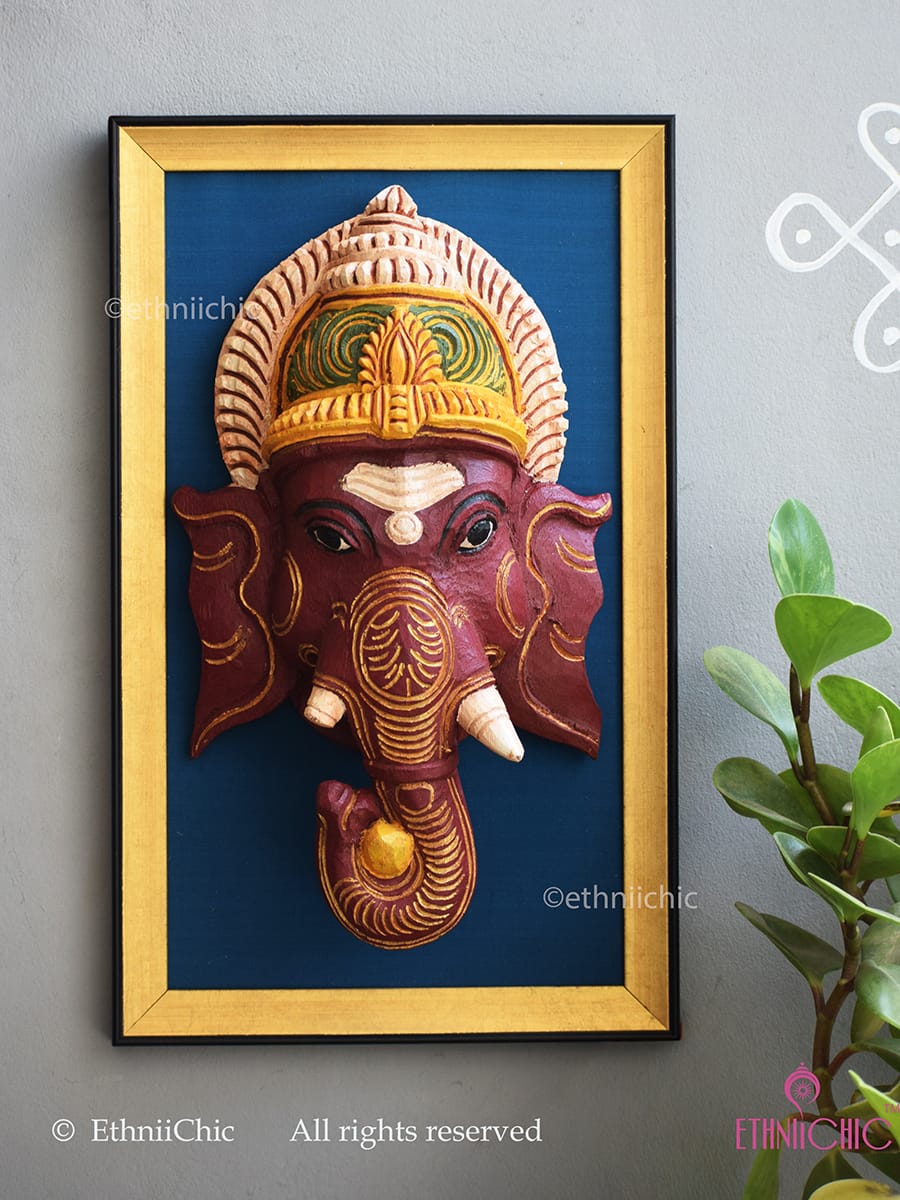
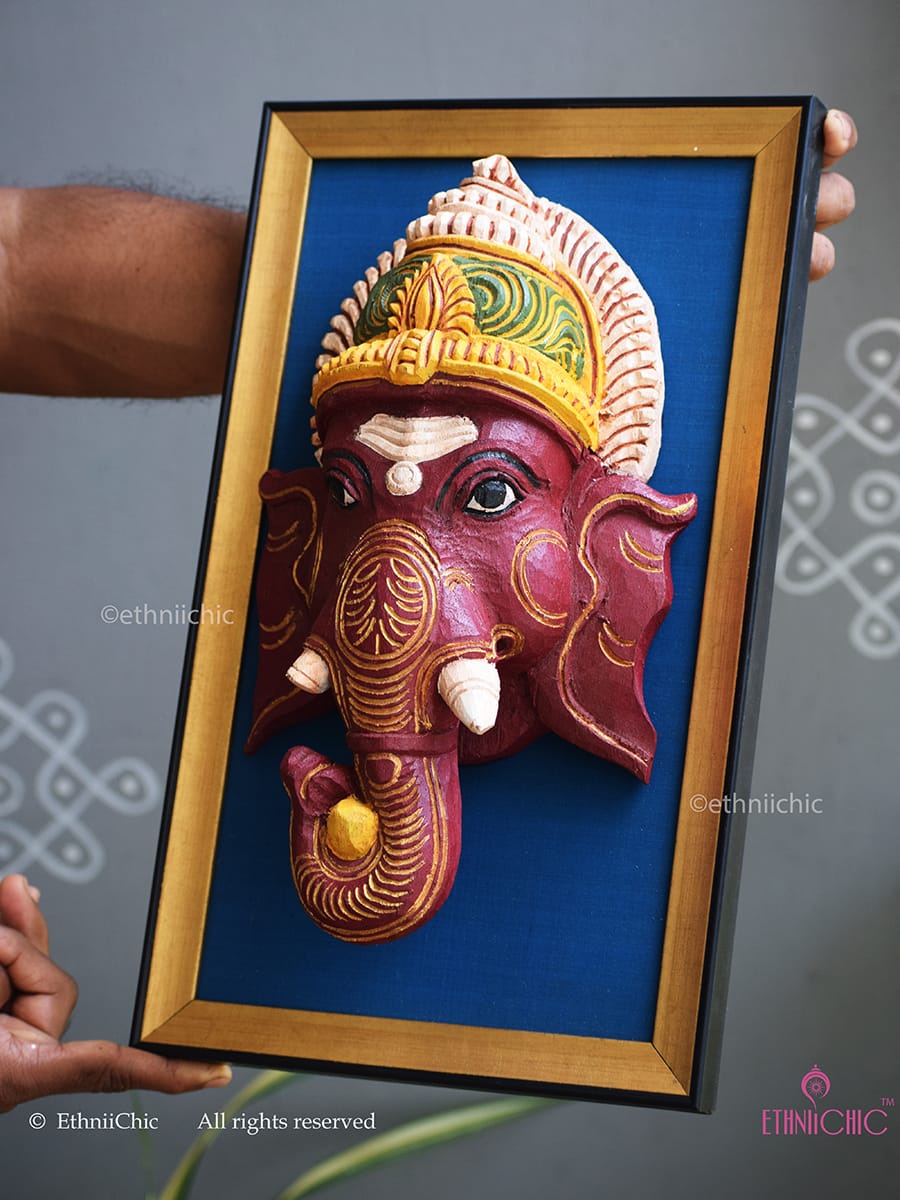
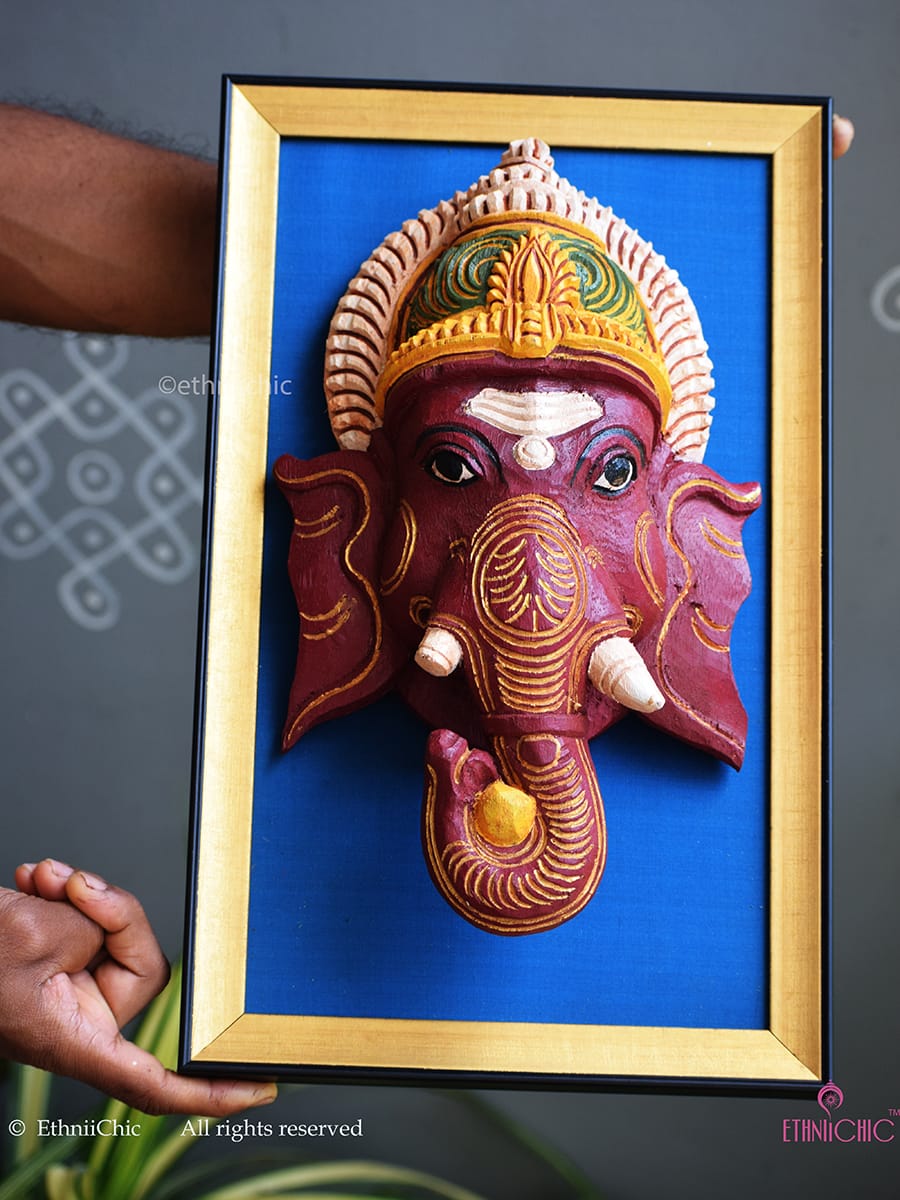
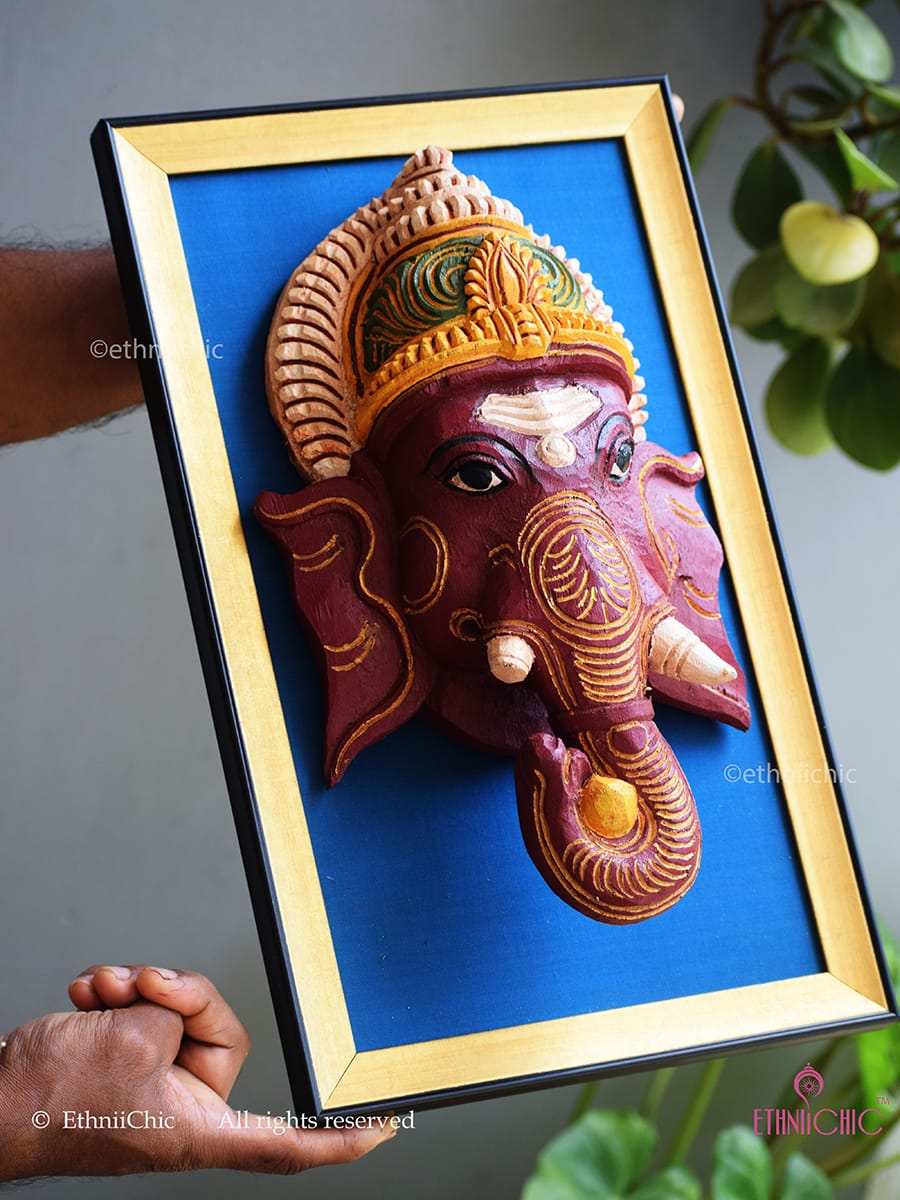
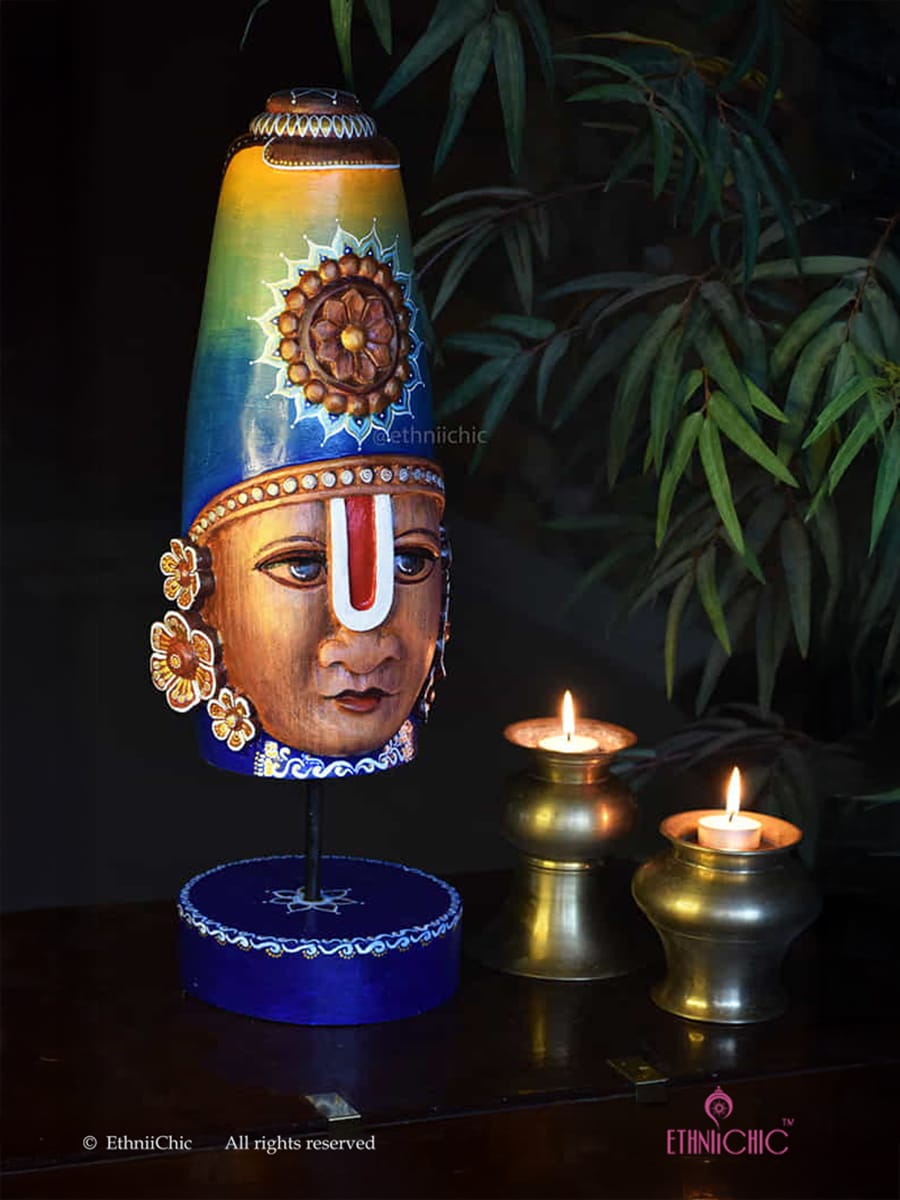
Beyond Theyyam and temple architecture, this collection includes specific, recognisable deity pieces: a Narasimha Head referencing Vishnu's half-man, half-lion avatar who protected his devotee Prahlada; a Balaji Head referencing Venkateswara, the form of Vishnu enshrined at Tirumala; and a Ganesha Head wall frame. Each is a named figure with its own story, not an interchangeable "Indian god statue."
Shop Vishnu → · Shop Wall Frames →

Choosing Where to Start

If you want the single most striking statement piece, a Theyyam head set or the Muchilottu Bhagavathi sculpture anchors a room on its own. If you want something with deep architectural meaning for an entryway or threshold, the Keerthimukha frame is built for exactly that placement. If you're choosing a piece tied to a specific deity for a personal or family connection, start with the named figures — Narasimha, Balaji, Ganesha — rather than a generic motif piece.

Indian Handicrafts as an Investment, Not an Impulse Buy

At this collection's price point — ₹1,550 to ₹18,500 — these are considered purchases, not casual add-to-carts, and the copy above is written with that in mind. This is where EthniiChic's artist-led, non-aggregator positioning matters most: a buyer spending this much on a handicraft wants to know it's real, wants to know who made it, and wants a piece that will still mean something in ten years. That's the actual promise of "not a marketplace."

Frequently Asked Questions (FAQs)

1. What makes EthniiChic different from other Indian handicraft websites?
EthniiChic is an artist-led studio, not a marketplace or aggregator. Every piece is hand-painted or hand-carved by EthniiChic's own studio artists in specific, named regional traditions, rather than sourced from multiple unrelated vendors and relisted.

2. What is Keerthimukha, and why does it appear on a wall frame?
Keerthimukha, or Kirtimukha ("Face of Glory"), is a guardian face from Hindu mythology traditionally placed above temple doorways to ward off harmful influences, rooted in a legend involving Shiva and the demon Jalandhara. EthniiChic's Keerthimukha Wall Frame is a hand-carved, hand-painted interpretation of that same temple-guardian iconography.

3. What are Gandharvas, and why are they carved as wall corbels?
Gandharvas are celestial musicians from Hindu mythology, associated with Indra's heavenly court and a sacred musical tradition called Gandharva Veda. Carved Gandharva figures are a genuine feature of South Indian temple architecture, particularly in Karnataka and Tamil Nadu, which is what EthniiChic's Gandharva Wall Corbels reference.

4. What is Theyyam, and why is it so heavily represented in this collection?
A ritual worship performance tradition from North Malabar, Kerala, in which a performer is understood to temporarily embody a deity after extended ritual preparation. It's the dominant tradition across this collection's heads, plaques, and sculptures because it produces some of EthniiChic's most visually striking, collectible pieces.

5. Are the Aranmula-named mirror frames made using the traditional metal-casting technique?
No. Genuine Aranmula Kannadi is a metal mirror cast from a copper-tin alloy by a small number of artisan families in Kerala, GI-protected since 2013. EthniiChic's Aranmula-named mirror frames are hand-painted wood pieces that reference that mirror's form and heritage rather than the metal alloy-casting process.

6. Who are Narasimha and Balaji, and how are they connected?
Both are forms of Vishnu. Narasimha is Vishnu's half-man, half-lion avatar, who protected his devotee Prahlada from a tyrant king. Balaji, also called Venkateswara, is a specific and widely worshipped form of Vishnu enshrined at the Venkateswara Temple in Tirumala.

7. What's the price range across this collection?
From ₹1,550 for a Kerala Mural decorative tray to ₹18,500 for the hand-painted Balaji Head sculpture — this collection skews toward larger, more considered statement pieces rather than small accessories.

8. Do you ship Indian handicrafts internationally for NRI buyers?
Yes, across the full collection. Write to contactus@ethniichic.com before ordering to confirm shipping rates and delivery timelines for your country — larger sculptural pieces may need a separate freight quote.
9. Can I order a custom or bulk handicraft piece?
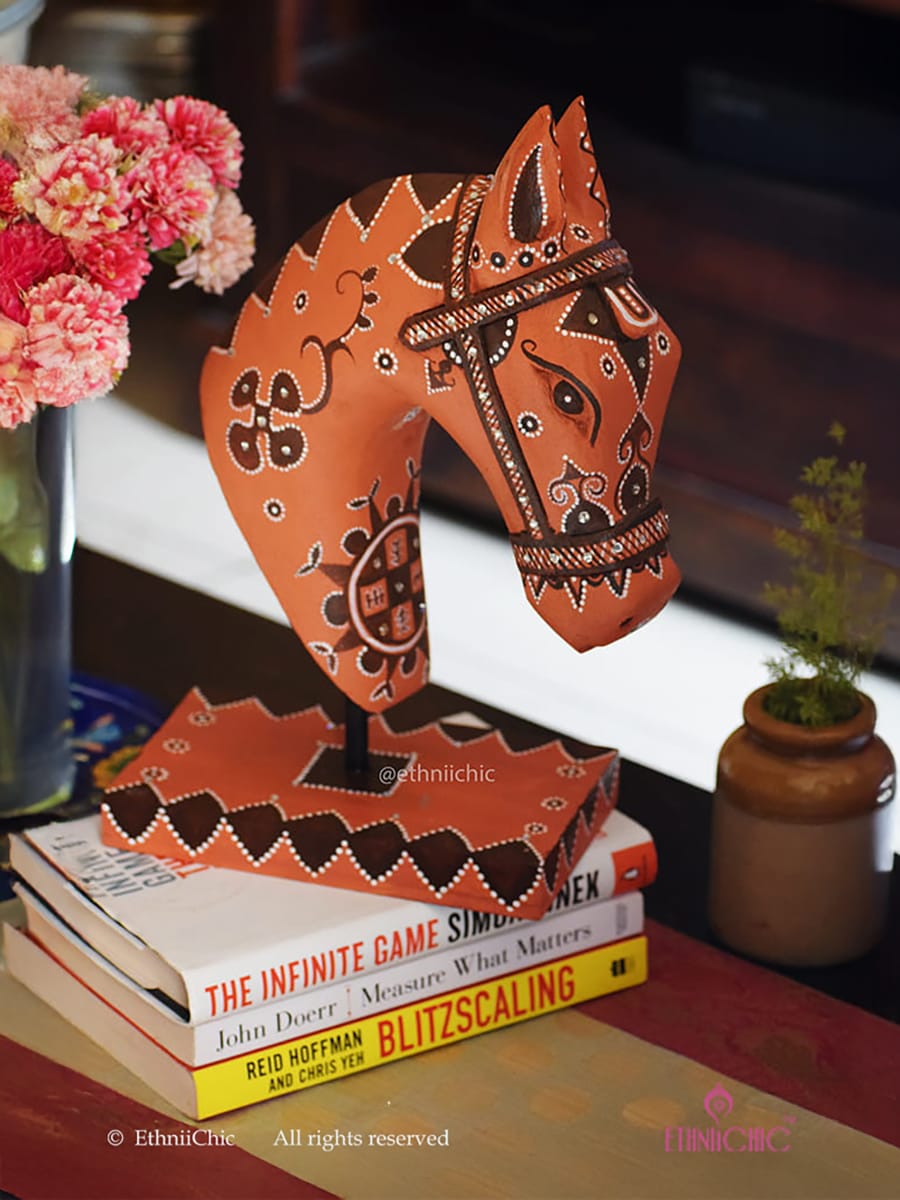
Yes. Custom motifs, sizes, and subjects, along with bulk or corporate gifting orders, can be arranged through Commission Artwork or Contact Us.