Kerala

Kerala

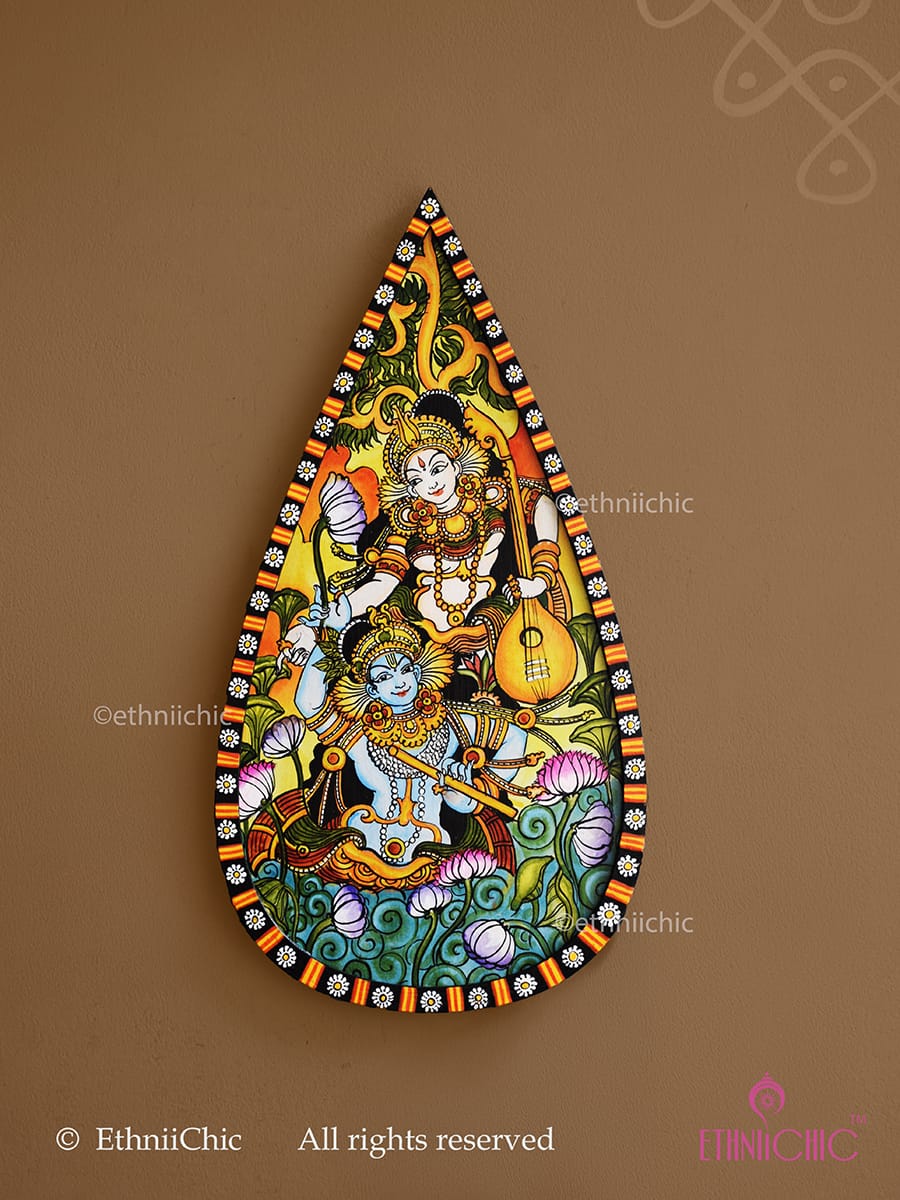
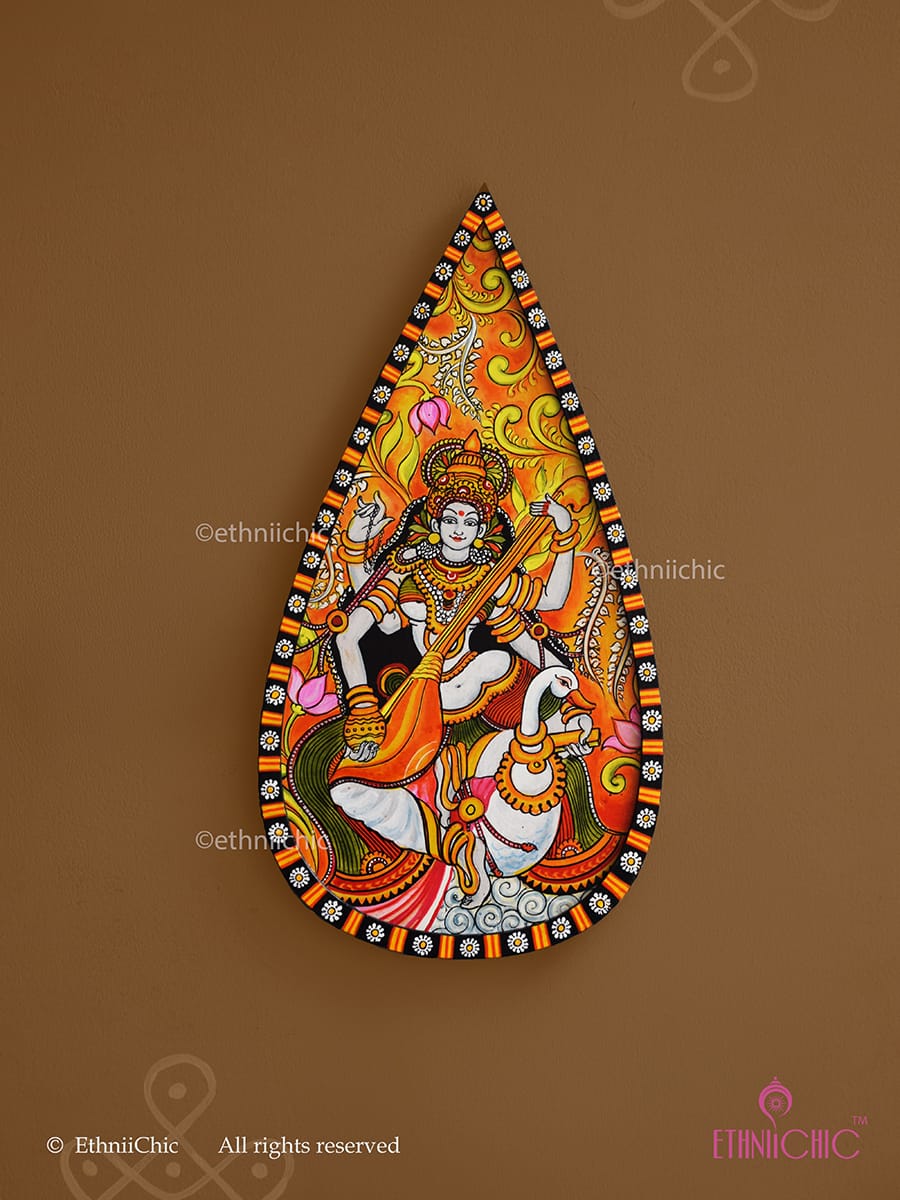
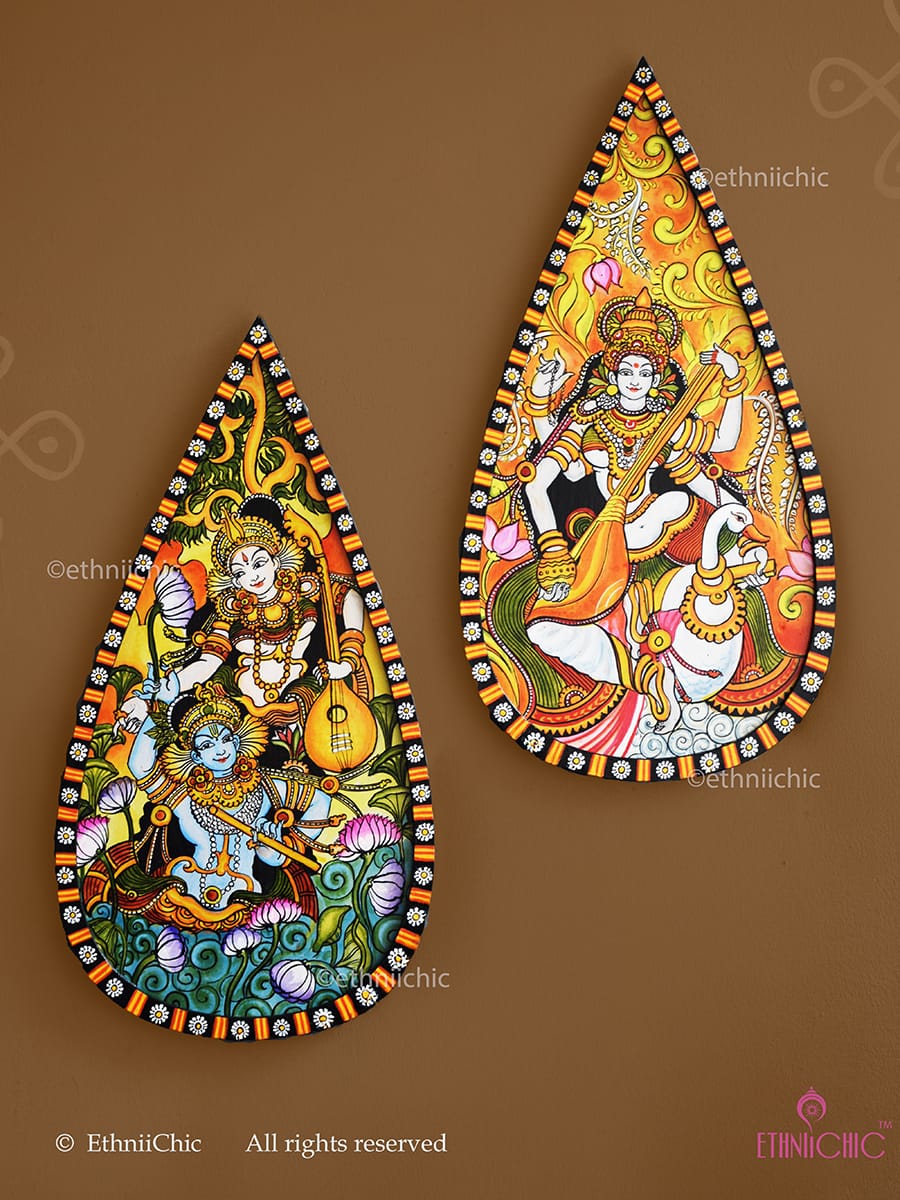
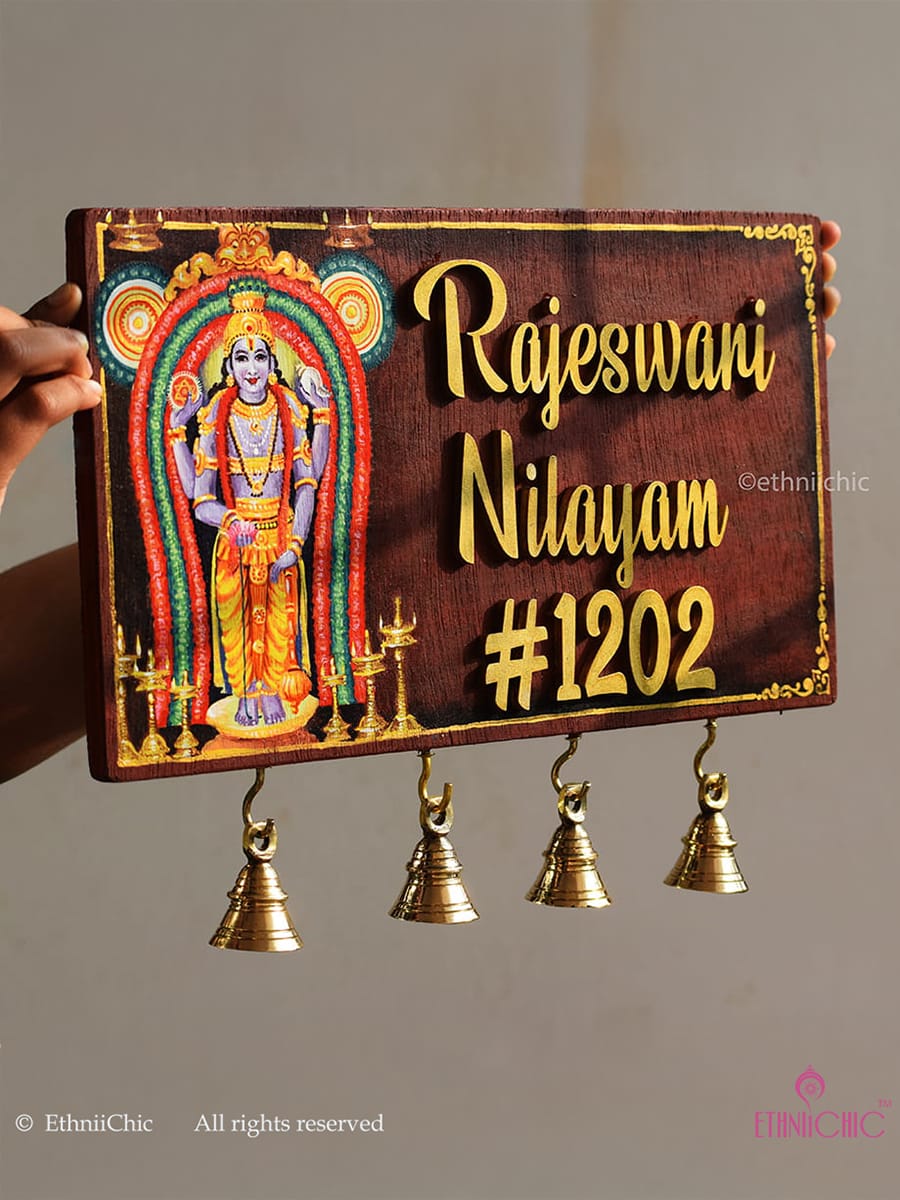
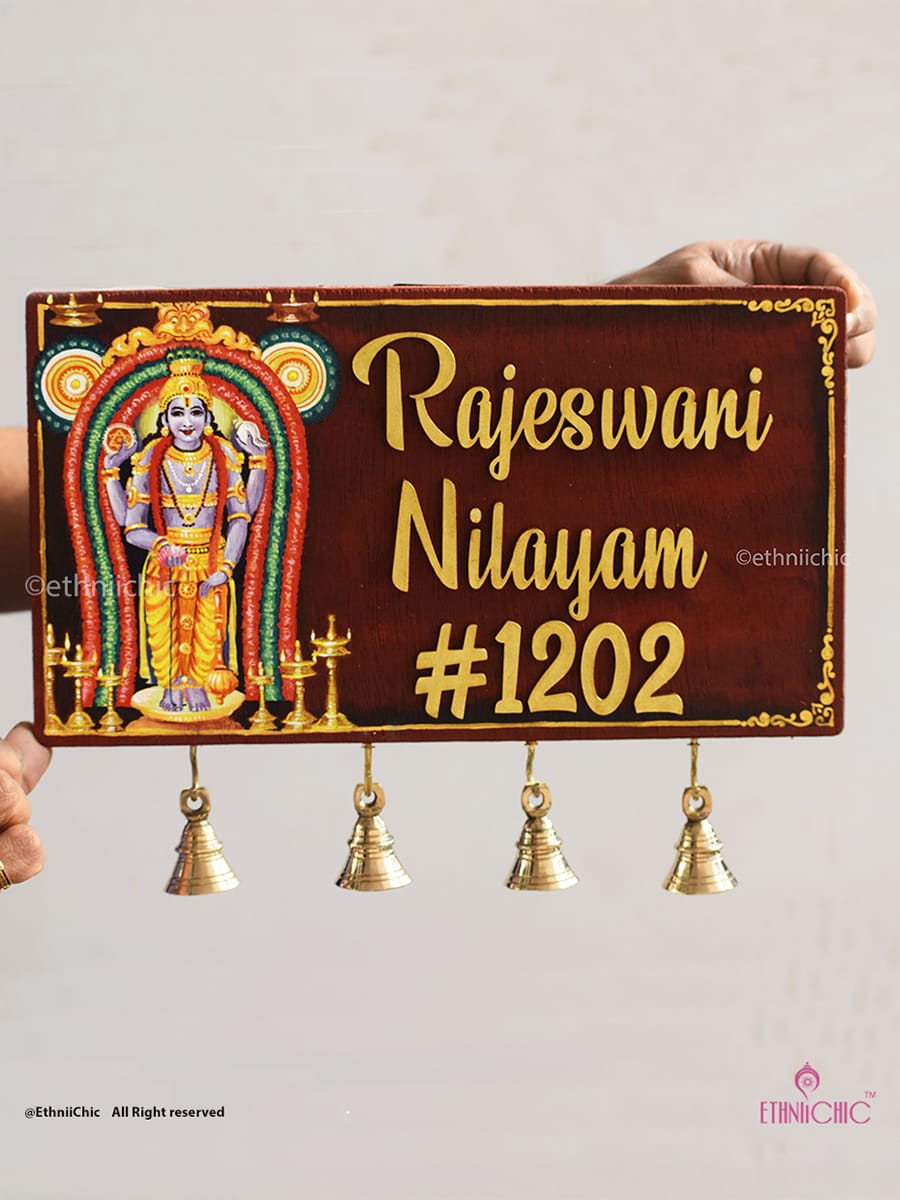
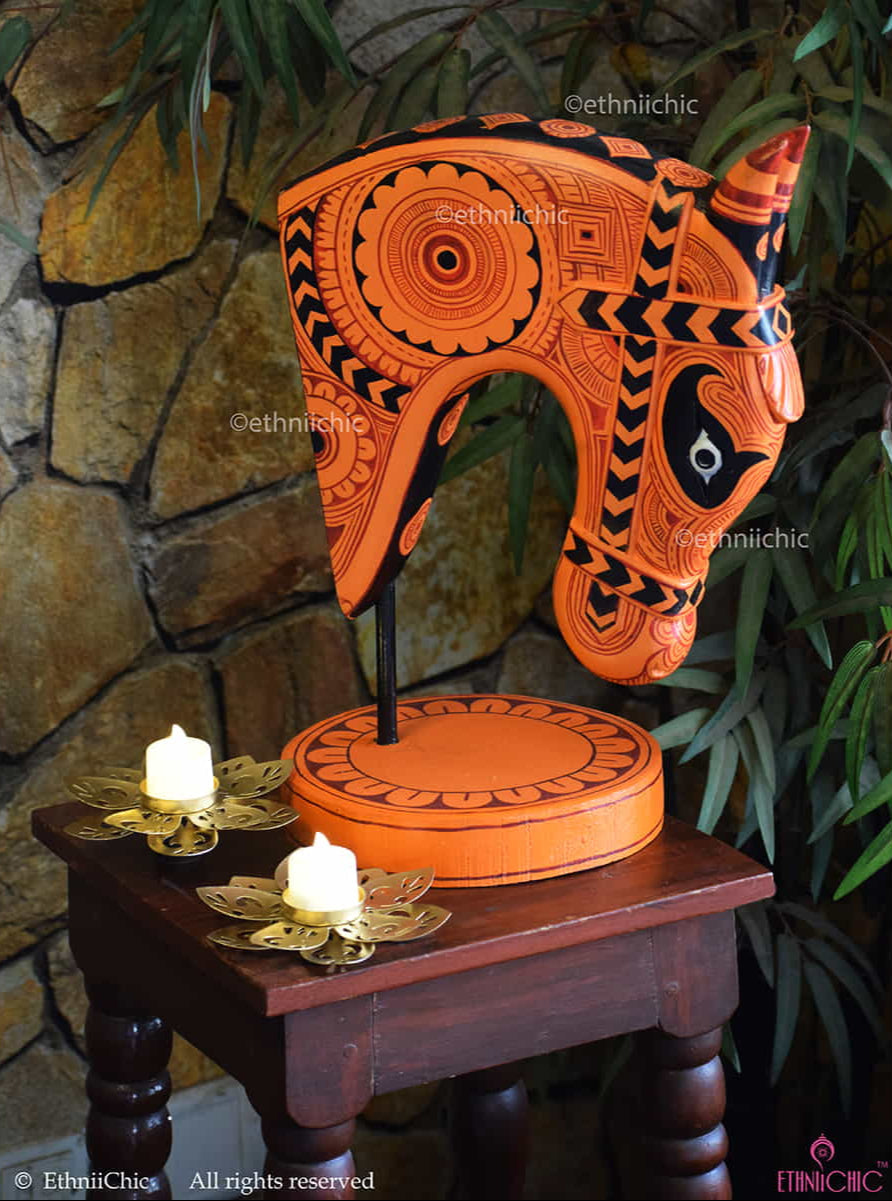
Shop hand-painted décor rooted in Kerala's Kerala Mural, Theyyam and Kalamkari traditions — the largest regional collection on the site at 181 products. Theyyam, a ritual art form from North Kerala, is rendered in hand-painted wooden head sculptures and masks; Kathakali, Kerala's classical dance-drama, appears as a striking wall mask and a hand-painted pendant necklace. Kerala Mural painting spans wall plaques — Saraswathi, Krishna-Radha, the Apsara series — Aranmula-inspired mirror frames, name boards including the Guruvayurappan door sign, brass iron boxes, hand-painted jewellery and fridge magnets. The Shiv Parivar wall hanging brings a broader devotional piece into the mix. Theyyam heads and Kathakali masks work as gallery-style statement pieces; wall plaques and jewellery suit everyday décor and gifting.

Skip to results list
177 items
Column grid
Column grid

Filter

Popular Searches :

Read More

Kerala — Temple Murals and Ritual Art, Across the Full Collection

EthniiChic's Kerala collection is led by two distinct traditions — Kerala Mural painting, a centuries-old temple fresco style, and Theyyam, North Kerala's ritual worship performance art — shown across wall pieces, jewellery, trays, boxes, key holders, and more. At 183 pieces, it's the largest regional collection on the site, which reflects how central Kerala's art forms are to the brand rather than any single narrow category.

The two traditions look and mean very different things. Kerala Mural is devotional temple painting, built around five natural colours and centuries of established iconography. Theyyam is living ritual performance, where a human performer is understood to temporarily embody a deity. Both are represented here with real depth rather than as decorative shorthand for "South Indian" style.

Kerala Mural — Temple Fresco Painting, on Wood Instead of Wall

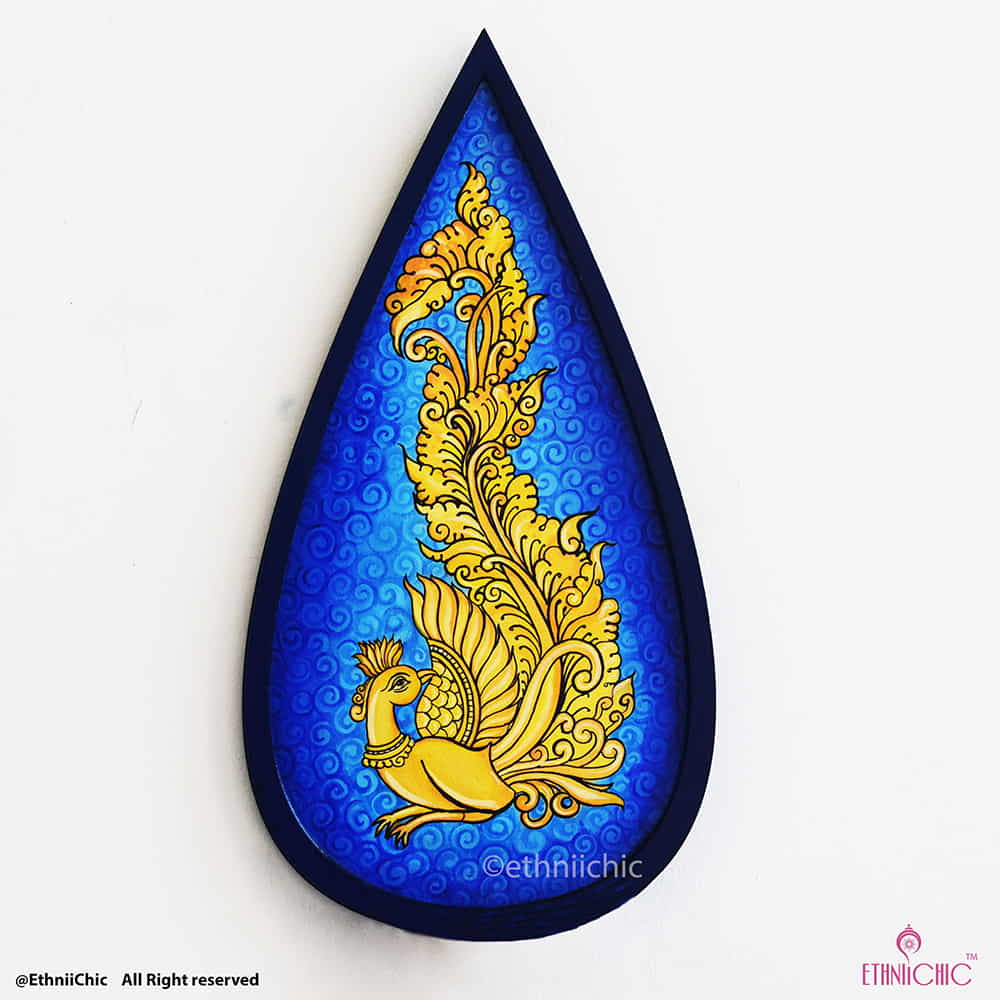
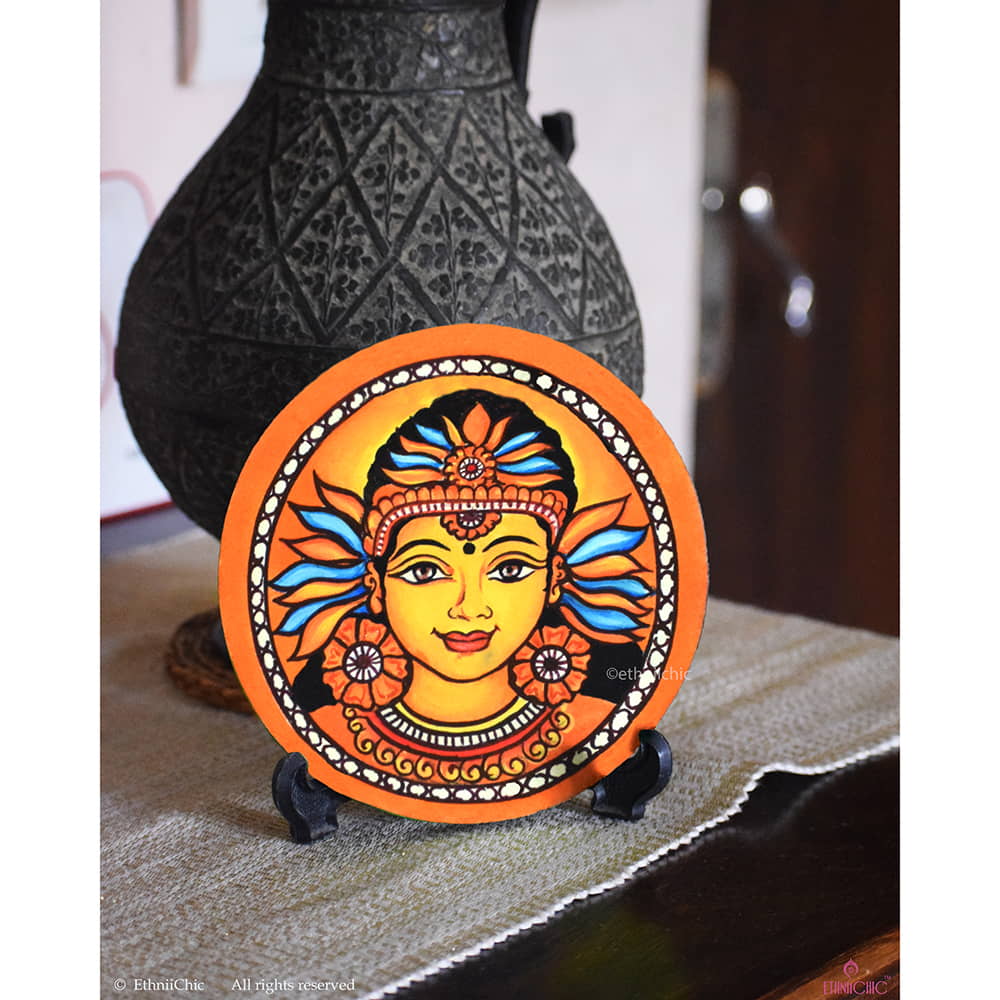
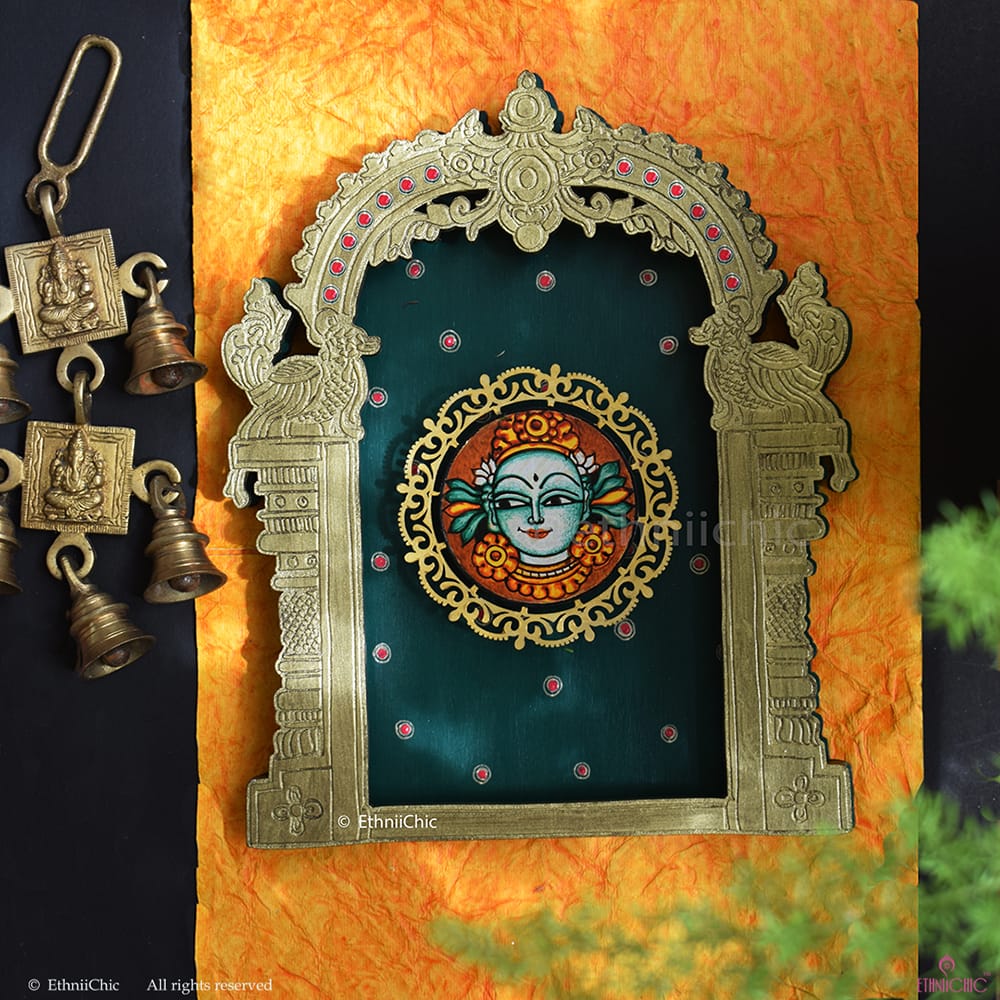
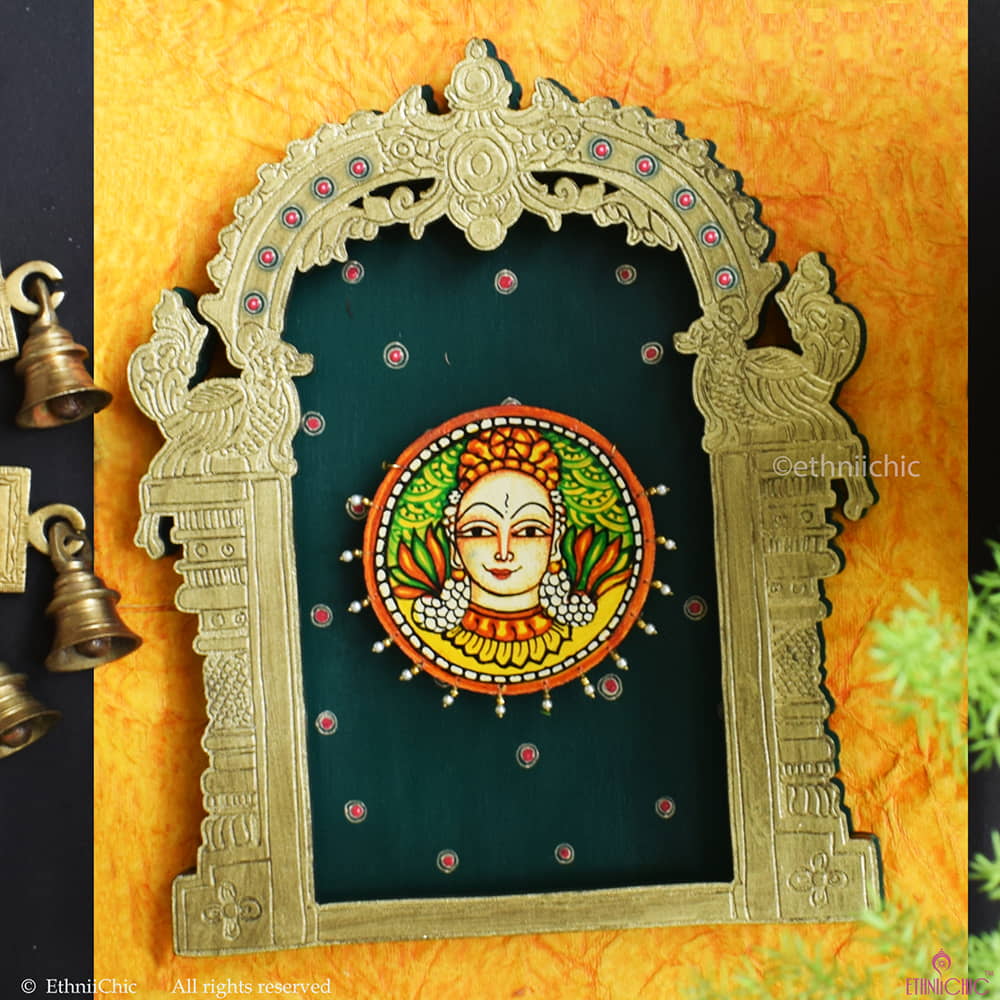
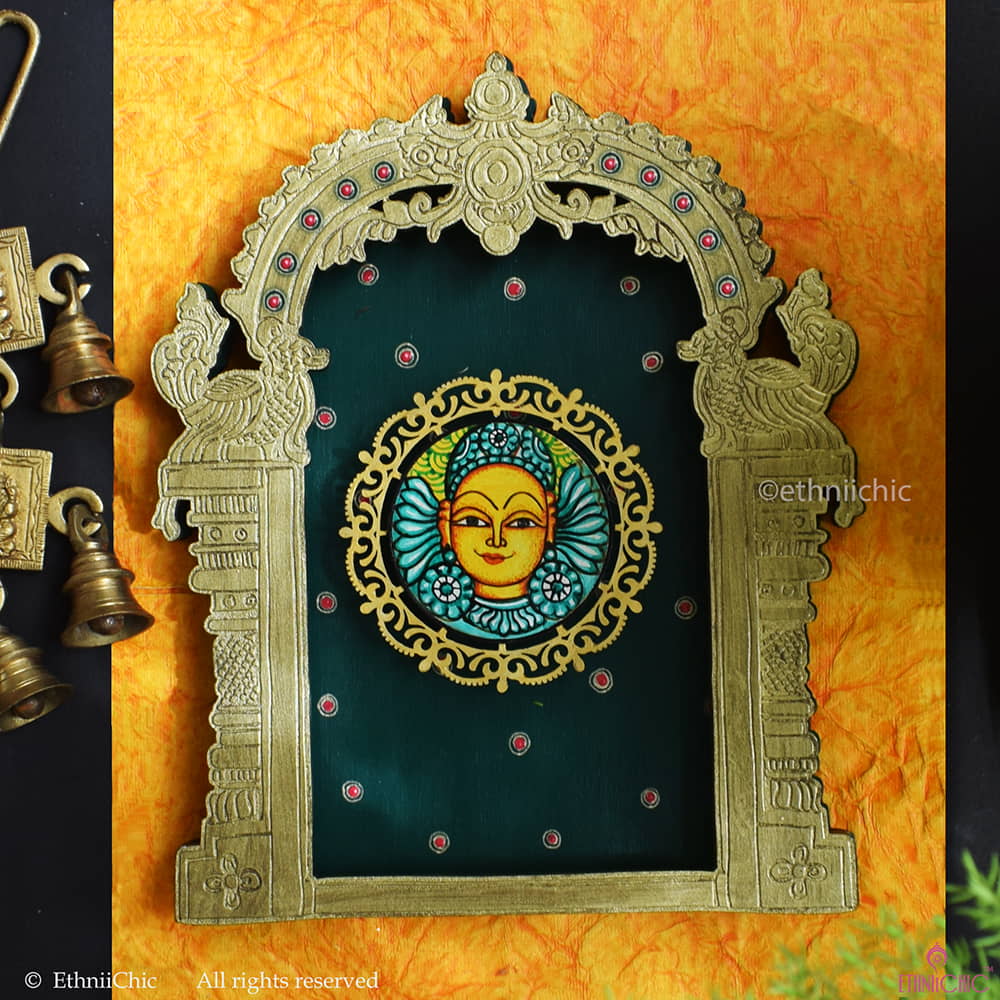
Kerala Mural painting dates primarily from the 9th to 12th centuries CE, found in temples and palaces including Ettumanoor, Vadakkumnatha, Guruvayoor, Sri Padmanabhaswamy Temple, and Mattancherry Palace. The traditional palette is deliberately limited to five natural colours — red and yellow from laterite, white from lime, black from lamp soot, green from indigo and garcinia — and colour itself carries meaning: divine figures are painted green, powerful characters in red and gold, and malevolent ones in white or black. EthniiChic's Kerala Mural range translates that same palette and iconography onto wall plaques, plates, frames, jewellery, and small accessories.
Shop Wall Plates → · Shop Wall Frames →

Theyyam — Kerala's Living Ritual Art

Theyyam is a ritual worship tradition from North Malabar, Kerala, in which a performer undergoes hours of preparation before a sacred headdress marks them as a temporary vessel for a deity's presence — part performance, part living devotion, distinct from anything decorative in origin. EthniiChic's Theyyam pieces — sculptural heads, wall plaques, and smaller accessories — draw on the elaborate face painting, colour, and headdress work central to the ritual, translated into wall and tabletop art.
Shop Table Décor →

Kathakali — A Related but Distinct Tradition

A handful of pieces in this collection are named for Kathakali, Kerala's classical dance-drama form known for its elaborate green-and-red face makeup and towering headdresses. Kathakali is technically a separate tradition from Kerala Mural painting, though the two share visual DNA — Kerala Mural frescoes frequently depict Kathakali-costumed figures, which is why Kathakali-themed pieces sit naturally alongside the Kerala Mural range here rather than needing their own category.

What Ties Kerala Together

Both core traditions here are built on centuries of established visual language rather than a single artist's invention — Kerala Mural's five-colour system and Theyyam's costume and colour codes are both centuries-old frameworks that individual artisans work within rather than depart from. That's part of what makes both traditions instantly recognisable once you know what you're looking at, and part of why EthniiChic treats them as distinct crafts on this page rather than blending them into one generic "Kerala style."

Choosing Where to Start

If you want the most classically devotional, temple-rooted look, start with Kerala Mural — wall plates and plaques are the most direct translation of the fresco tradition. If you want something with real ritual weight and a more dramatic visual presence, Theyyam's sculptural heads and wall plaques carry that intensity. If you're drawn to the elaborate performance-makeup aesthetic specifically, look for the Kathakali-named pieces within the Kerala Mural range.

Kerala as a Gift

Kerala Mural and Theyyam pieces both read as considered, specific gifts precisely because they're not generic "Indian décor" — anyone who recognises either tradition will register the choice as deliberate. Kerala Mural's brighter, more classical pieces suit a wider range of recipients and occasions, while Theyyam's more intense pieces work best for someone who'll appreciate the ritual history behind them. Every collection ships internationally; write to contactus@ethniichic.com before ordering to confirm rates and delivery timelines for your country.

Frequently Asked Questions (FAQs)

1. What art forms does the Kerala collection include?
Primarily Kerala Mural painting and Theyyam — two distinct Kerala traditions, shown across wall pieces, jewellery, trays, boxes, and more. A smaller group of Kathakali-named pieces, related to but technically distinct from Kerala Mural, also appears within the range.

2. What is Kerala Mural painting?
A temple and palace fresco tradition dating primarily from the 9th to 12th centuries CE, using a traditional palette of just five natural colours — red, yellow, white, black, and green — where colour itself carries symbolic meaning (green for divine figures, red-gold for powerful characters, white or black for malevolent ones).

3. What is Theyyam?
A ritual worship performance tradition from North Malabar, Kerala, in which a performer undergoes extensive ritual preparation before a sacred headdress marks them as a temporary vessel for a deity. It's a living ritual practice rather than a decorative art style.

4. Is Kathakali the same as Kerala Mural painting?
Not exactly — Kathakali is Kerala's classical dance-drama tradition, known for elaborate face makeup and headdresses. It's a distinct art form from Kerala Mural painting, though Kerala Mural frescoes often depict Kathakali-costumed figures, which is why the two appear together in this collection.

5. What colours are traditionally used in Kerala Mural painting?
Five natural colours: red and yellow from laterite, white from lime, black from lamp soot, and green from a mix of indigo and garcinia — each colour traditionally assigned to specific types of characters.
6. What kinds of products can I find in this collection?
Wall plates, plaques, and frames; jewellery including earrings and studs; trays, boxes, and key holders — Kerala Mural and Theyyam motifs applied across both wall décor and everyday accessories.

7. What's the price range across this collection?
From around ₹350 for a fridge magnet to over ₹11,000 for a large Theyyam sculpture, with most wall plates and plaques in the ₹1,950–₹3,600 range.

8. Do you ship Kerala art pieces internationally for NRI buyers?
Yes, across the full collection. Write to contactus@ethniichic.com before ordering to confirm shipping rates and delivery timelines for your country — larger sculptural pieces may need a separate freight quote.

9. Can I order a custom or bulk piece in a Kerala art form?
Yes. Custom motifs and bulk or corporate gifting orders across Kerala Mural or Theyyam can be arranged through Commission Artwork or Contact Us.