Indian Wall Decor

Add an image to get started

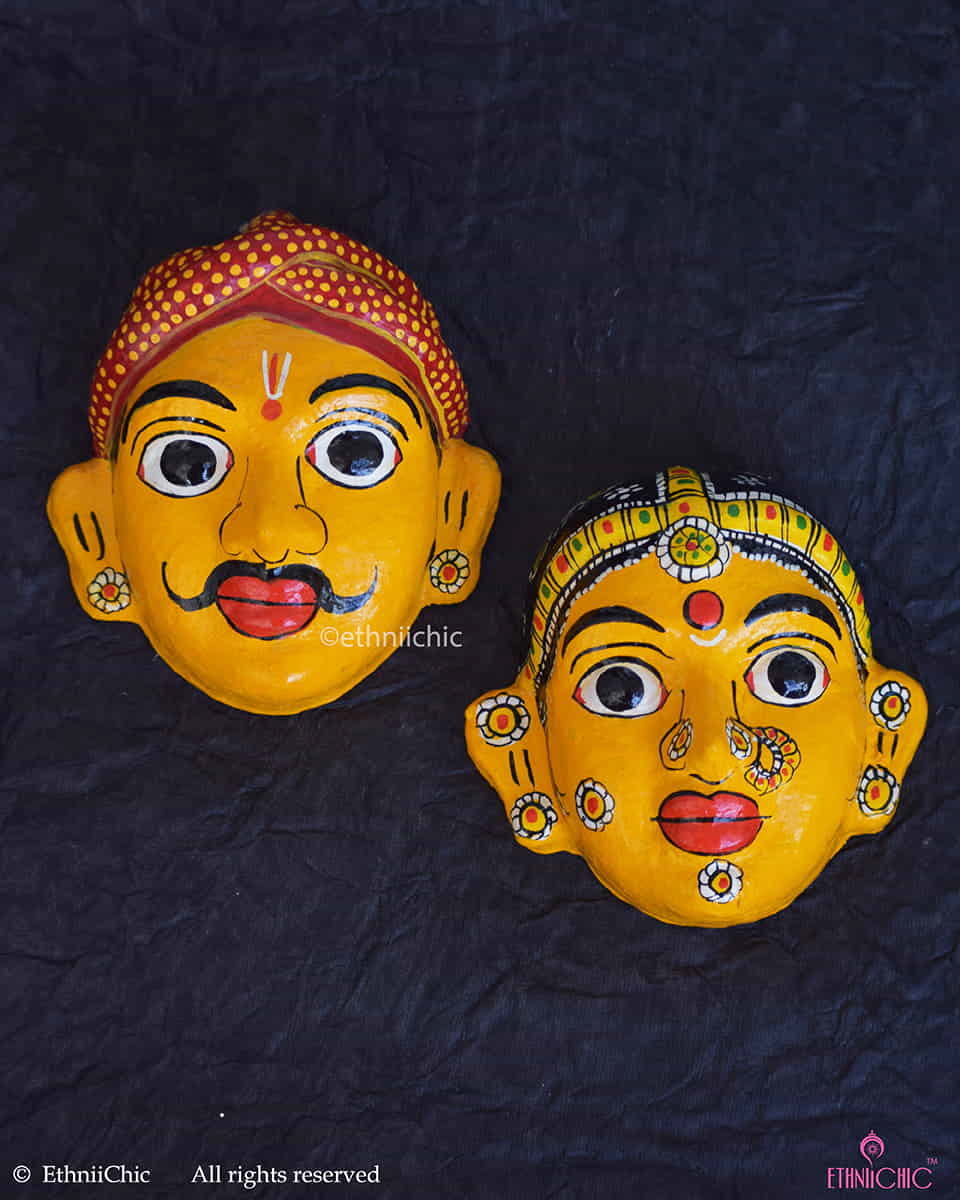
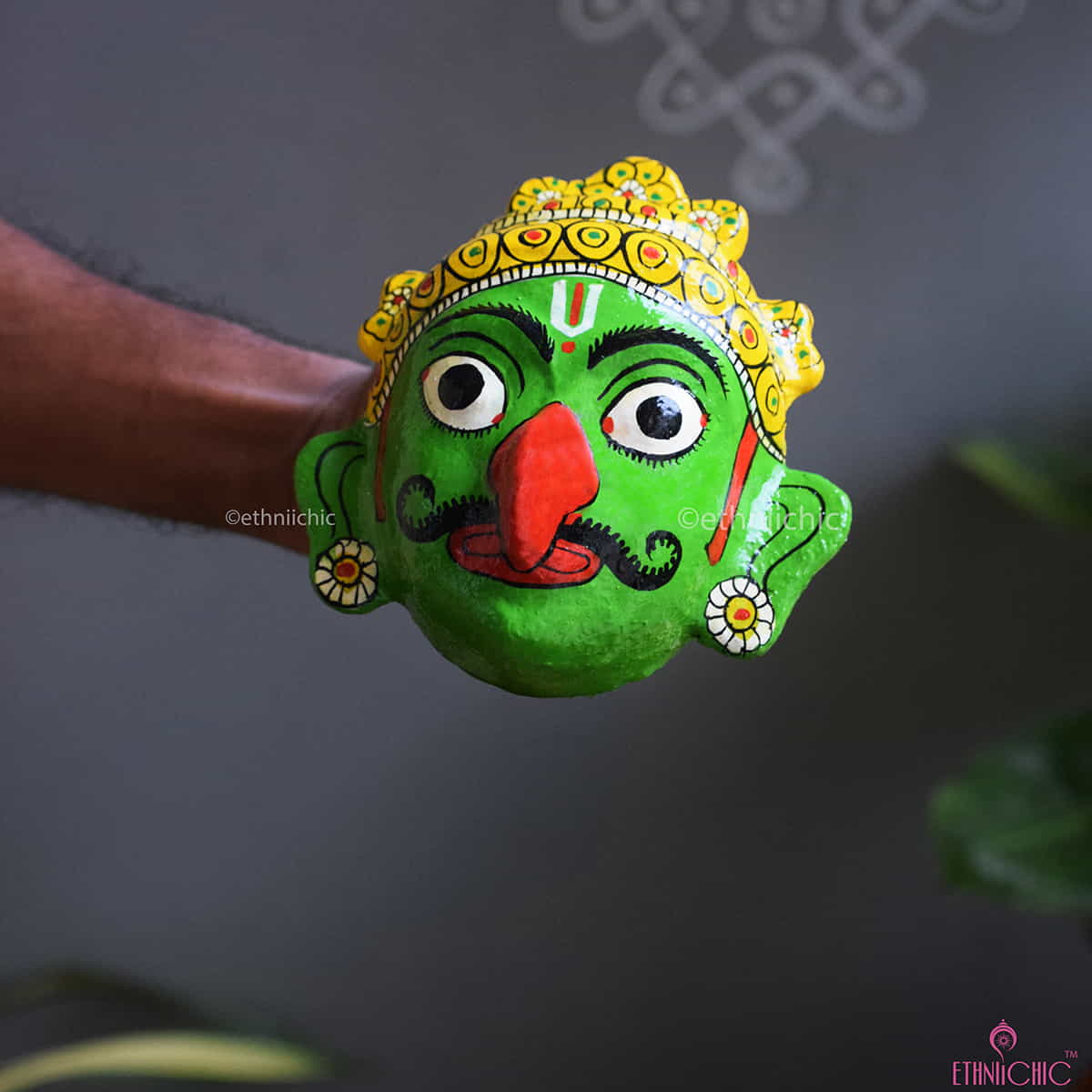
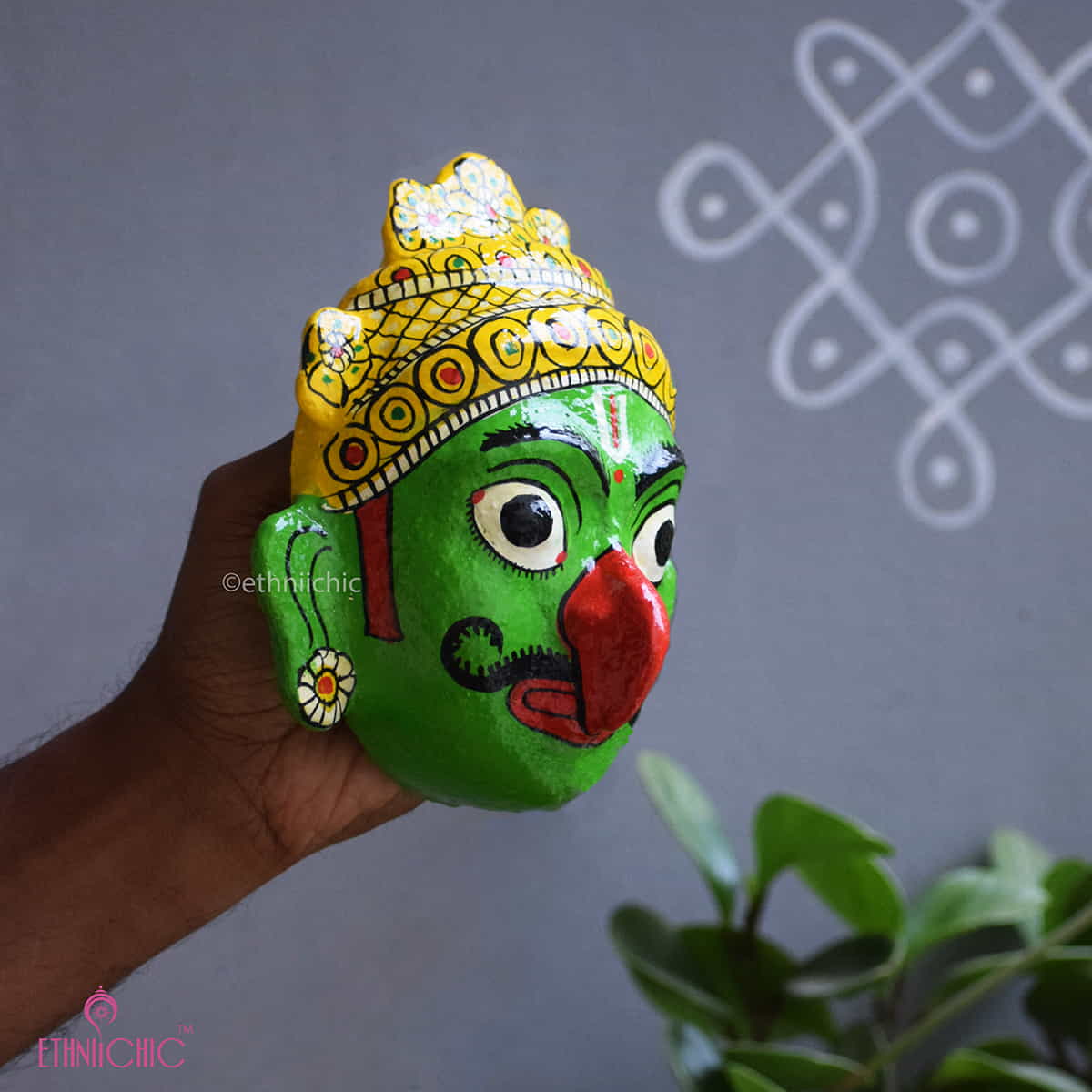
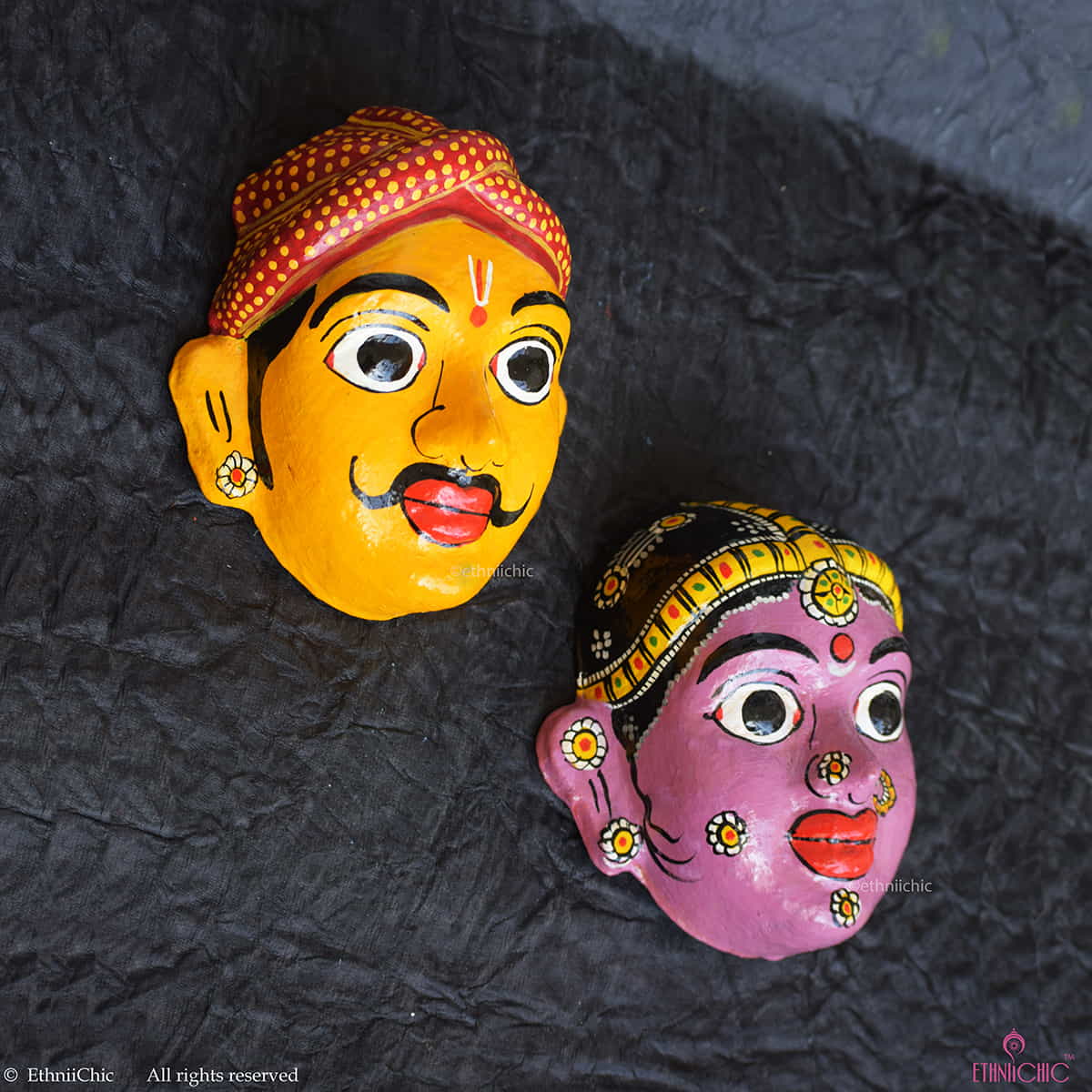
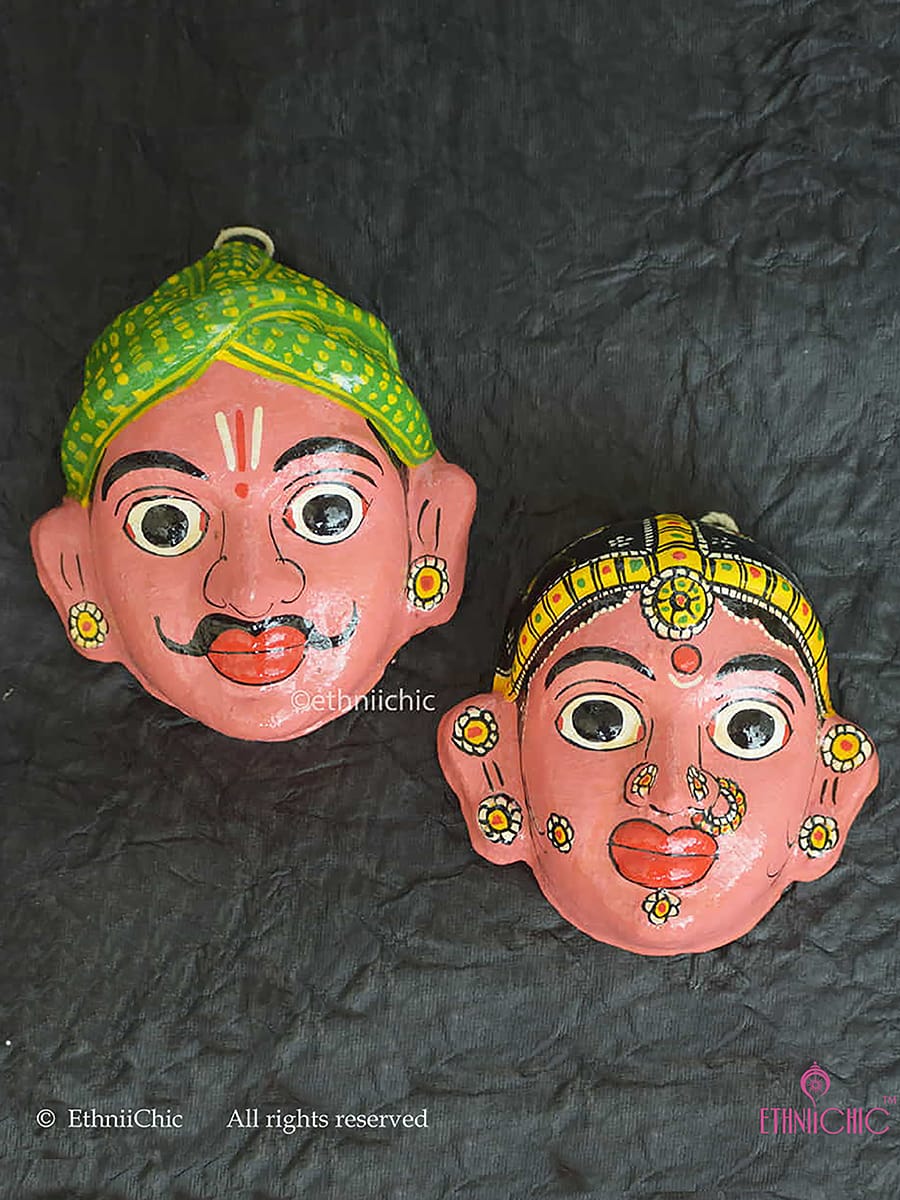
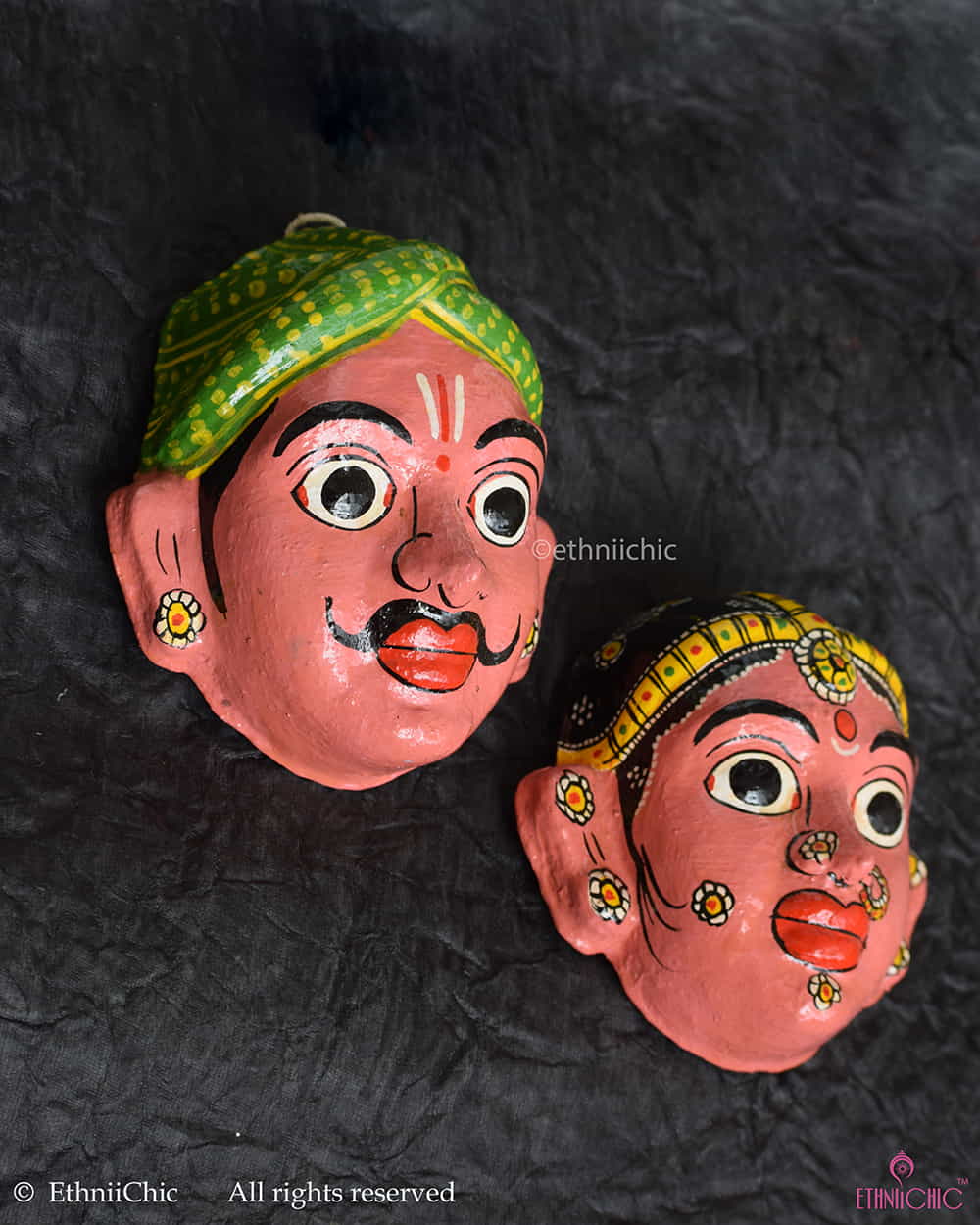
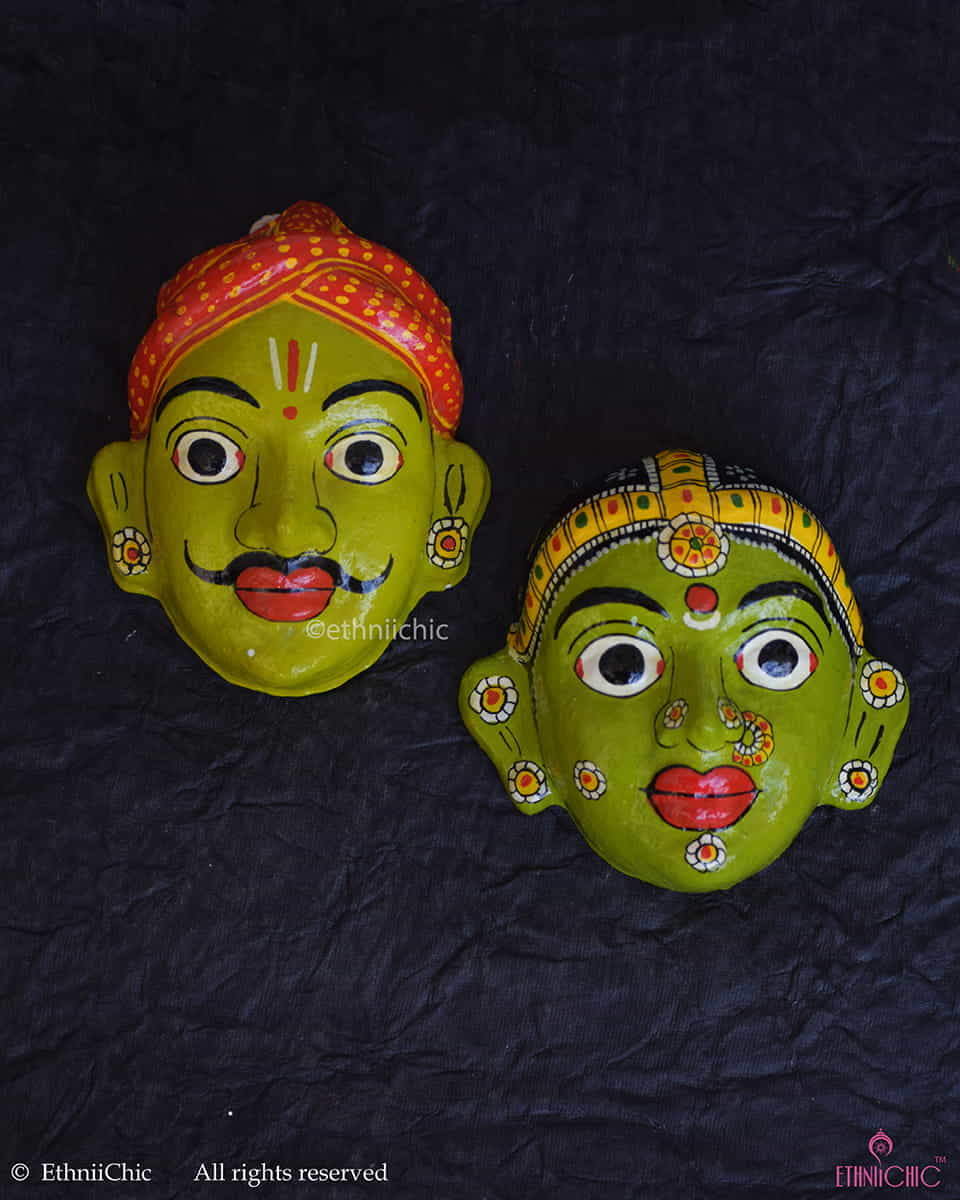
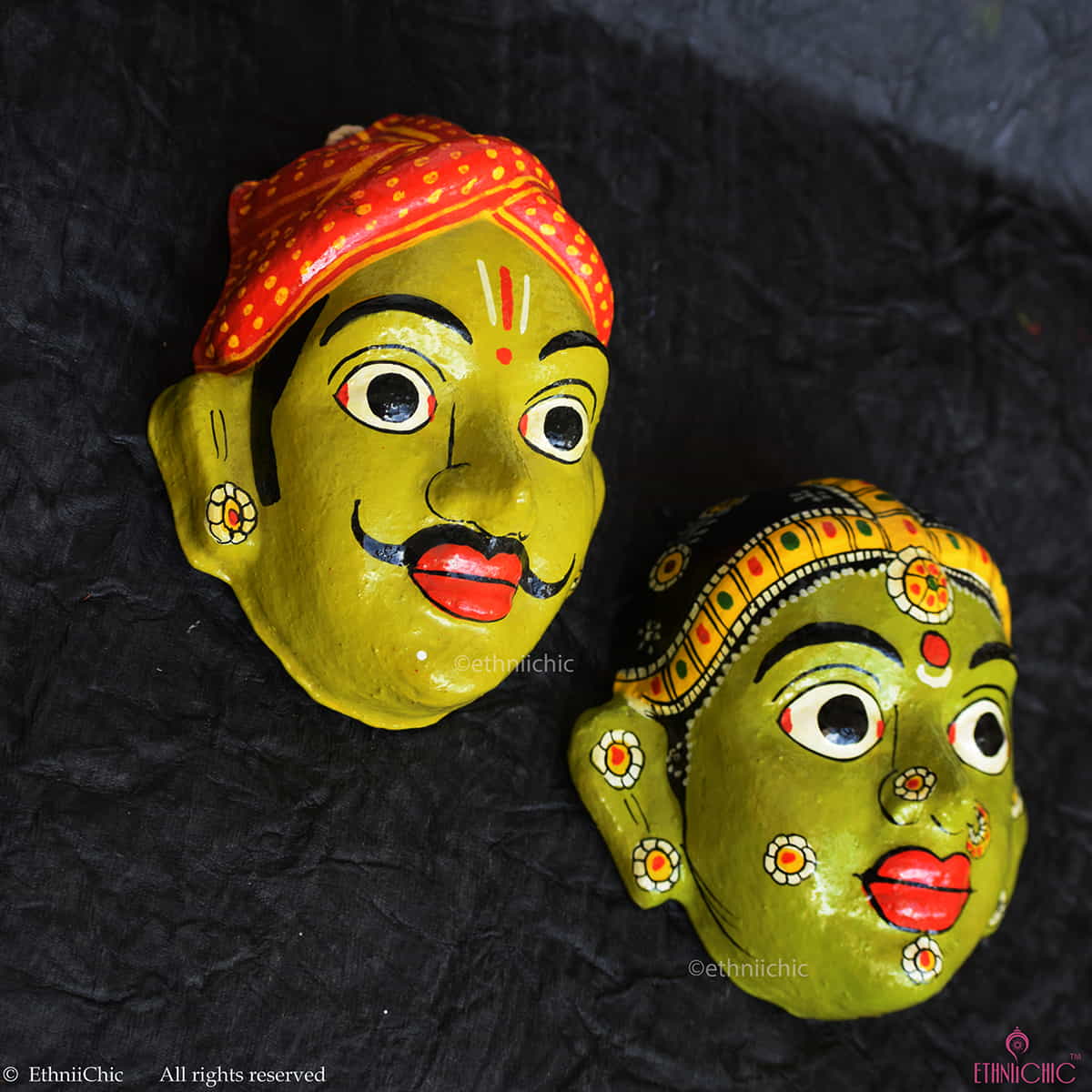
Indian wall decor done right isn't about motifs slapped onto mass-produced frames. It's about understanding the art form behind the object - and that's exactly what drives every piece in this collection. At EthniiChic, our wall decor spans Cheriyal masks, hand-painted wall plates, folk art frames, and canvas works - each one created by artists who understand the tradition they're working from. The result is wall art that doesn't just decorate a room. It defines it. Explore the collection and find the piece that transforms your blank wall into a statement.

Skip to results list
73 items
Column grid
Column grid

Filter

Popular Searches :

Read More

Indian wall decor done right isn't about motifs slapped onto mass-produced frames. It's about understanding the art form behind the object — and that's exactly what drives every piece in this collection. At EthniiChic, our wall decor spans Cheriyal masks, hand-painted wall plates, folk art frames, and canvas works — each one created by artists who understand the tradition they're working from. The result is wall art that doesn't just decorate a room. It defines it. Explore the collection, and find the piece that transforms your blank wall into a statement.
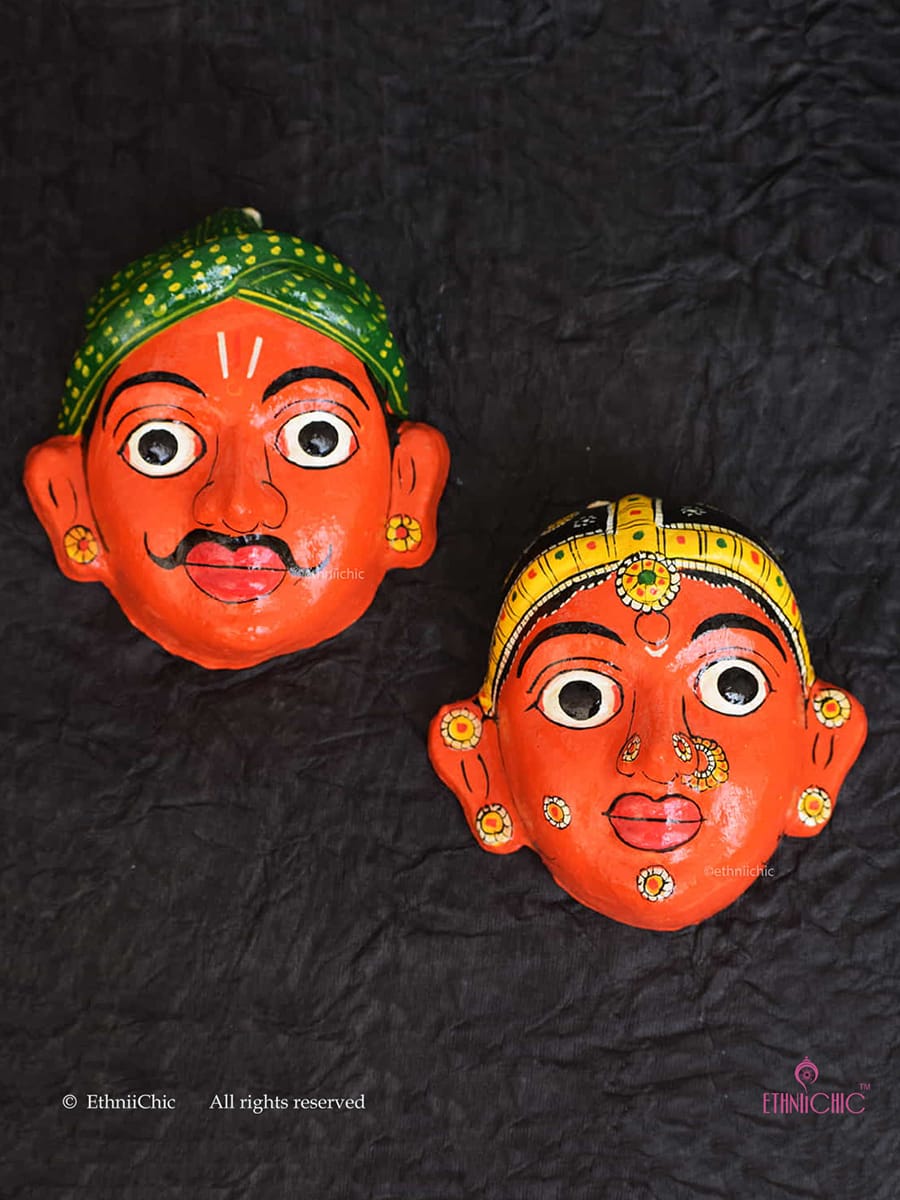
Masks — Three Regions, Three Genuinely Different Techniques

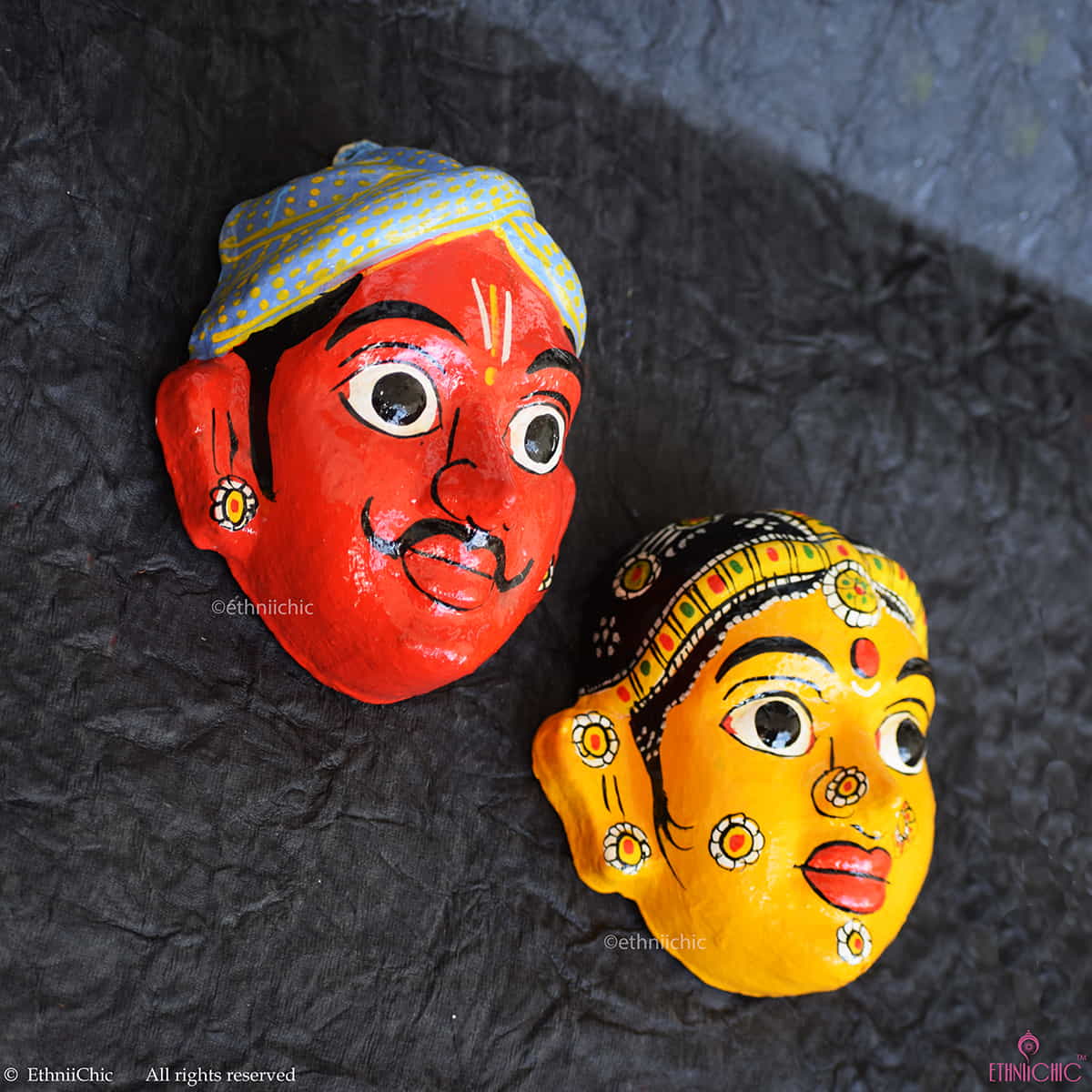
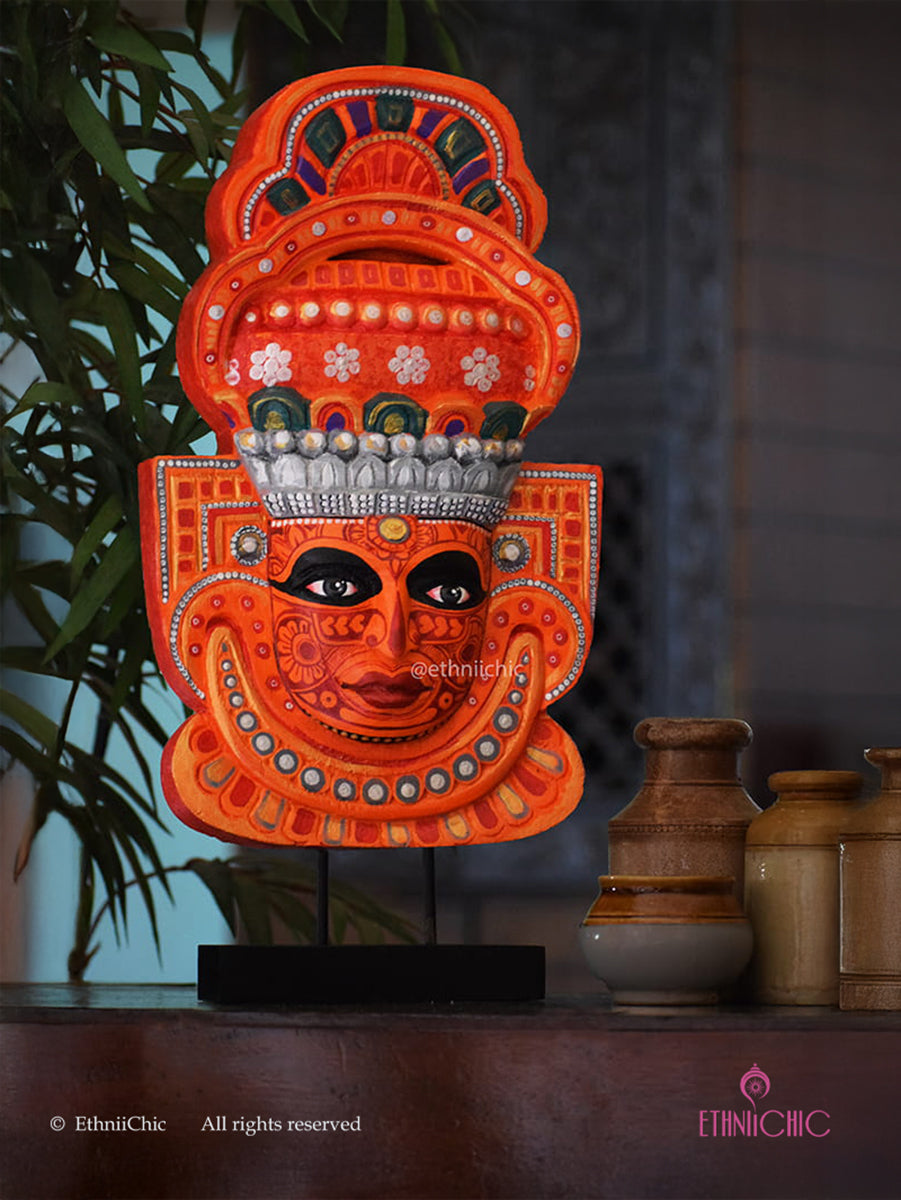
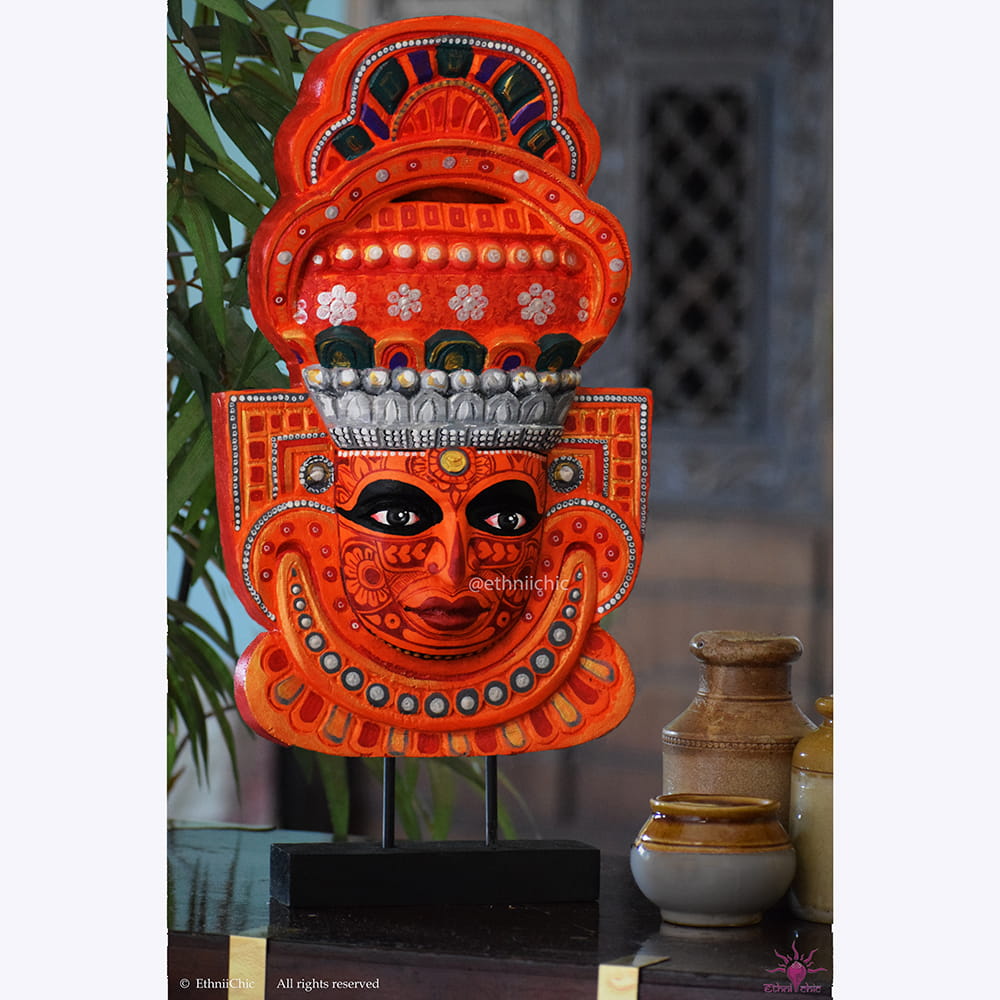
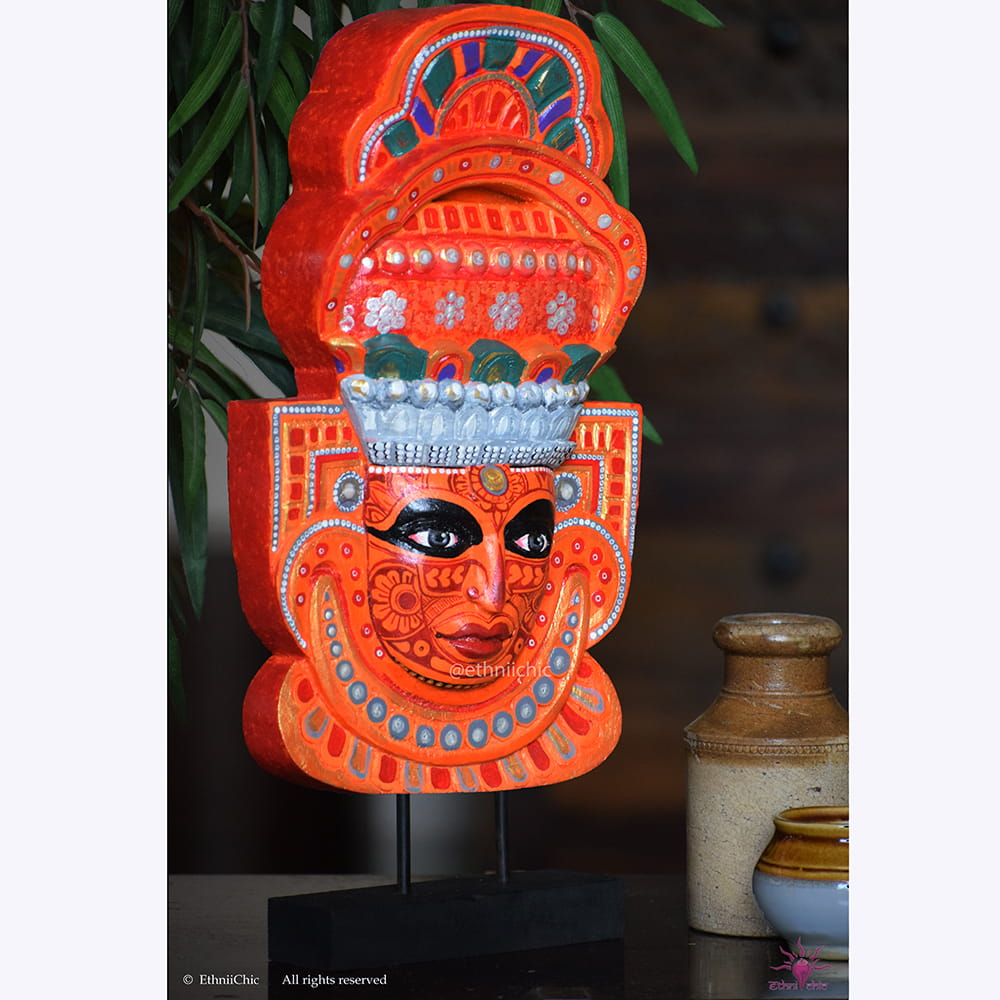
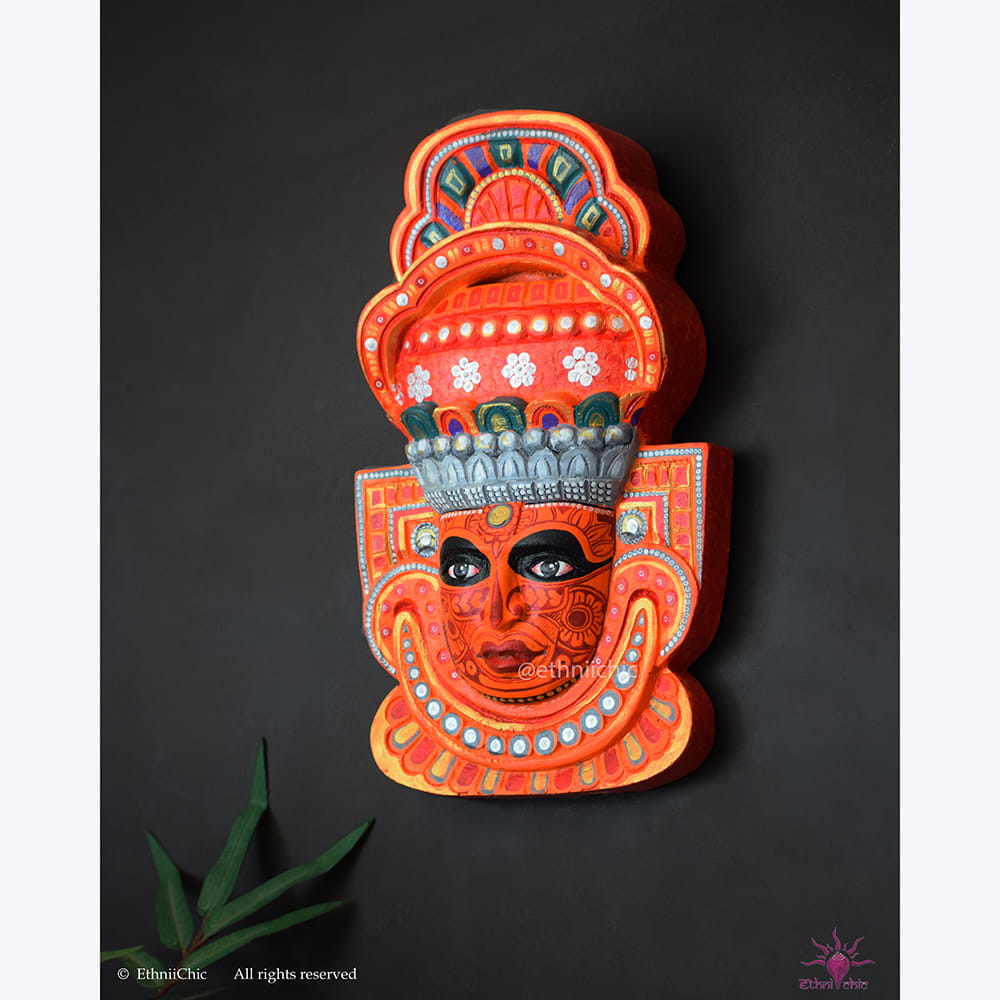
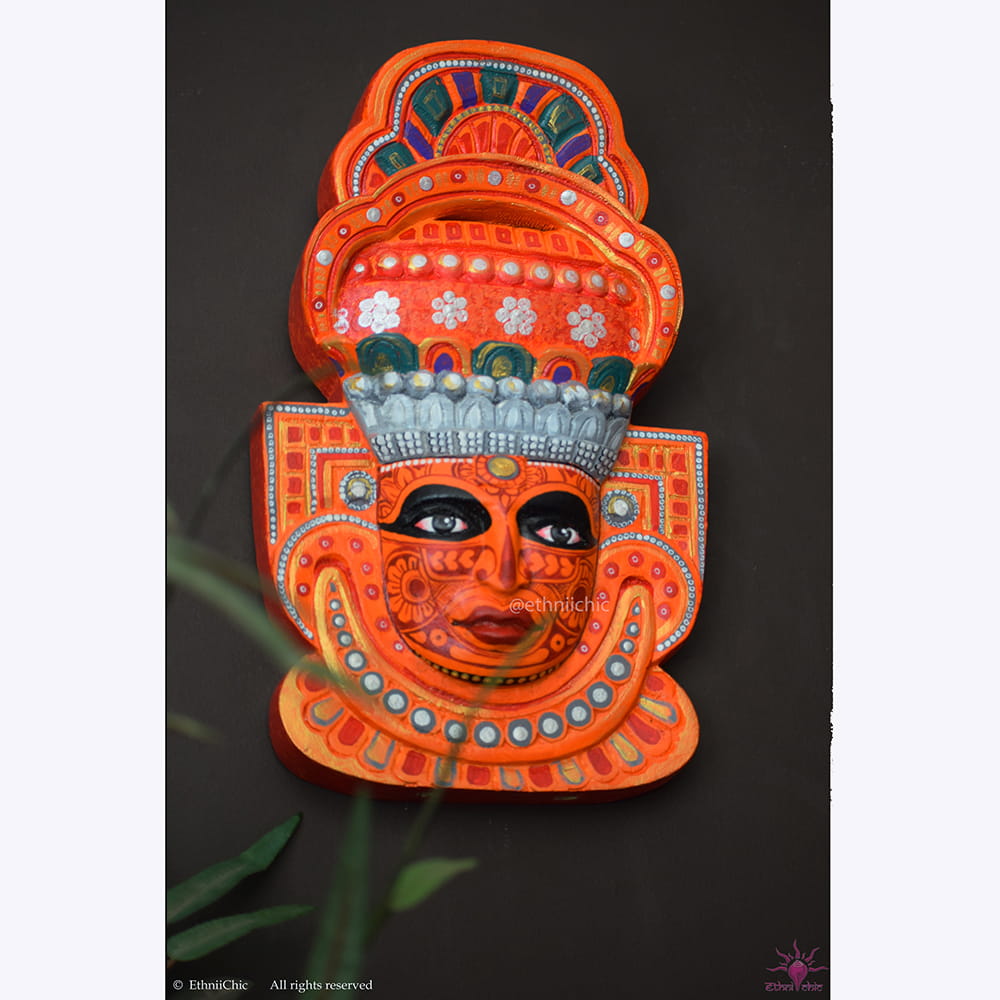
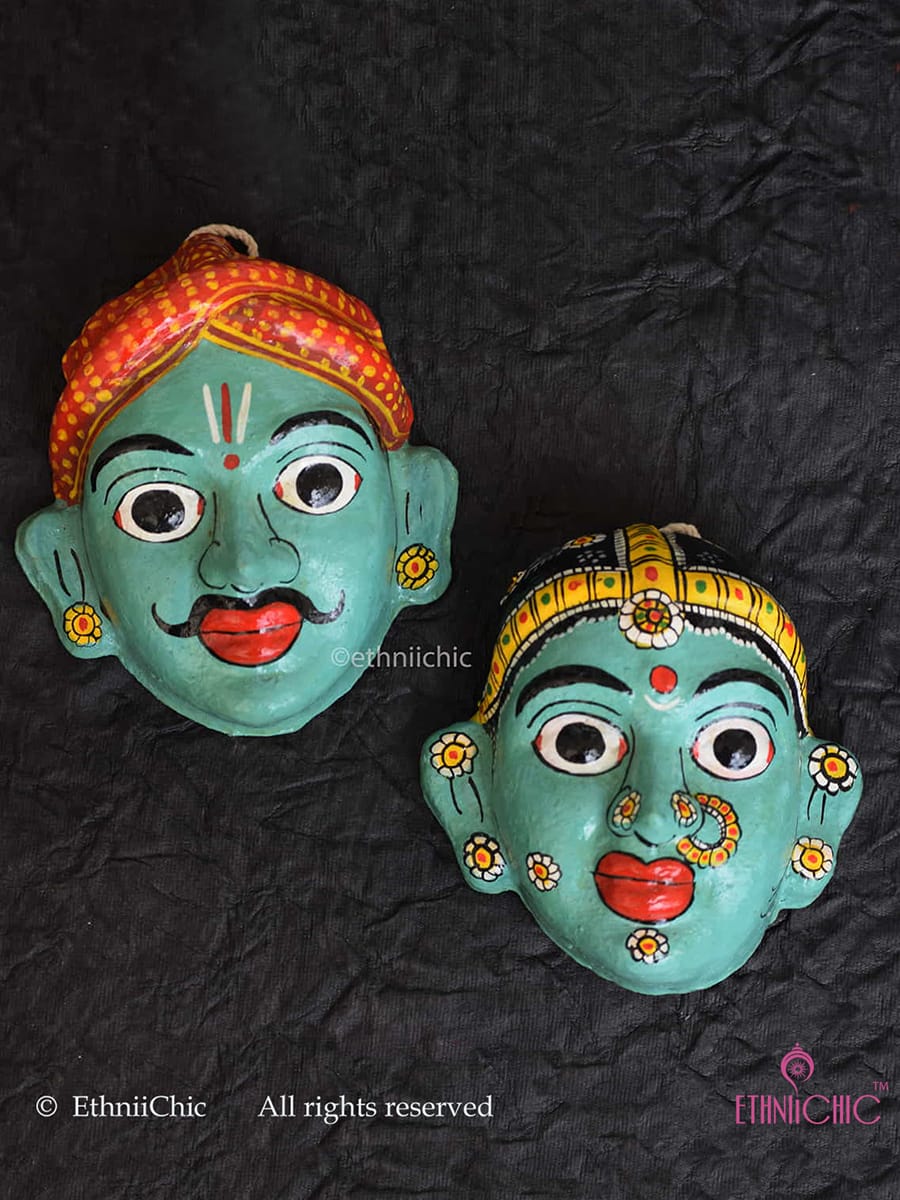
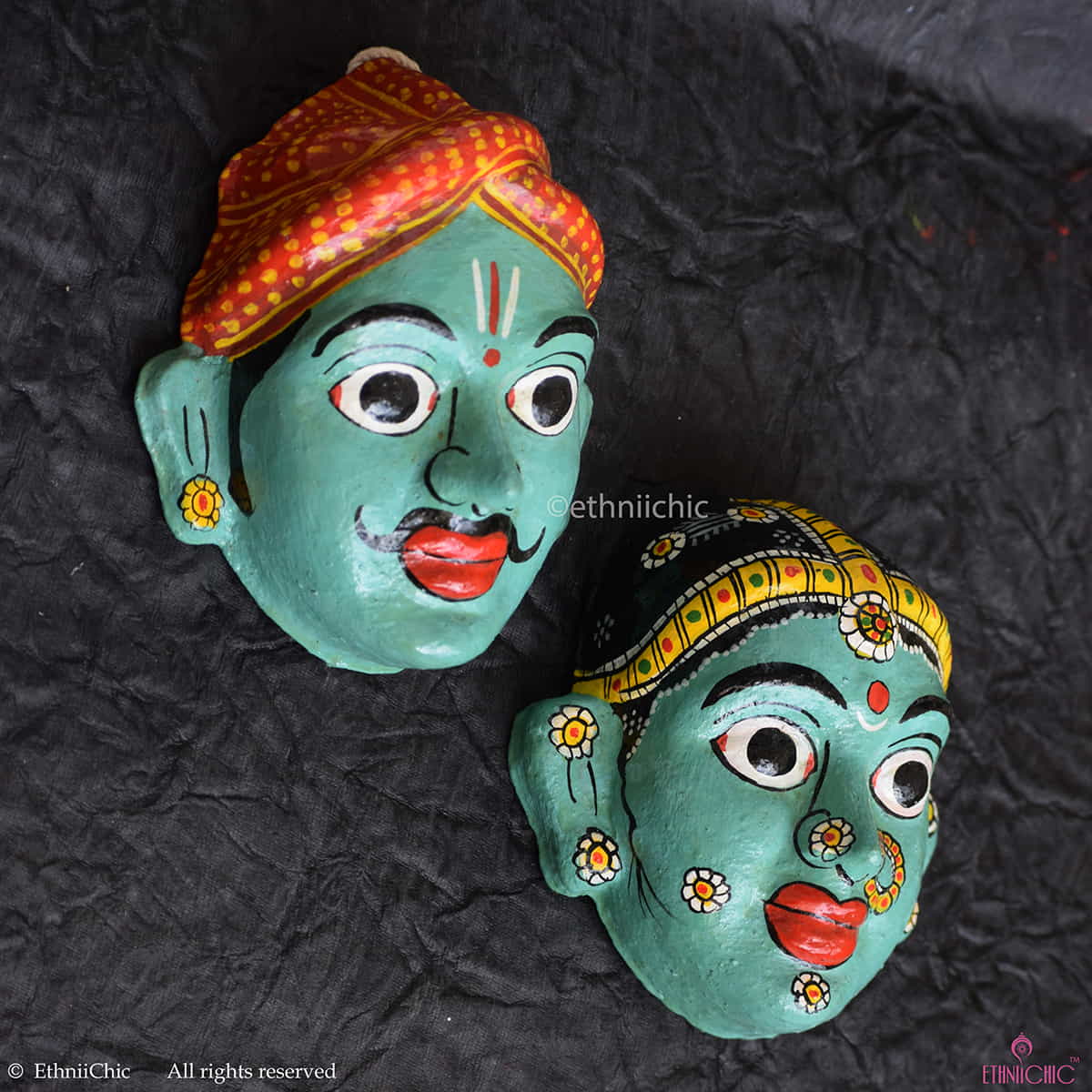
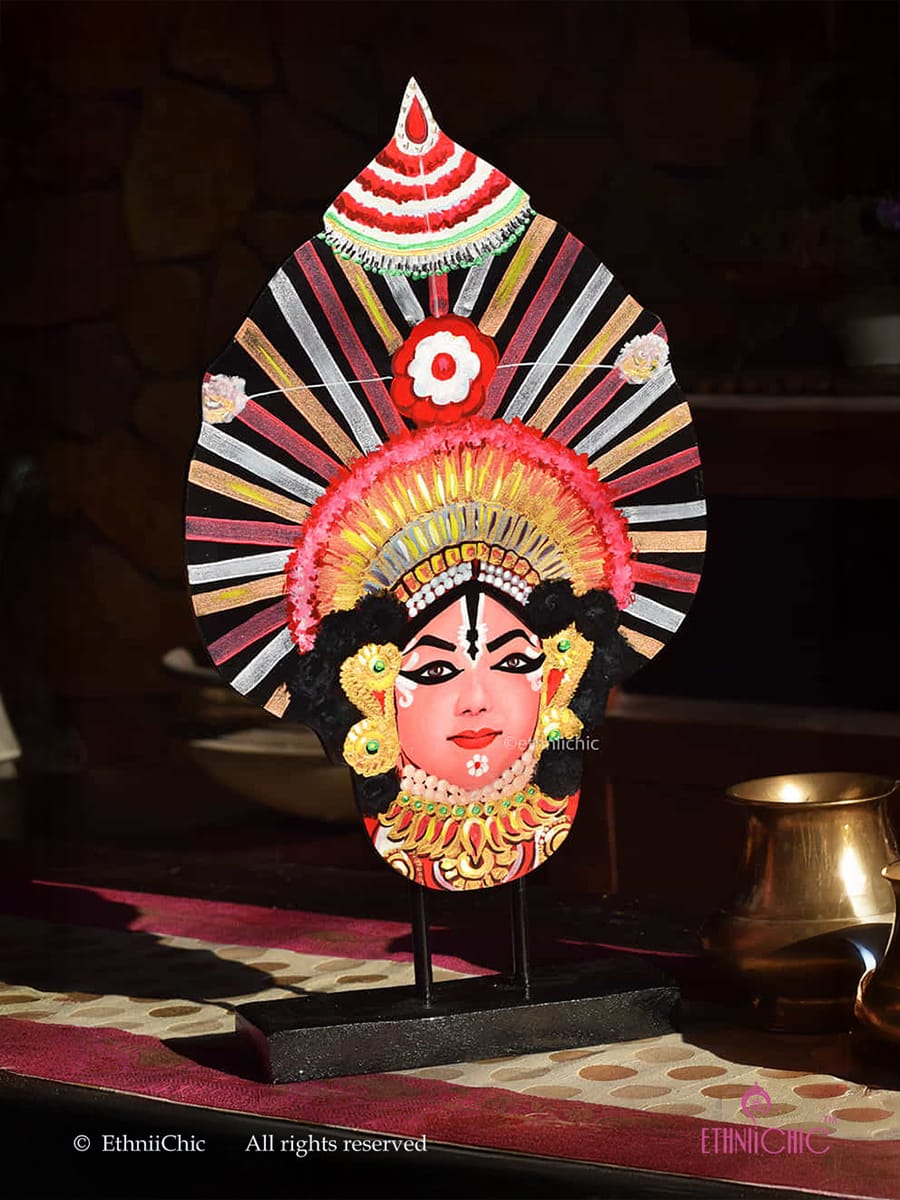
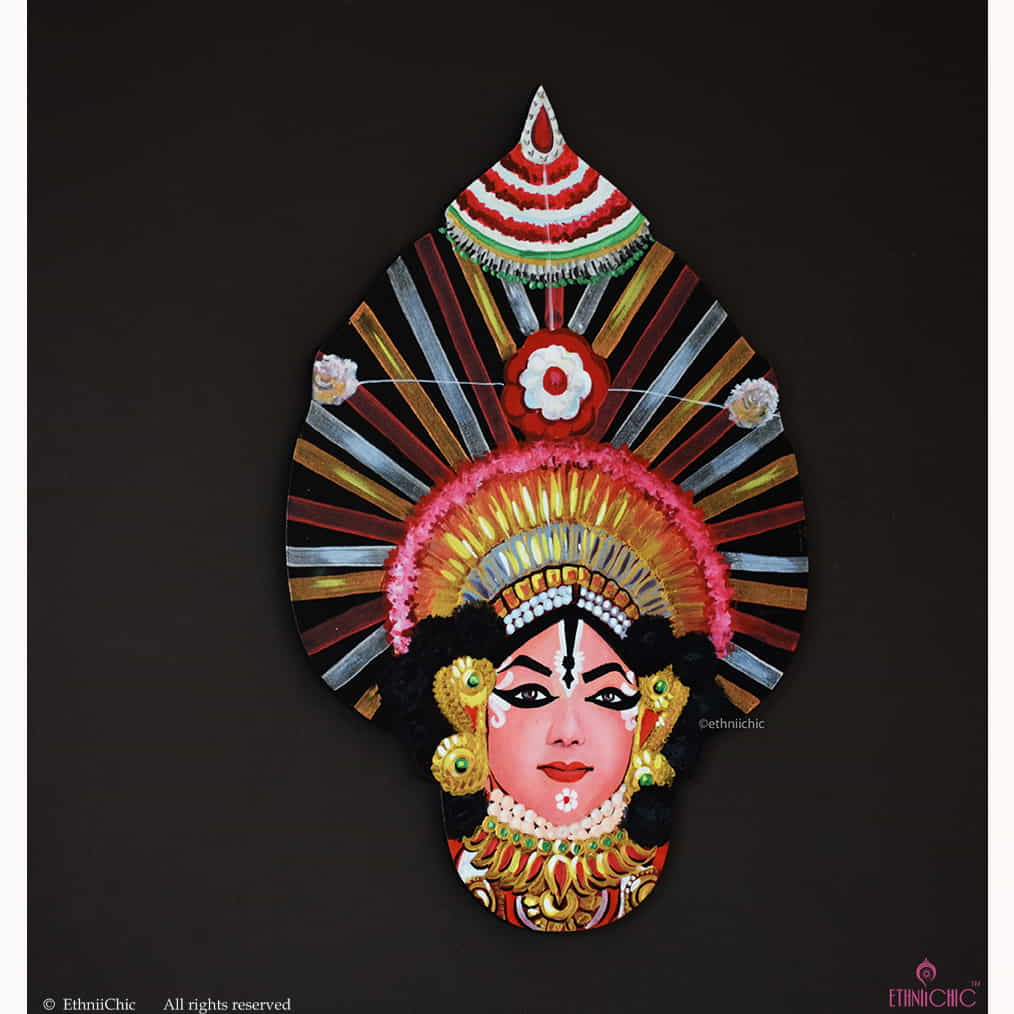
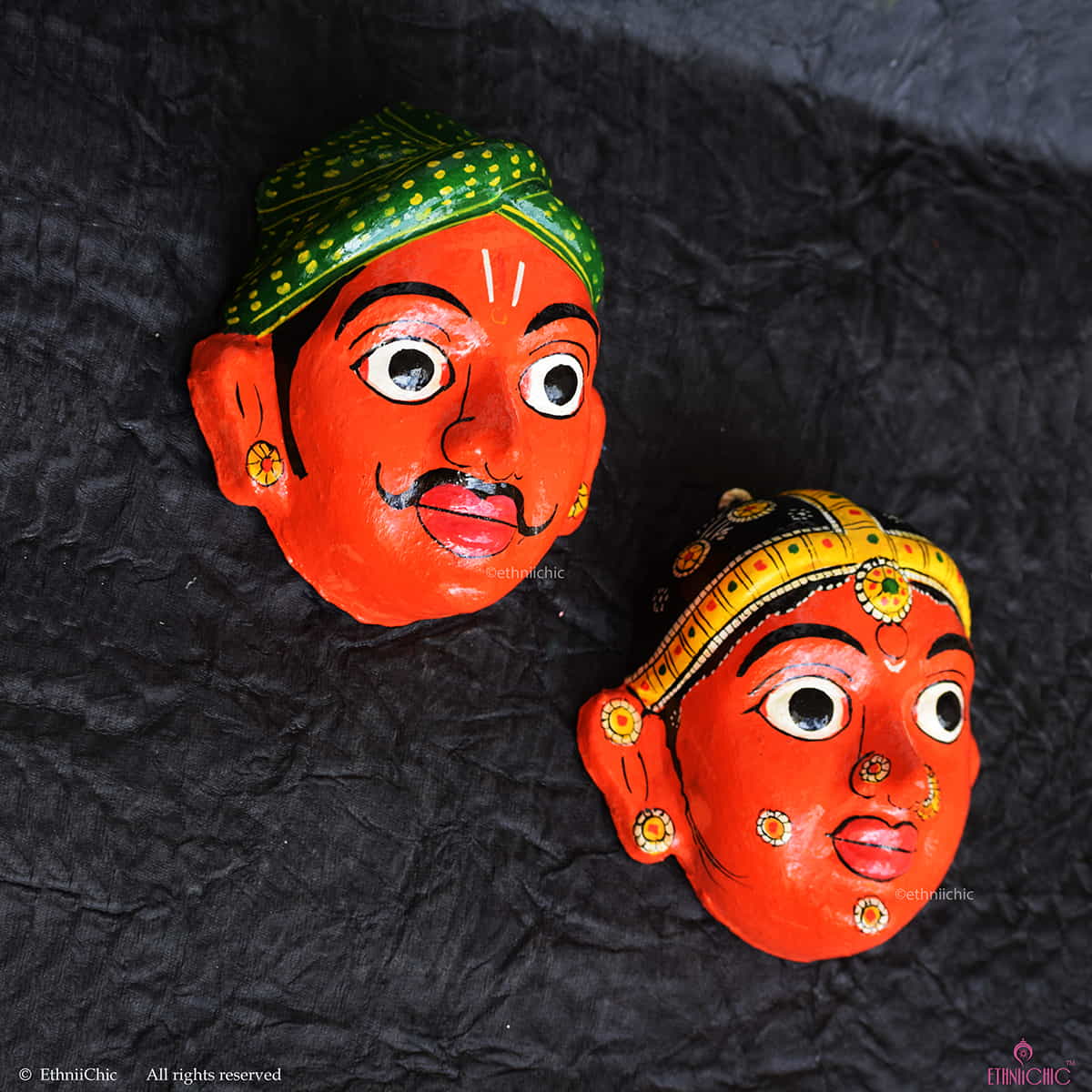
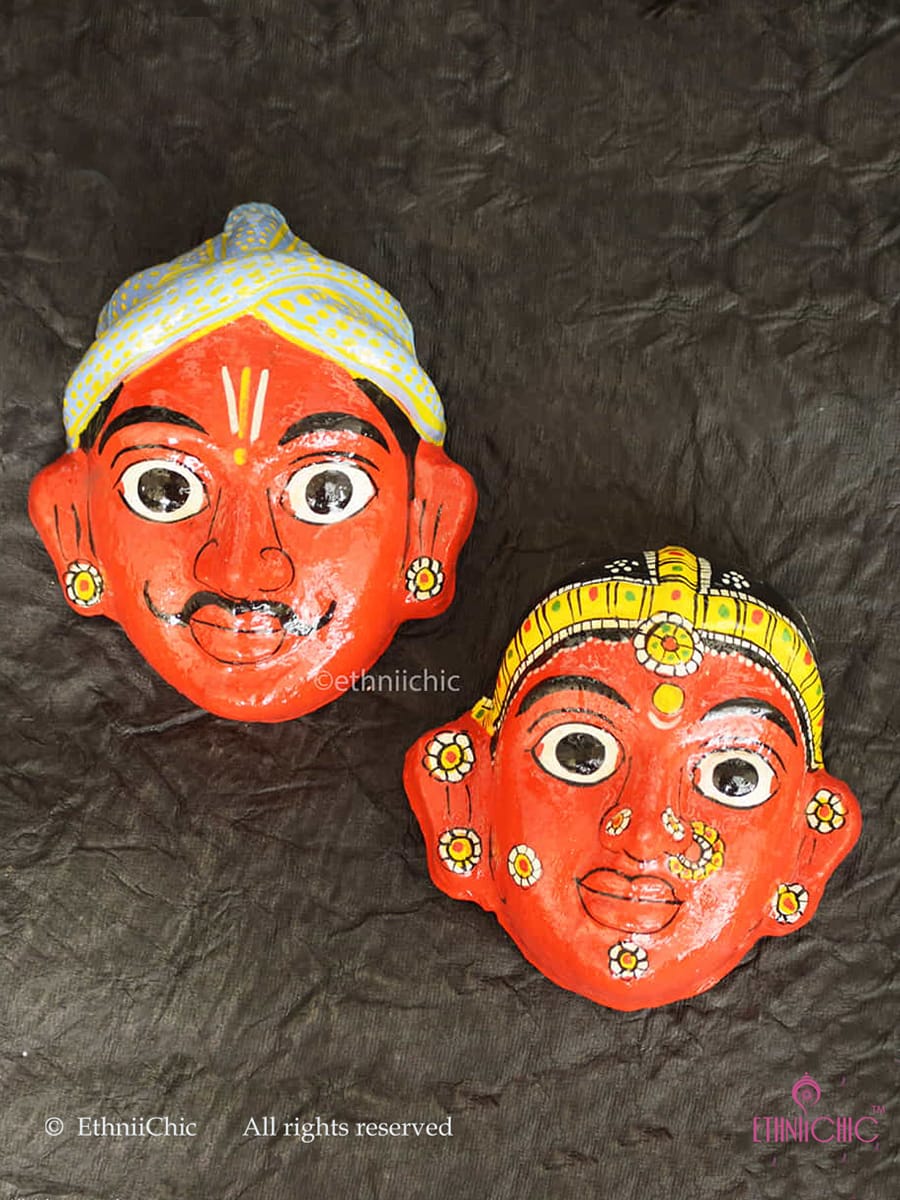
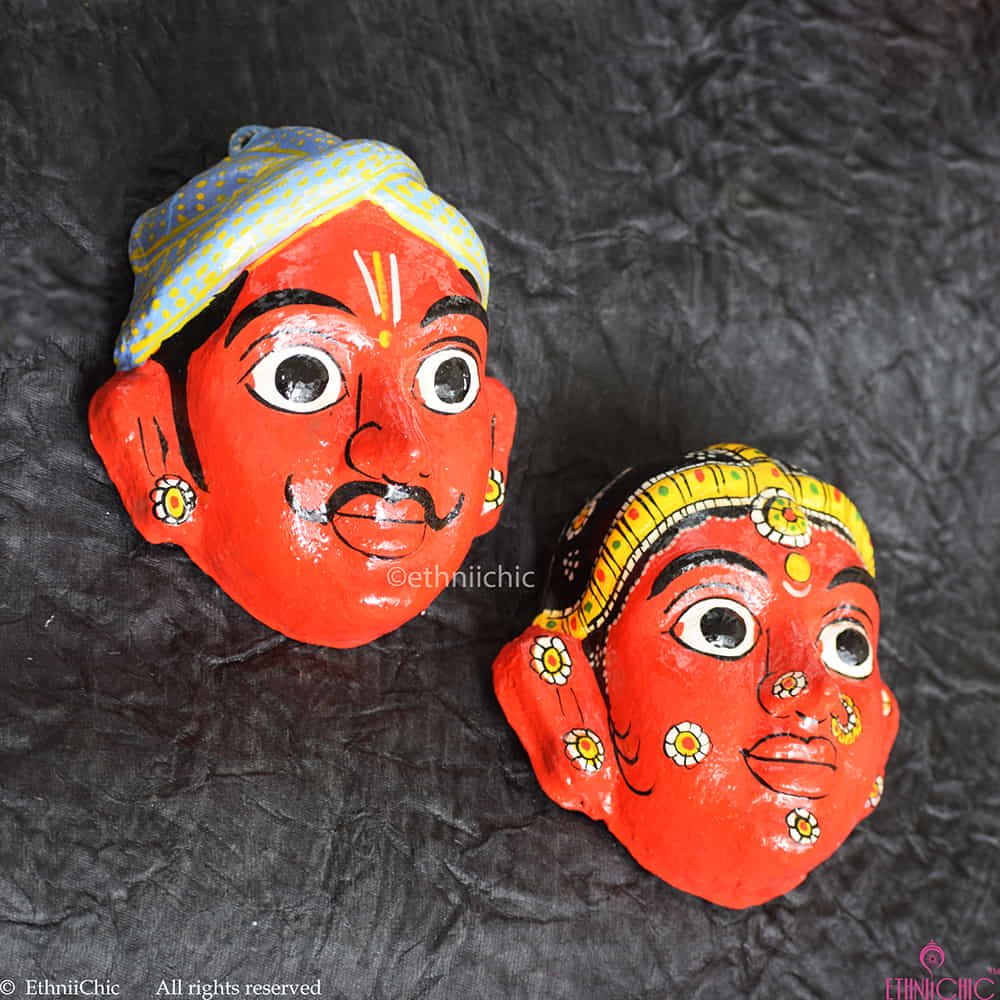
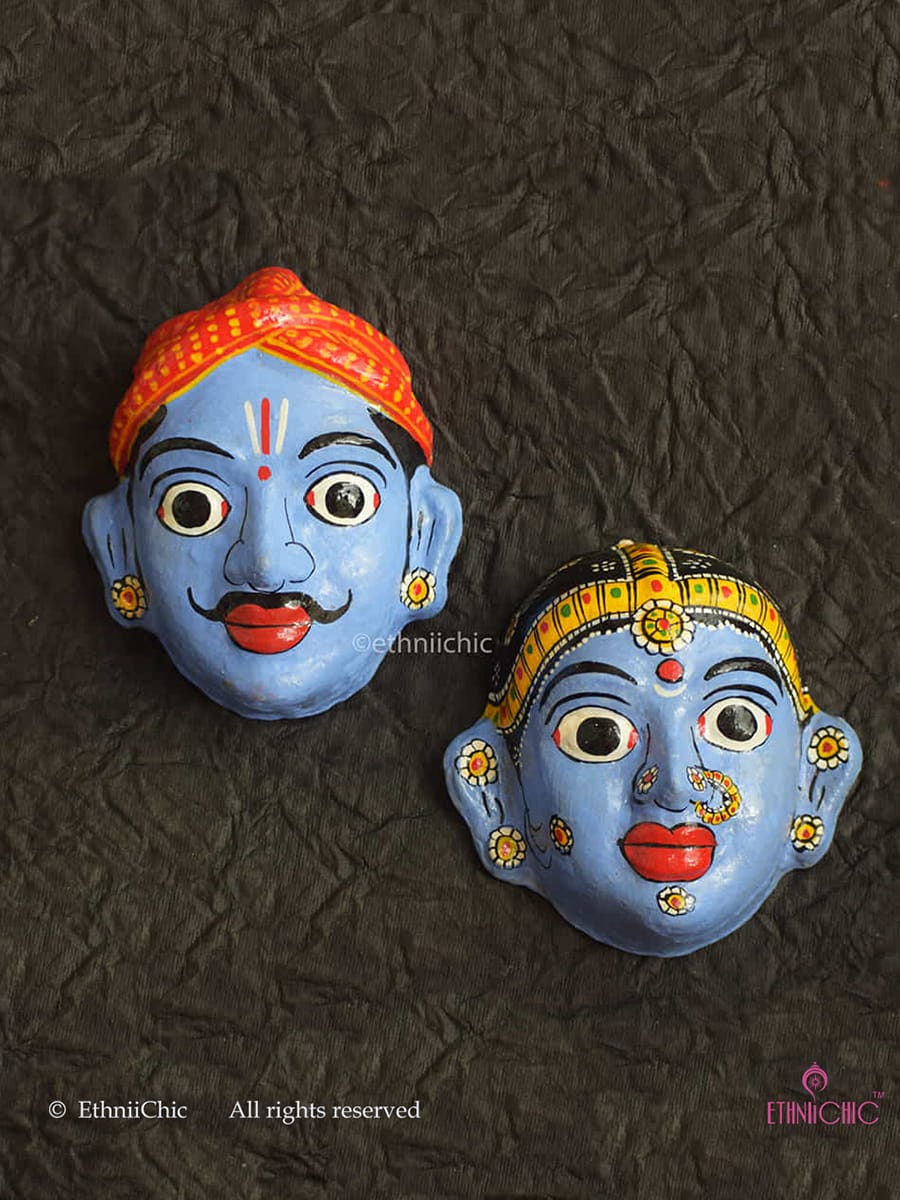
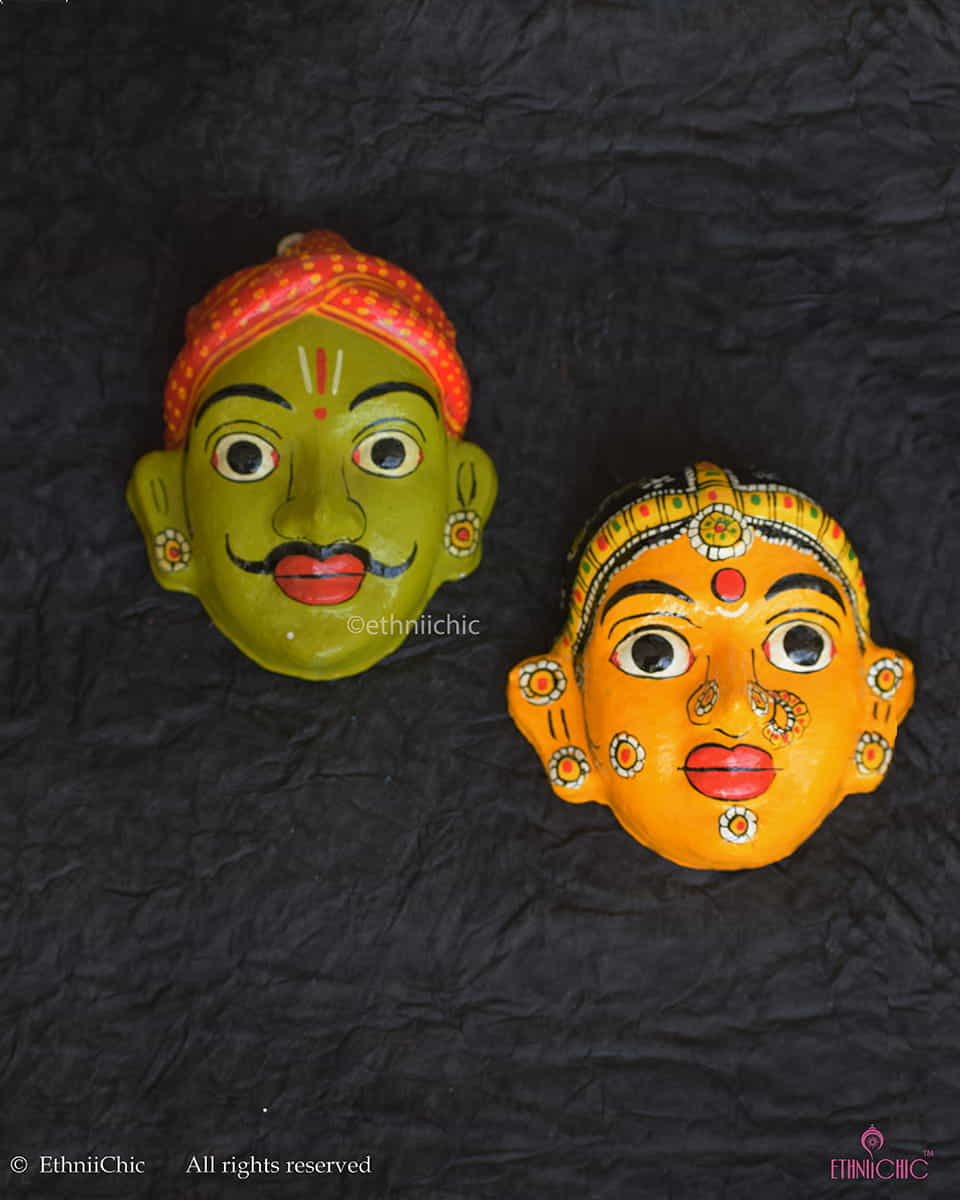
Masks anchor this collection's identity: Cheriyal's sculptural masks, built on tamarind seed paste, sawdust, and cotton cloth by Telangana's Nakashi artisans (GI-tagged since 2010); Theyyam masks, translating Kerala's living ritual performance tradition — where a performer temporarily embodies a deity — into wall sculpture; and Gambhira's fish-crown masks from West Bengal, historically performed at Chaitra Sankranti. Each is a genuinely distinct craft, not a regional variation on the same technique.
Shop Cheriyal Masks → · Shop Theyyam Heads →

Temple Architecture, Brought to a Home Wall

Two pieces here reference genuine temple-architecture iconography rather than decorative pattern work: the Keerthimukha Wall Frame depicts Kirtimukha, the "Face of Glory," traditionally placed above temple doorways to guard the threshold; and the Gandharva Wall Corbel references the celestial musicians of Indra's court, carved as corbel figures in South Indian temple architecture, particularly Karnataka and Tamil Nadu. Both carry real architectural weight rather than standing in as generic ornate carving.
Shop Wall Frames →

Jharoka Frames — Rajasthan's Balcony Window, as a Portrait Format

The Jharoka wall frames — depicting Devi, Krishna, and Ganesha on Lotus — take their name and shape from jharoka, the traditional Rajasthani balcony-window architectural format, adapted here as a framing device for individually named devotional figures. The Ganesha-on-Lotus piece carries specific symbolism worth knowing: the lotus is the seat of several major deities in Hindu iconography, and pairing it with Ganesha ties the piece to new beginnings and auspicious starts, not decorative flourish.
Shop Devi/Goddess →

Choosing Where to Start

If you want the collection's most dramatic single statement, the Theyyam Mask or Gandharva Wall Corbel anchors a room on its own. If you're building a themed grouping, three or more Cheriyal masks in different colourways read as a considered, matched set. If your connection is devotional rather than purely visual, a Jharoka frame names the figure directly rather than leaving it to interpretation.

Frequently Asked Questions (FAQs)

1. What mask traditions are represented in this collection?
Cheriyal masks from Telangana (GI-tagged since 2010), Theyyam masks from Kerala's living ritual performance tradition, and Gambhira fish-crown masks from West Bengal — three genuinely distinct techniques.

2. What is a Jharoka wall frame?
A framing format named for jharoka, Rajasthan's traditional balcony-window architecture, adapted here to frame individually named devotional figures like Devi, Krishna, and Ganesha.

3. What is Keerthimukha, and why is it on a wall frame?
Keerthimukha, or Kirtimukha ("Face of Glory"), is a guardian face from Hindu mythology traditionally placed above temple doorways to ward off harmful influences. EthniiChic's Keerthimukha Wall Frame is a hand-carved interpretation of that same temple-guardian iconography.

4. What are Gandharvas, and why are they carved as wall corbels?
Gandharvas are celestial musicians from Hindu mythology, associated with Indra's heavenly court. Carved Gandharva figures are a genuine feature of South Indian temple architecture, particularly in Karnataka and Tamil Nadu.

5. Are these pieces hand-painted or printed?
Hand-painted or hand-carved, individually, by artists trained in each specific regional tradition — no two pieces are exactly identical.

6. What's the price range across this collection?
From ₹1,500 for a Cheriyal mask to ₹7,385 for a large Theyyam mask.

7. Do you ship Indian wall decor internationally for NRI buyers?
Yes, across the full collection. Write to contactus@ethniichic.com before ordering to confirm shipping rates and delivery timelines for your country — larger sculptural pieces may need a separate freight quote.

8. Can I order a custom or bulk wall decor piece?
Yes. Custom motifs, sizing, and bulk or corporate gifting orders can be arranged through Commission Artwork or Contact Us.