Cheriyal art

Cheriyal art

Cheriyal scroll painting is Telangana's greatest visual storytelling tradition - a 500-year-old folk art form where vivid, earthy colours and bold outlines bring mythological narratives to life across long painted scrolls. Traditionally created by the Nakashi community of Hyderabad, Cheriyal art was the original visual medium for itinerant storytellers who travelled village to village, unrolling the scroll as they narrated the tale.

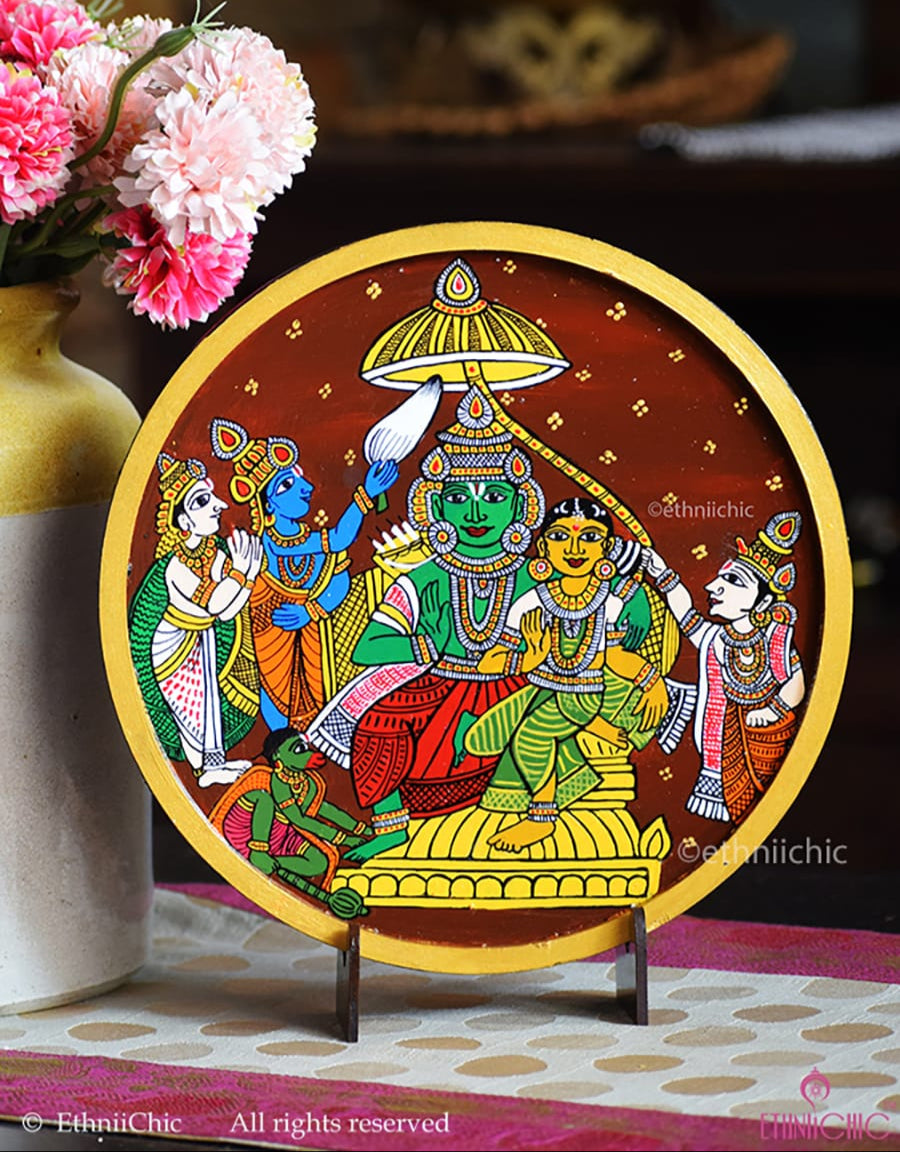
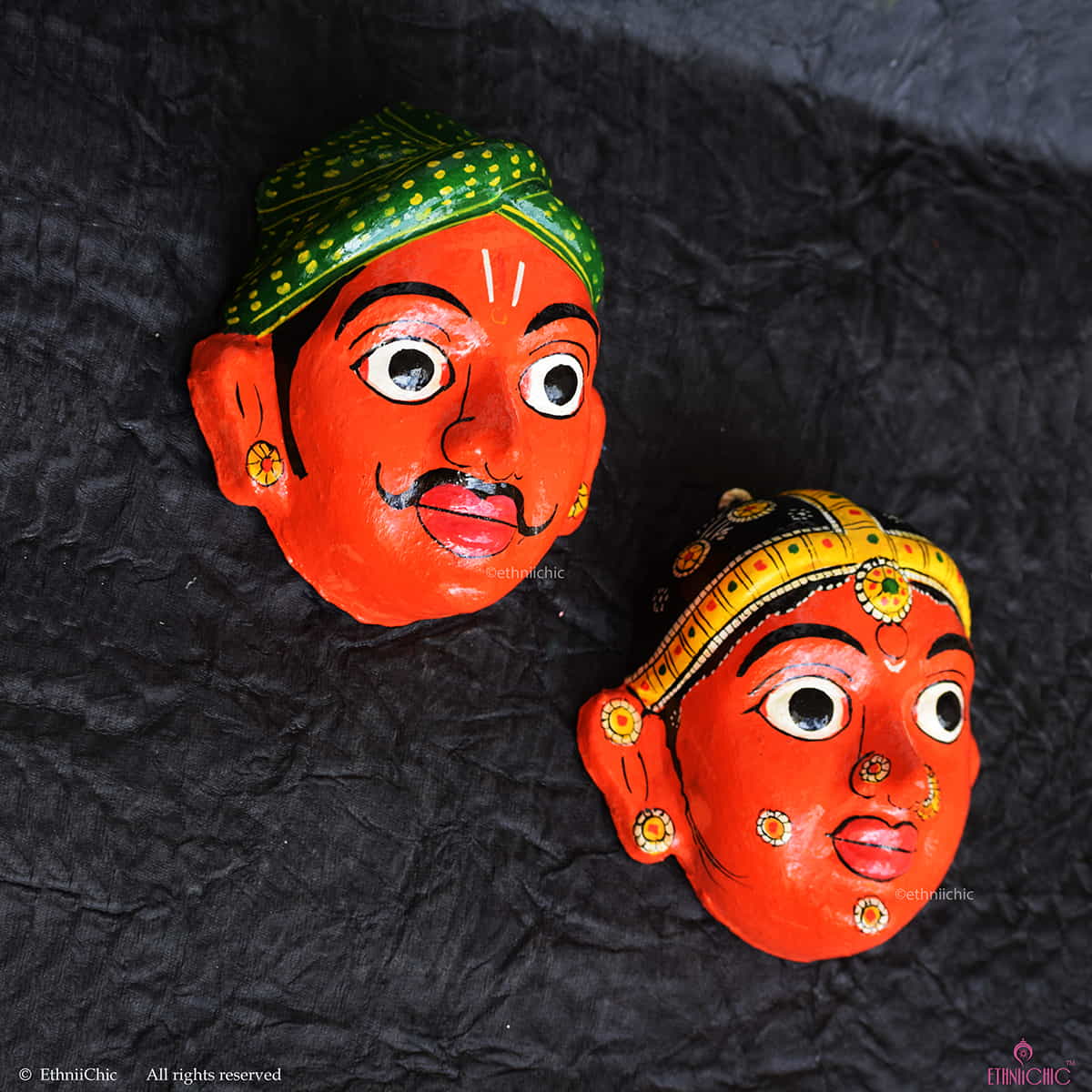
At EthniiChic, we honour this tradition by bringing Cheriyal into hand-painted decor objects that carry its distinctive visual language - the characteristic red background, bold black outlines, the stylised human figures, and the narrative richness - into masks, wall plates, sculptures, and art pieces made for the modern home. This is not surface-level Indian-ness. It is a specific, living art tradition, made by hands that understand it. Each piece is one of a kind, hand-painted in our studio, and designed to be collected and displayed with the pride it deserves.

Skip to results list
37 items
Column grid
Column grid

Filter

Popular Searches :

Read More

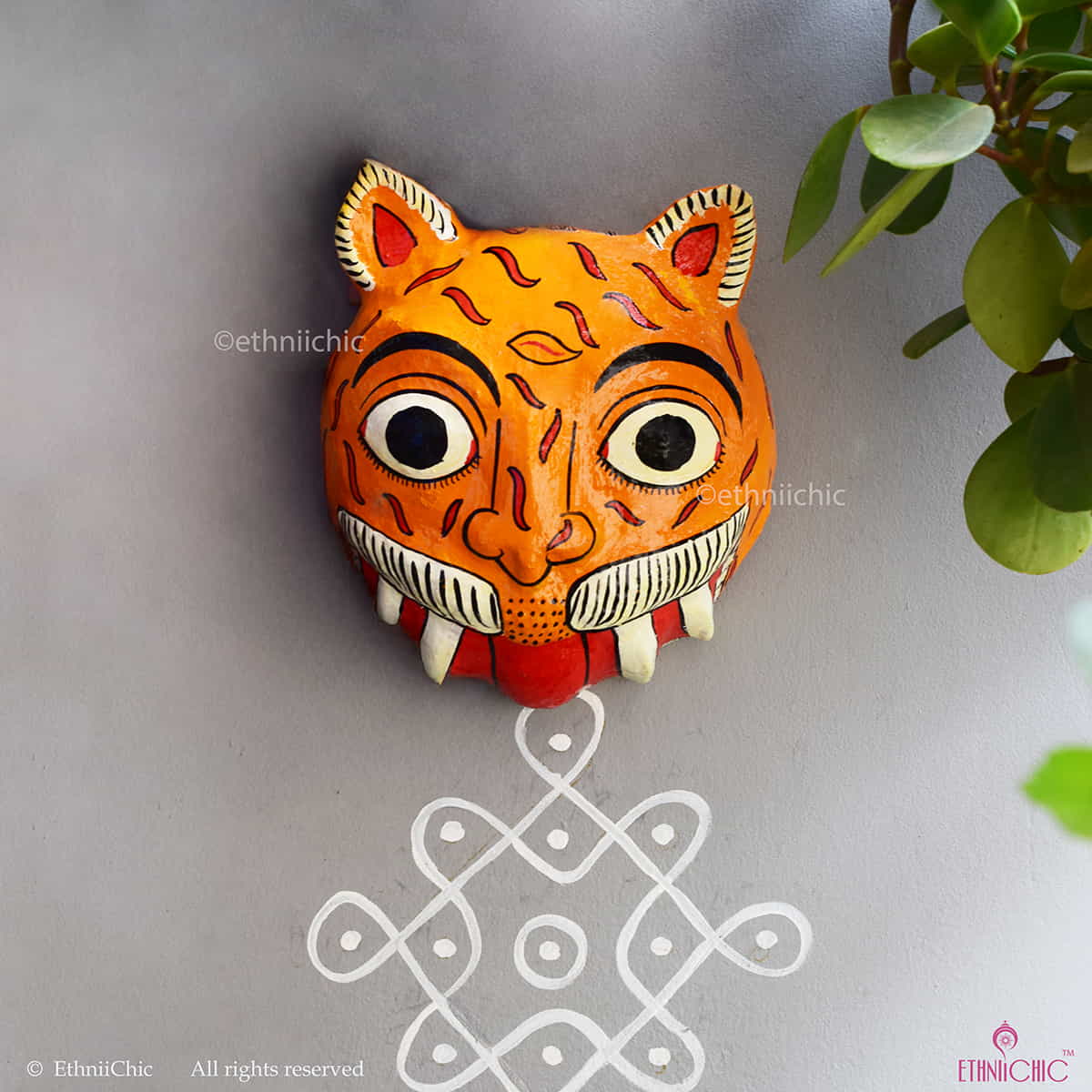
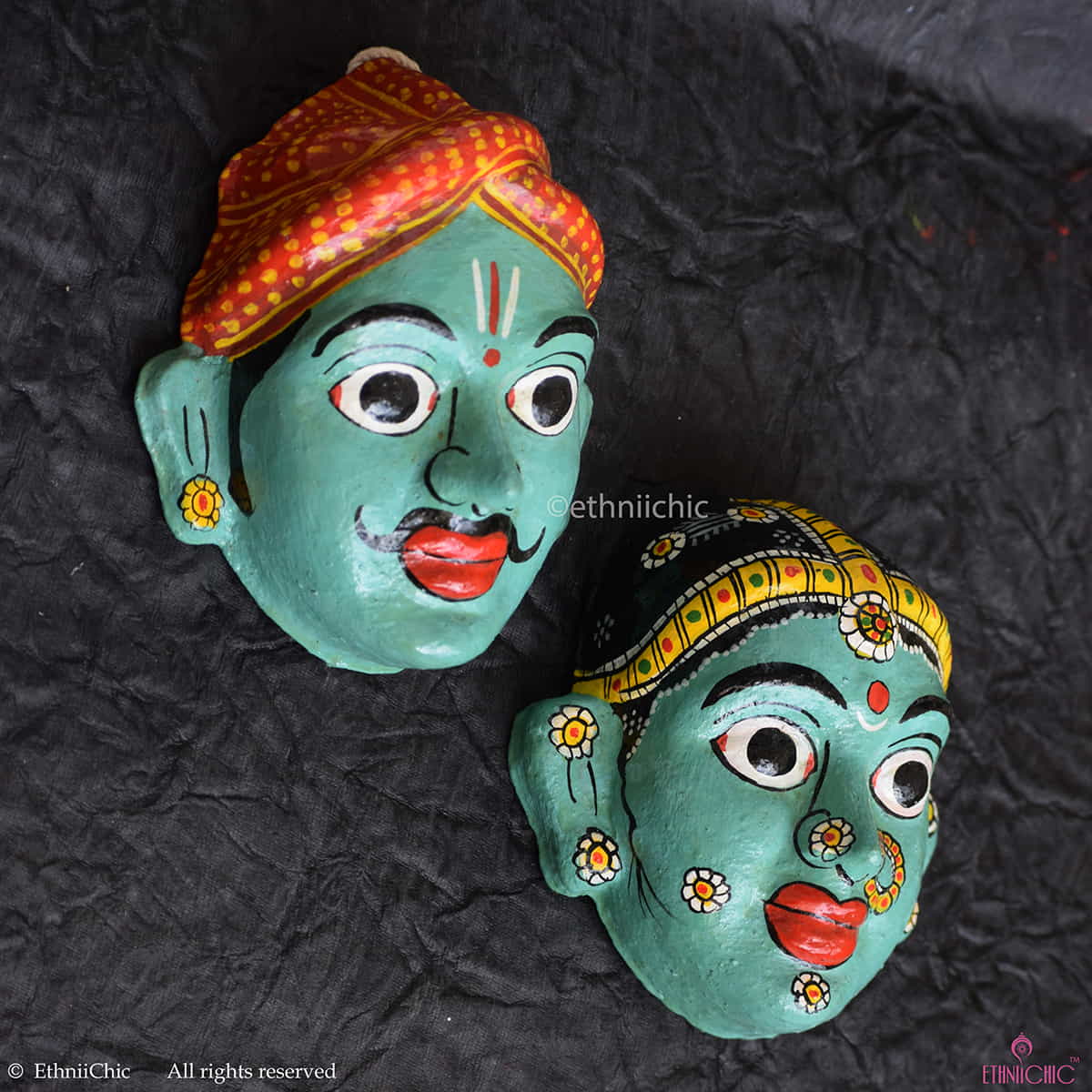
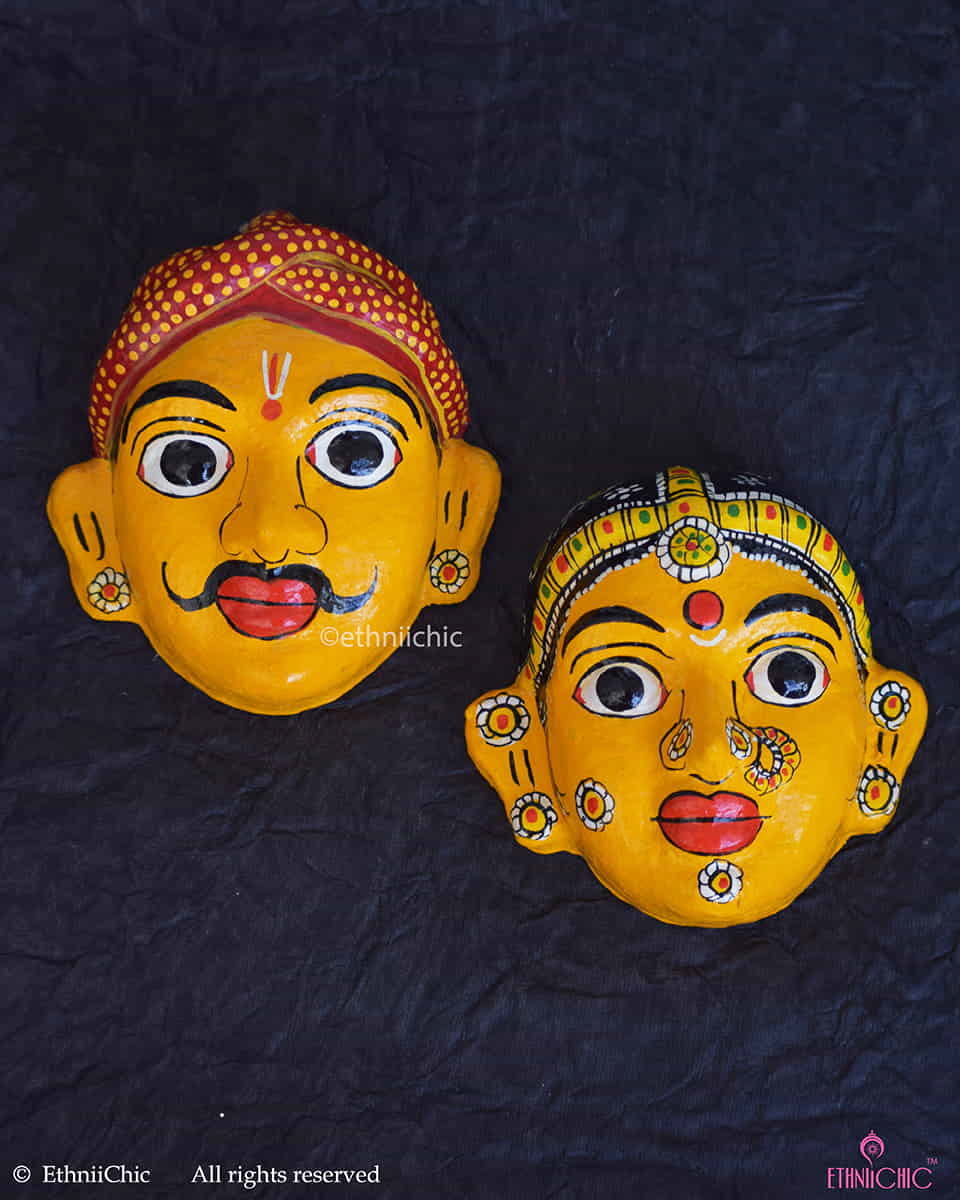
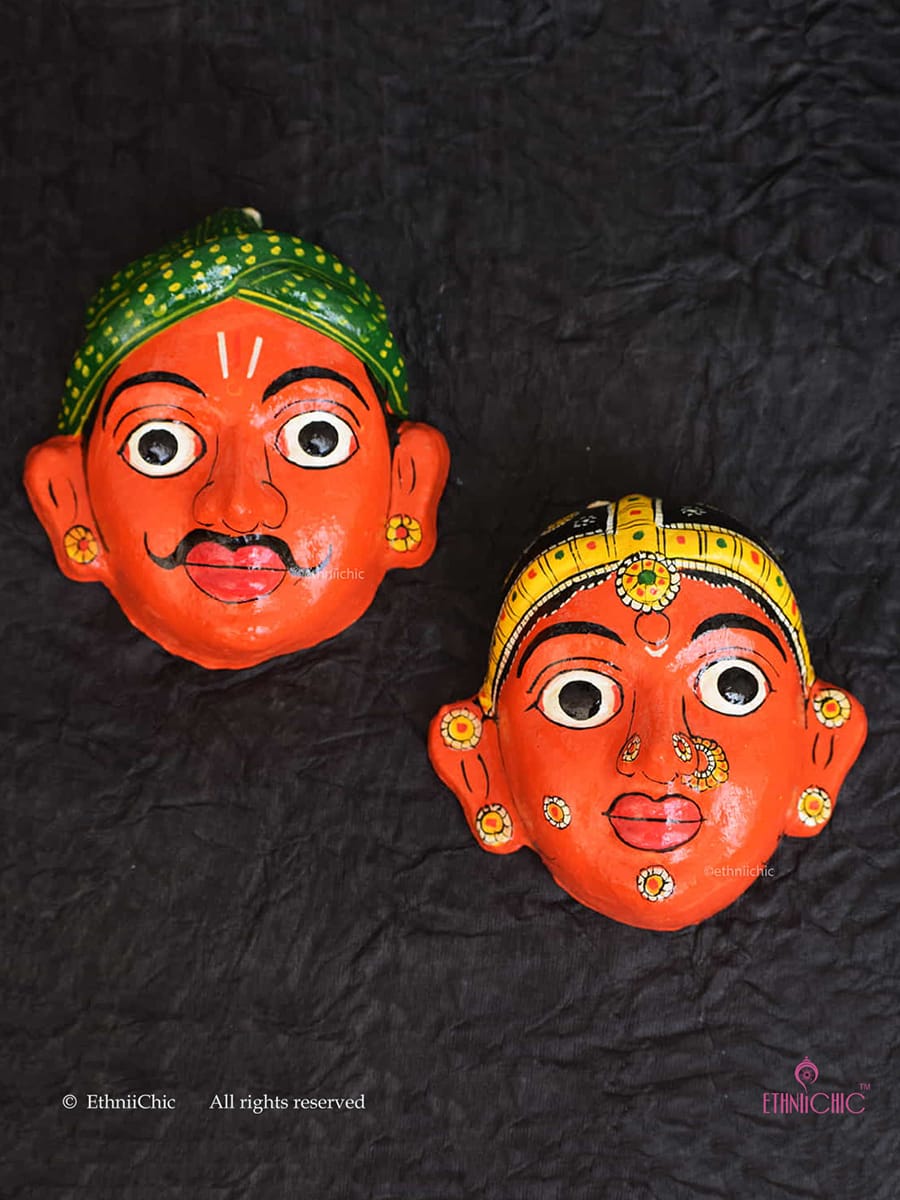
Cheriyal scroll painting is Telangana's greatest visual storytelling tradition — a roughly 400-year-old folk art form where vivid, earthy colours and bold outlines bring mythological narratives to life across long painted scrolls. Traditionally created by artists from the Nakashi community for the Kaki Padagollu, a community of travelling storytellers who would unroll a scroll panel by panel while narrating an epic aloud, Cheriyal is a genuinely narrative art form — every scene was made to be part of a story, not a standalone decoration. This collection carries that same visual language across two formats: wall plates depicting individual narrative scenes, and sculptural wall masks.

The Storytelling Panels — Wall Plates Rooted in the Original Tradition

The wall plates here are the closest thing in EthniiChic's catalogue to genuine Cheriyal scroll-painting subject matter: Sita Swayamvar depicts the bow-breaking contest from the Ramayana that won Sita's hand for Rama; Rani Sawari and Royal Procession draw on courtly ceremonial scenes; Vivah Jhula and Shringar depict domestic and romantic genre scenes long associated with the tradition; Village Musicians, Grama Streelu, and The Shepherd's Flock capture pastoral village life. These are individual frames from what would traditionally have been one continuous narrative scroll — a format EthniiChic has translated into standalone wall plates rather than a single unrolled panel.
Shop Wall Plates →

The Sculptural Masks — Cheriyal's Modern Wall-Art Form
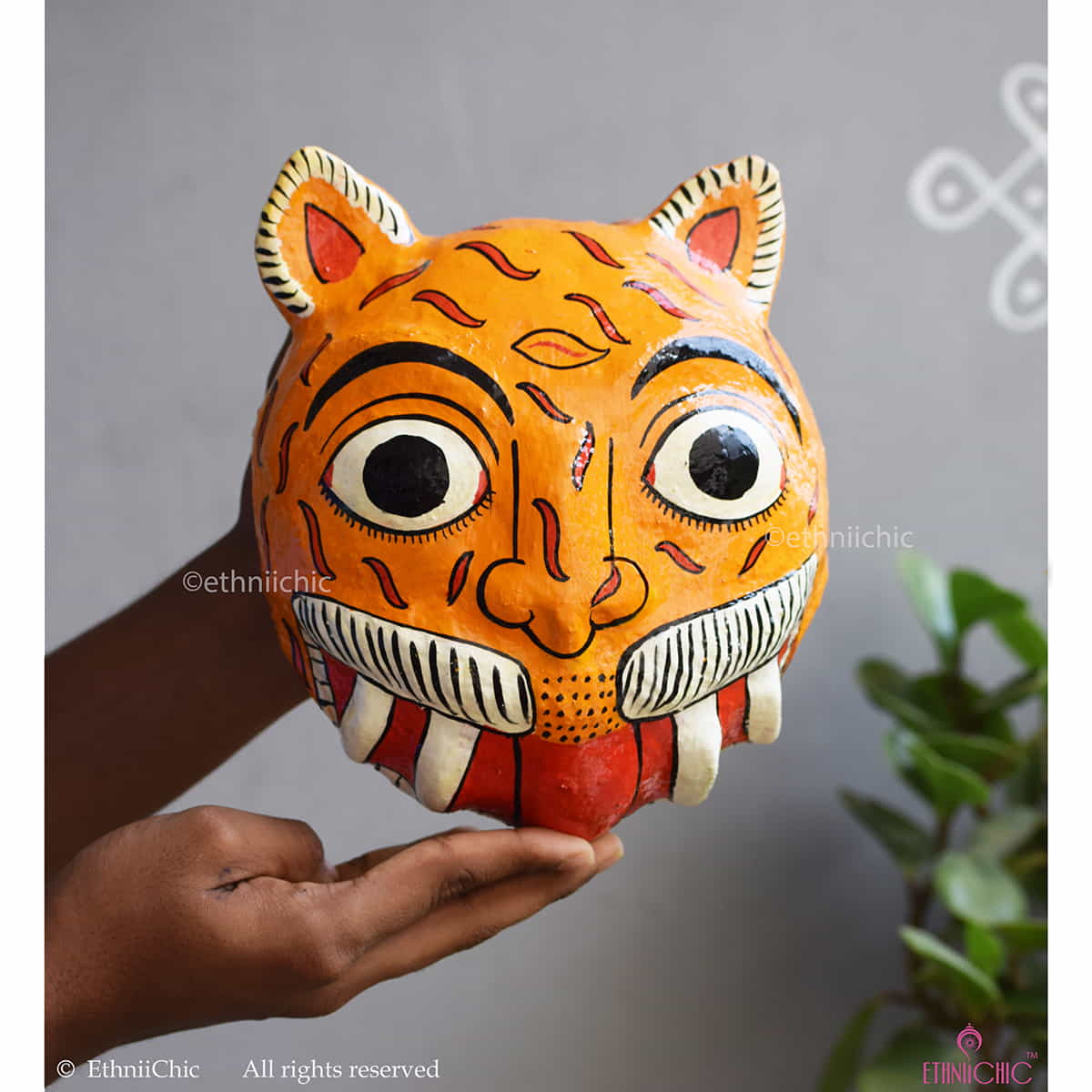
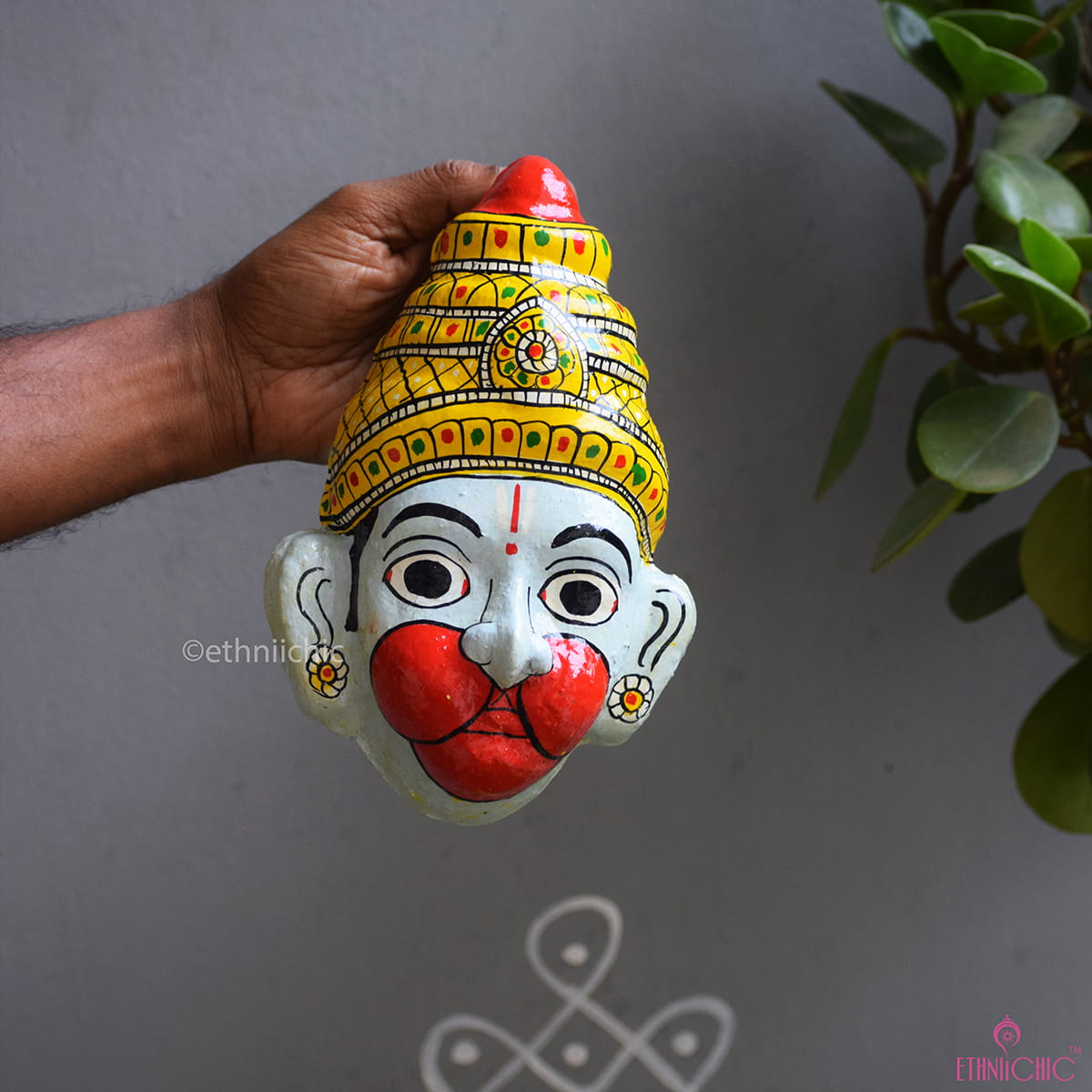
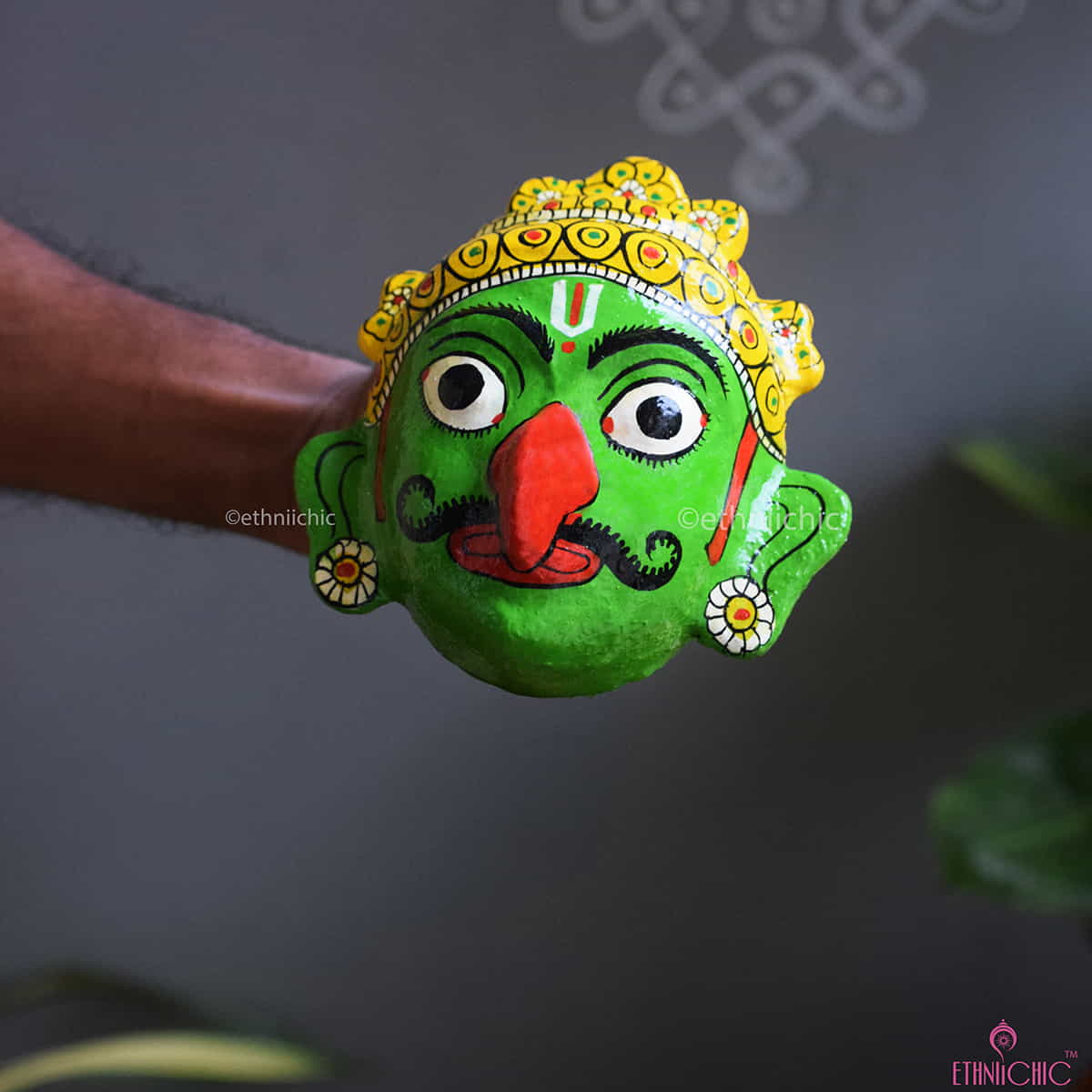
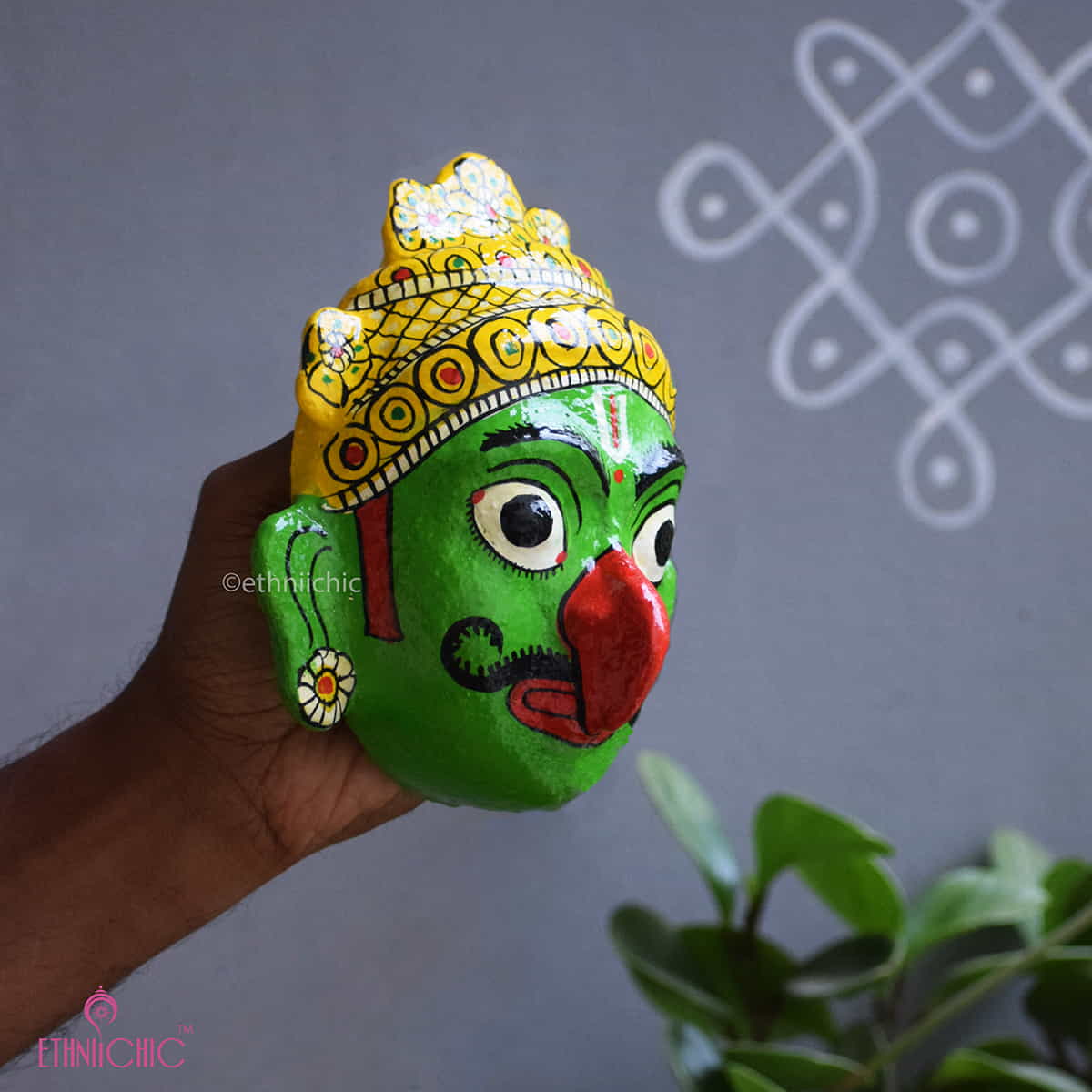
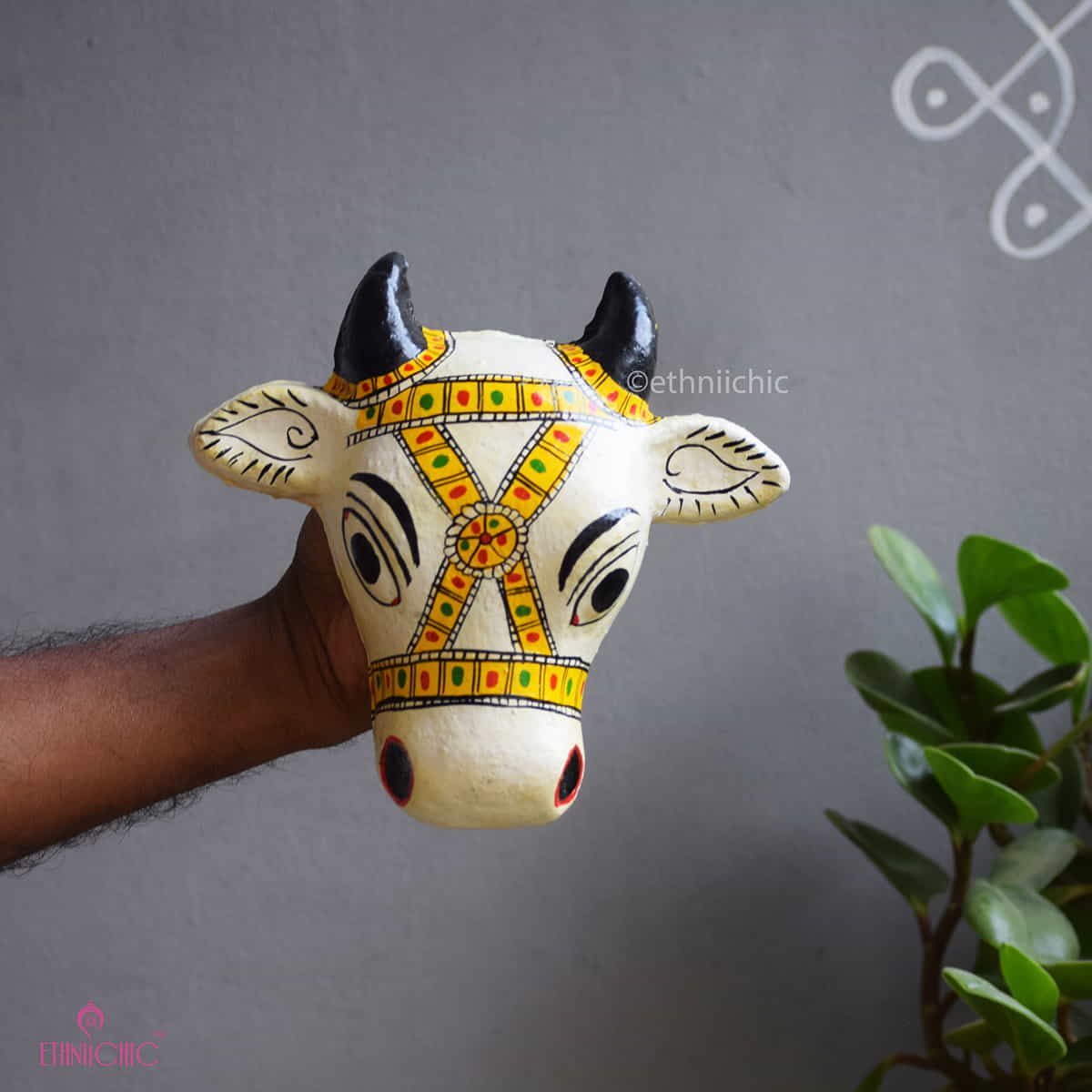
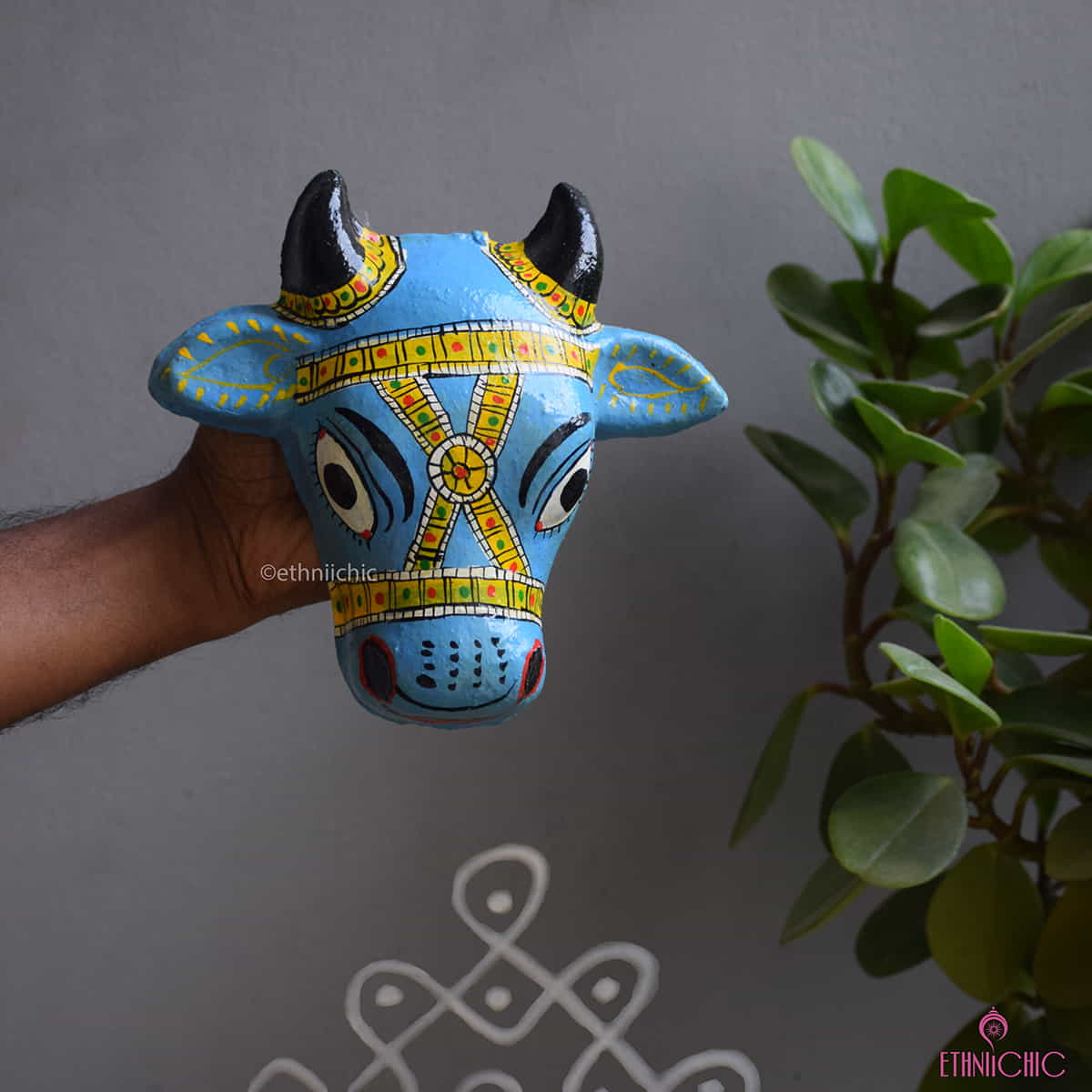
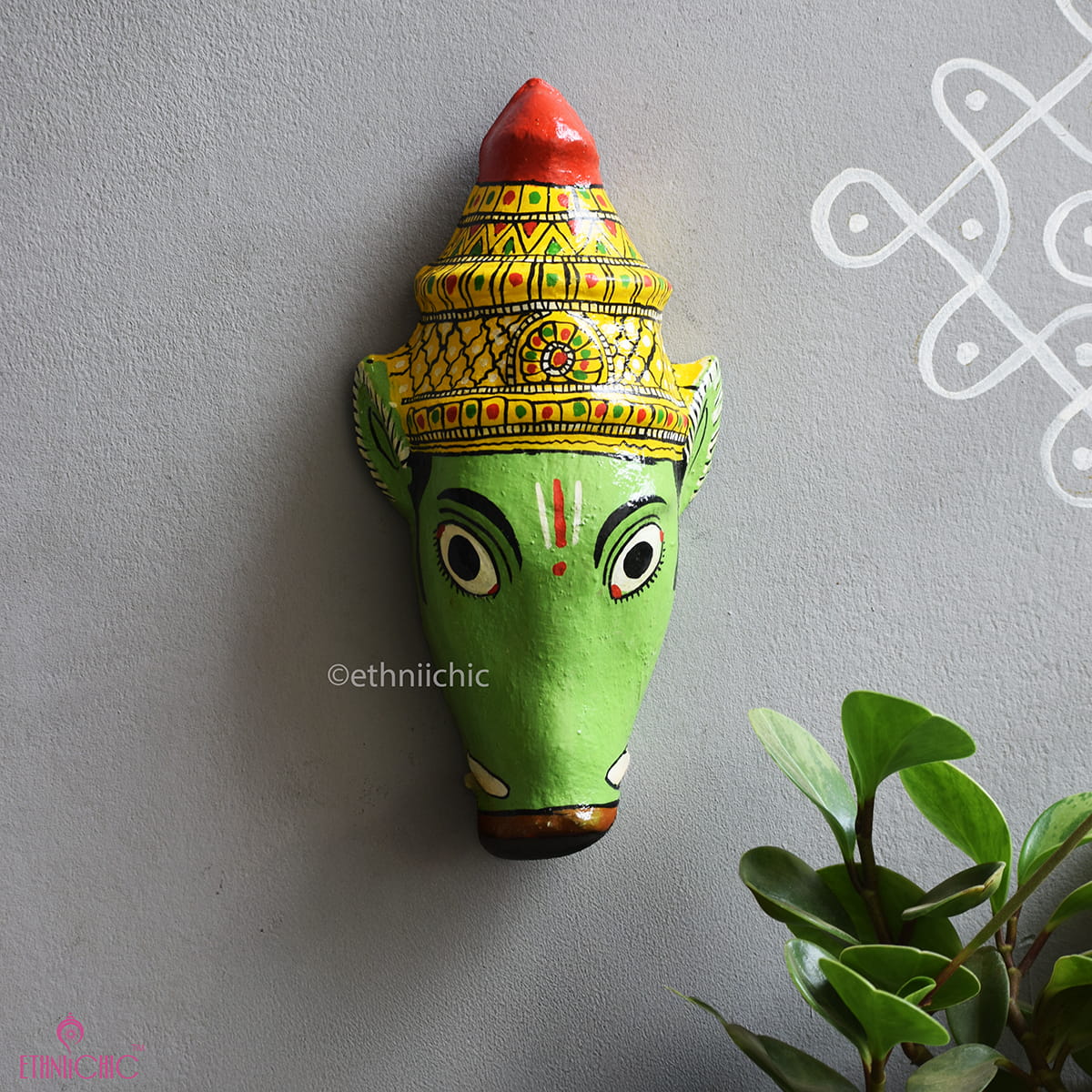
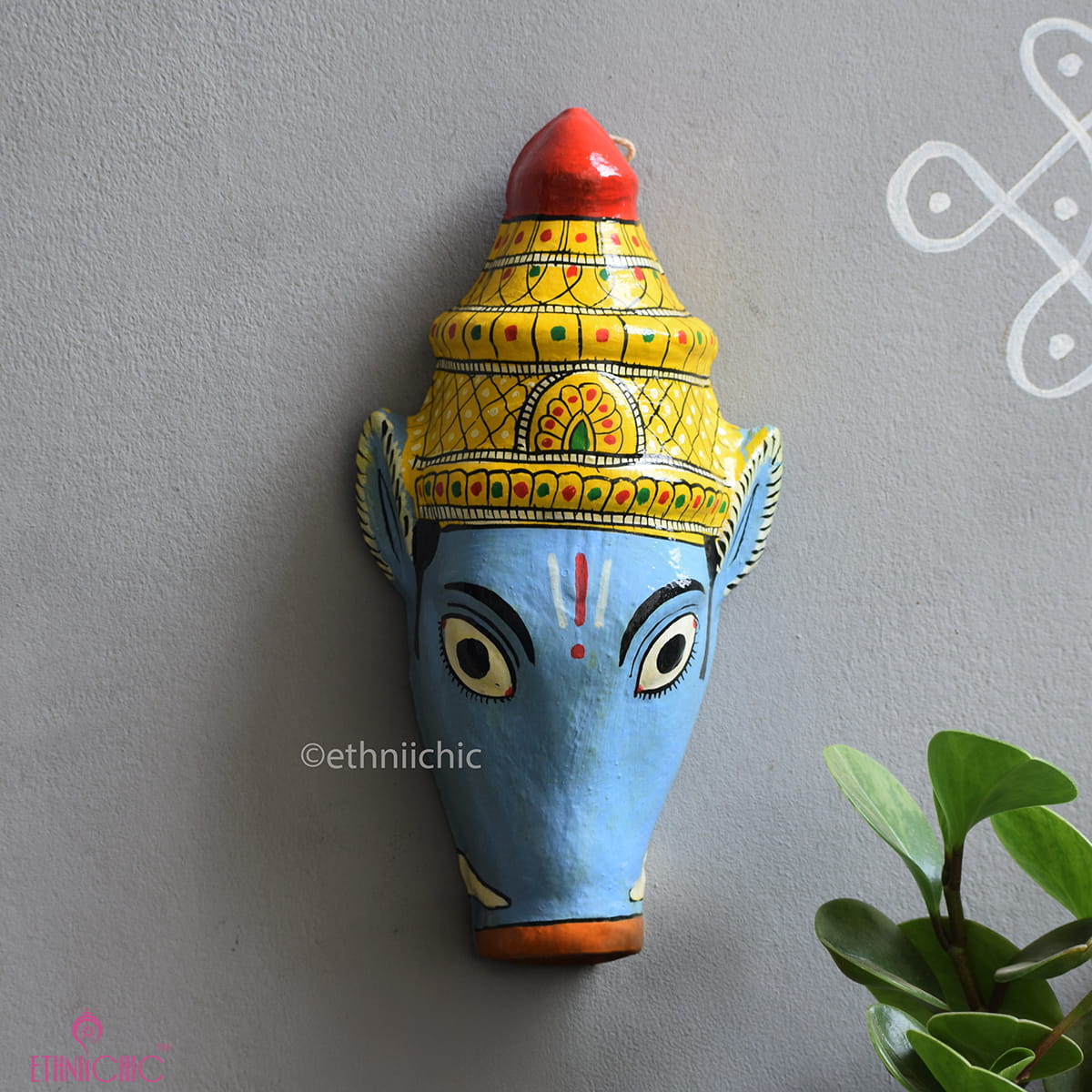
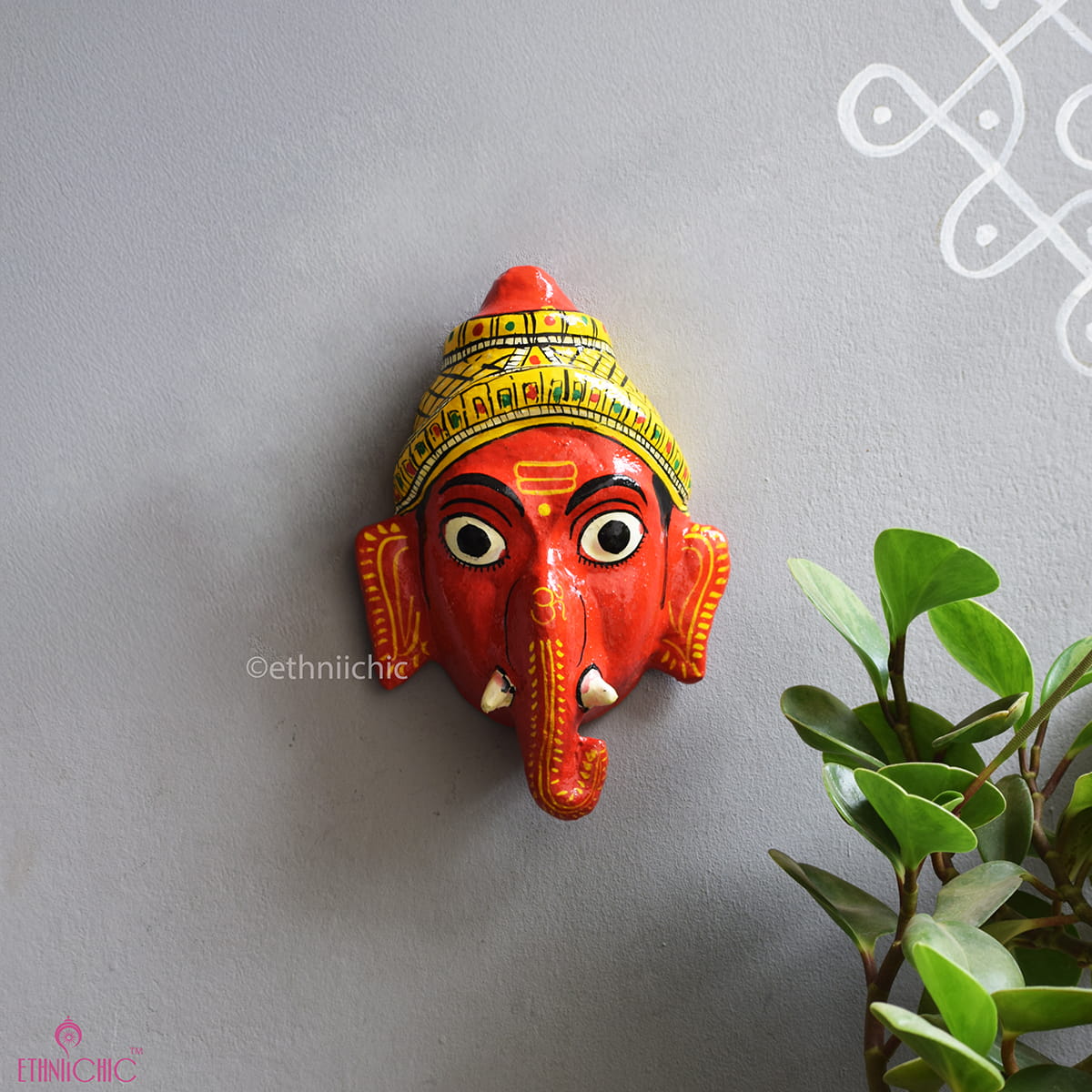
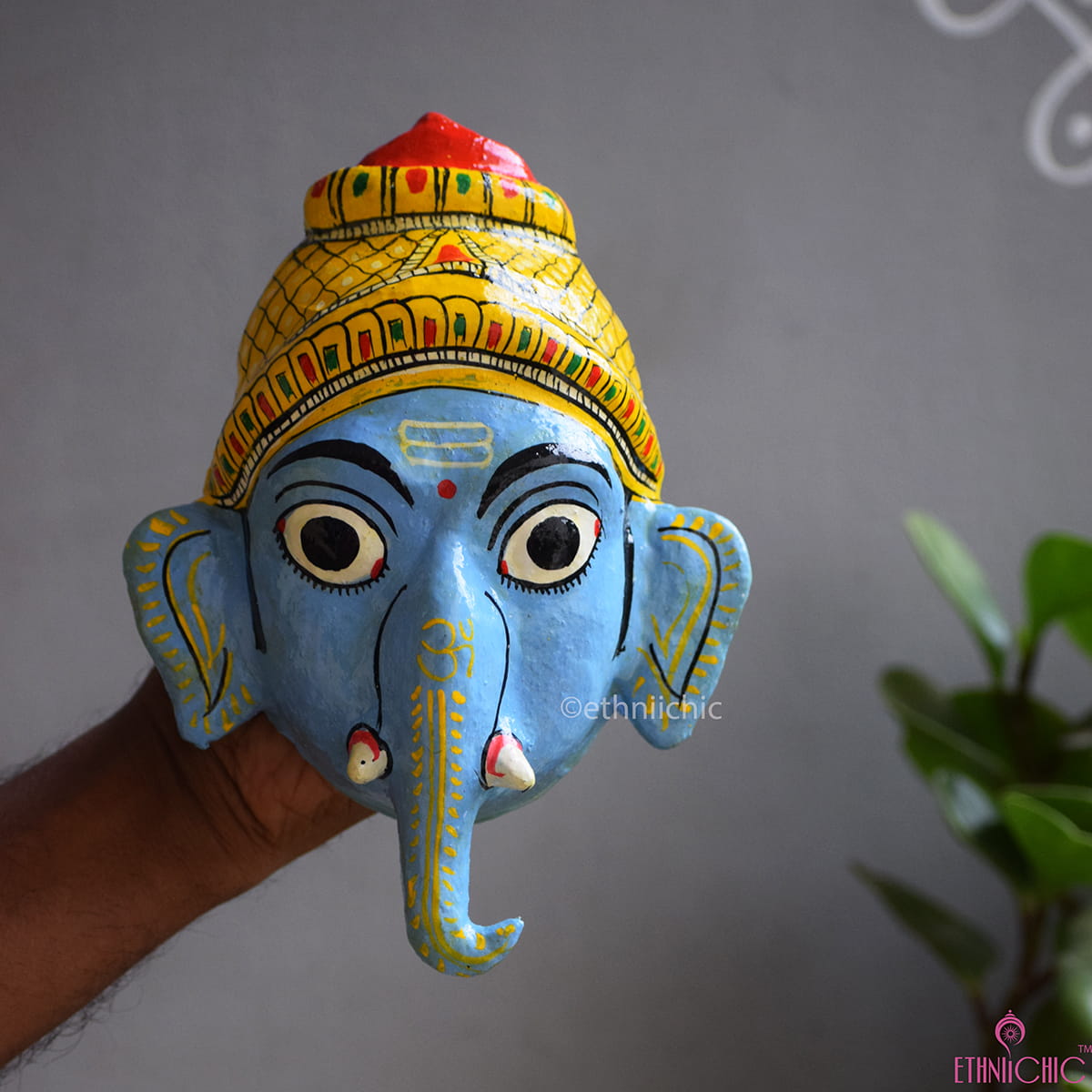
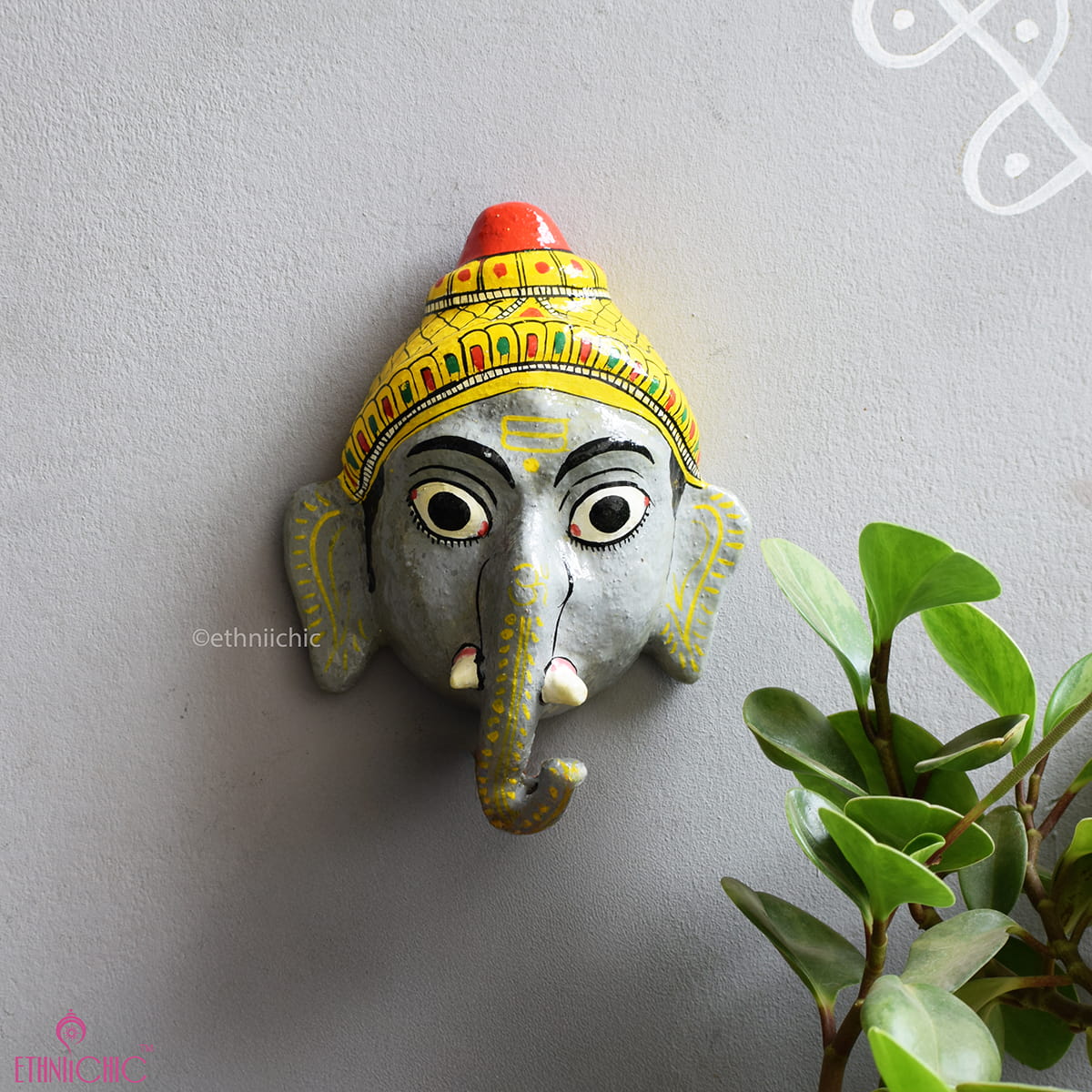
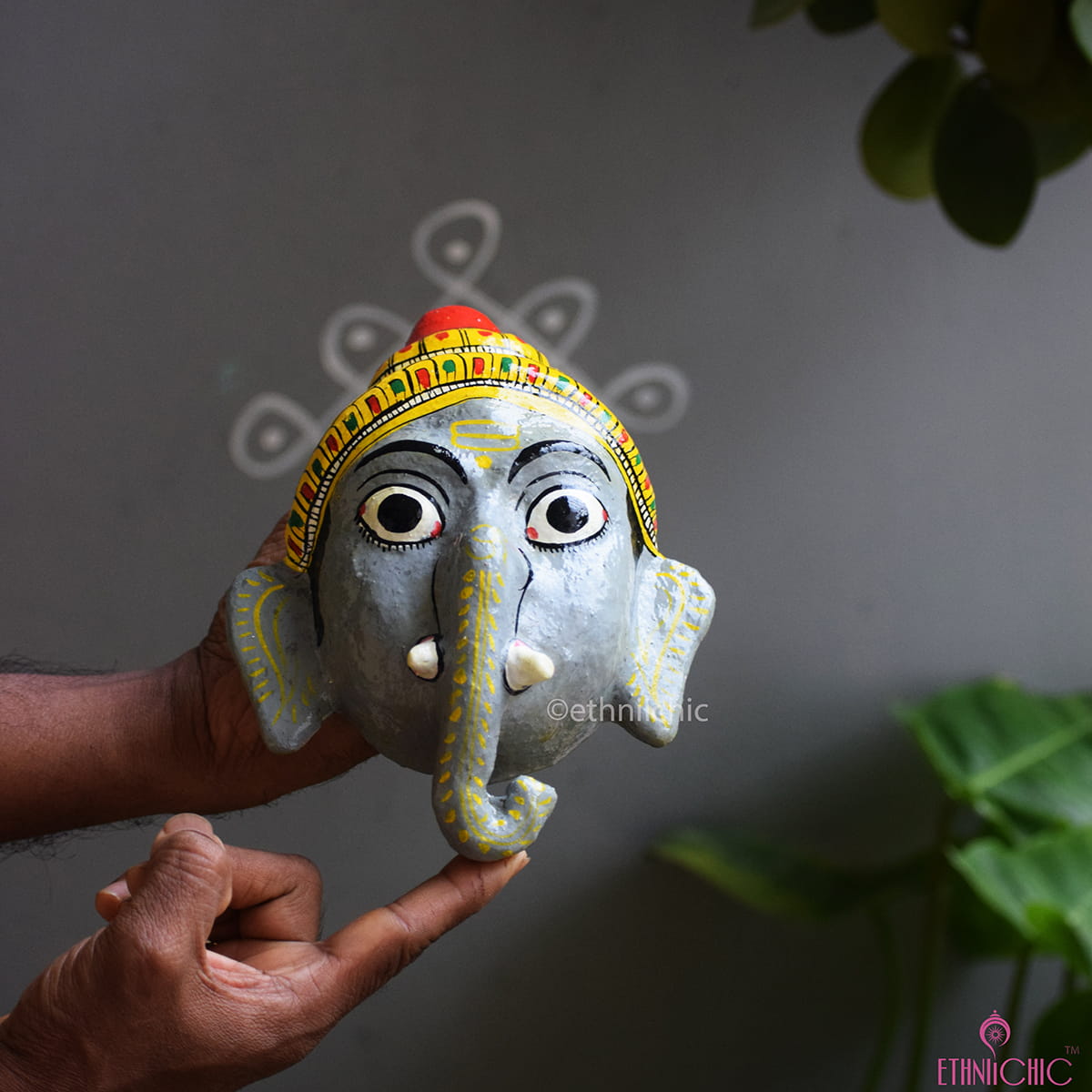
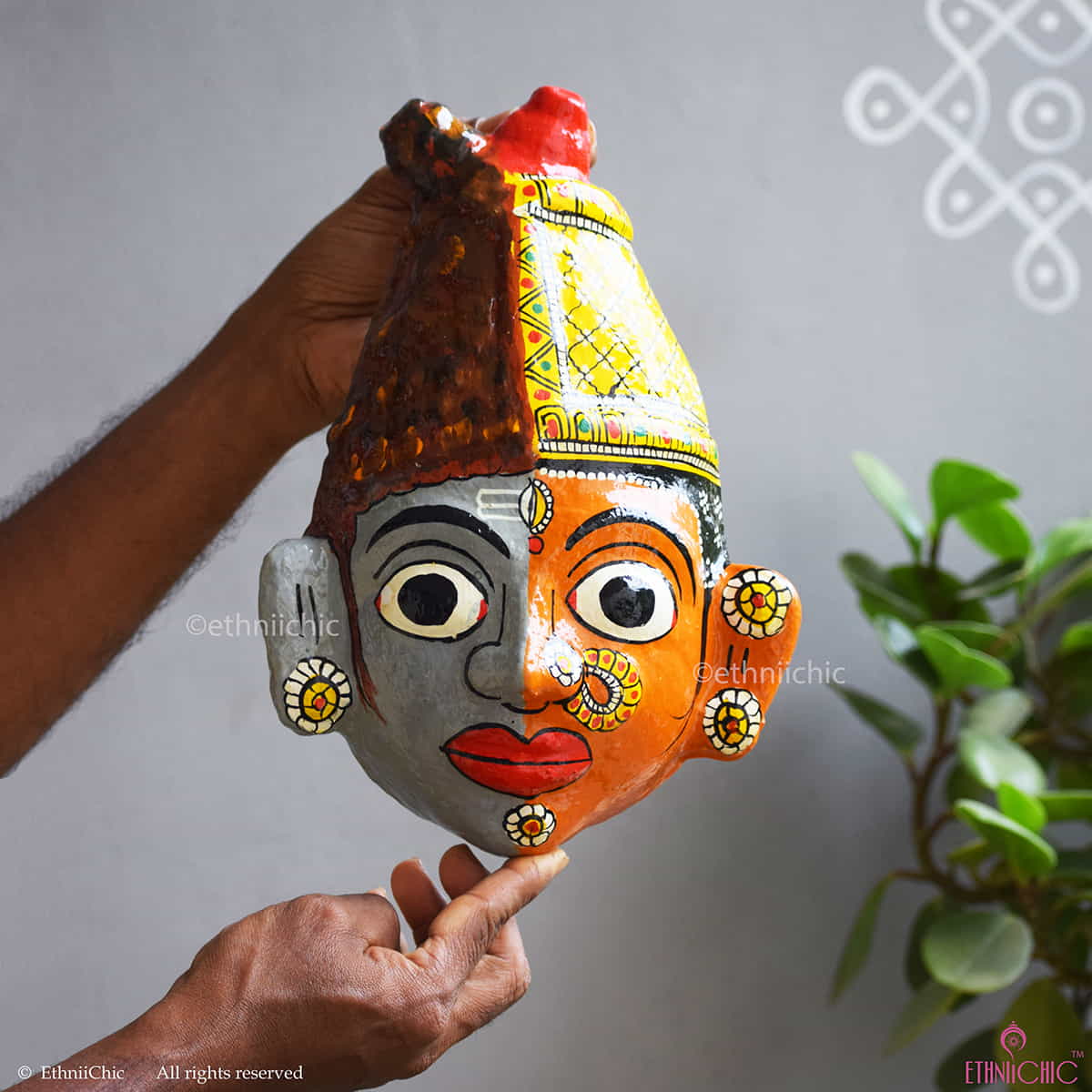
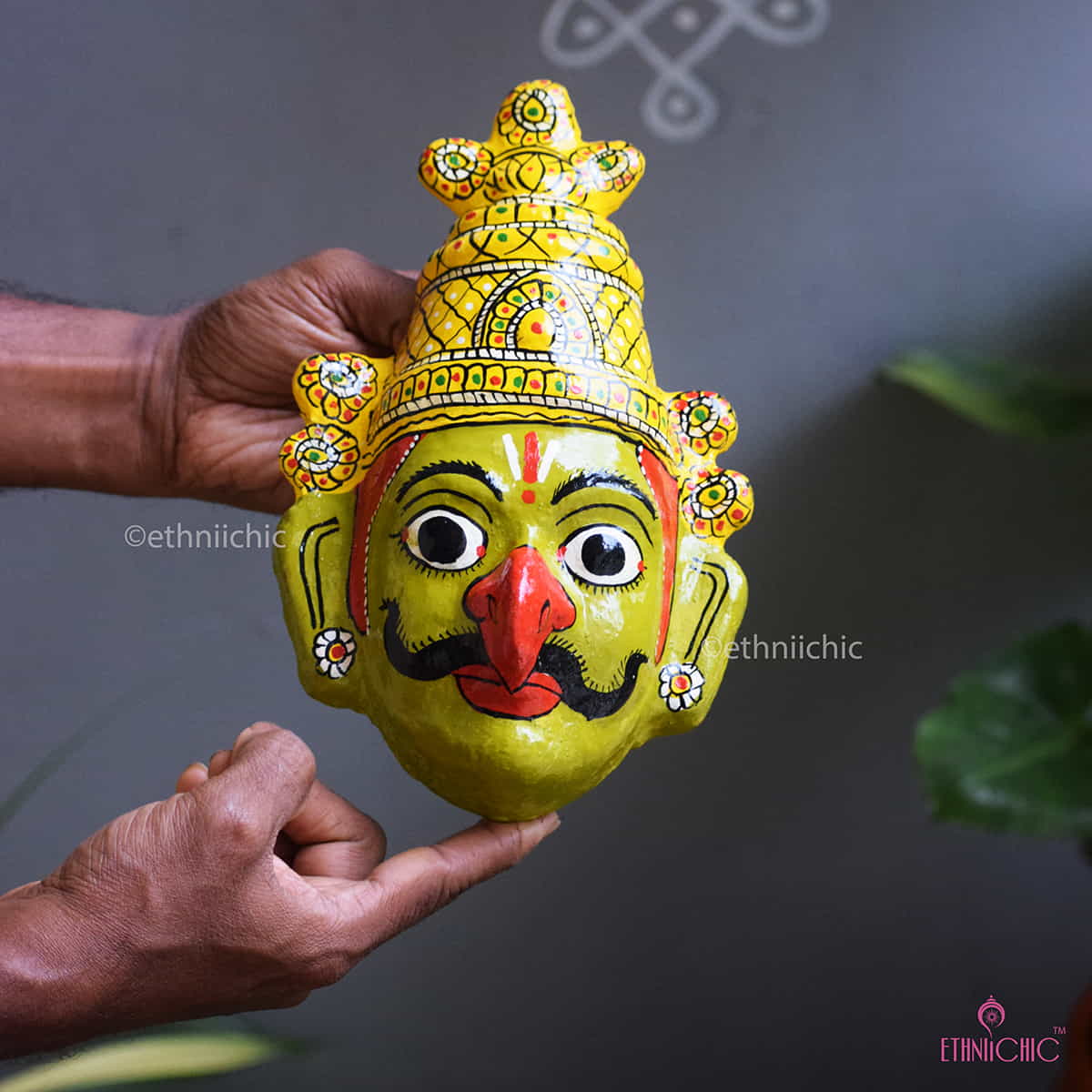
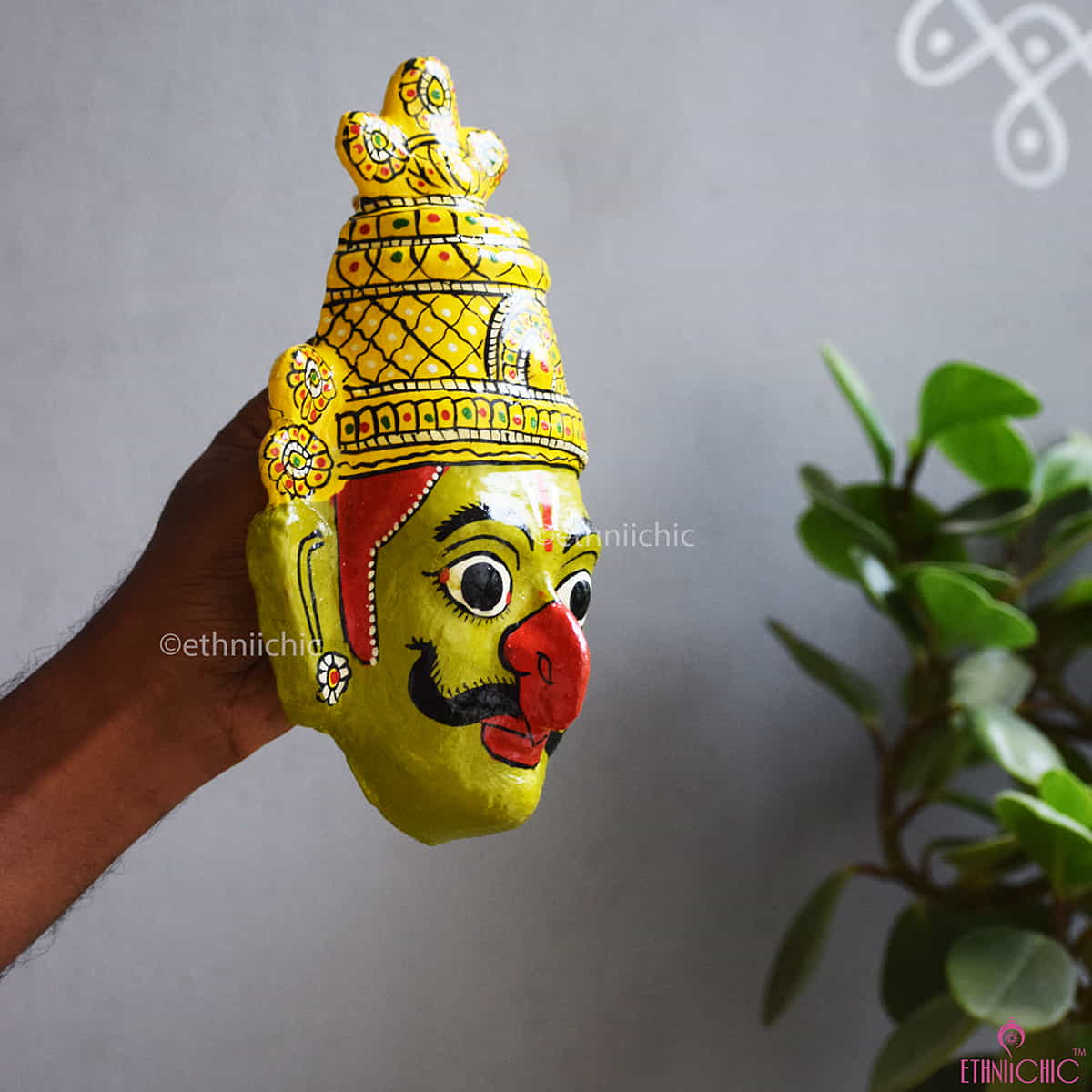
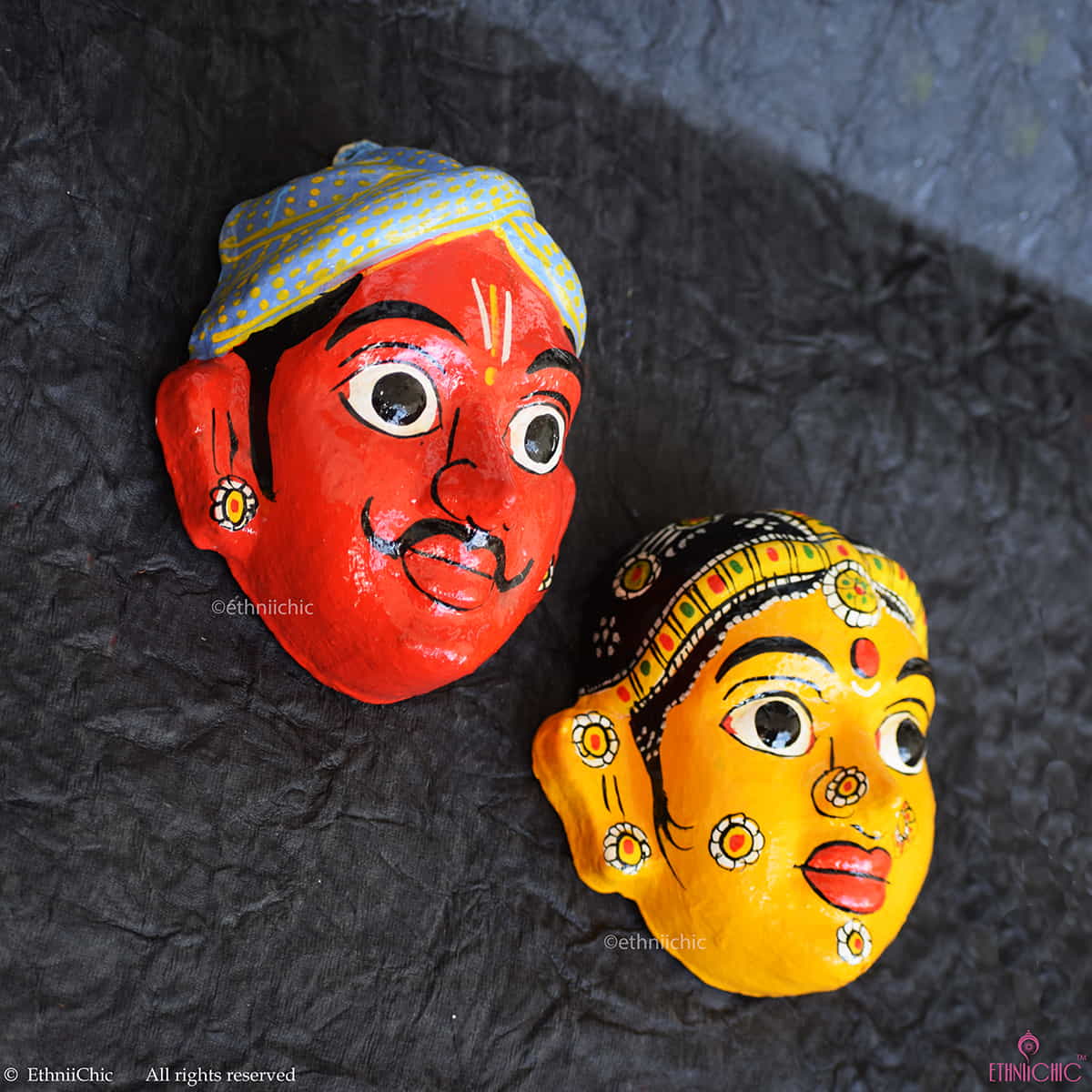
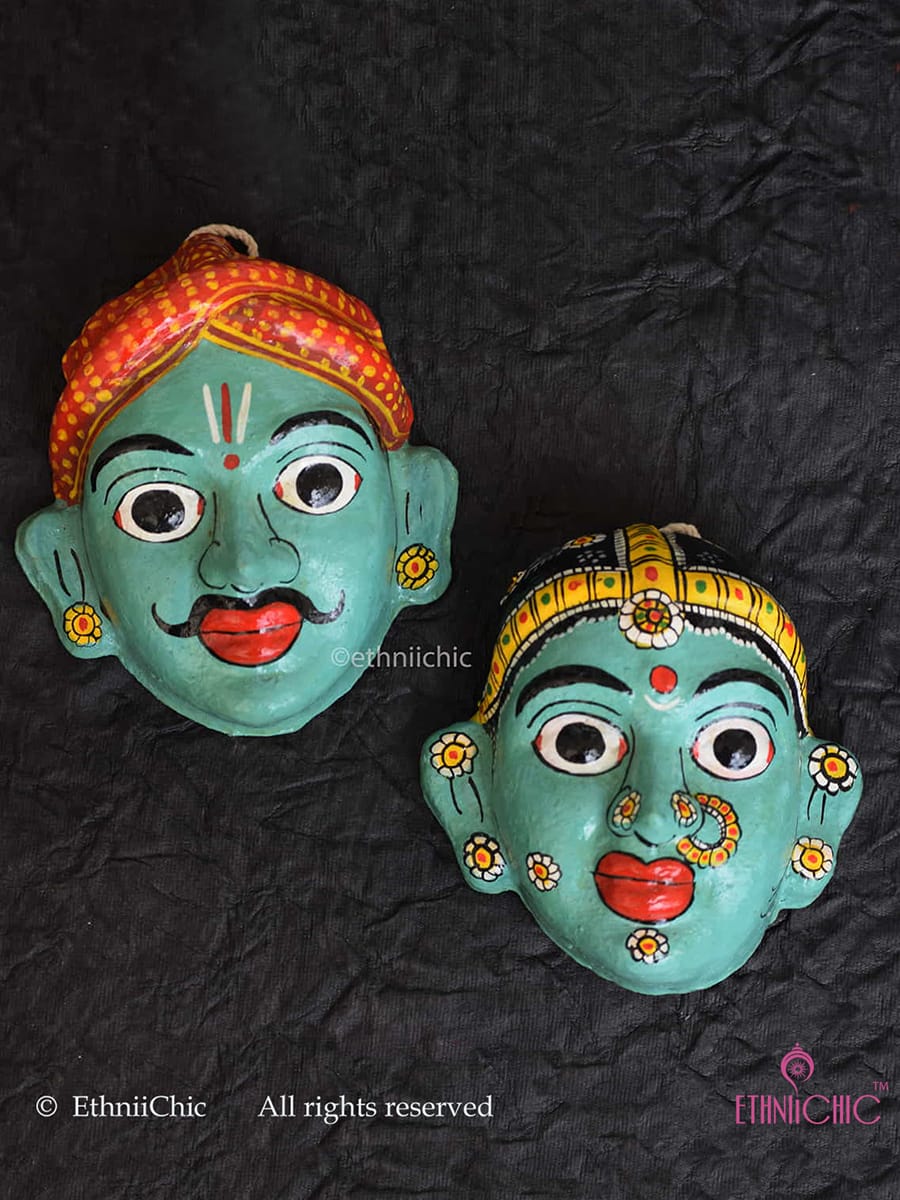
Alongside the narrative plates, this collection includes Cheriyal's sculptural masks — deity and mythological figures (Hanuman, Garuda, Varaha, Ganesha, Jatayu, Shiv Parvathy, Ardhanarishwar) built on the traditional handmade base of tamarind seed paste, sawdust, and cotton cloth rather than plain wood, the same base Telangana's Nakashi artisans use for their own work. Cheriyal has held GI-tagged status since 2010. For the full range of mask designs and colourways, the dedicated Cheriyal Masks collection goes deeper than this page needs to.
Shop Cheriyal Masks →

Choosing Where to Start
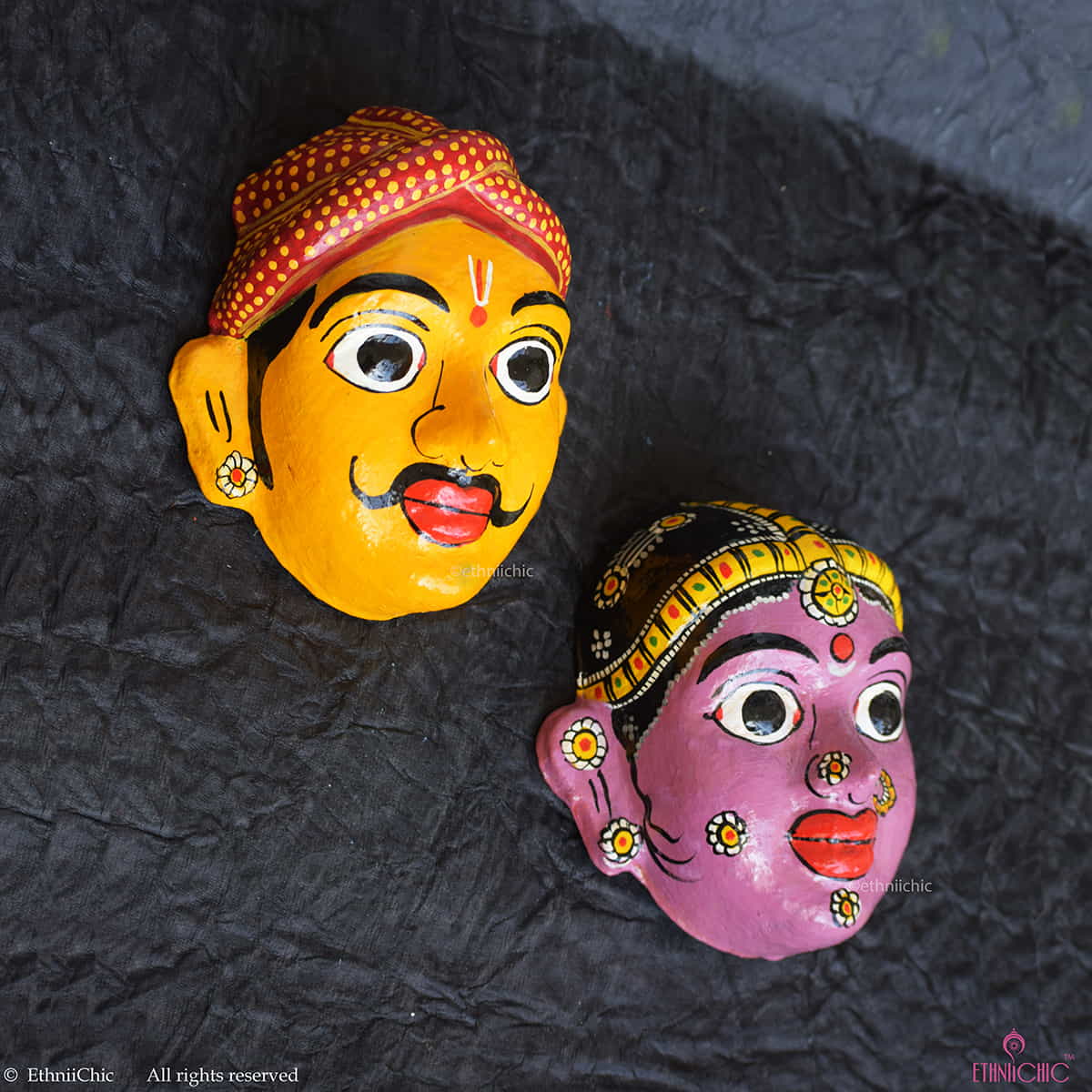
If the storytelling tradition itself is what draws you, start with a wall plate — Sita Swayamvar or Rani Sawari carries real narrative weight on its own. If you want a sculptural statement piece, a mask is the more contemporary, dimensional format. Buying one of each together is a genuinely accurate way to represent the full range of what Cheriyal art is, rather than just one side of it.
Frequently Asked Questions (FAQs)

1. What is Cheriyal art?
A roughly 400-year-old scroll-painting tradition from Telangana, created by the Nakashi artisan community, traditionally used by travelling storytellers (the Kaki Padagollu) to narrate mythological epics and village life scene by scene. It's been a GI-tagged craft since 2010.

2. What's the difference between the Cheriyal wall plates and the Cheriyal masks?
The wall plates depict individual narrative scenes — closer to genuine scroll-painting subject matter, like the Sita Swayamvar or Rani Sawari panels. The masks are a sculptural interpretation of the same visual language and colour palette, built for dimensional wall display rather than narration.

3. What is Sita Swayamvar?
A scene from the Ramayana depicting the bow-breaking contest through which Rama won Sita's hand in marriage — a classic subject in Cheriyal's narrative tradition.

4. What materials are Cheriyal masks made from?
A traditional base of tamarind seed paste, sawdust, and cotton cloth, rather than plain carved wood — the same base Telangana's Nakashi artisans use for their own work.

5. Is Cheriyal art officially GI (Geographical Indication) recognised?
Yes, since 2010.

6. What subjects are depicted across this collection?
Mythological narratives (Ramayana scenes, deity figures like Hanuman, Ganesha, and Varaha) alongside courtly and pastoral genre scenes — royal processions, village musicians, and everyday rural life.

7. What's the price range across this collection?
From ₹1,200 for a smaller Cheriyal mask to ₹3,600 for the largest wall plates and masks.

8. Do you ship Cheriyal art internationally for NRI buyers?
Yes, across the full collection. Write to contactus@ethniichic.com before ordering to confirm shipping rates and delivery timelines for your country.

9. Can I order a custom or bulk Cheriyal piece?
Yes. Custom motifs, specific narrative scenes, and bulk or corporate gifting orders can be arranged through Commission Artwork or Contact Us.