Tamil Nadu

Tamil Nadu

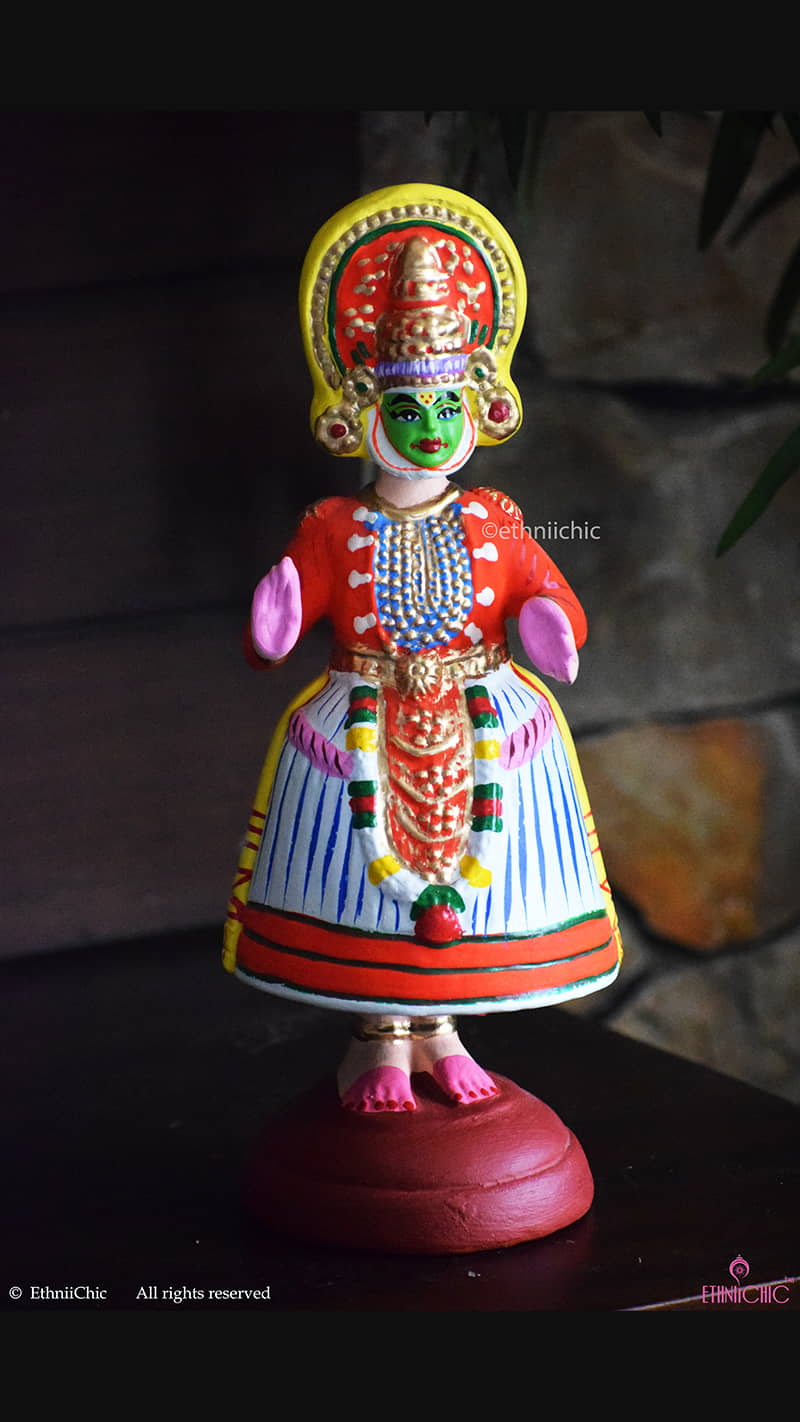
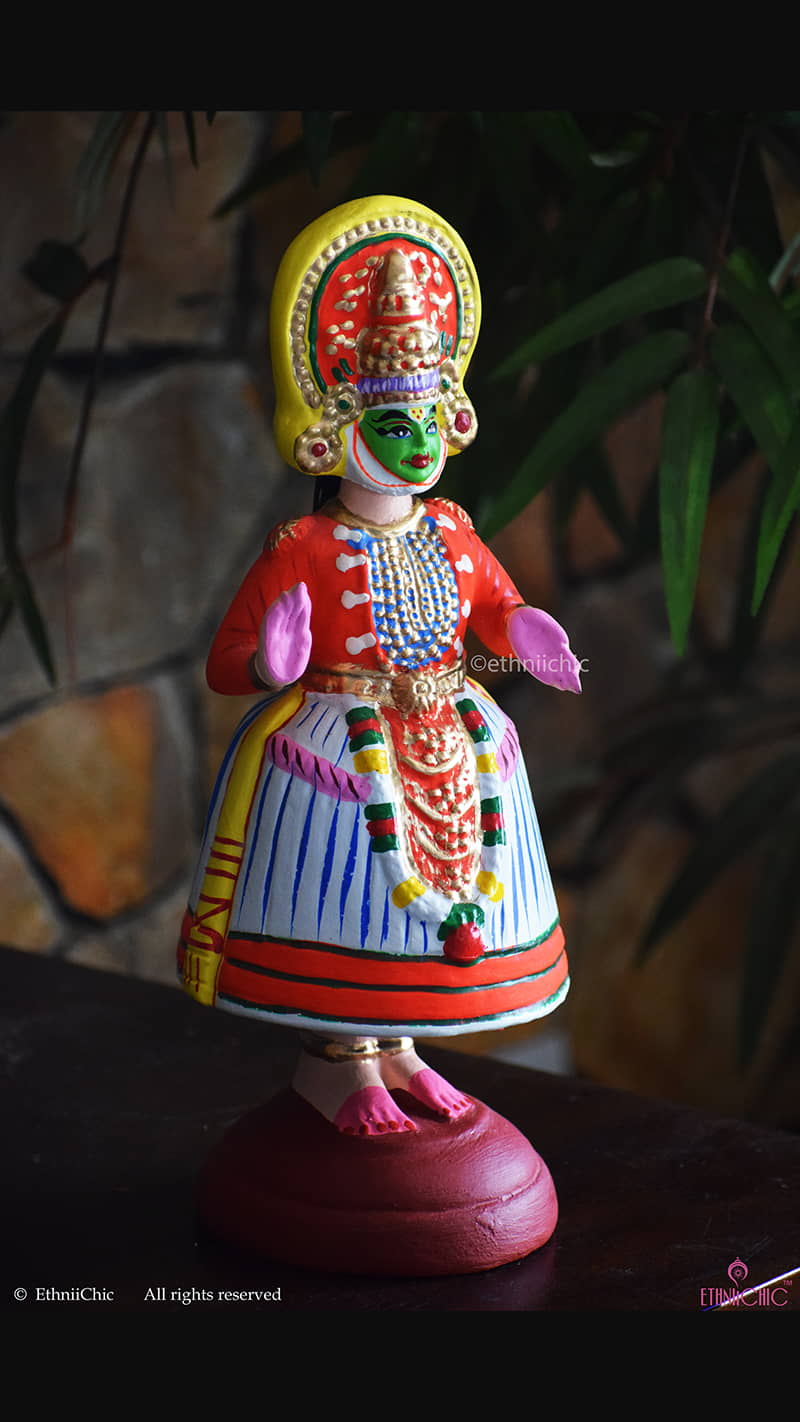
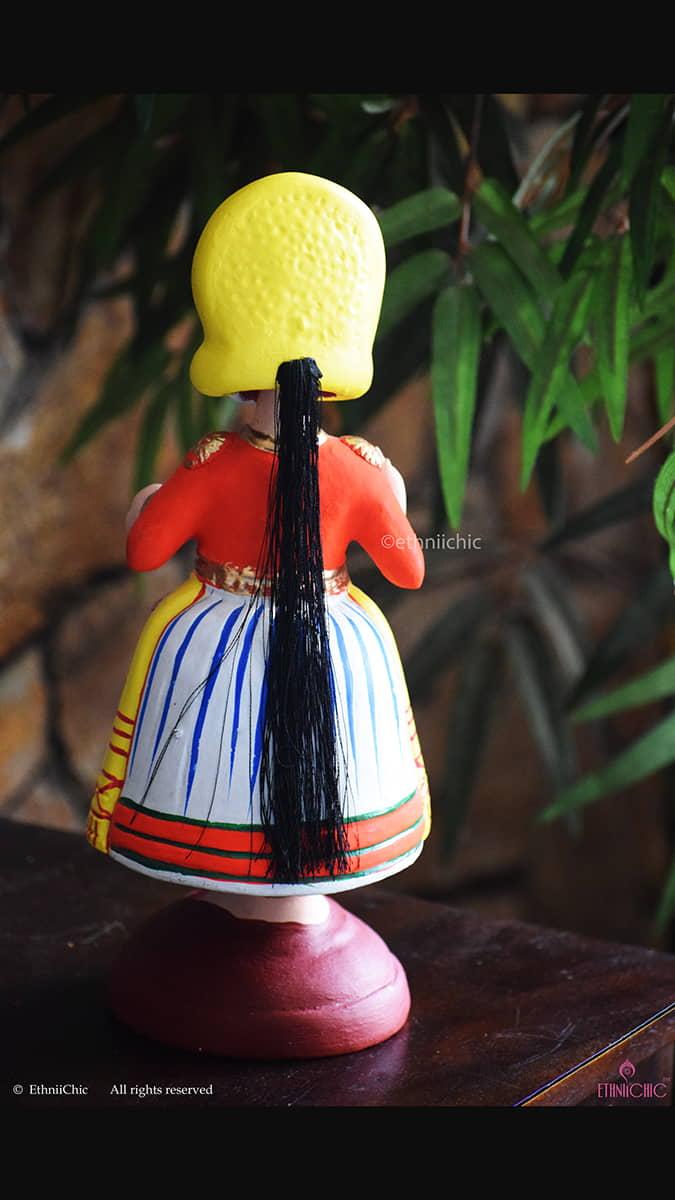
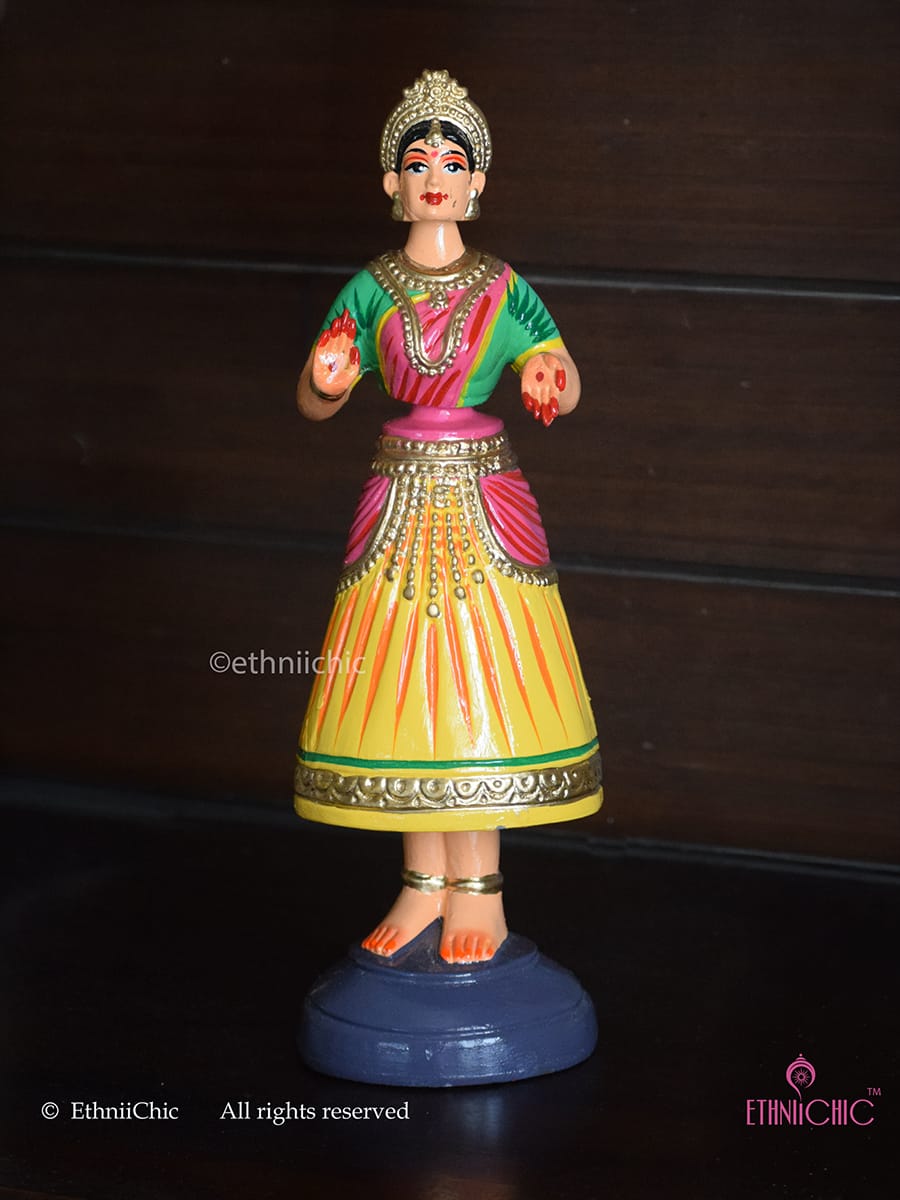
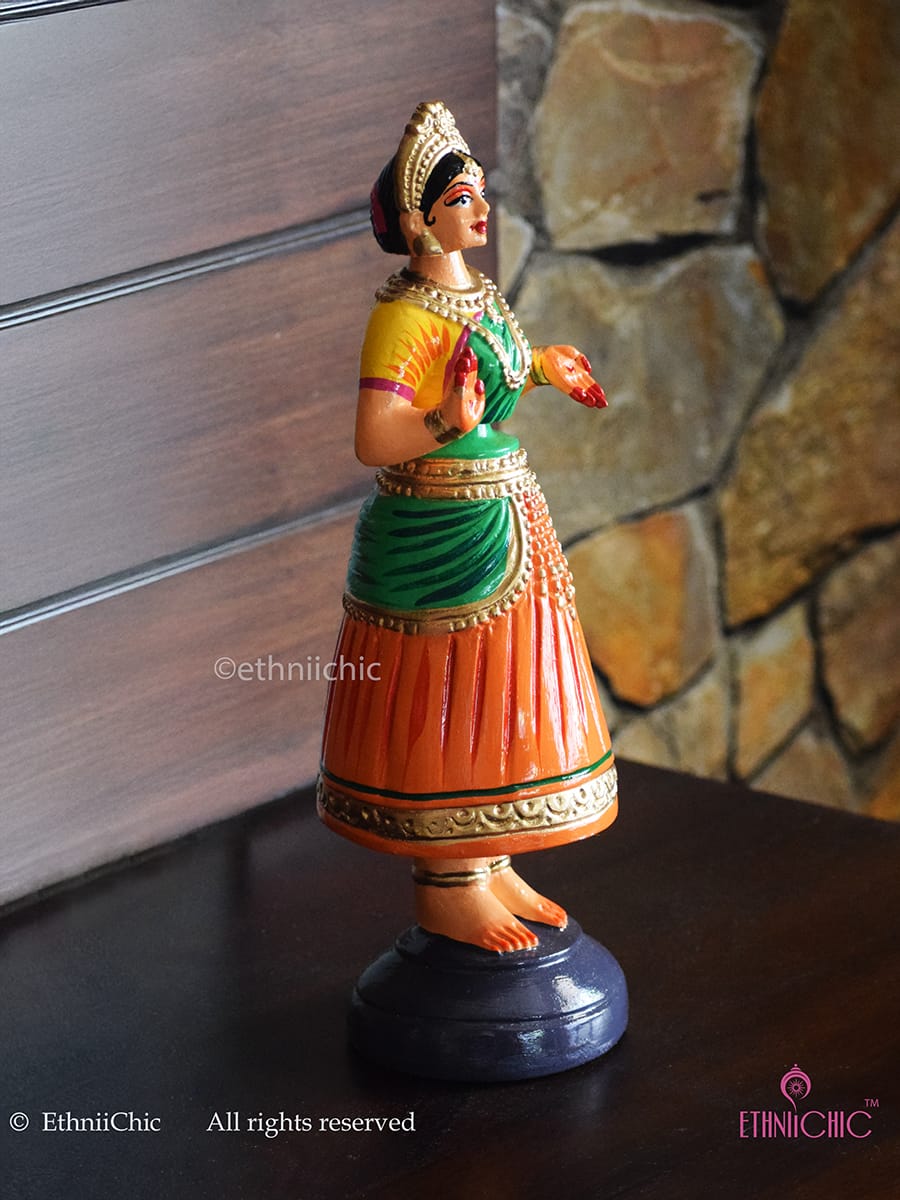
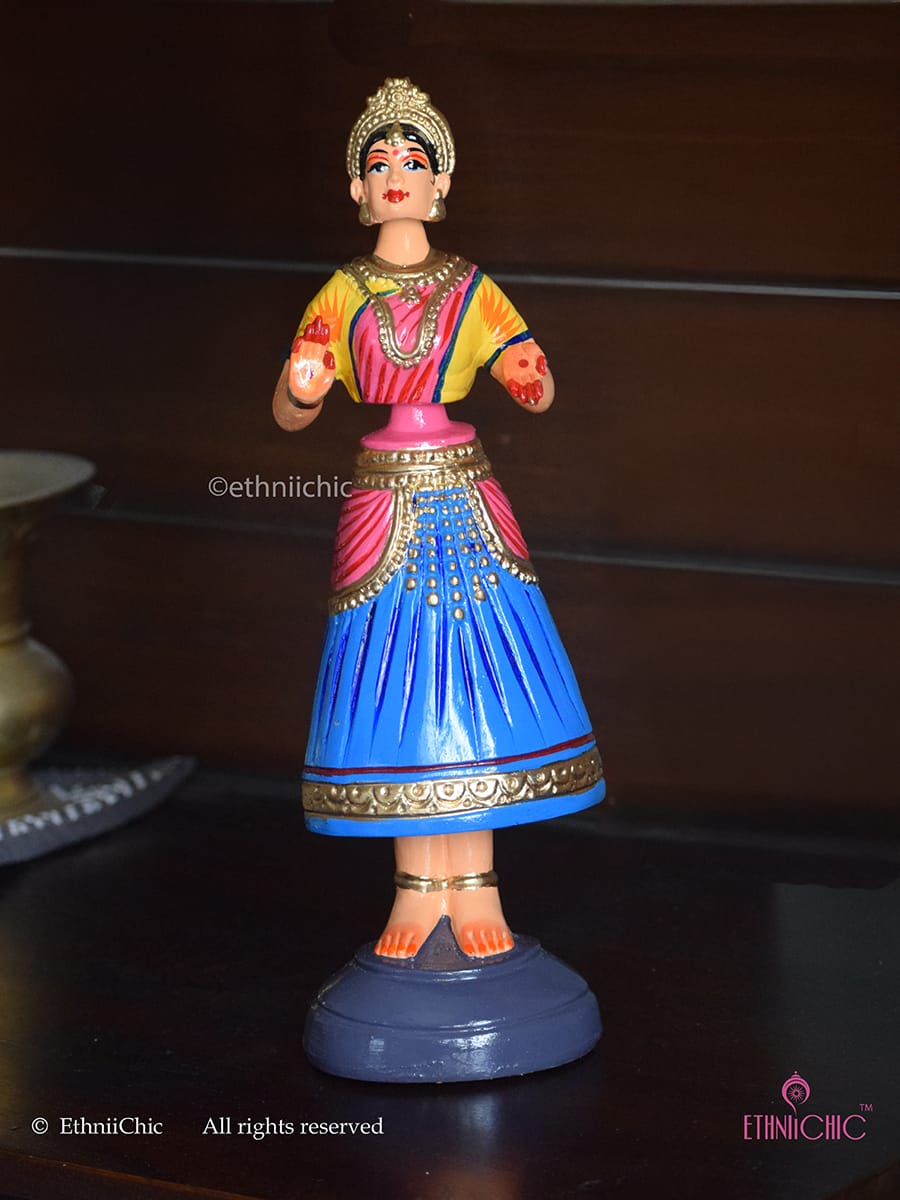
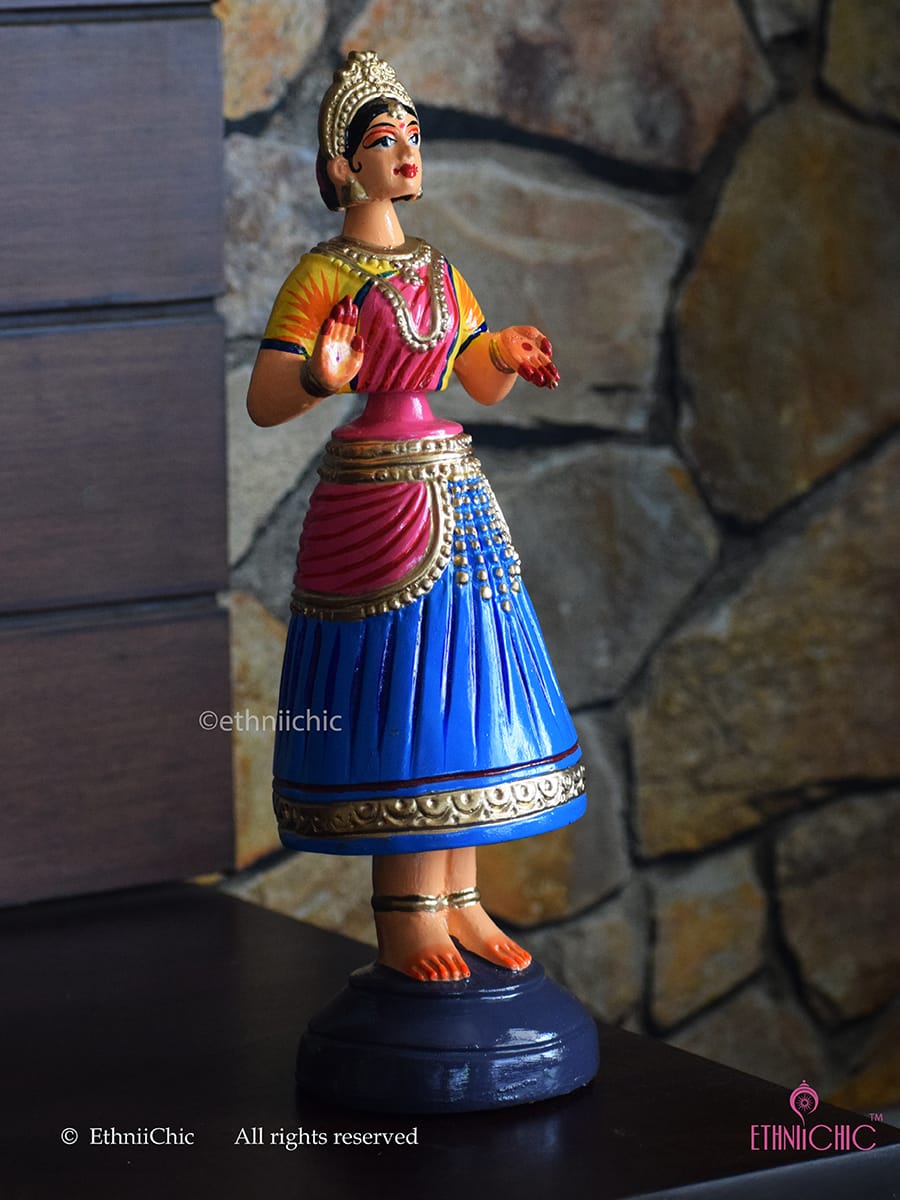
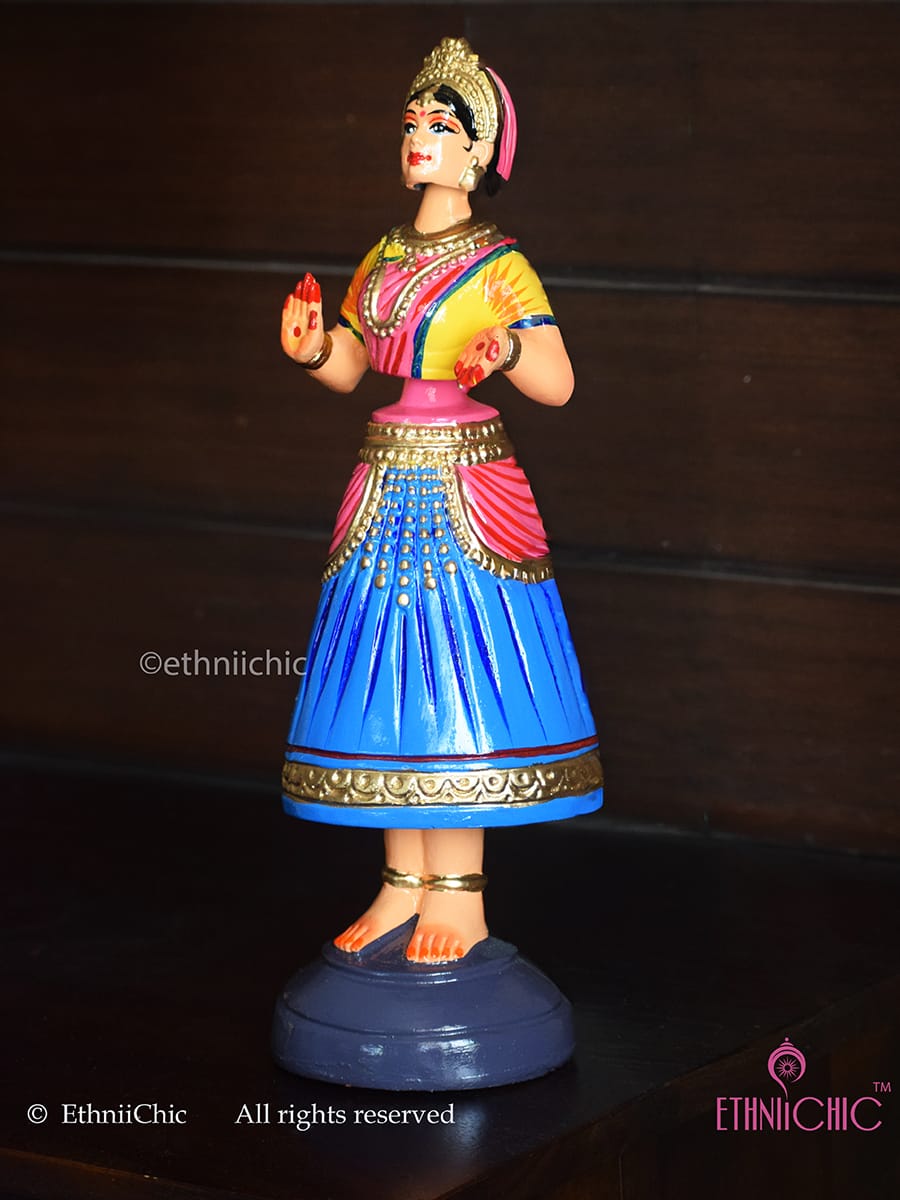
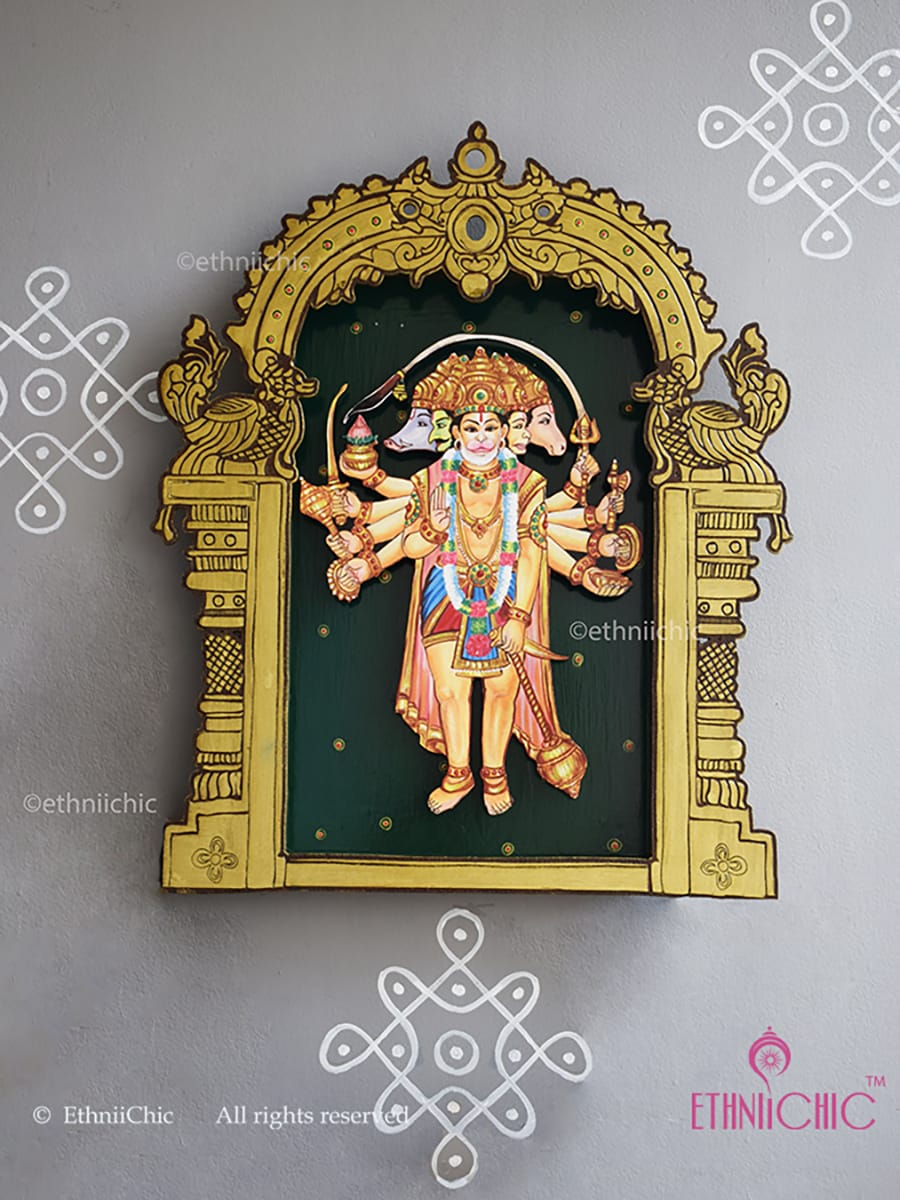
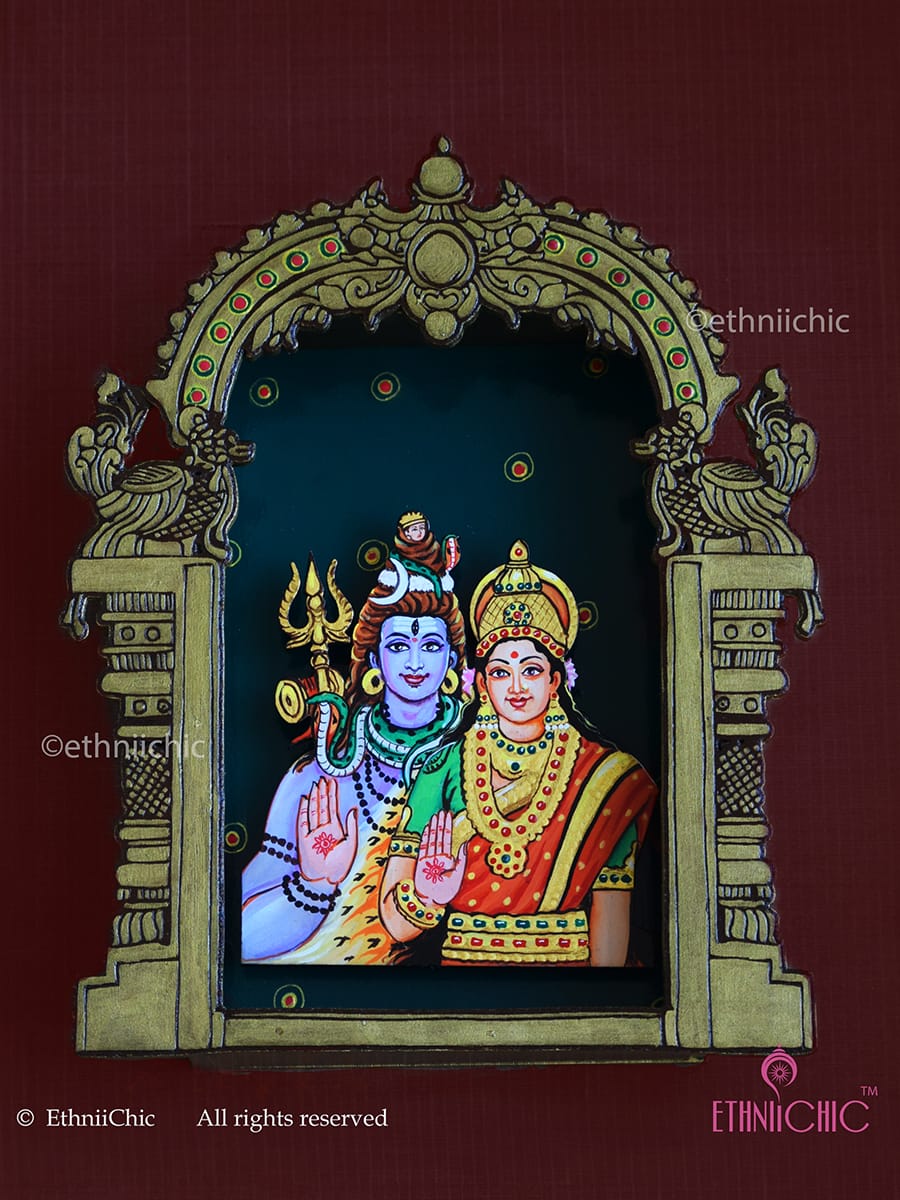
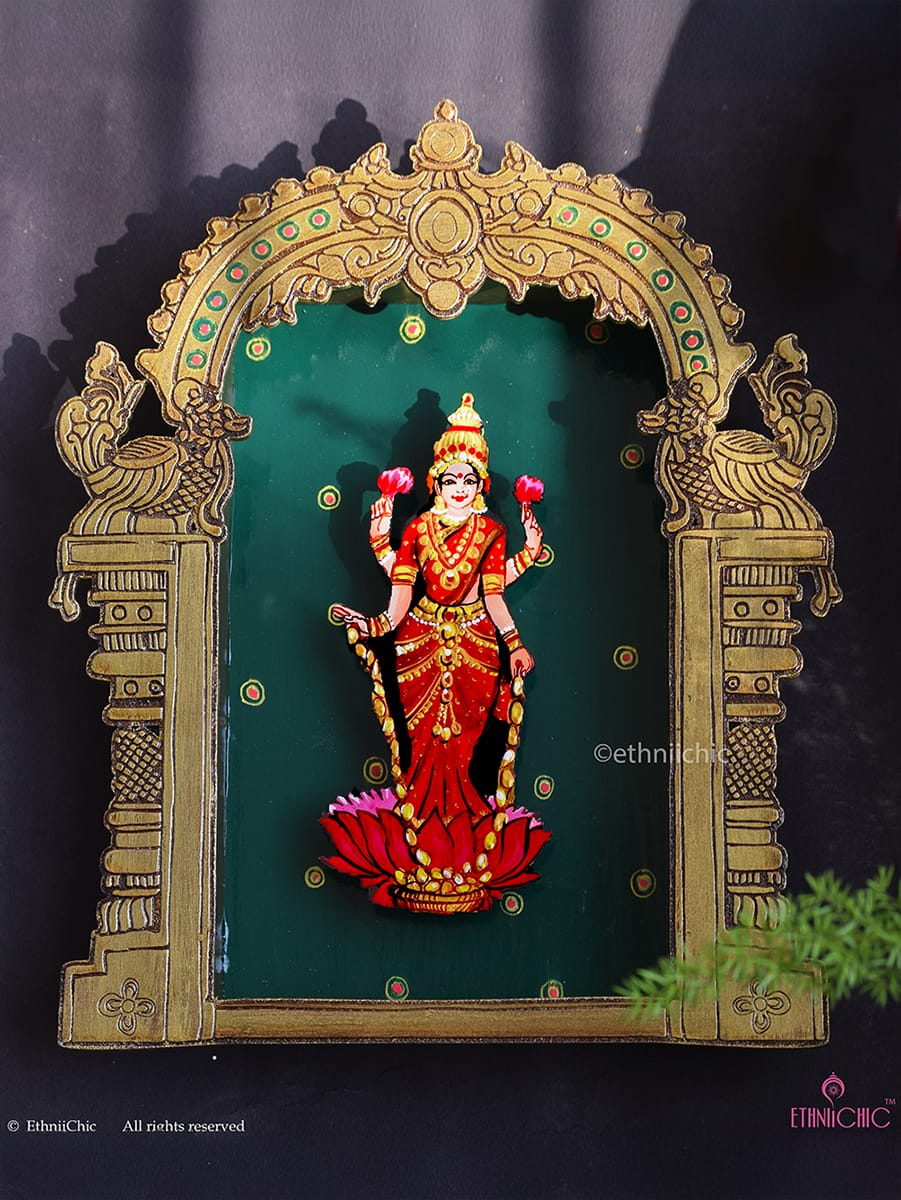
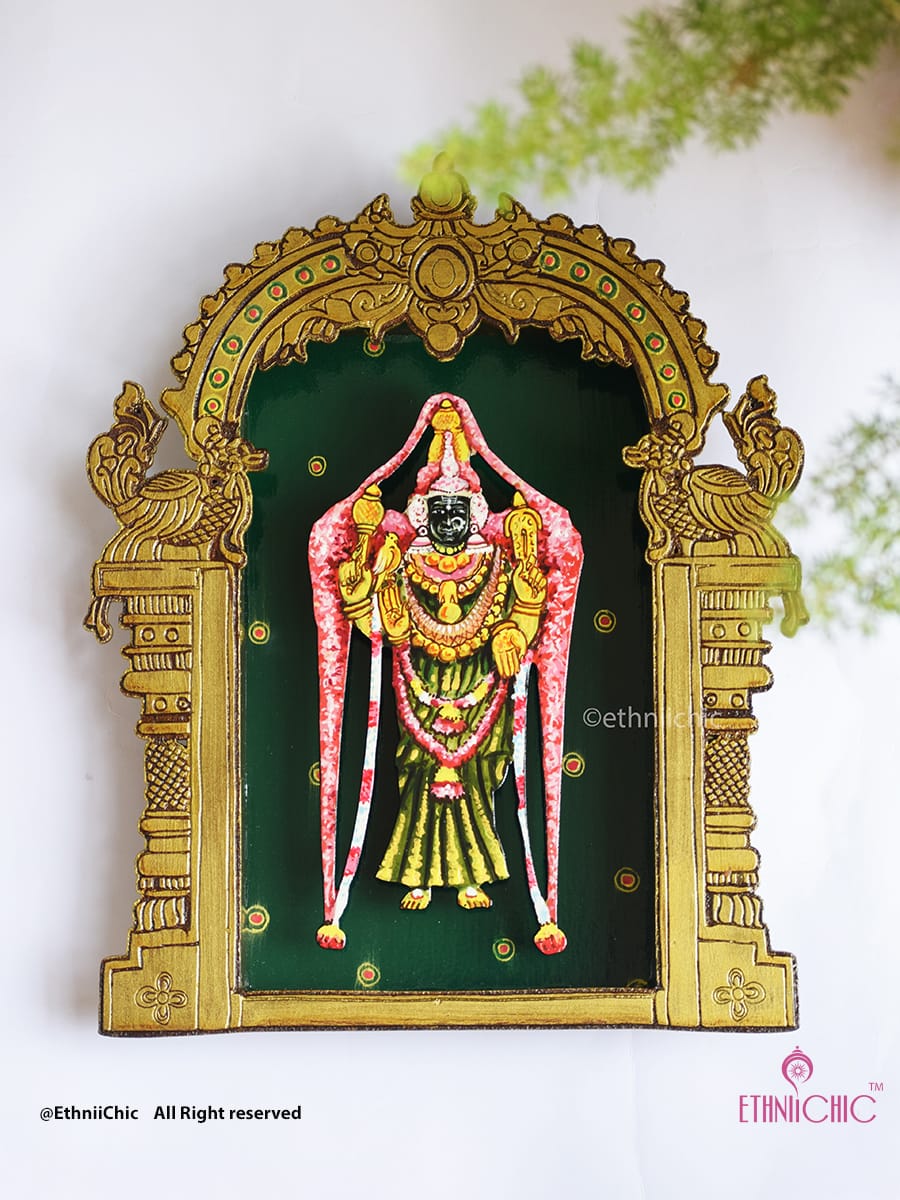
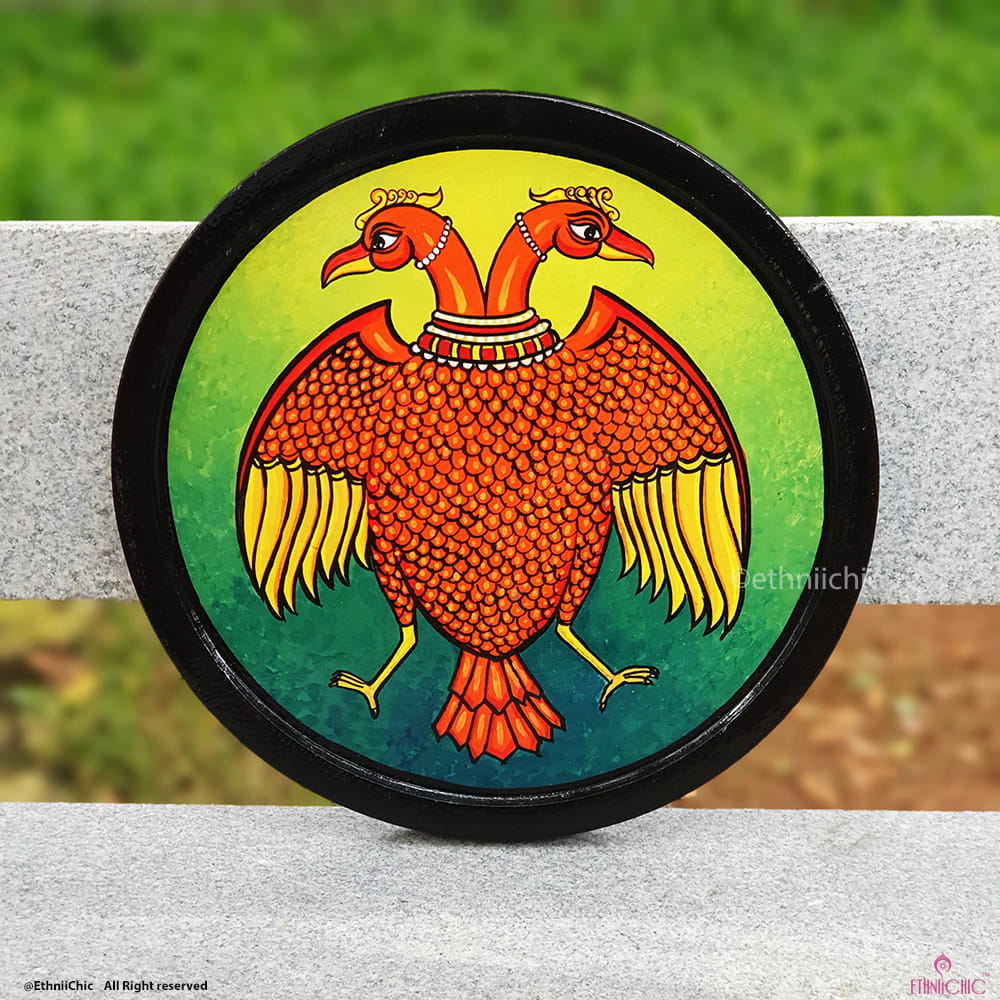
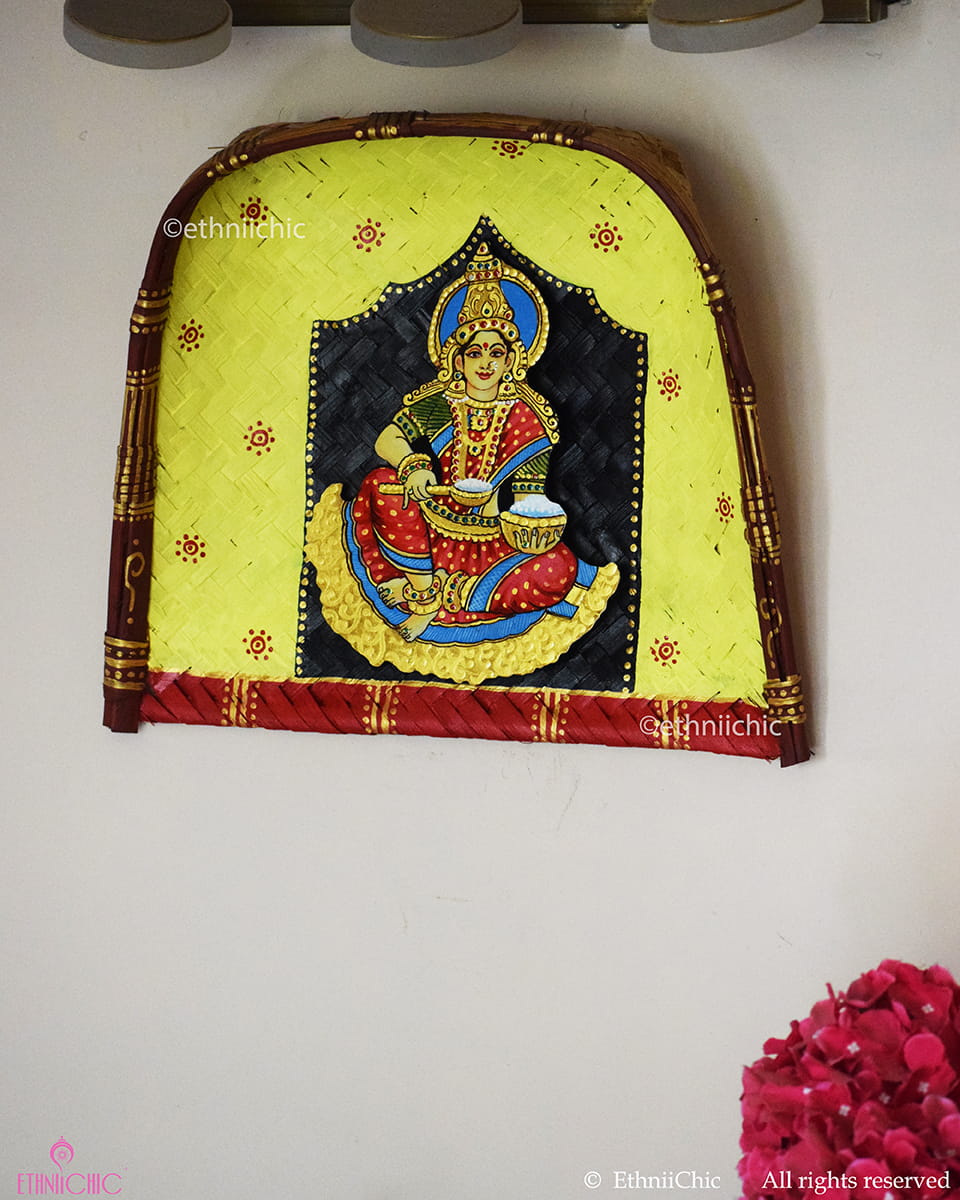
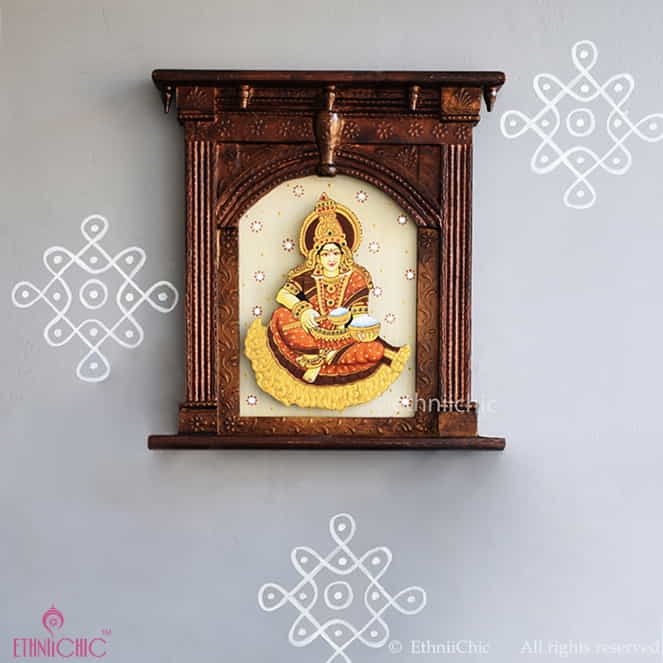
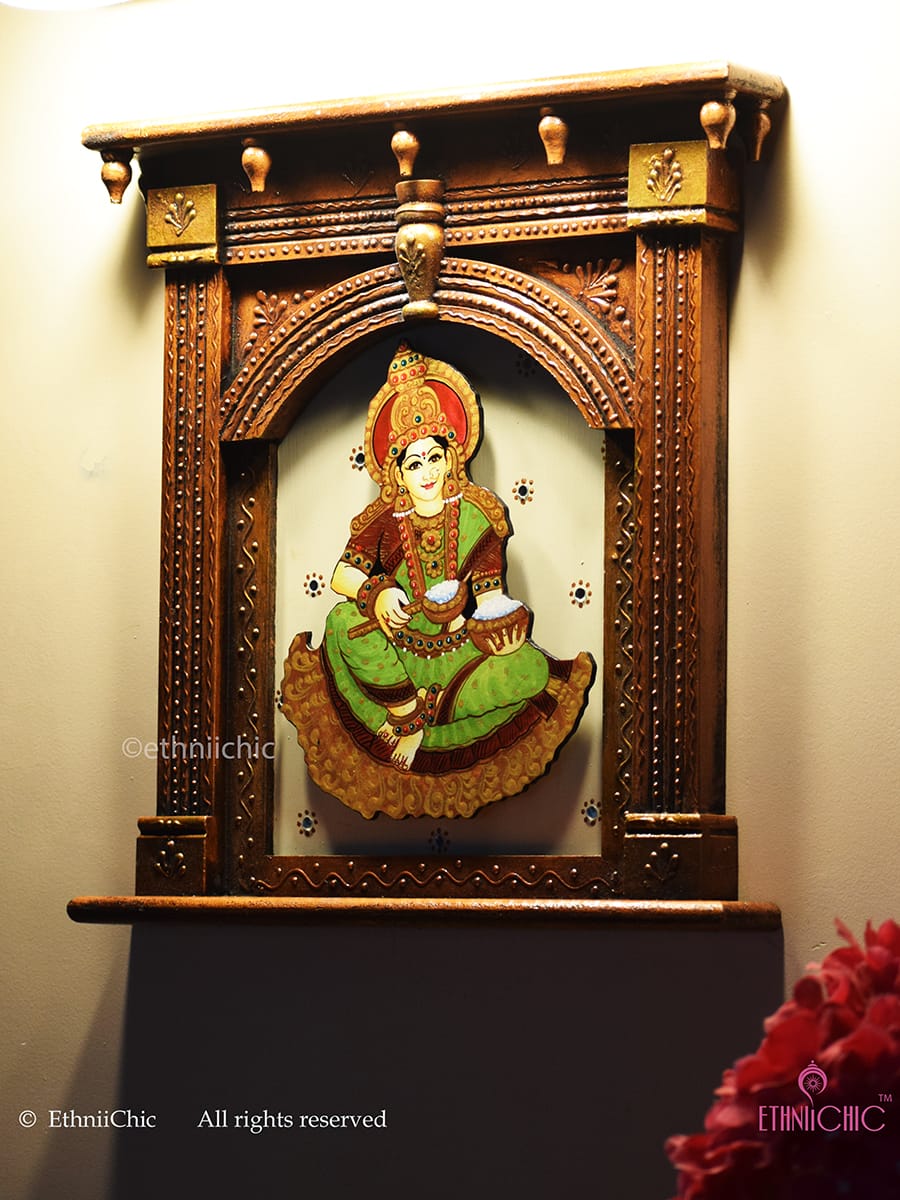
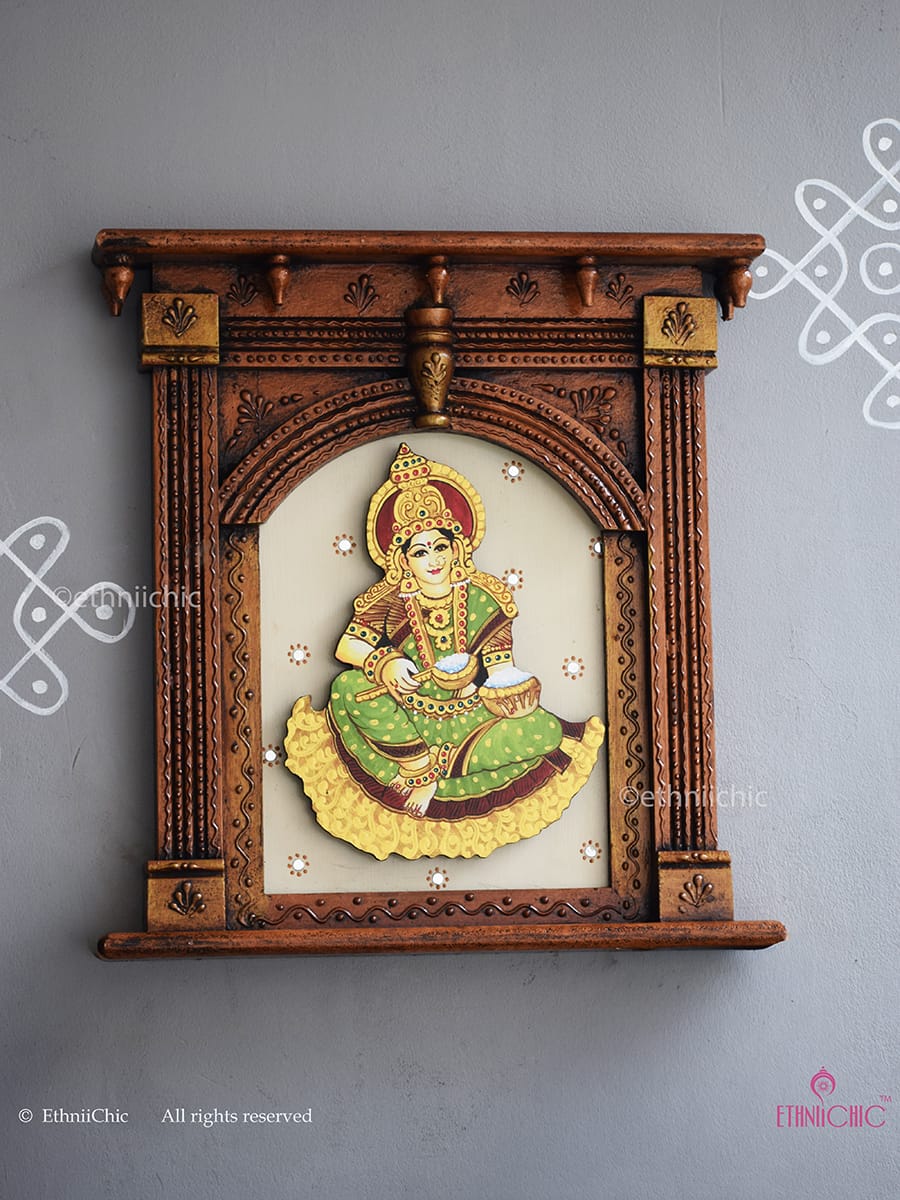
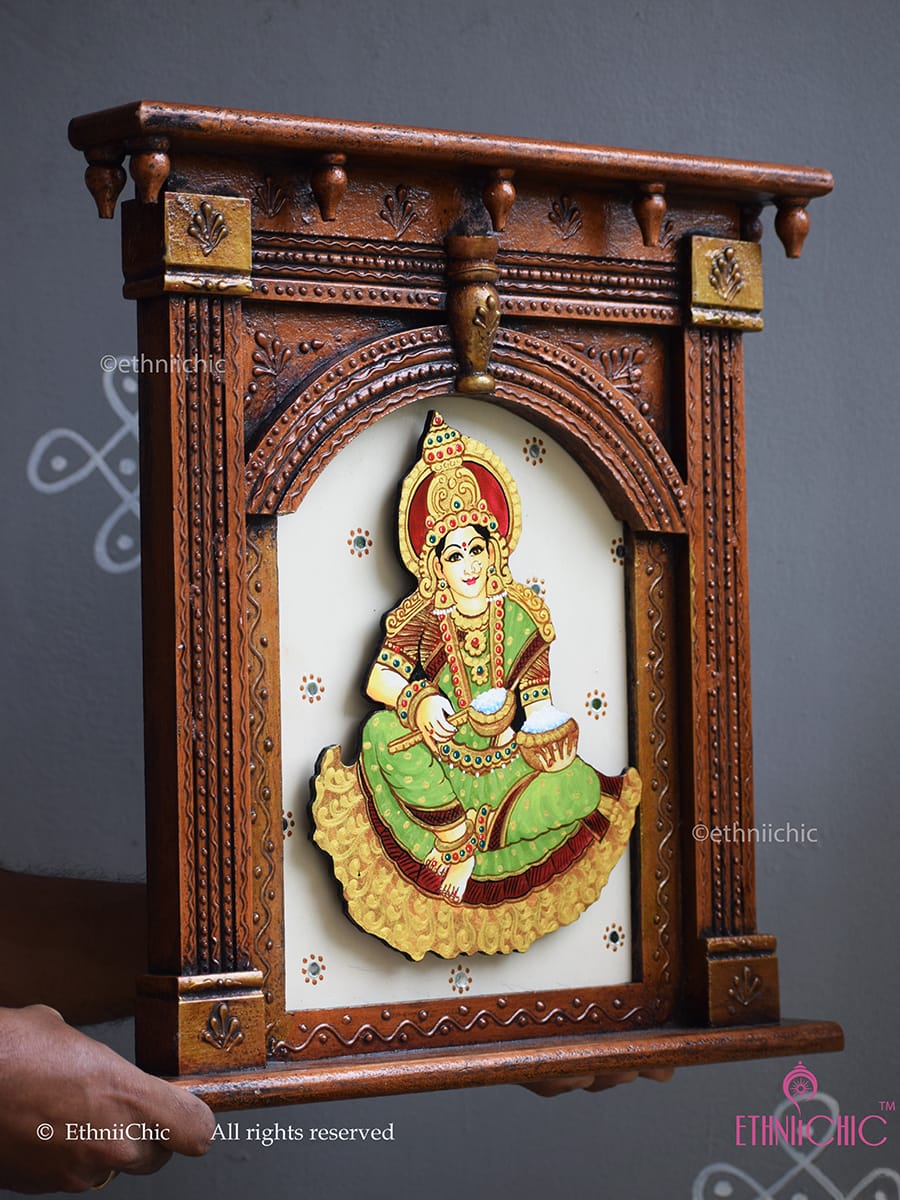
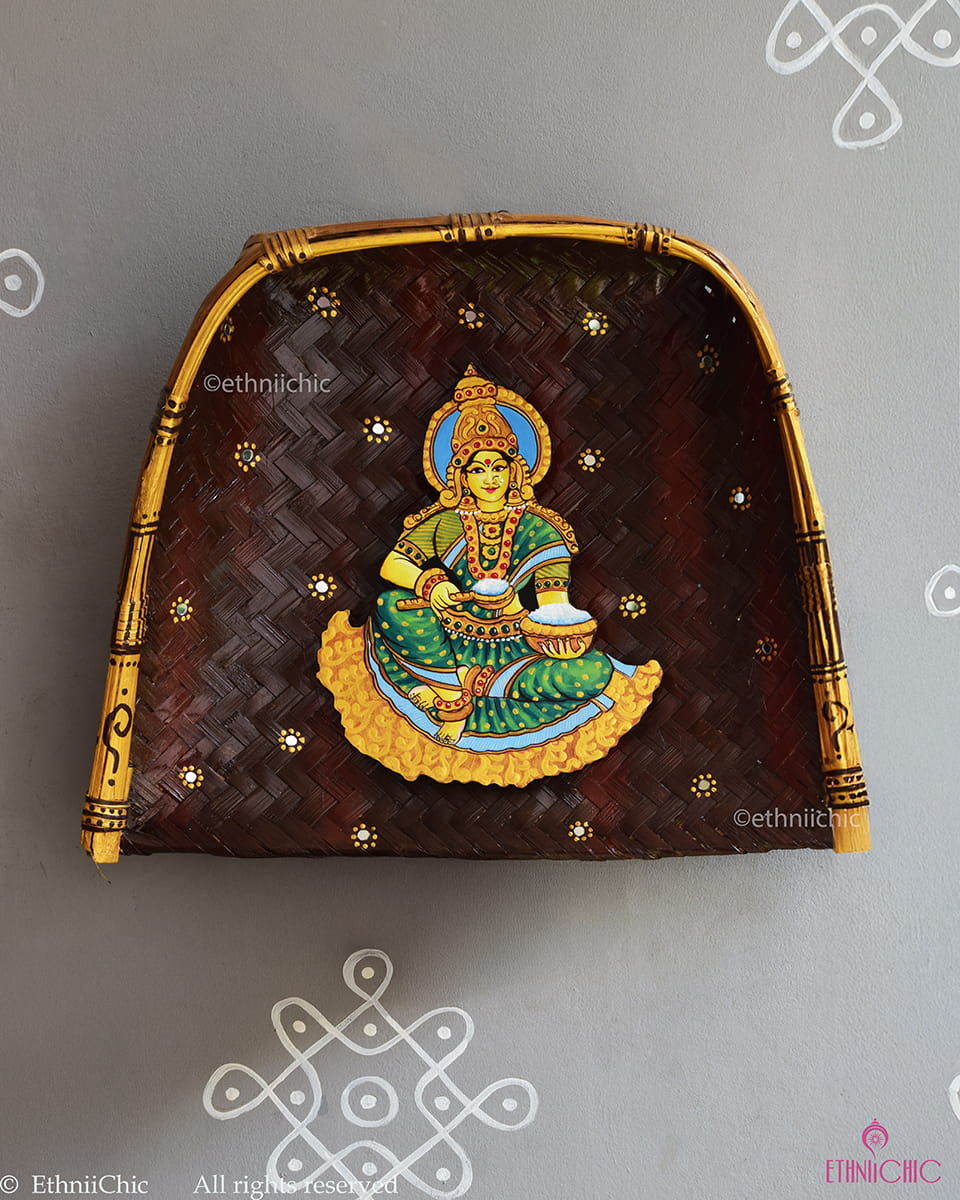
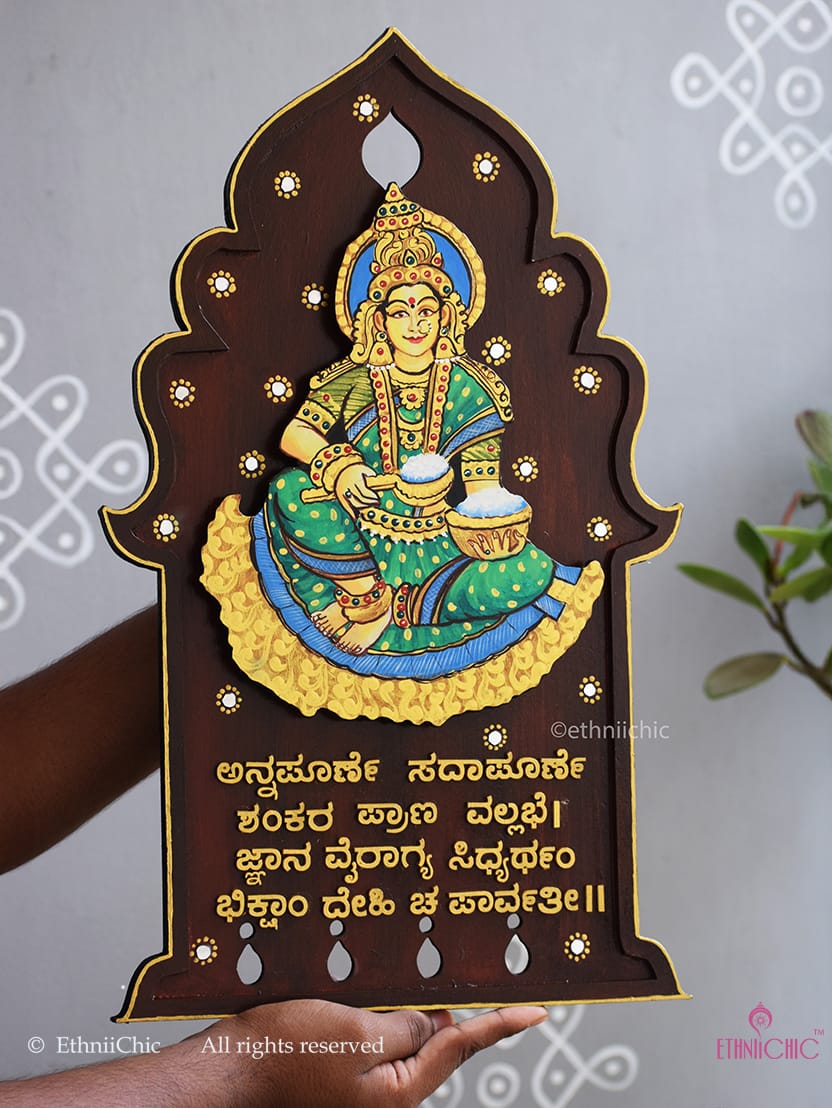
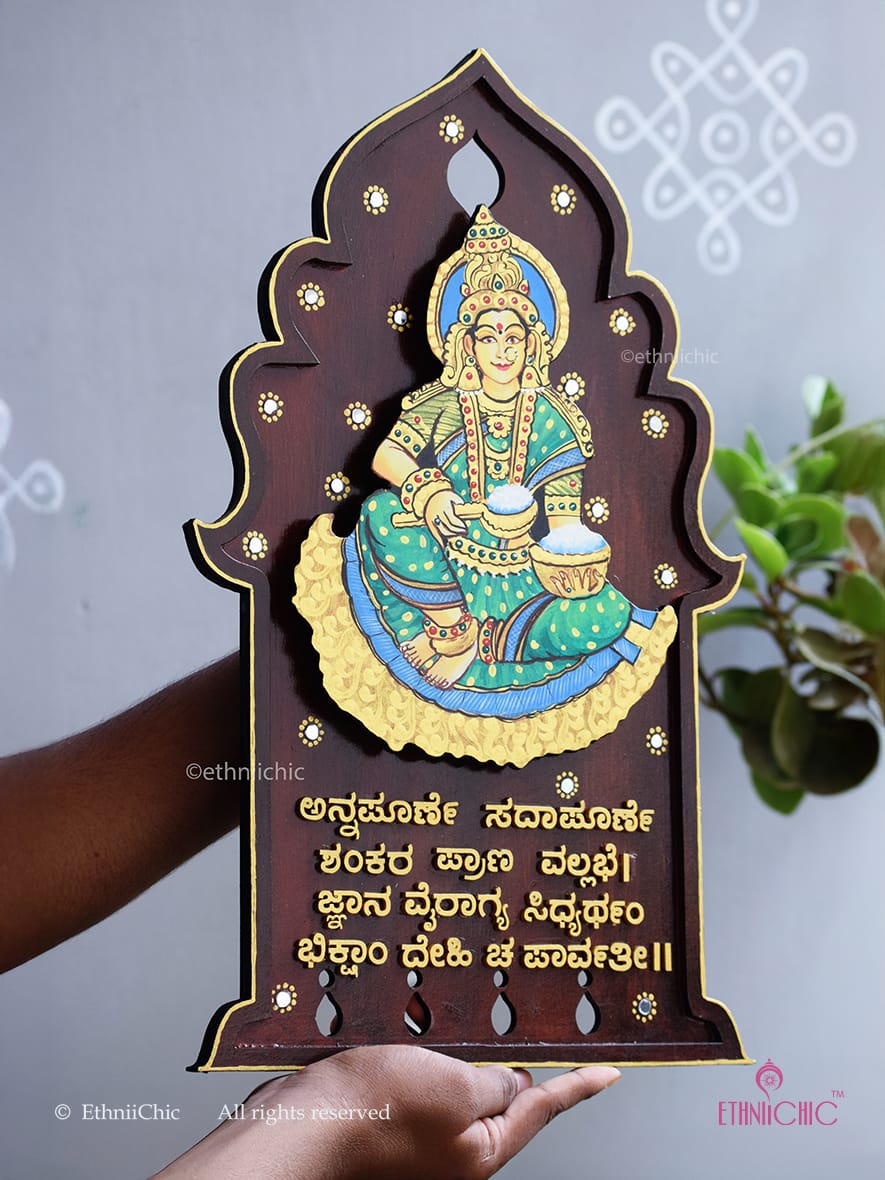
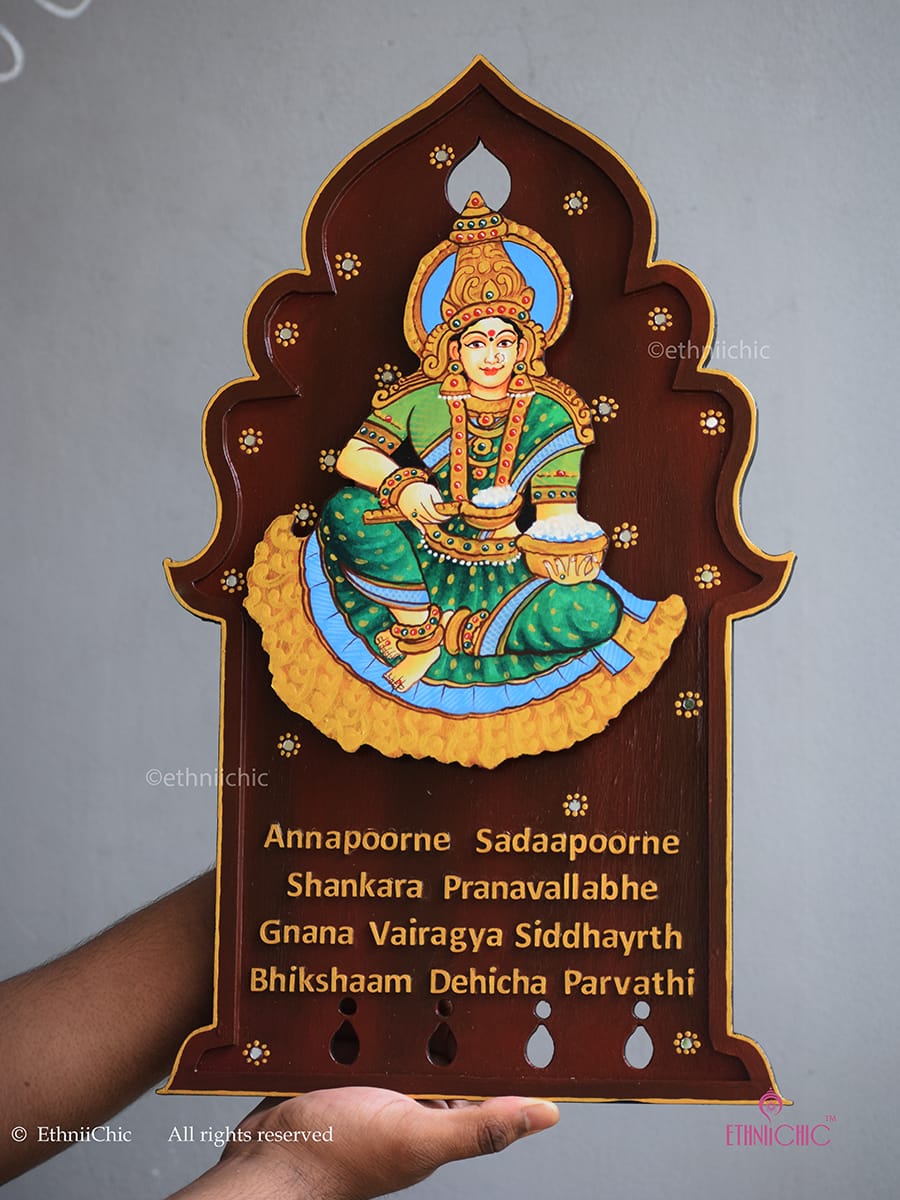
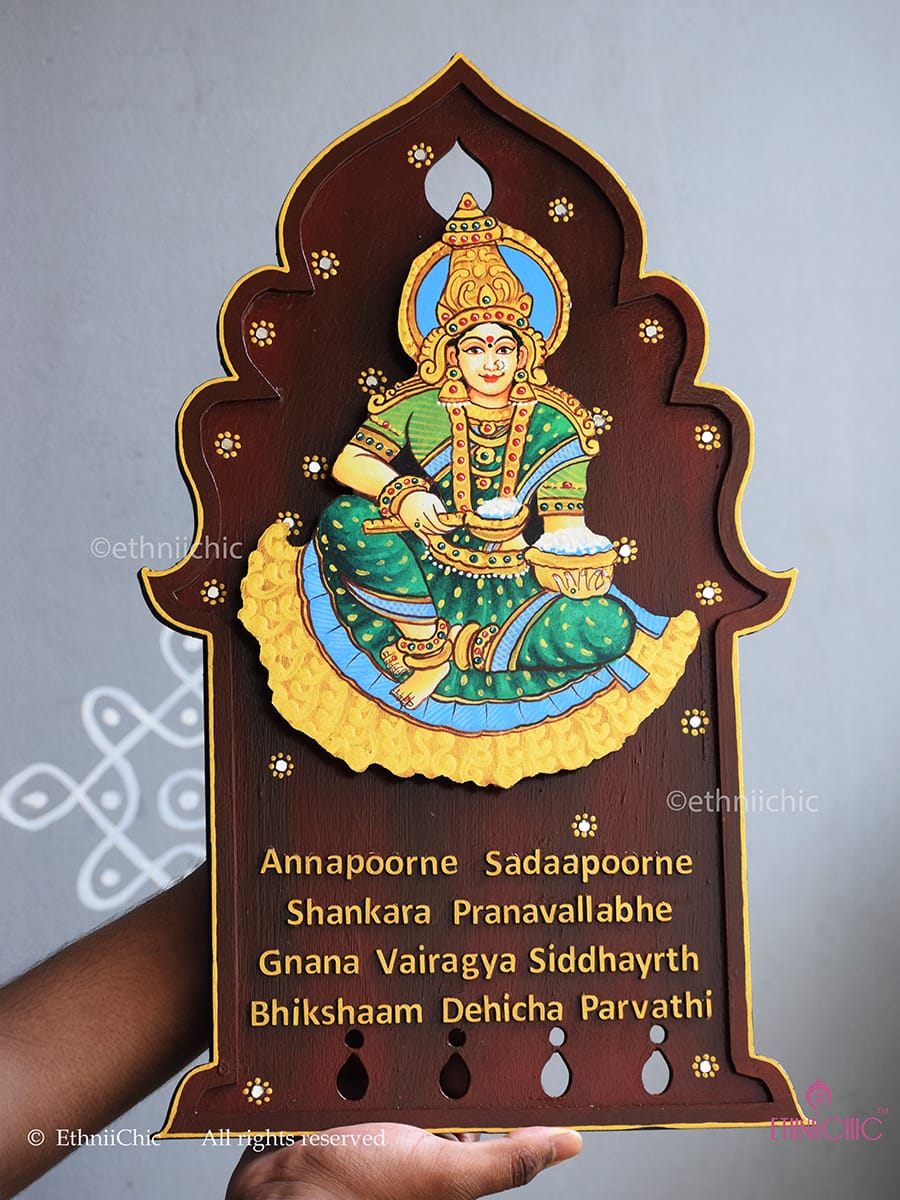
Shop hand-painted décor rooted in Tamil Nadu's craft traditions, led by Tanjore painting alongside Rajput-style work. The collection includes prabhavali wall frames of South Indian goddesses — Vadivudai Amman, Kanchi Kamakshi, Meenakshi and Andal — the hand-painted Pallanguzhi board game, a Garuda sculpture, the Therukoothu dancing doll from Tamil folk theatre, a Thanjavur dancing doll DIY kit, and the Annapoorneshwari wall frames and Kulo wall mounts in multiple colourways. Wall frames suit a pooja room or devotional wall, while the Pallanguzhi board and dancing dolls work as tabletop collectibles or gifting pieces with genuine regional storytelling behind them.

Skip to results list
51 items
Column grid
Column grid

Filter

Popular Searches :

Read More

Tamil Nadu — Tanjore Painting, Kolam Art, and Living Folk Traditions

EthniiChic's Tamil Nadu collection is led by Thanjavur (Tanjore) painting — a centuries-old classical art form of gold-foiled, gesso-relief deity paintings — alongside Kolam-art pieces, and a small set of standalone cultural objects: the Pallanguzhi board game, Thanjavur dancing dolls, and a Therukoothu folk-theatre figure. Unlike a single-craft page like Cheriyal Masks, this page brings together one dominant classical painting tradition with several distinct cultural practices that don't share a single technique — what unites them is that they all come from Tamil Nadu.

Tanjore painting is the heart of this collection, and for good reason: it's one of India's most recognisable classical art forms, historically reserved for temple and royal patronage before becoming more widely practised.

Thanjavur (Tanjore) Painting — Gold, Gesso, and Devotional Art

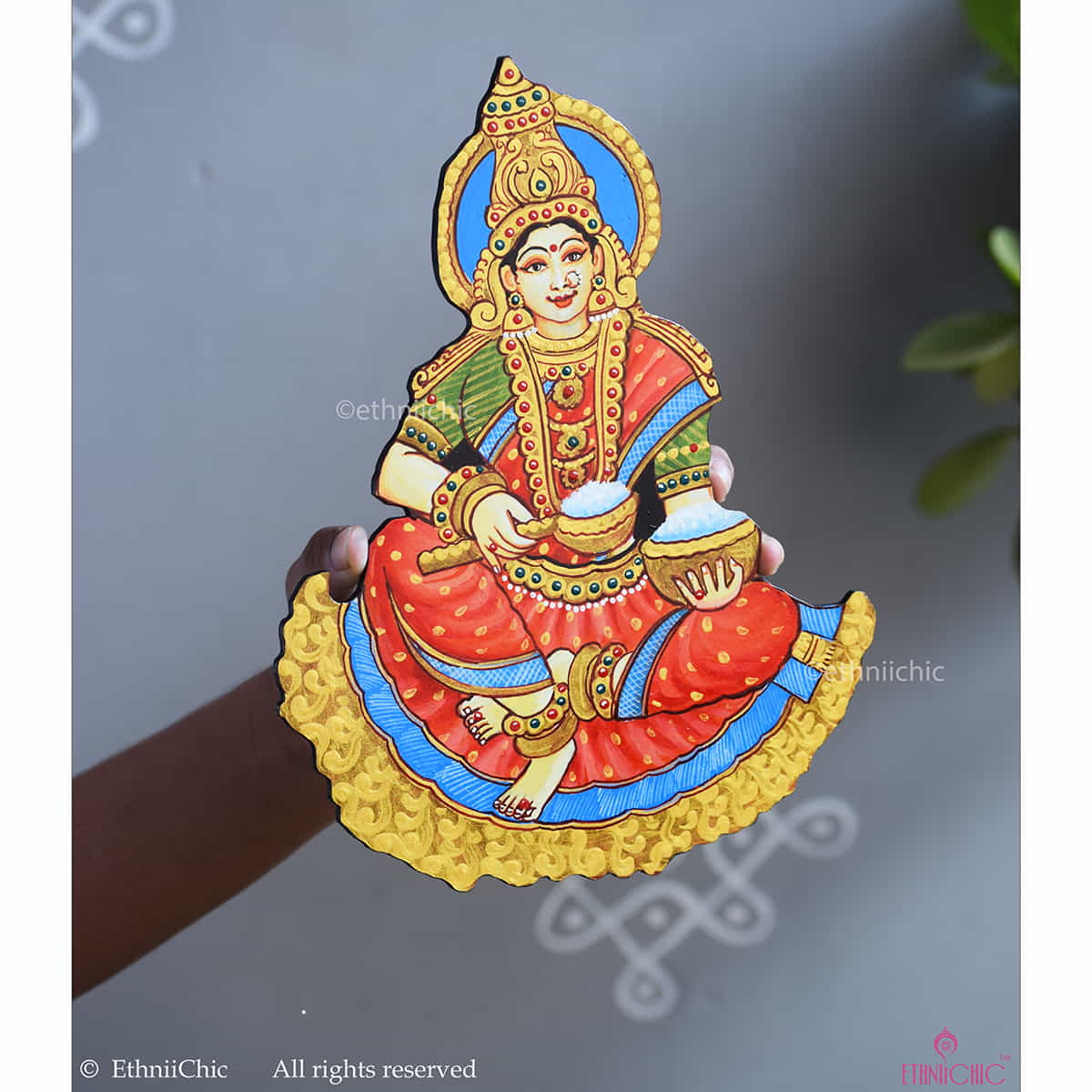
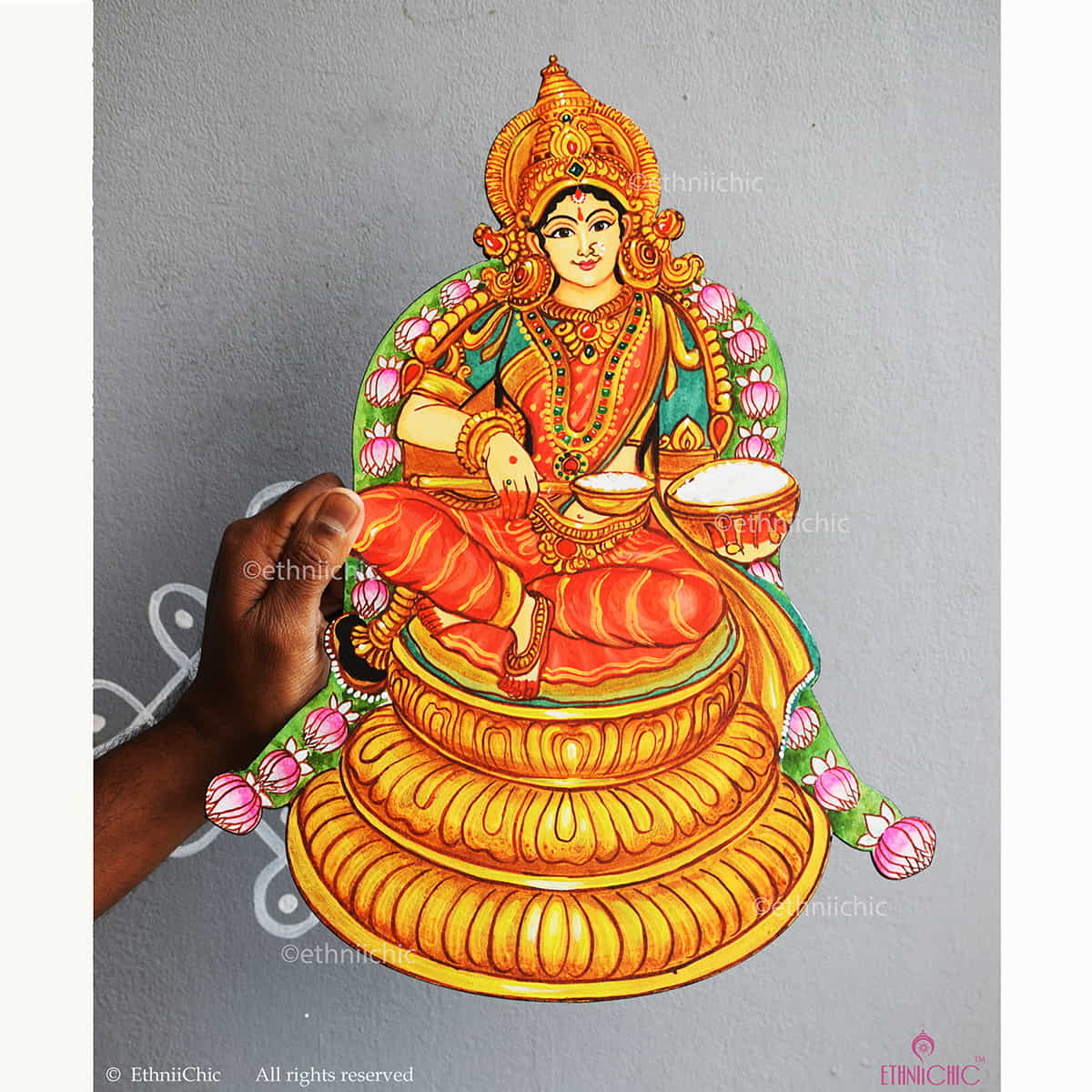
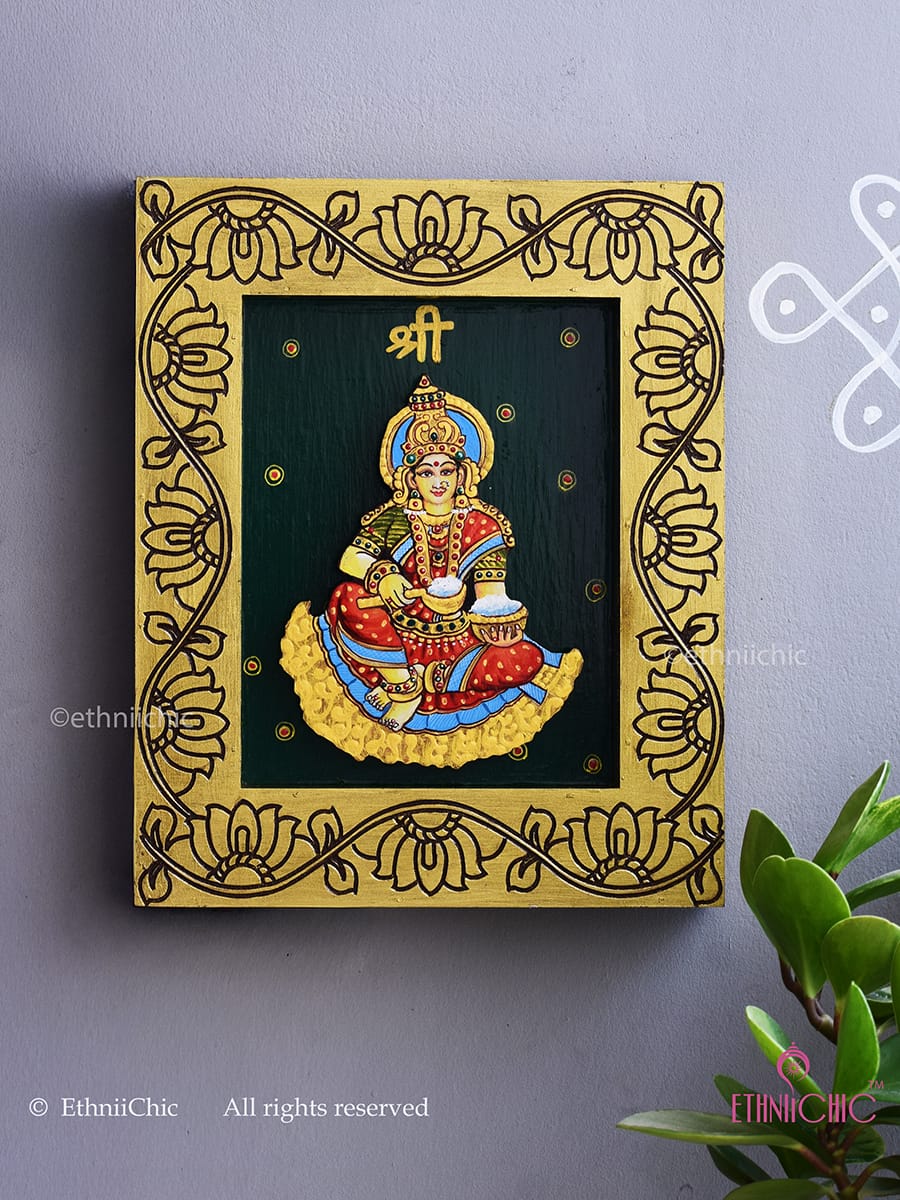
Thanjavur painting developed in the town of Thanjavur during the Maratha court period (1676–1855 CE), after painters displaced by the fall of the Vijayanagara Empire settled there and blended their training with local influences. The signature look — a raised gesso base (traditionally limestone powder and a binding medium) overlaid with gold foil, with gemstones historically inset into the relief work — is built for depicting deities and religious narratives with real visual weight. It's been a GI-recognised craft since 2007–08. EthniiChic's prabhavali wall frames of goddesses like Meenakshi, Kanchi Kamakshi, and Vadivudai Amman, along with the Annapoorneshwari wall frames and Kulo wall mounts, all draw on this tradition.
Shop Wall Frames → · Shop Wall Plates →

Kolam — Tamil Nadu's Living Floor-Art Tradition

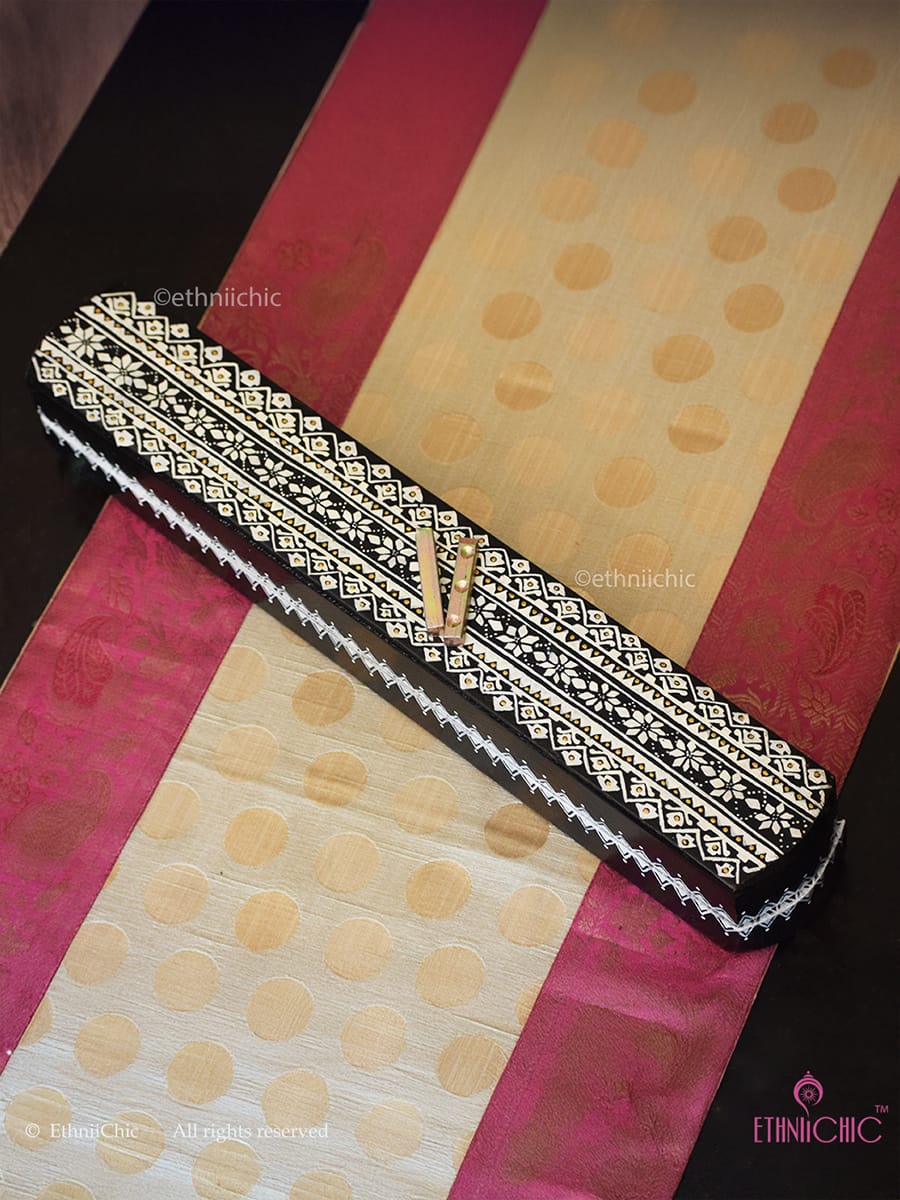
Kolam is the geometric line-drawing tradition practised at the threshold of South Indian homes at dawn, traditionally in rice flour — a design meant to symbolise prosperity and welcome, and to invite the goddess Lakshmi in. It's less a fixed image than a daily ritual practice, which is part of why EthniiChic's Kolam-art pieces — hand-painted onto tissue boxes and coasters — carry that same geometric, symmetrical language rather than a figurative deity motif.
Shop Coasters →

Pallanguzhi, Therukoothu, and Thanjavur Dancing Dolls — Tamil Nadu's Cultural Objects

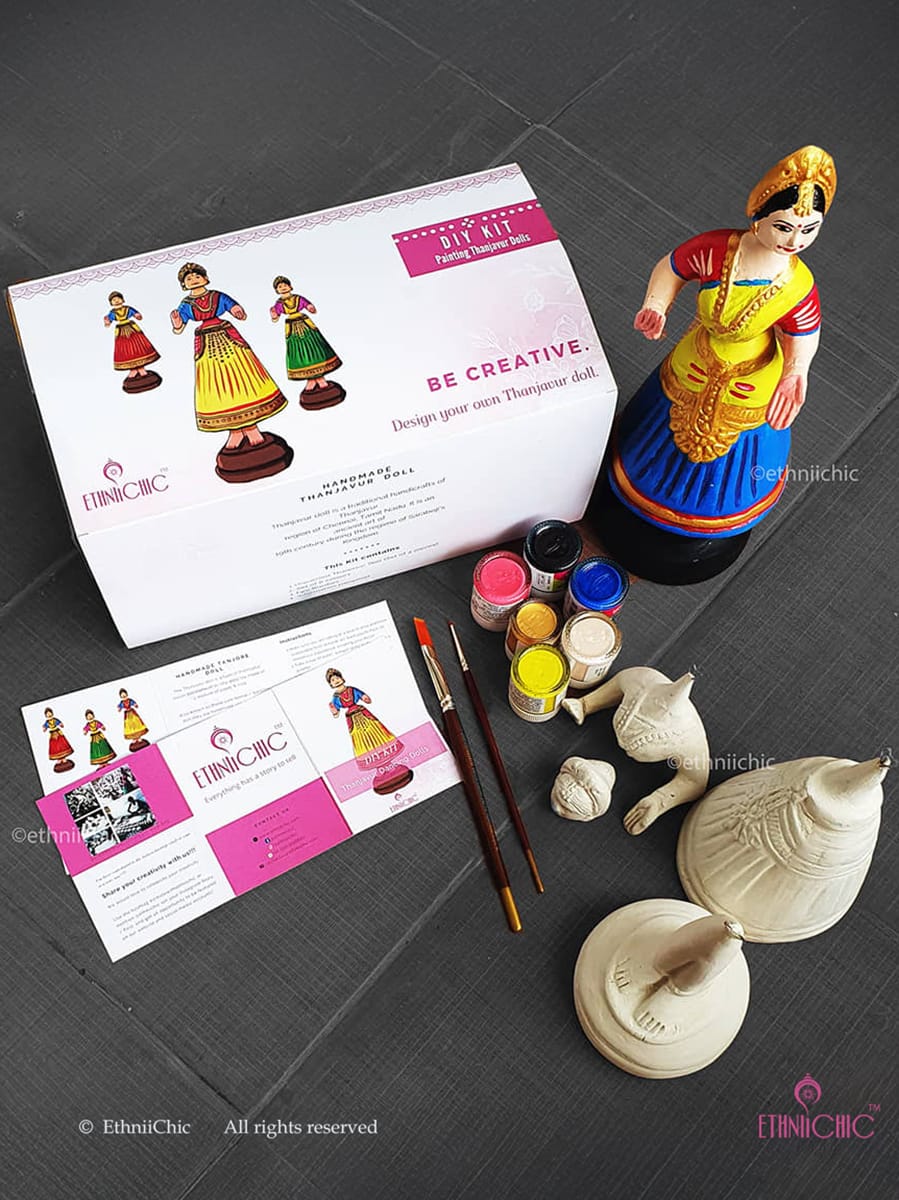
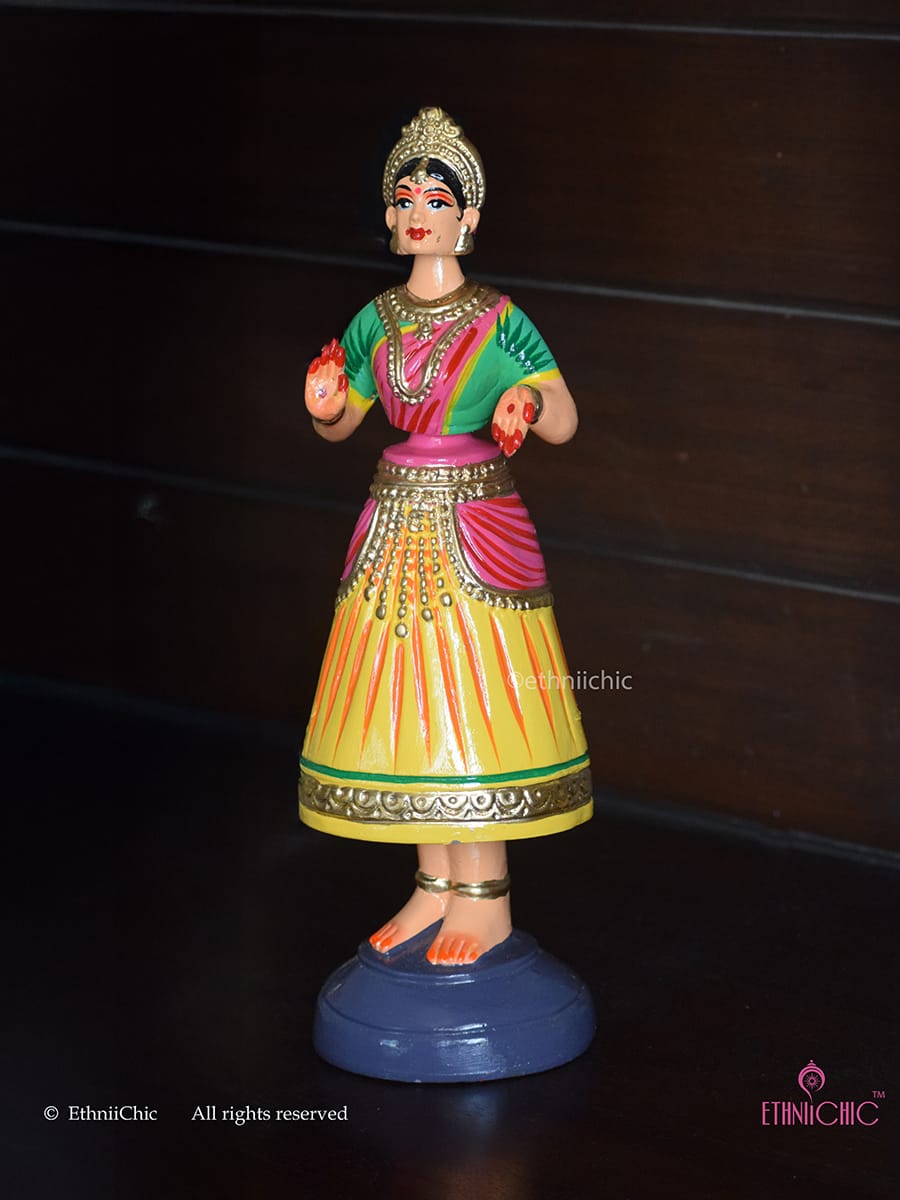
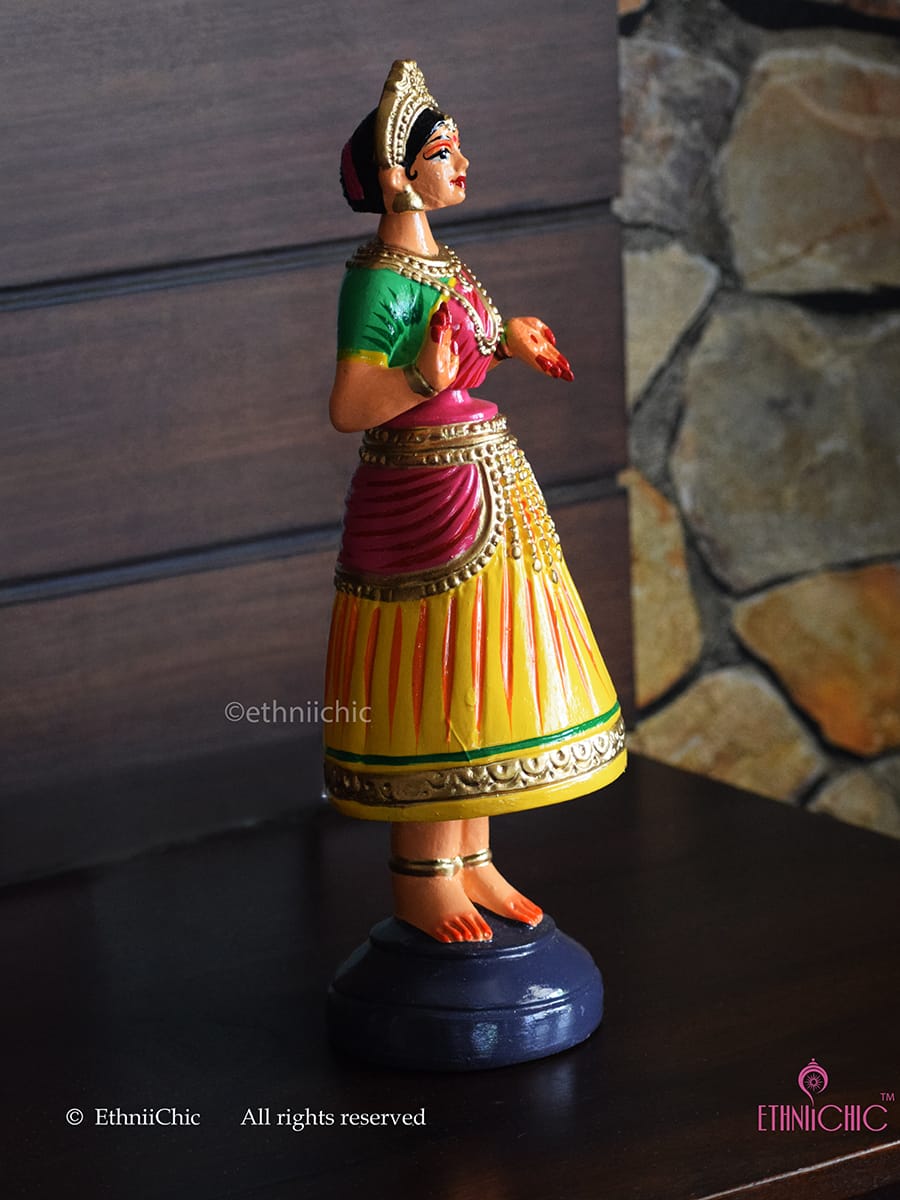
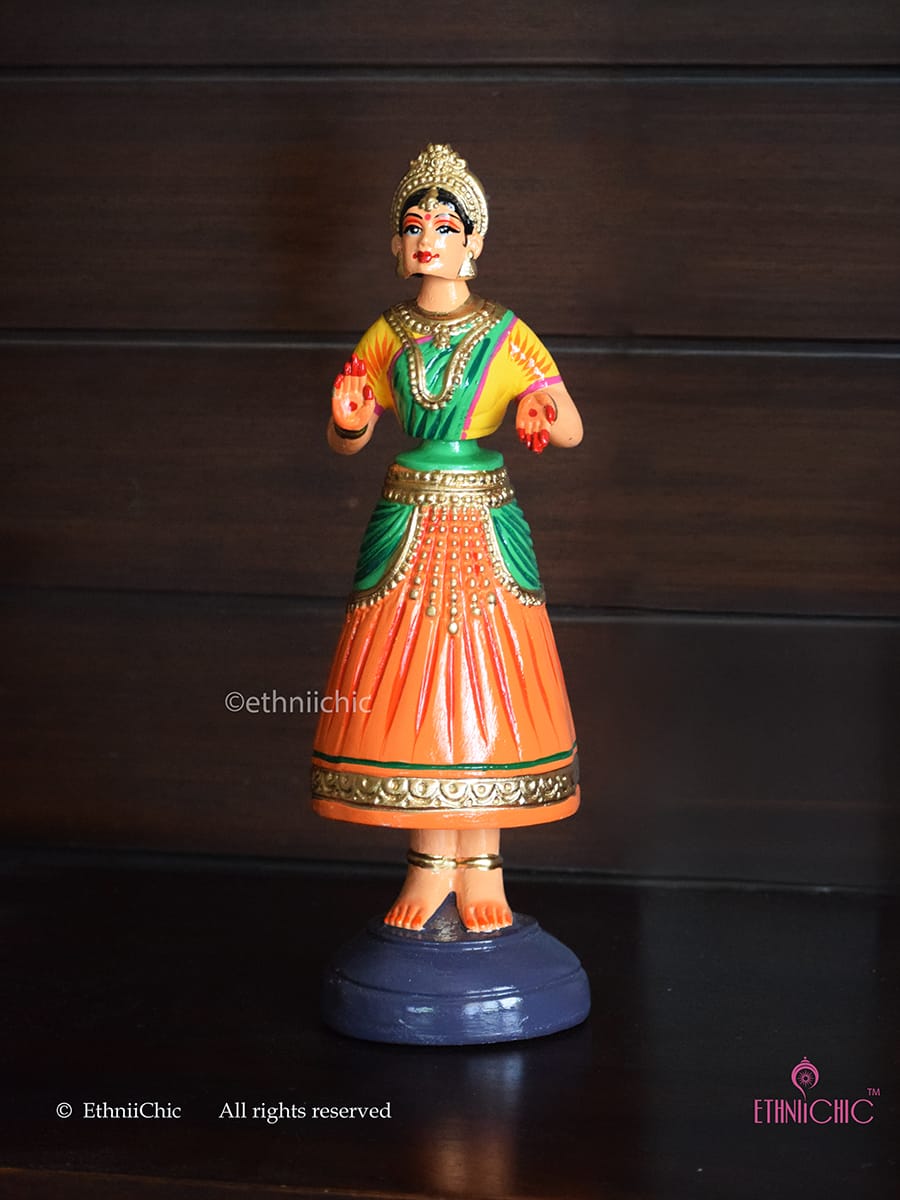
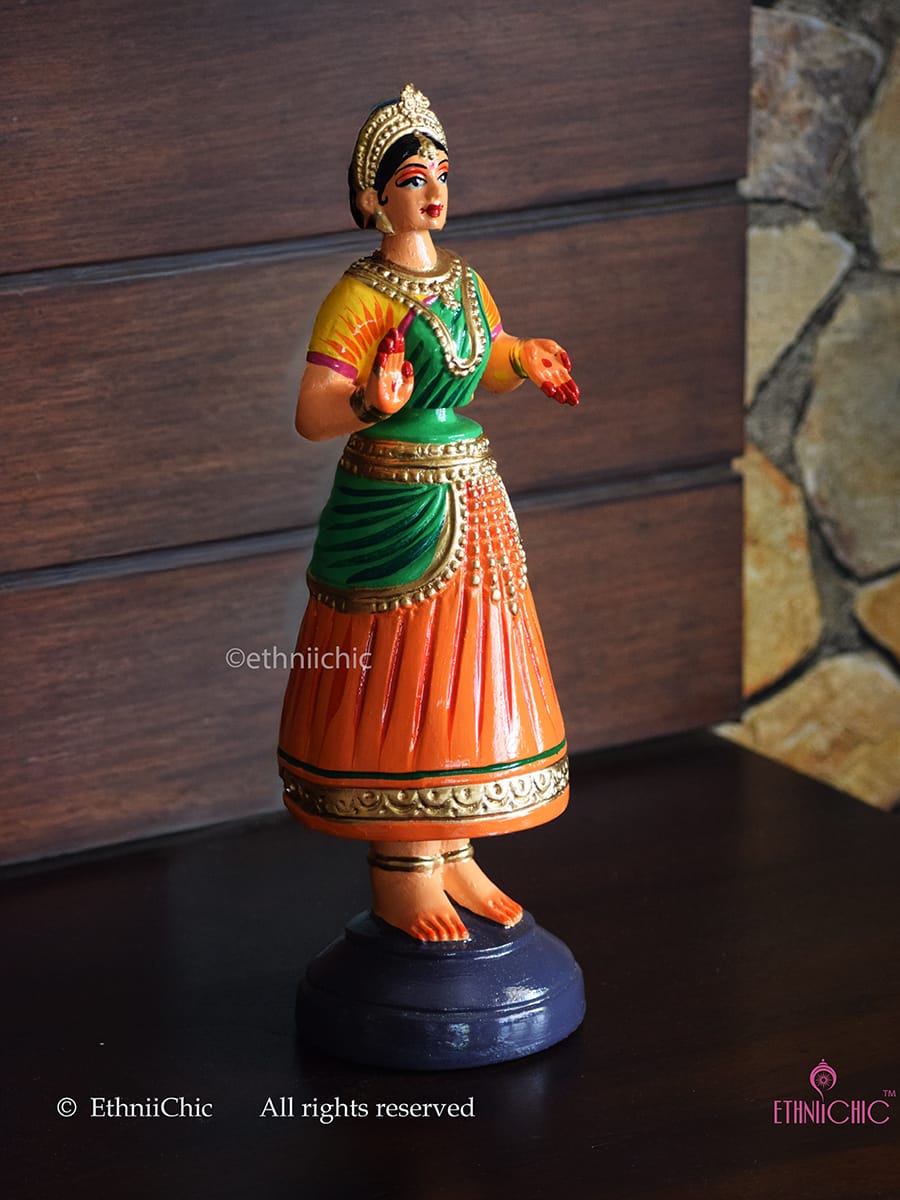
Beyond painting, this collection includes a few pieces built around specific Tamil cultural practices rather than a shared visual style: the hand-painted Pallanguzhi board, a traditional mancala-style game played with seeds or shells across South India; a Therukoothu dancing doll, referencing Tamil Nadu's centuries-old street-theatre and dance-drama tradition; and Thanjavur dancing dolls (Bommai), known for a weighted, rounded base that sets the figure gently rocking when nudged.
What Ties Tamil Nadu Together

Every piece in this collection is either hand-painted using the gold-and-gesso technique specific to Thanjavur art, or built around a distinct Tamil cultural practice — a game, a folk-theatre figure, a doll craft — represented as an object rather than reduced to a generic motif. That's a different kind of regional collection than Andhra & Telangana, where three visually distinct painting and craft techniques sit side by side; here, one dominant classical tradition anchors the page, with a handful of cultural objects around its edges.

Choosing Where to Start

If you want the clearest example of Tamil Nadu's signature art form, start with a Tanjore prabhavali wall frame — gold, gesso, and a centred deity figure is the most immediately recognisable version of this craft. If you want something conversational and a little different from a wall piece, the Pallanguzhi board or a Thanjavur dancing doll makes for a distinctive shelf or console piece. If you know Kolam's meaning already and it resonates personally, the Kolam-art coasters and tissue box are a subtler, everyday way to bring that tradition home.

Tamil Nadu as a Gift

This collection works especially well for gifting anyone with roots in or a personal connection to Tamil Nadu — a Tanjore-style deity frame in particular reads as a specific, considered nod to that heritage rather than generic Indian décor, and is a traditional choice for housewarmings and weddings in Tamil households. The Pallanguzhi board and dancing dolls make for more playful, conversation-starting gifts. Every collection ships internationally; write to contactus@ethniichic.com before ordering to confirm rates and delivery timelines for your country — larger wall frames may need a separate freight quote.

Frequently Asked Questions (FAQs)

1. What art forms and traditions does the Tamil Nadu collection include?
Mainly Thanjavur (Tanjore) painting — the dominant tradition by product count — alongside Kolam-art pieces and standalone cultural objects: the Pallanguzhi board game, Thanjavur dancing dolls, and a Therukoothu folk-theatre figure.

2. What is Thanjavur (Tanjore) painting?
A classical South Indian art form from Thanjavur, Tamil Nadu, developed during the Maratha court period (1676–1855). It's known for gold foil laid over raised gesso relief work on a wood base, typically depicting Hindu deities within an architectural frame. It's been GI-recognised since 2007–08.

3. What is Kolam, and how is it represented in this collection?
Kolam is a traditional South Indian geometric floor-drawing practice, done daily at the threshold of homes to symbolise prosperity and welcome. EthniiChic translates that same geometric visual language onto hand-painted coasters and a tissue box.

4. What is Pallanguzhi?
A traditional Tamil mancala-style board game, played across South India using seeds or shells moved between carved pits. EthniiChic's version is a hand-painted wooden board built as both a playable object and a decorative piece.

5. What is Therukoothu?
A centuries-old Tamil street-theatre and dance-drama tradition. The Therukoothu dancing doll in this collection is a hand-painted figure referencing that folk-performance heritage.

6. Are all Tamil Nadu pieces exclusively tied to Tamil Nadu?
Most, though some Tanjore-style pieces — like the Annapoorneshwari wall frames — are also tagged to neighbouring South Indian states, since that painting style and imagery is shared across the wider South Indian temple-art tradition rather than confined to one state's borders.

7. What's the price range across this collection?
From around ₹975 for a Kolam-art coaster set to ₹12,500 for the Garuda wooden sculpture, with most Tanjore wall frames falling in the ₹2,400–₹4,000 range.

8. Do you ship Tamil Nadu pieces internationally for NRI buyers?
Yes, across all pieces in this collection. Write to contactus@ethniichic.com before ordering to confirm shipping rates and delivery timelines for your country — larger wall frames may need a separate freight quote.

9. Can I order a custom or bulk piece from this collection?
Yes. Custom motifs, deity choices, and bulk or corporate gifting orders can be arranged through Commission Artwork or Contact Us.