More Hindu Gods — Shiva, Rama, and the Devotional Figures Beyond the Named Collections
This collection brings together devotional and mythological pieces that sit outside EthniiChic's dedicated deity pages — Shiva in several forms, Rama, revered saints including Sai Baba and Meera, and mythological figures like the Apsaras of Kerala Mural tradition — hand-painted across Cheriyal, Kerala Mural, Rajput, and Tanjore painting styles. Where our Vishnu, Hanuman, Devi, and Ganesha collections each go deep on one deity, this page is the place for everything else genuinely worth collecting on its own terms — some of it divine, some of it deeply revered without being worshipped as a god in the traditional sense.
That distinction is worth understanding rather than glossing over. A Shiv Parvathy piece and a Sai Baba name board are both devotional, but they're not the same kind of figure — one is a god within the core Hindu pantheon, the other a 19th and 20th-century spiritual master venerated by his followers. Both belong in an Indian home with real meaning; neither should be mislabeled as the other.
Shiva — Trident, Cosmic Form, and Family
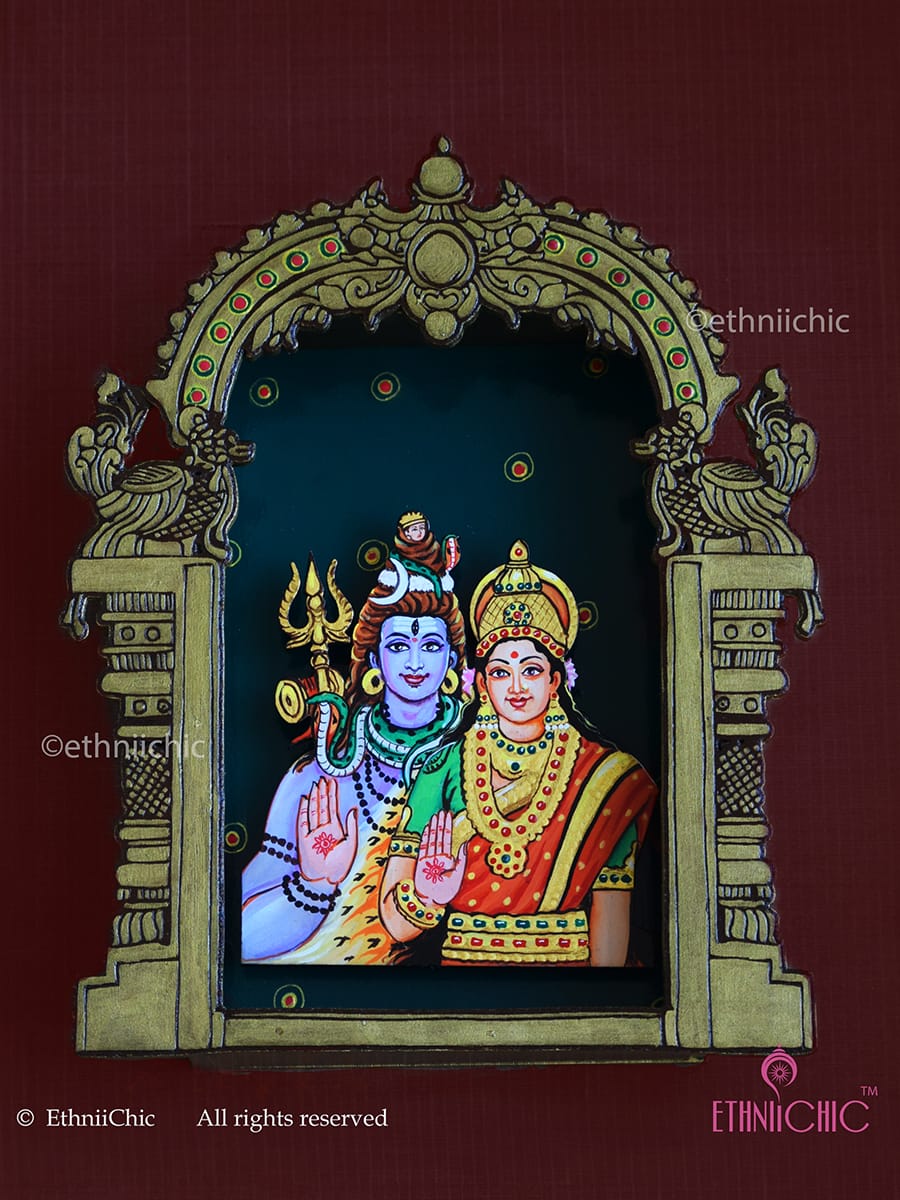
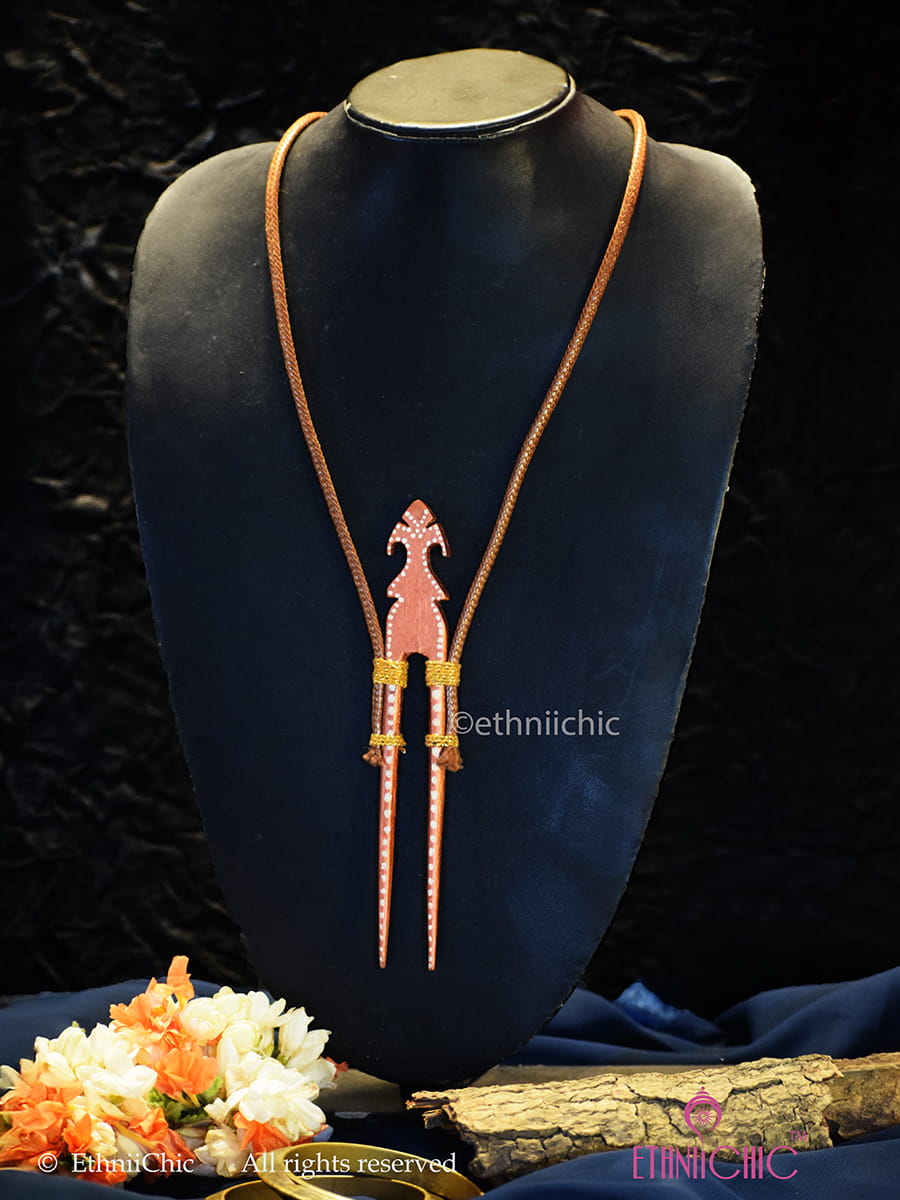
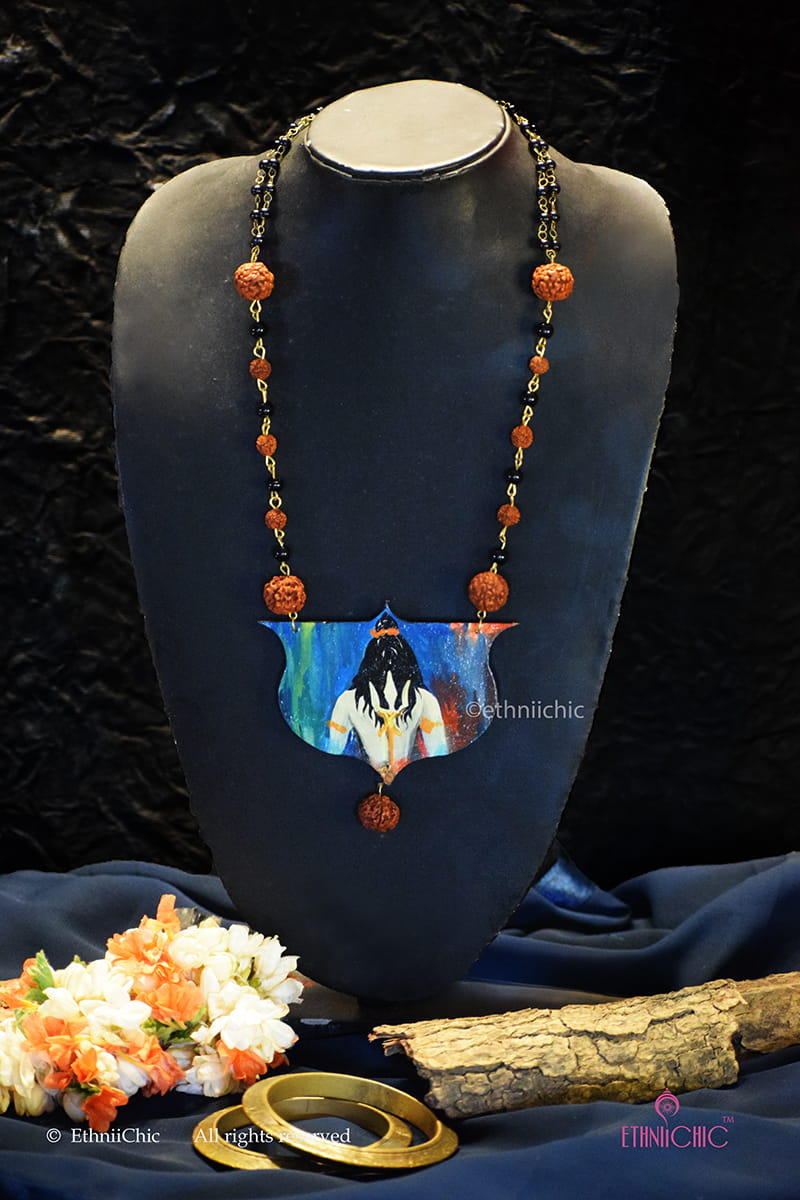
Shiva appears here in several distinct registers: the Trishul (trident) pendant, representing his weapon and one of Hinduism's most recognisable symbols; the Shiva Cosmic Blue pendant, evoking his association with the cosmos and transcendence; the Shiv Parvathy Cheriyal mask and South Indian Prabhavali wall frame, showing Shiva alongside his consort Parvati; and the Shiv Parivar wall hanging, depicting the full family together — Shiva, Parvati, and their sons. Together, these pieces span Shiva from symbol to solo deity to full family grouping.
Shop Necklaces → · Shop Wall Décor →
Rama, Beyond the Ram Darbar and Hanuman Pages
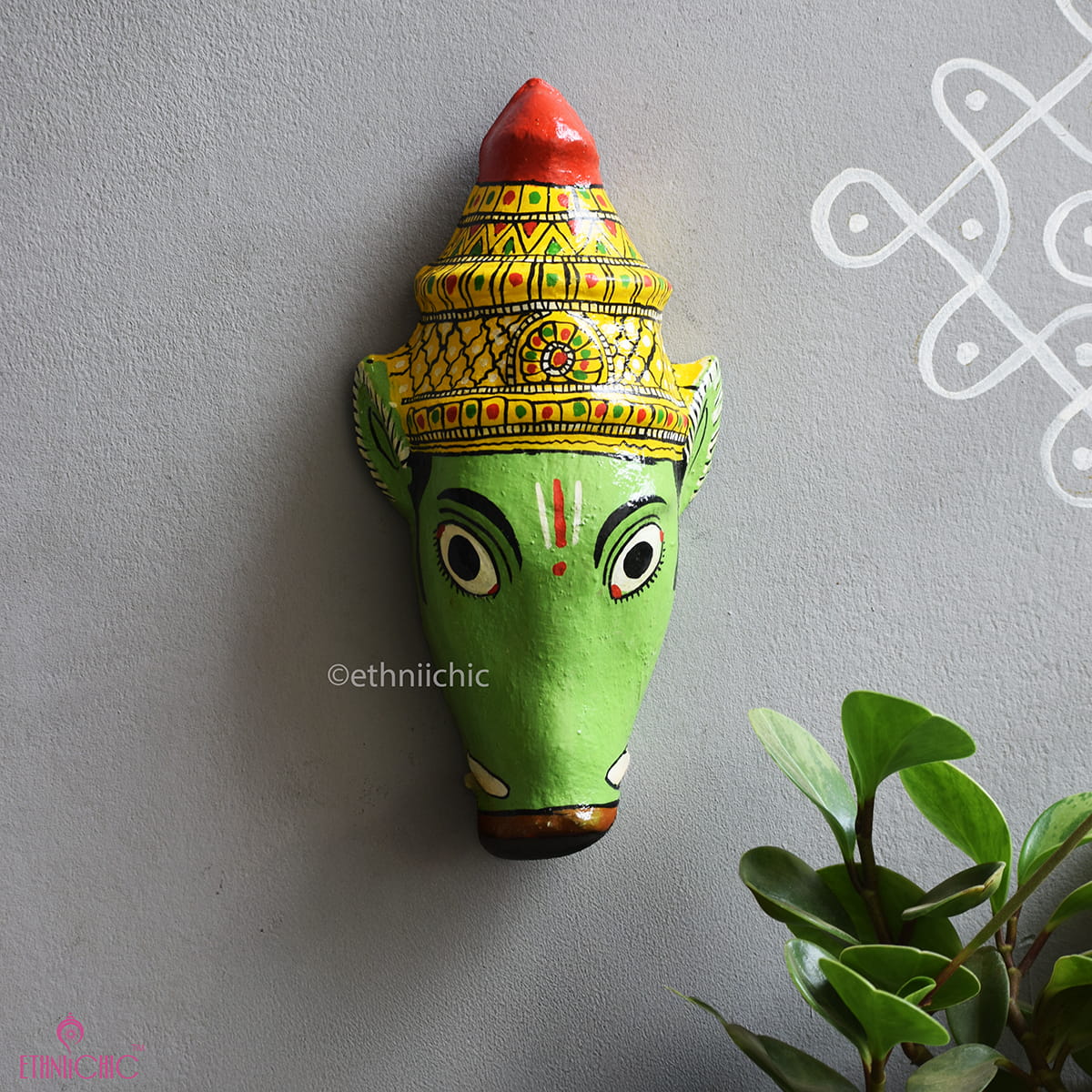
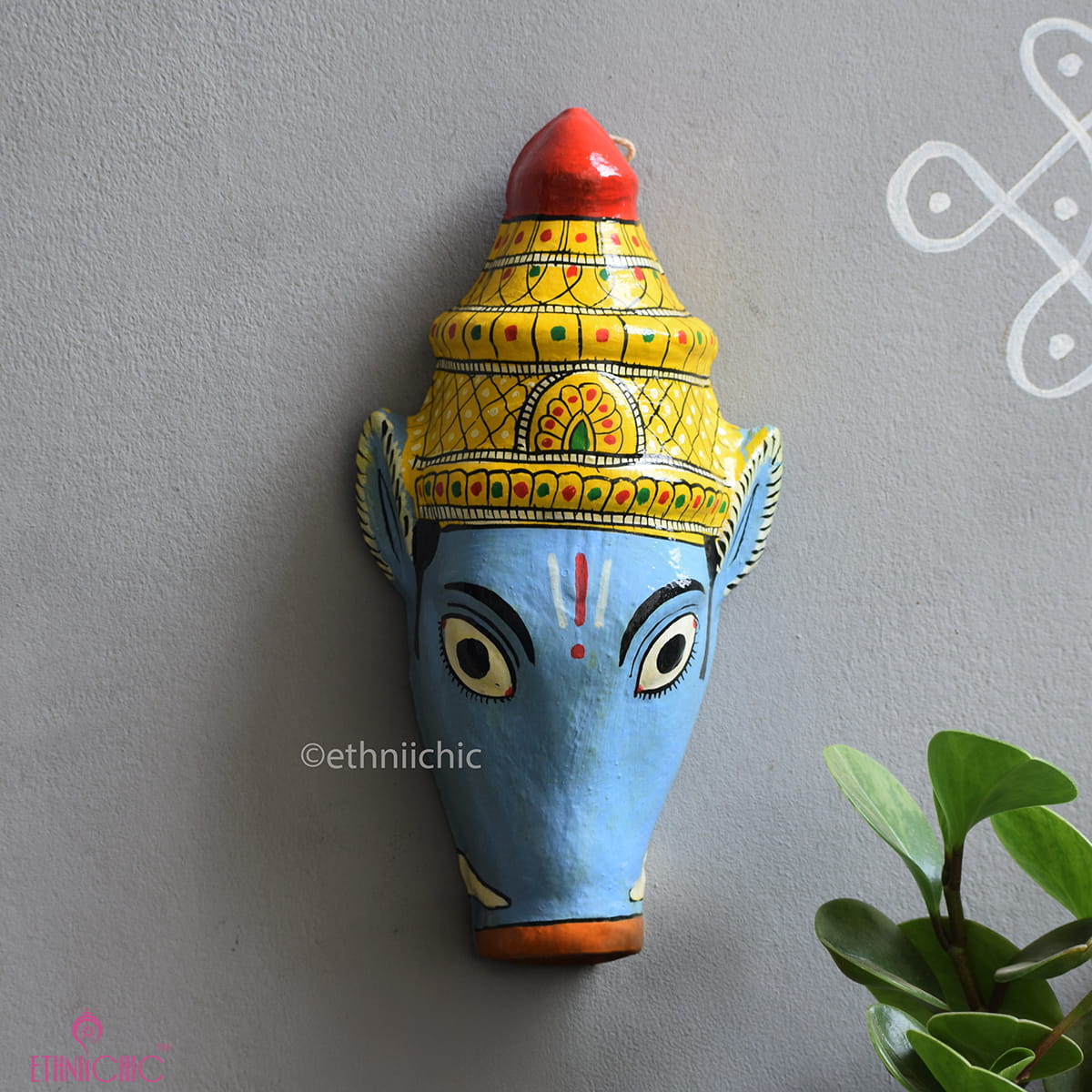
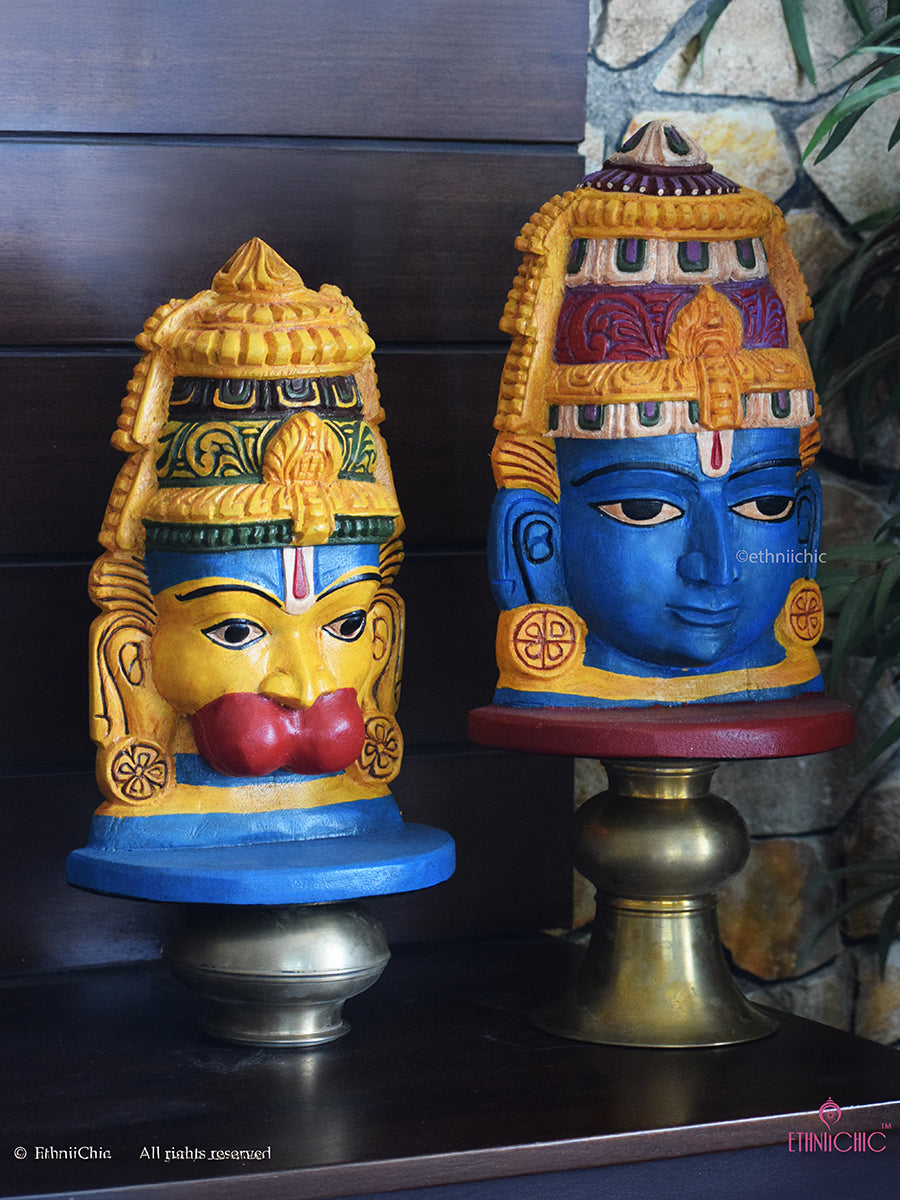
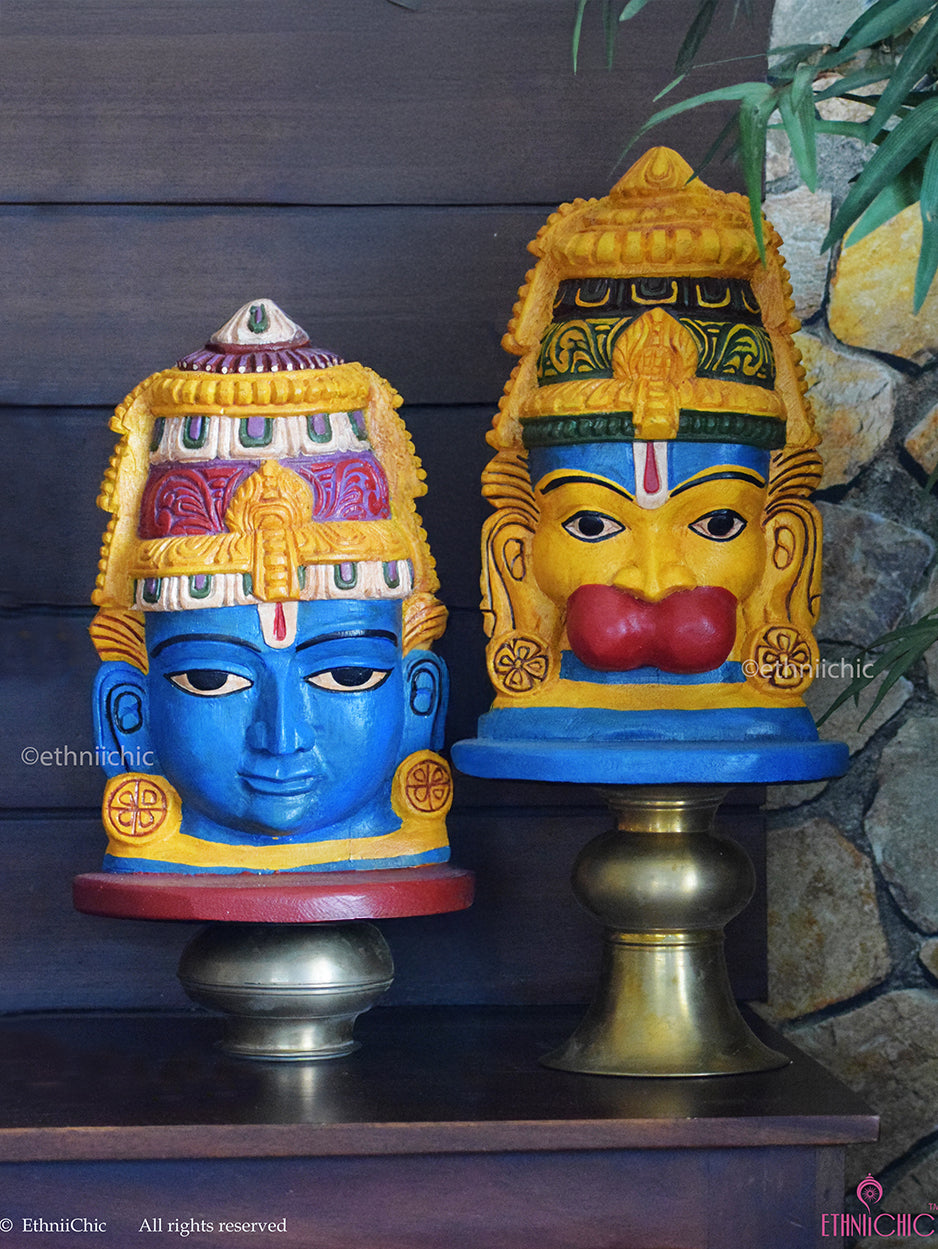
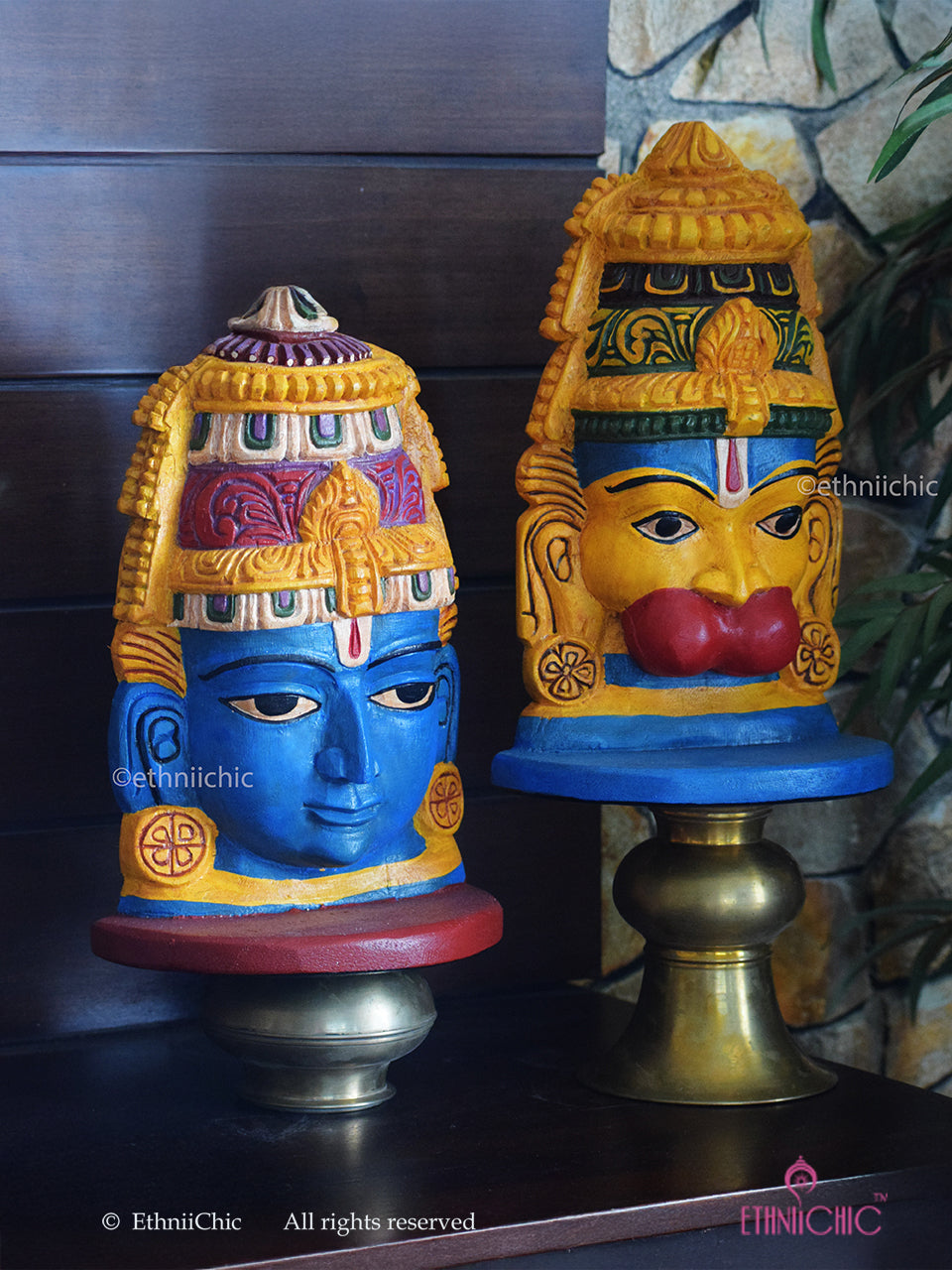
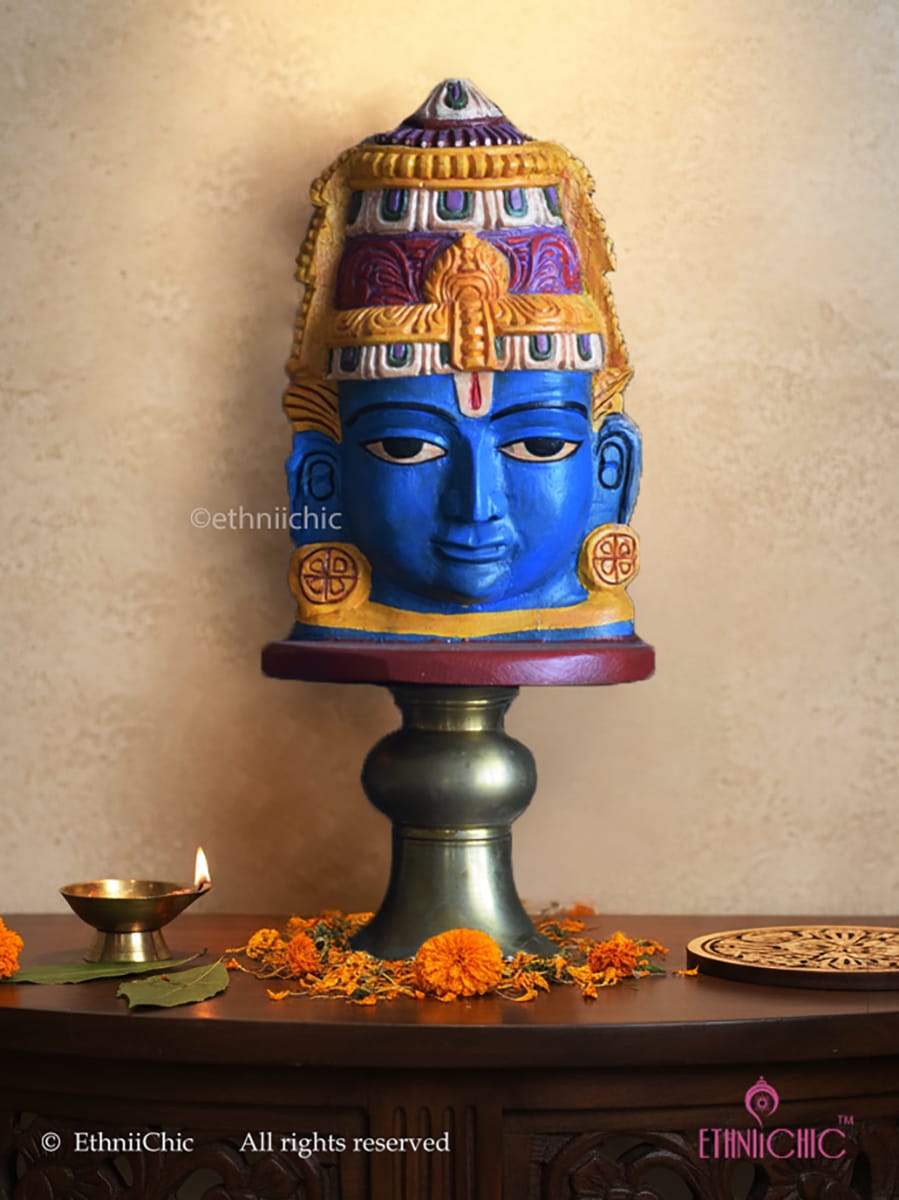
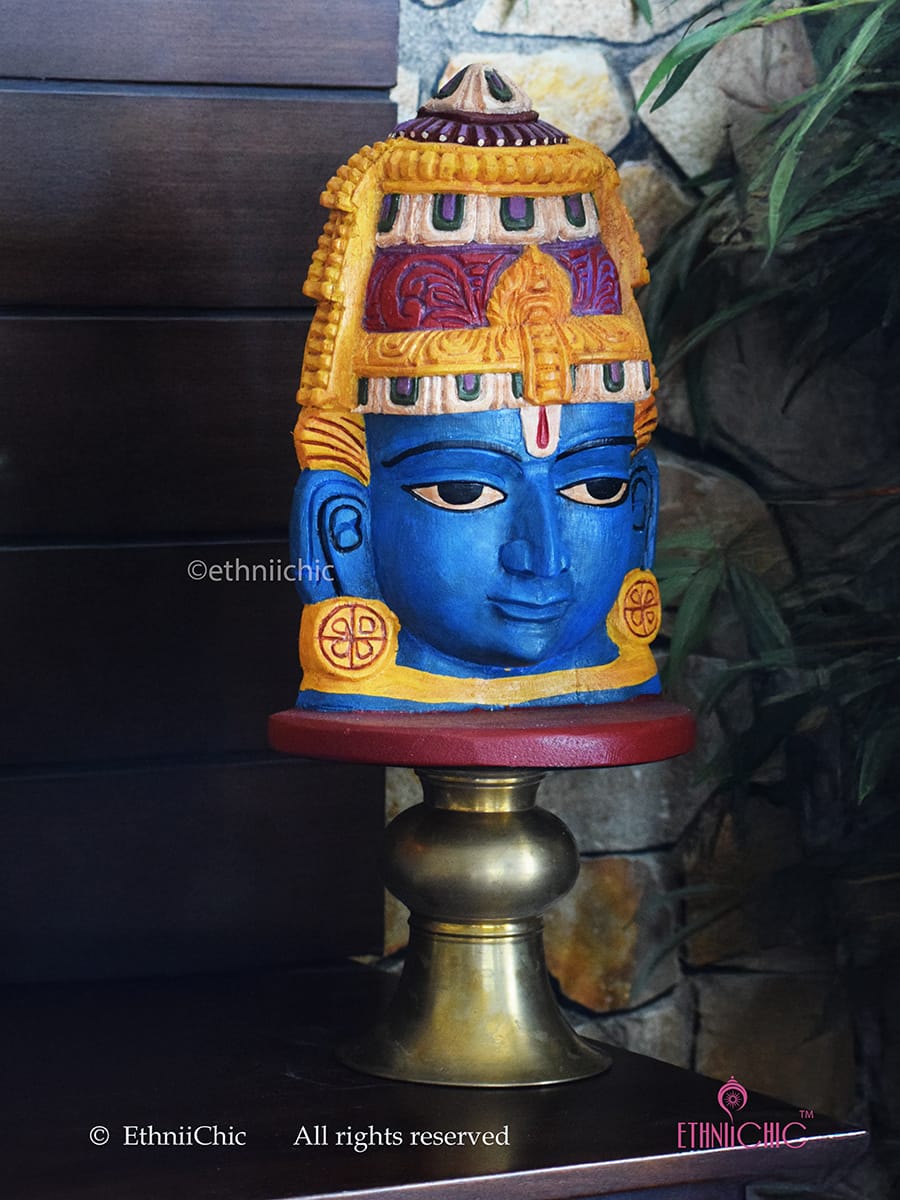
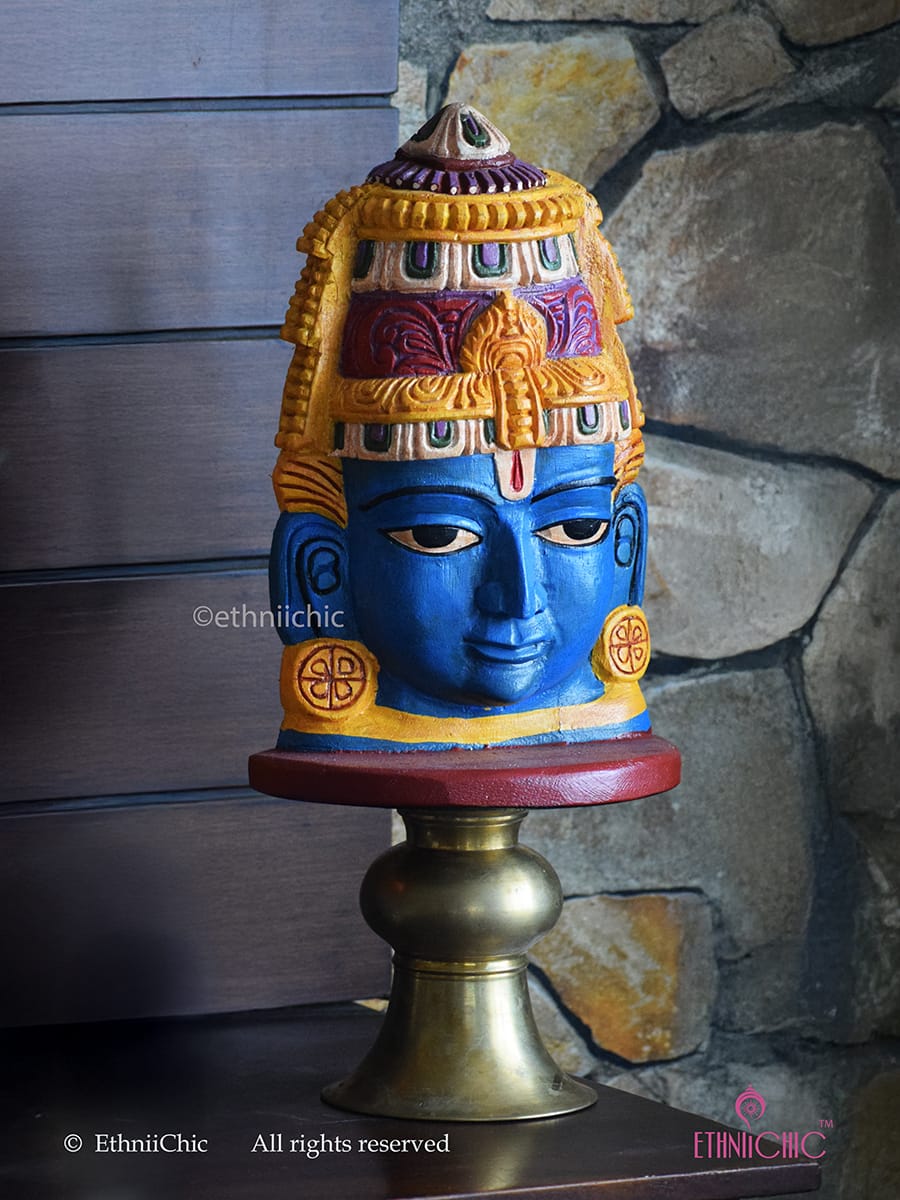
A standalone Ram Head sculpture and the Ram Hanuman Heads set both centre Rama specifically — a companion presence to the fuller Ram Darbar and Shri Ram with Hanuman pieces on the Hanuman collection, for anyone wanting Rama represented on his own rather than paired with Hanuman or the full court grouping.
Shop Wooden Sculptures →
Sai Baba, Kanchi Periyavar, and Meera — Revered Saints, Not Deities
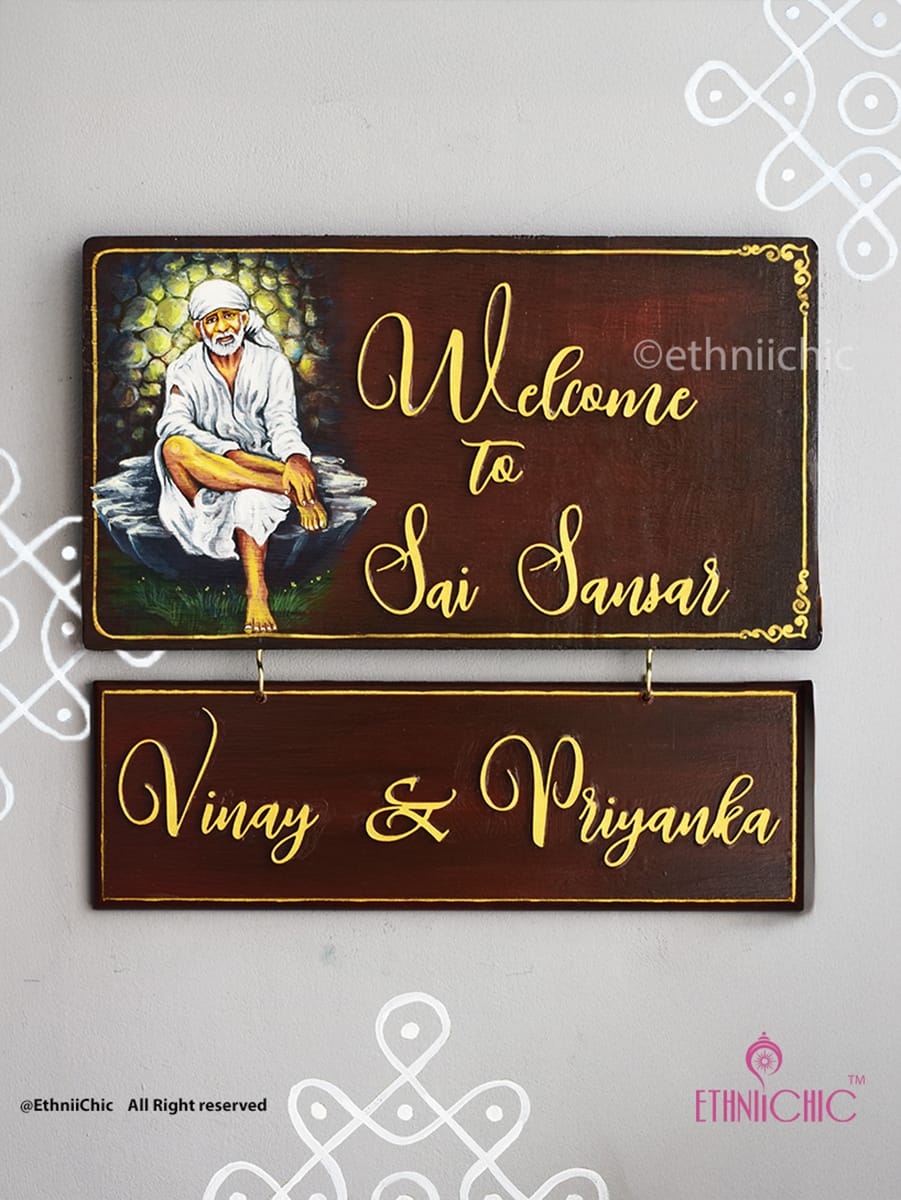
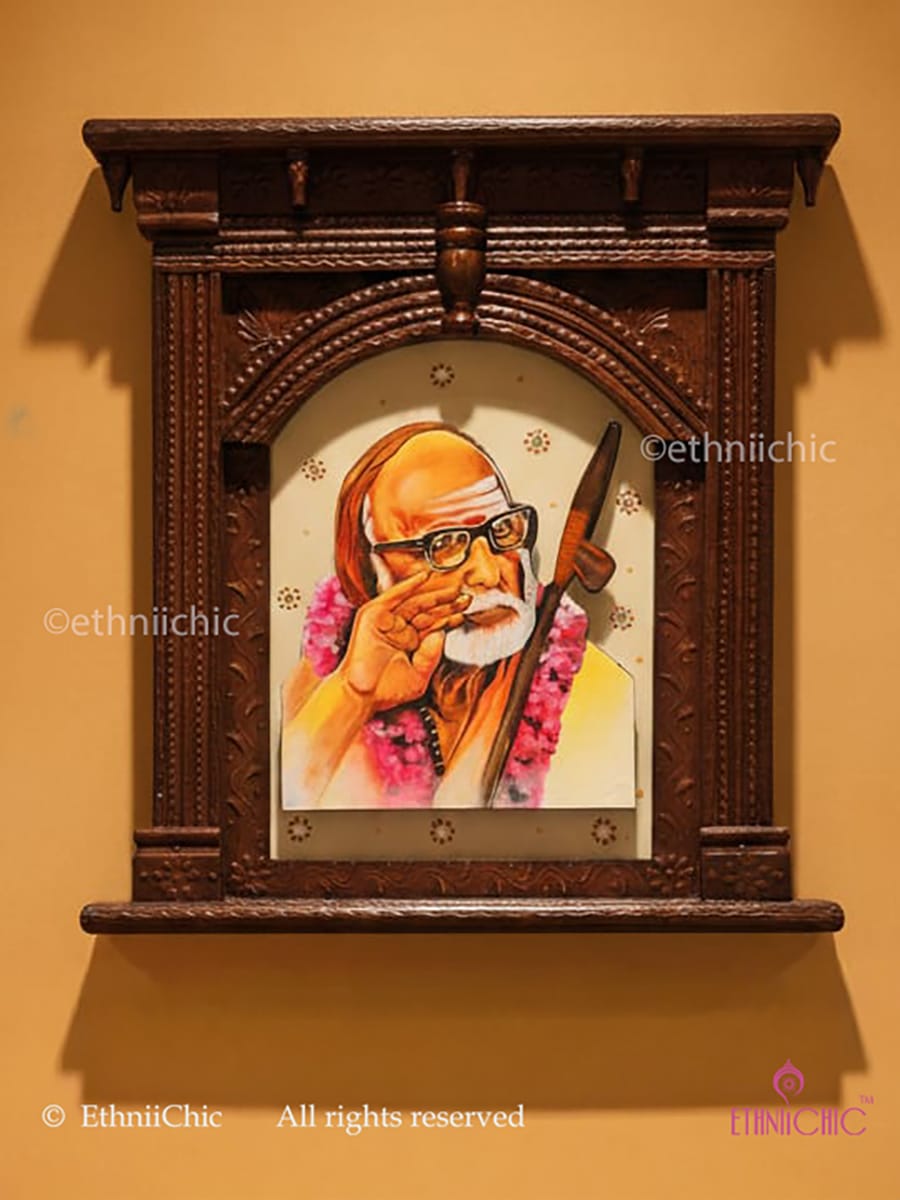
Three figures here are venerated spiritual teachers and poet-saints rather than gods, and worth choosing with that distinction in mind. Sai Baba of Shirdi (c. 1838–1918) taught an interfaith path treating Hindu and Islamic devotion as one and the same, and remains one of India's most widely venerated spiritual masters — the Sai Baba name board suits anyone with a personal devotion to him specifically. Kanchi Periyavar — Chandrasekharendra Saraswati, the 68th Shankaracharya of the Kanchi Kamakoti Peetham (1894–1994) — is deeply revered particularly across Tamil Nadu and South Indian Hindu tradition. Meera, the Rajput princess-turned-poet-saint of the Bhakti movement, is honoured for her lifelong devotional poetry to Krishna rather than being a goddess in her own right.
Shop Name Boards → · Shop Wall Plates →
Apsaras and Kathakali — Mythology in Kerala Mural Form
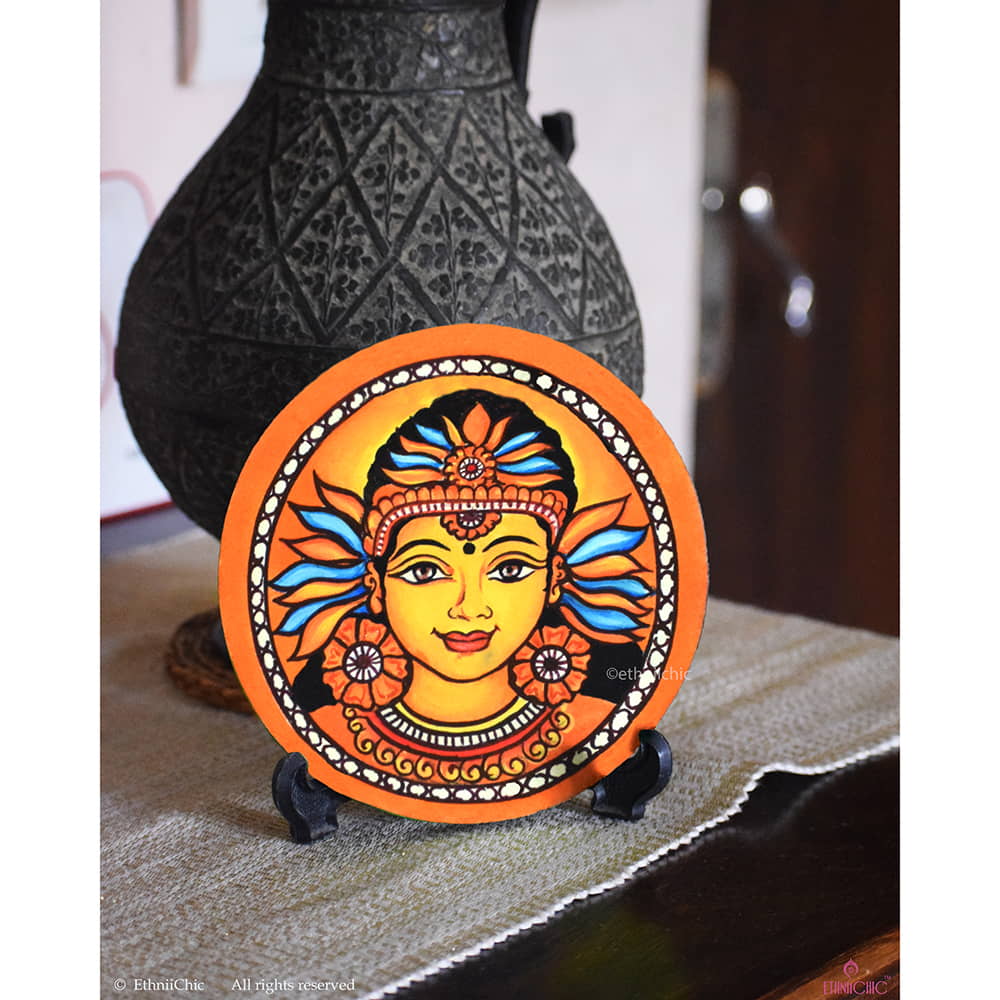
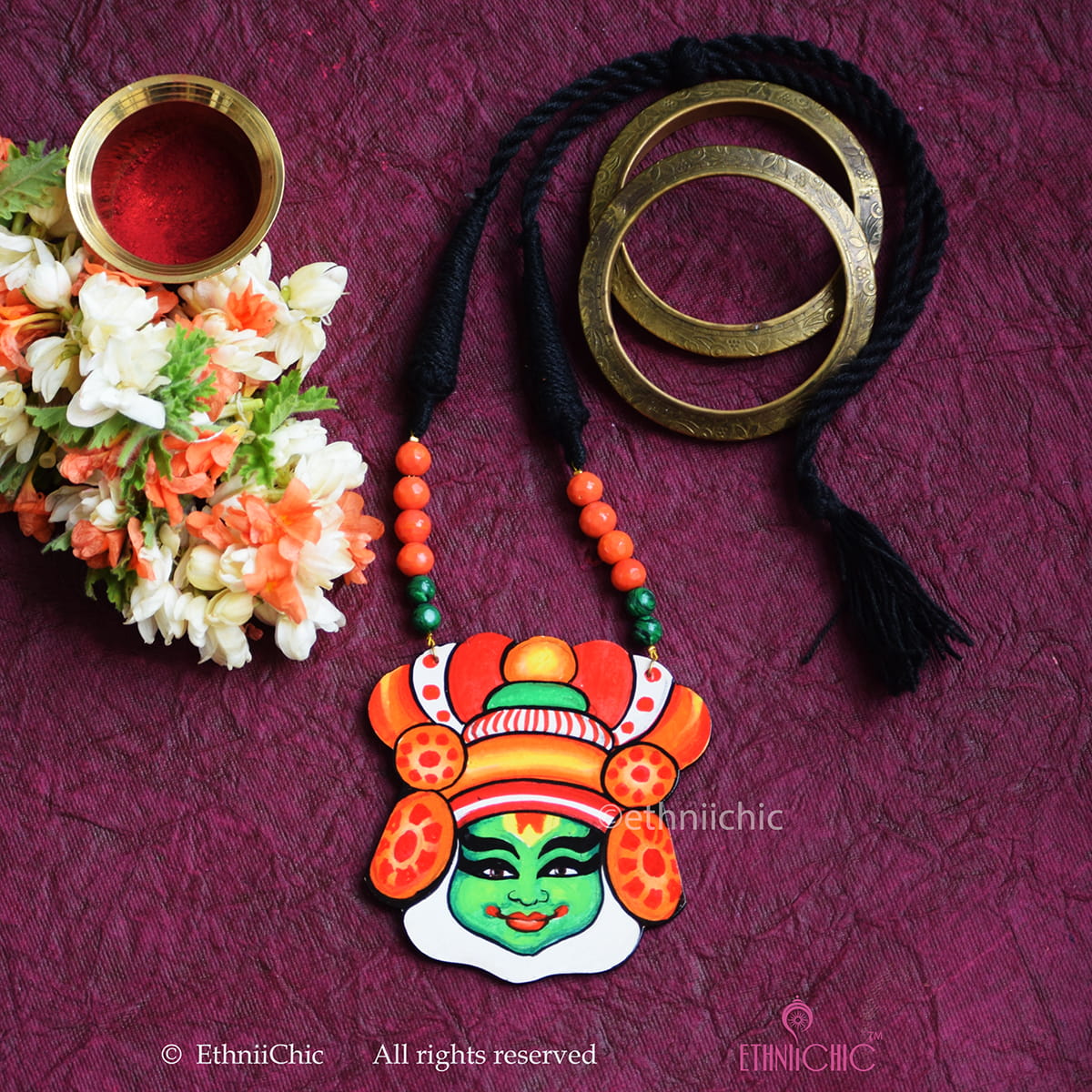
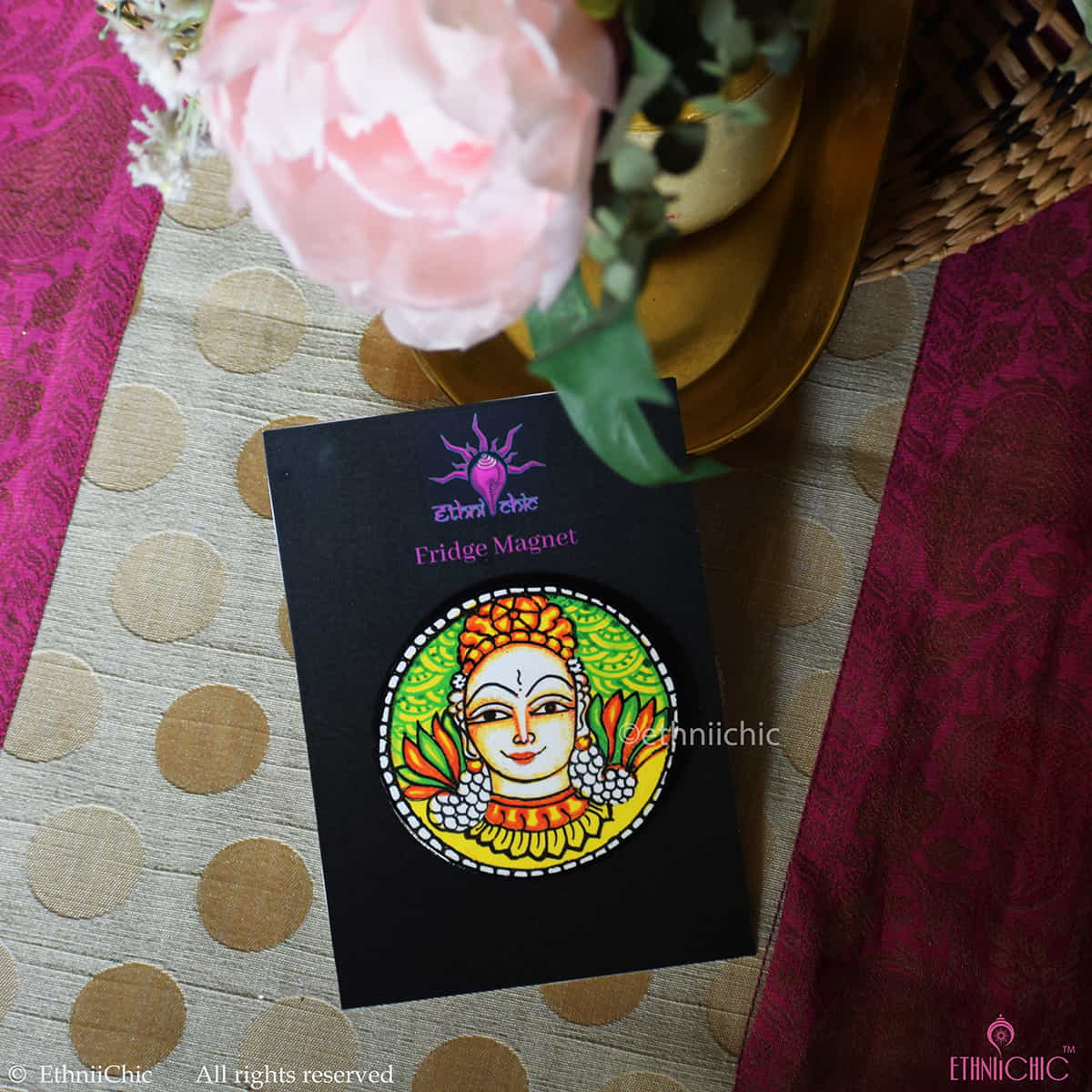
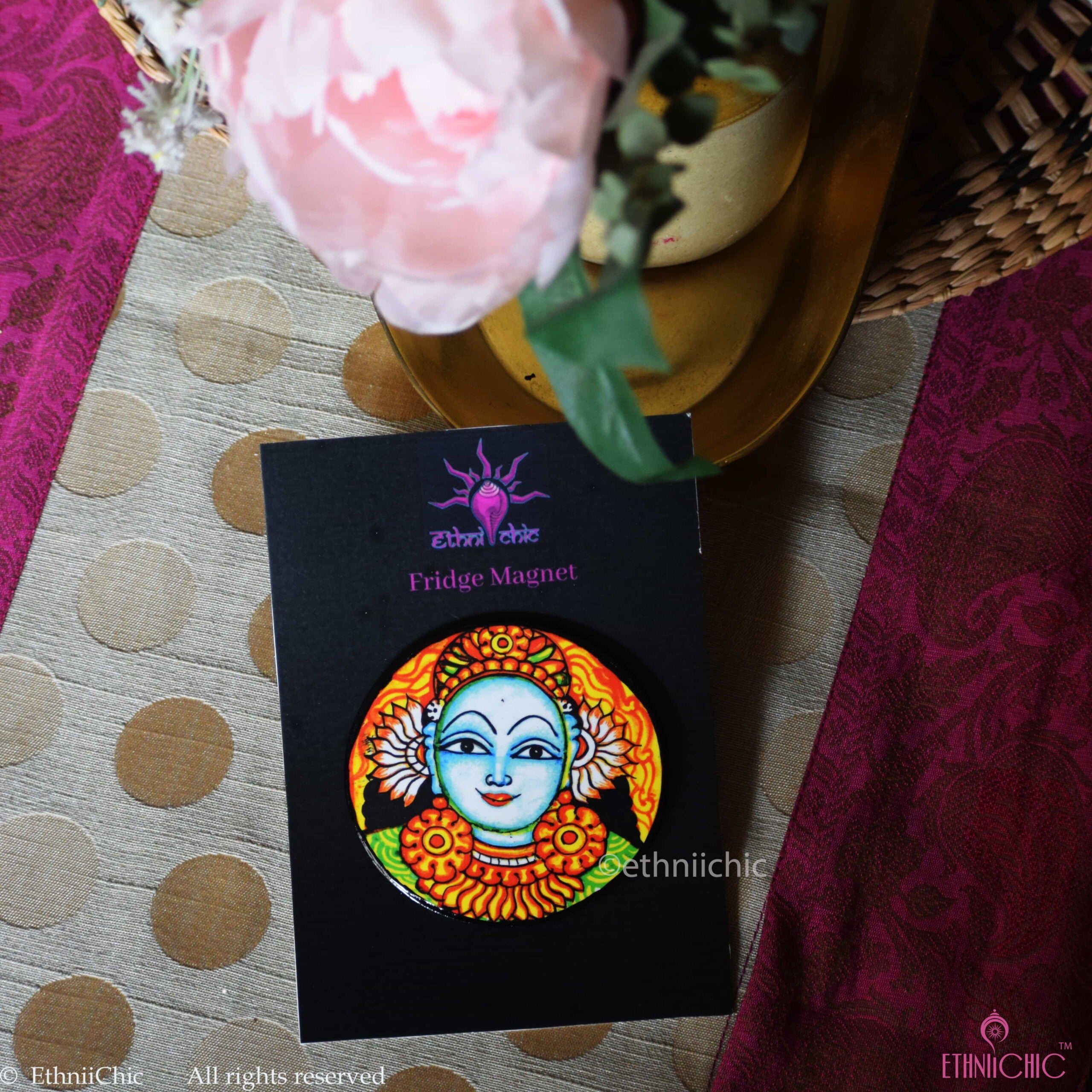
The Apsara fridge magnets and wall plates draw on Kerala Mural tradition's celestial dancer imagery — apsaras are mythological figures from Indra's celestial court, not deities, but a recurring and beloved subject in South Indian temple art. The Kathakali face pendant carries the same regional visual language, drawing on a classical performance character type from Kerala's dance-drama tradition rather than a specific god.
Shop Fridge Magnets → · Shop Kerala Art →
Choosing Where to Start
If you want a specific deity beyond Vishnu, Hanuman, Devi, or Ganesha, start with the Shiva or Rama pieces directly. If your connection is to a specific saint rather than a deity, the Sai Baba name board, the Kanchi Periyavar Jharoka frame, or the Meera wall plate are each built around one figure specifically rather than a generic devotional theme. If you're drawn to mythology and craft more than a specific figure, the Apsara fridge magnets are an easy, collectible way into Kerala Mural's celestial imagery.
More Hindu Gods as a Gift
Because this page spans real devotional range — a core deity, a beloved saint, a mythological figure — it's worth choosing by the specific person's own connection rather than a generic "Indian décor" instinct: a Sai Baba piece for someone devoted to him specifically reads very differently from a Shiva piece chosen for someone with no connection to Sai worship. The Apsara fridge magnets, at ₹350, are an easy, low-commitment gift; the Shiv Parivar wall hanging or a Ram Head sculpture makes a more significant milestone or housewarming gift. Every collection ships internationally; write to contactus@ethniichic.com before ordering to confirm rates and delivery timelines for your country.