Ganesha

Ganesha

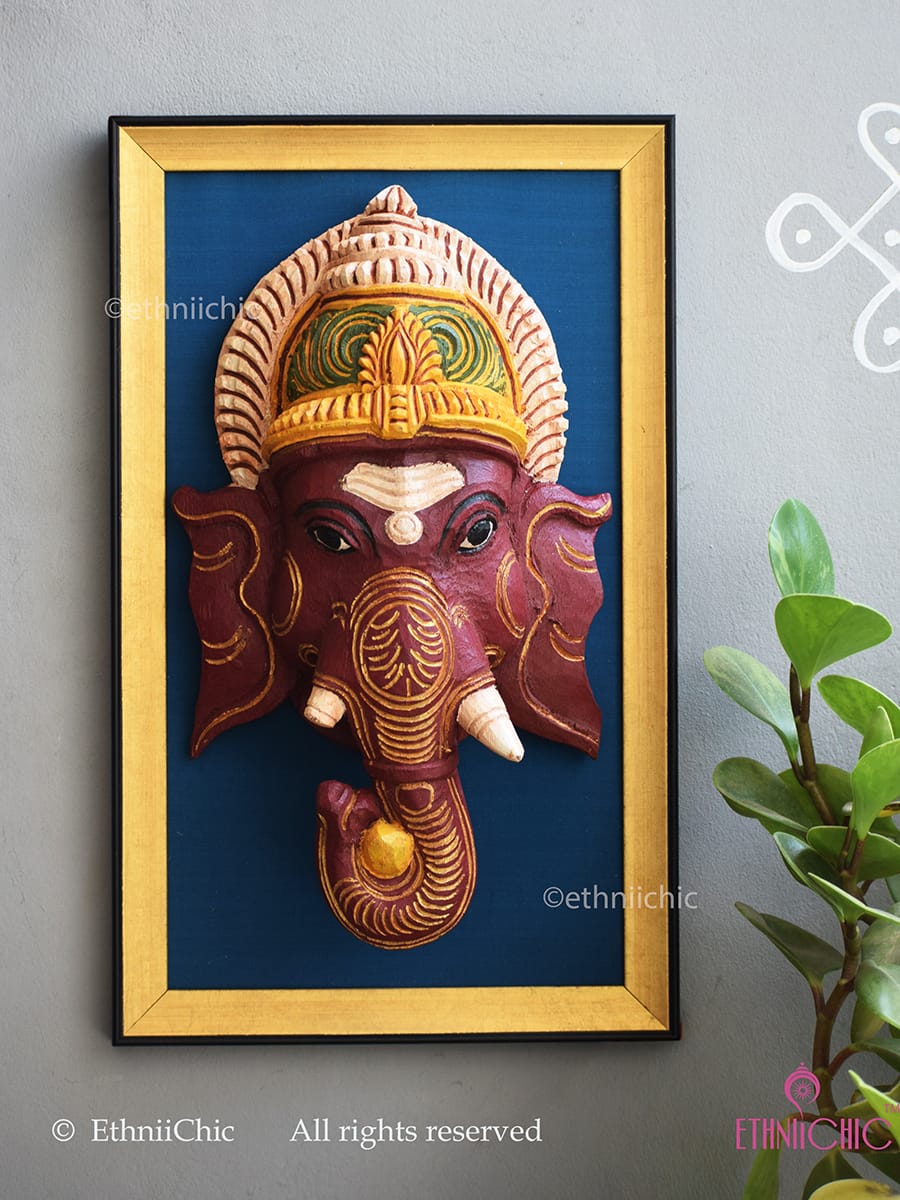
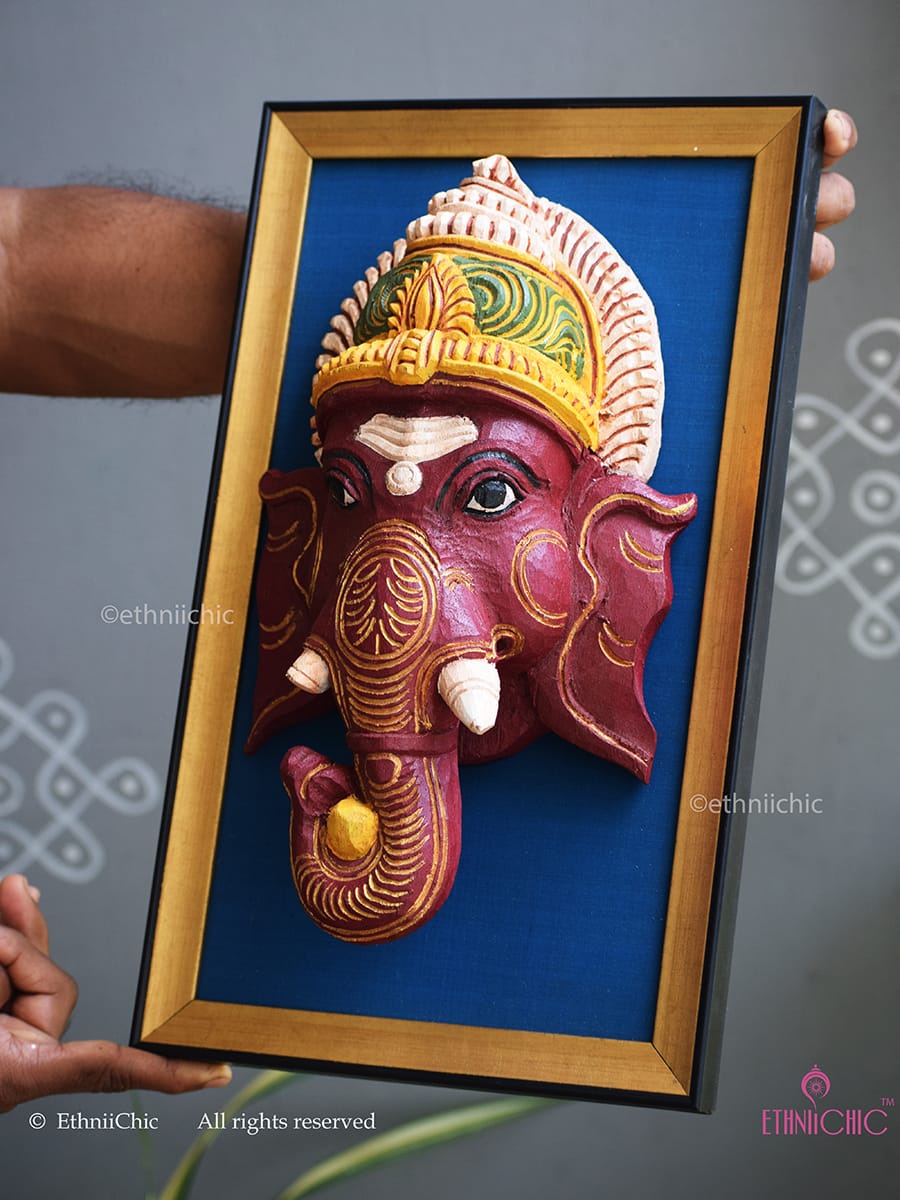
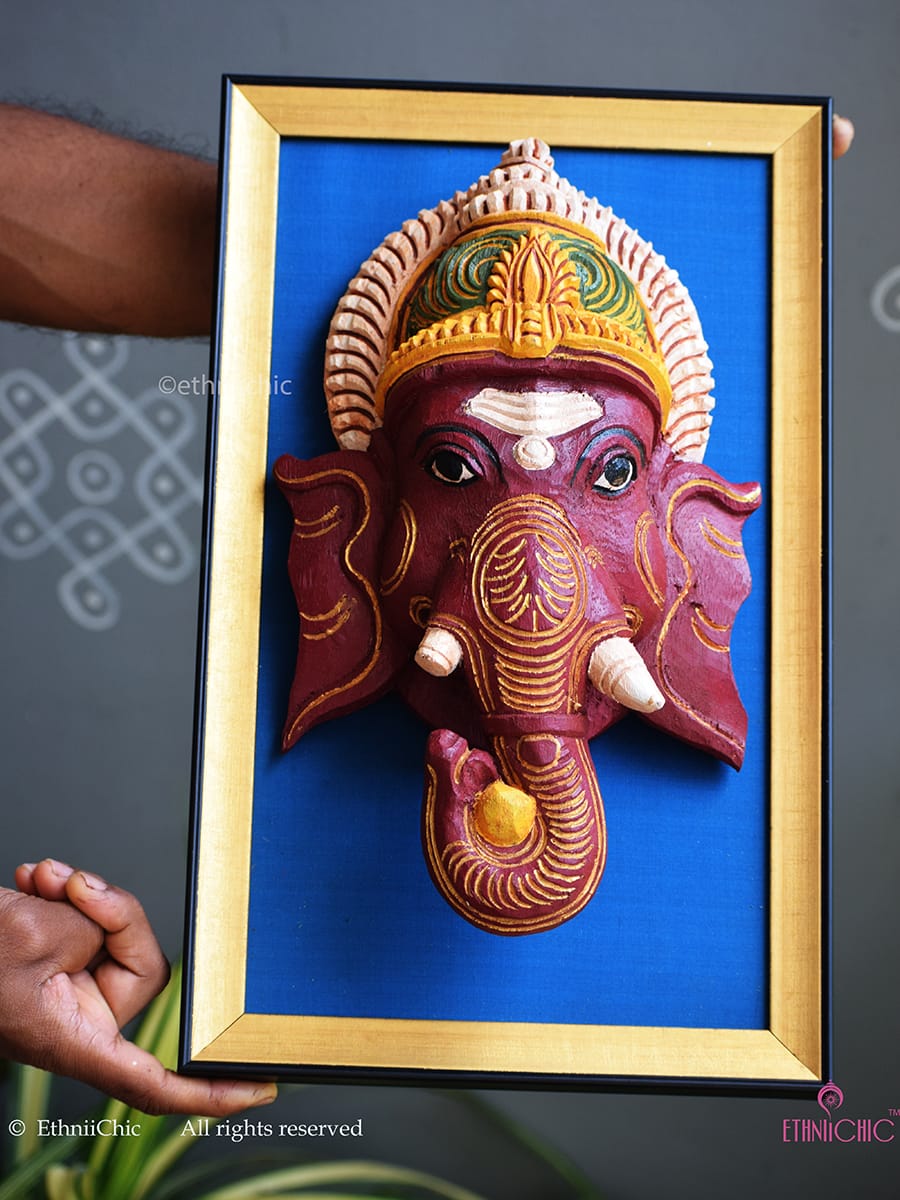
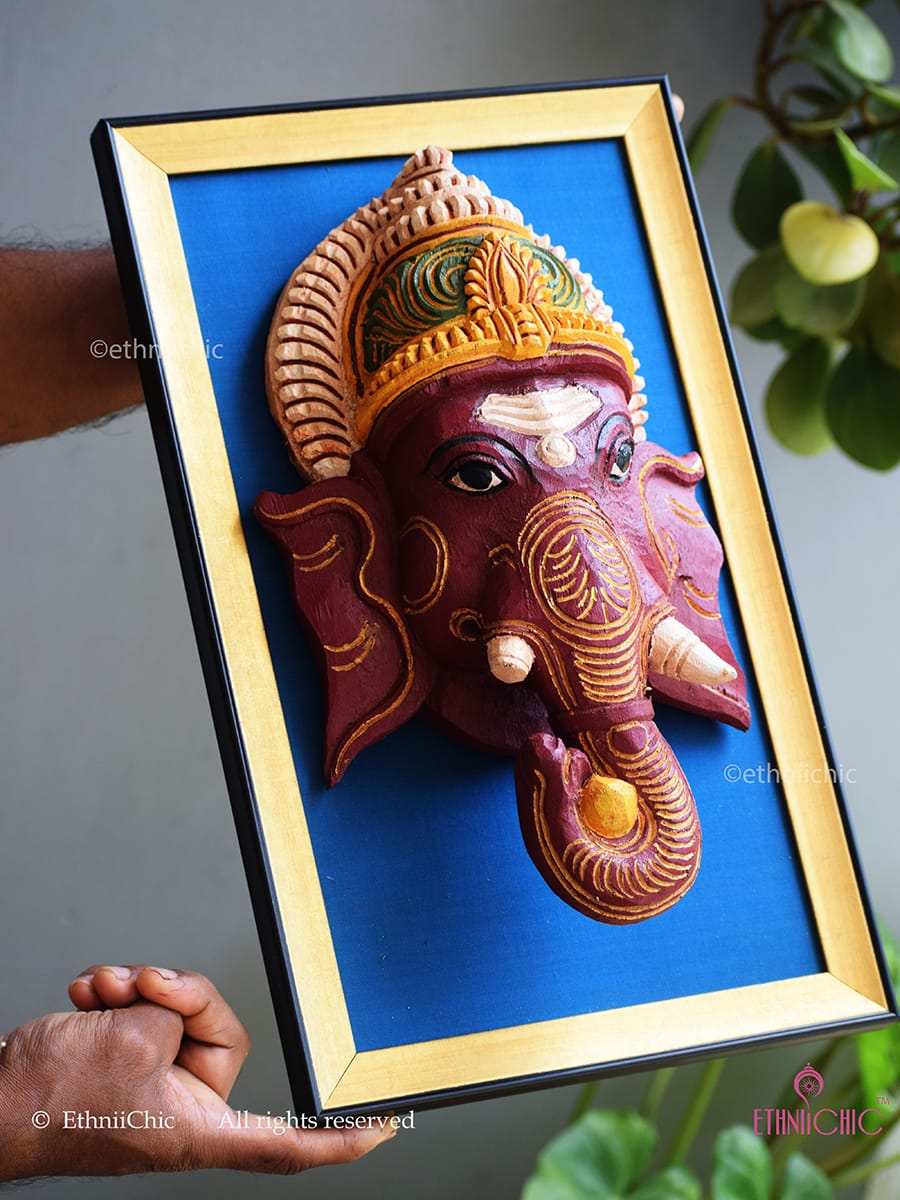
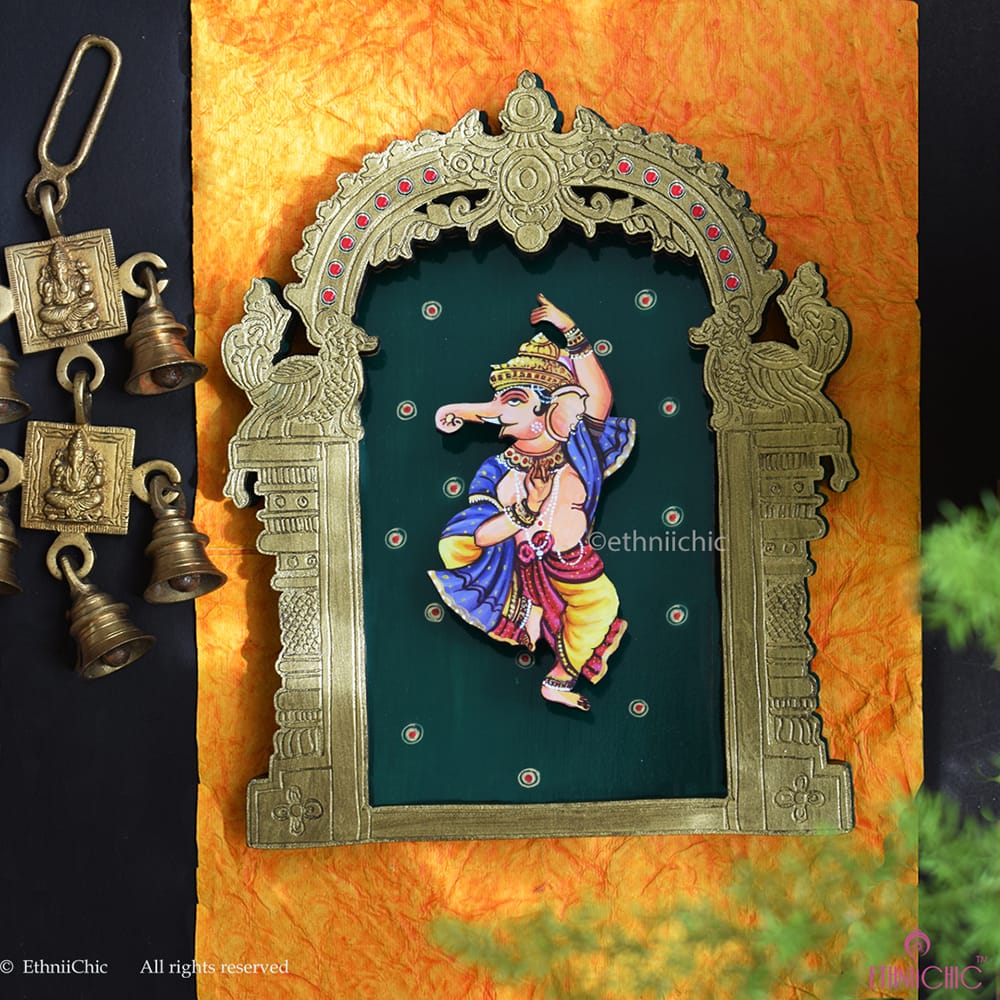
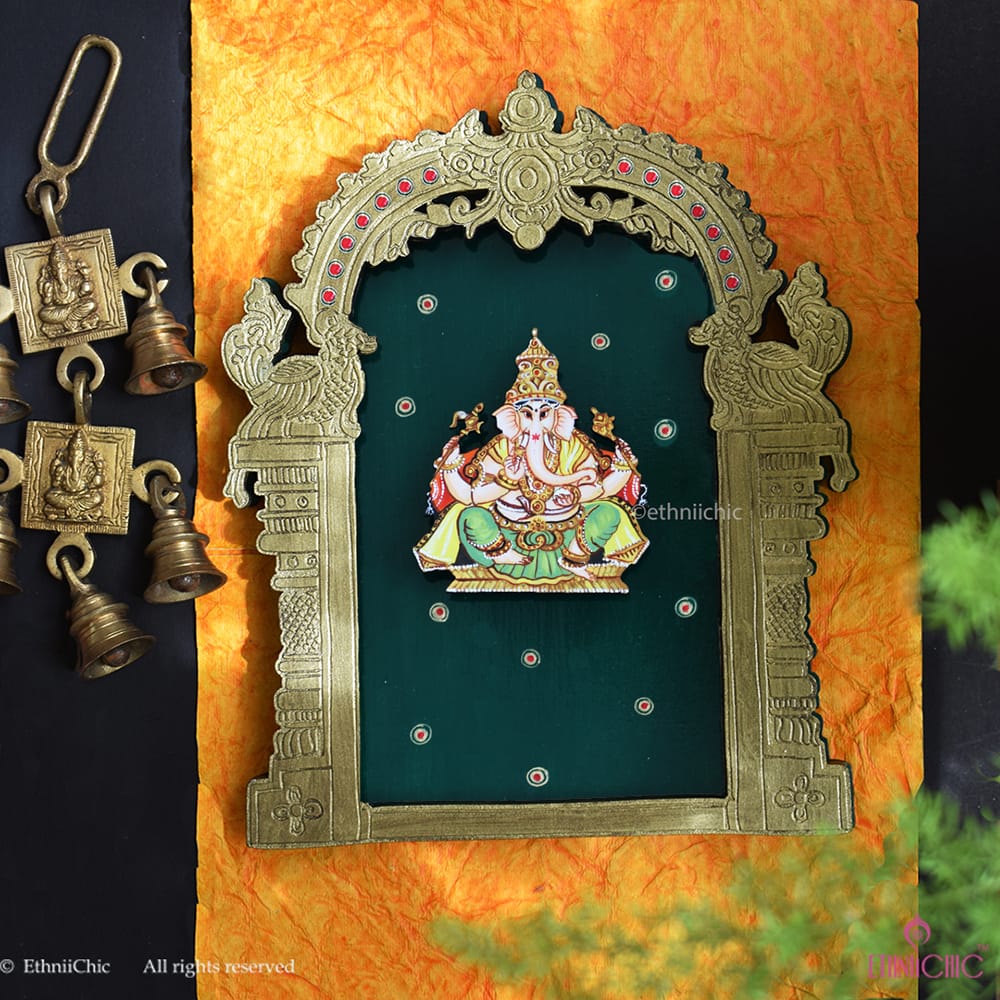
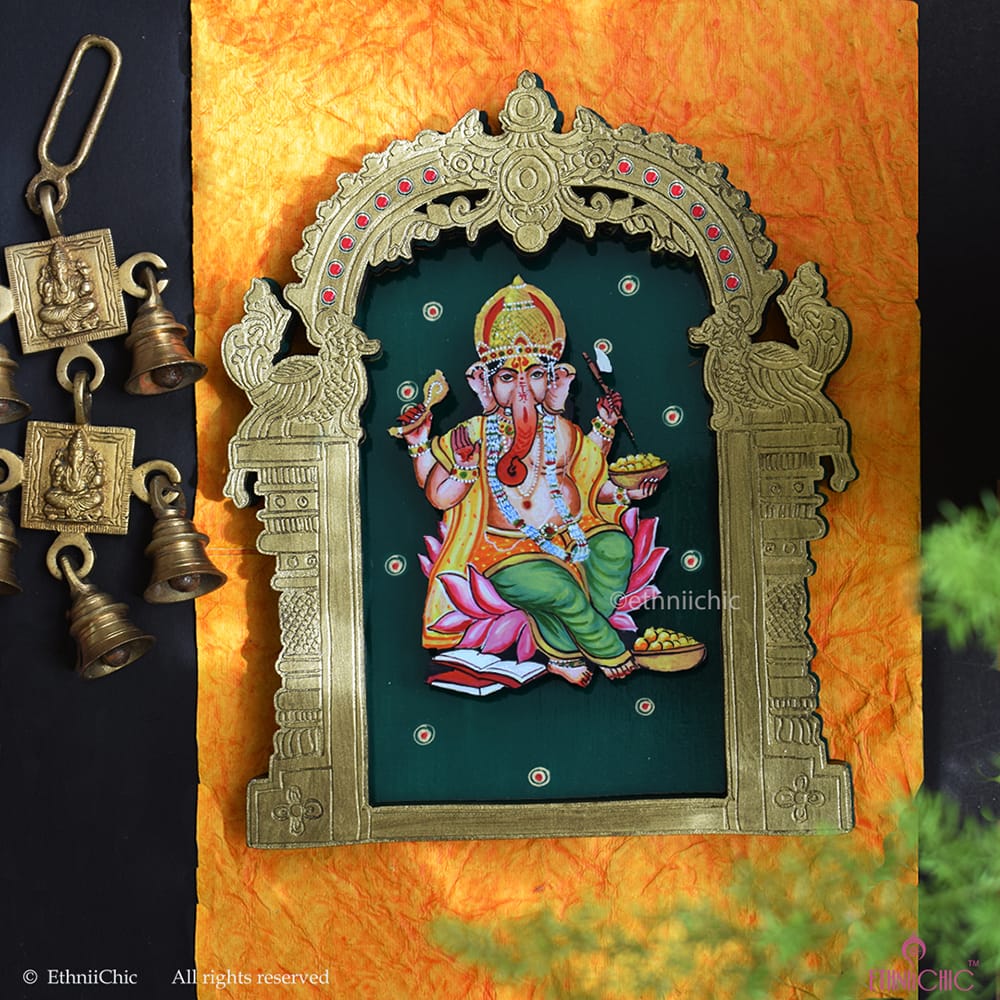
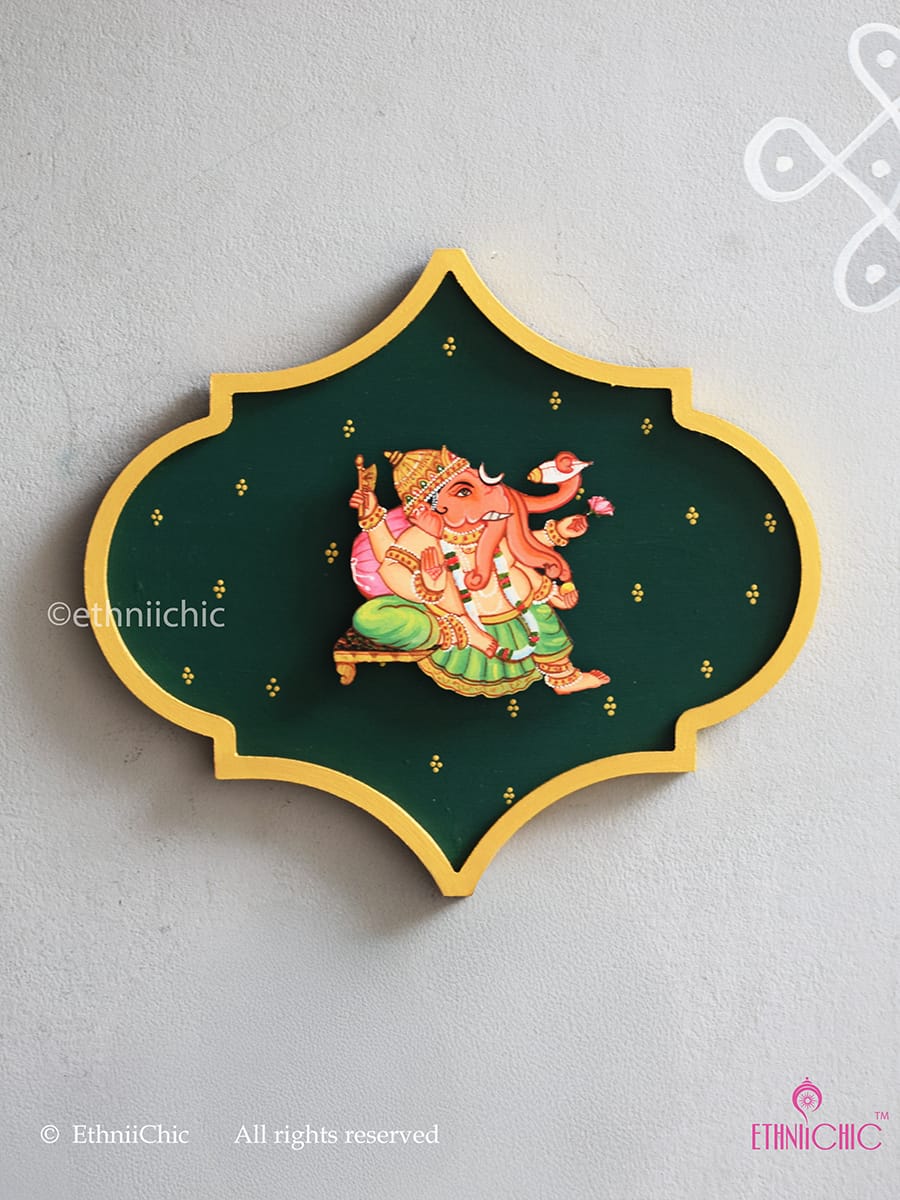
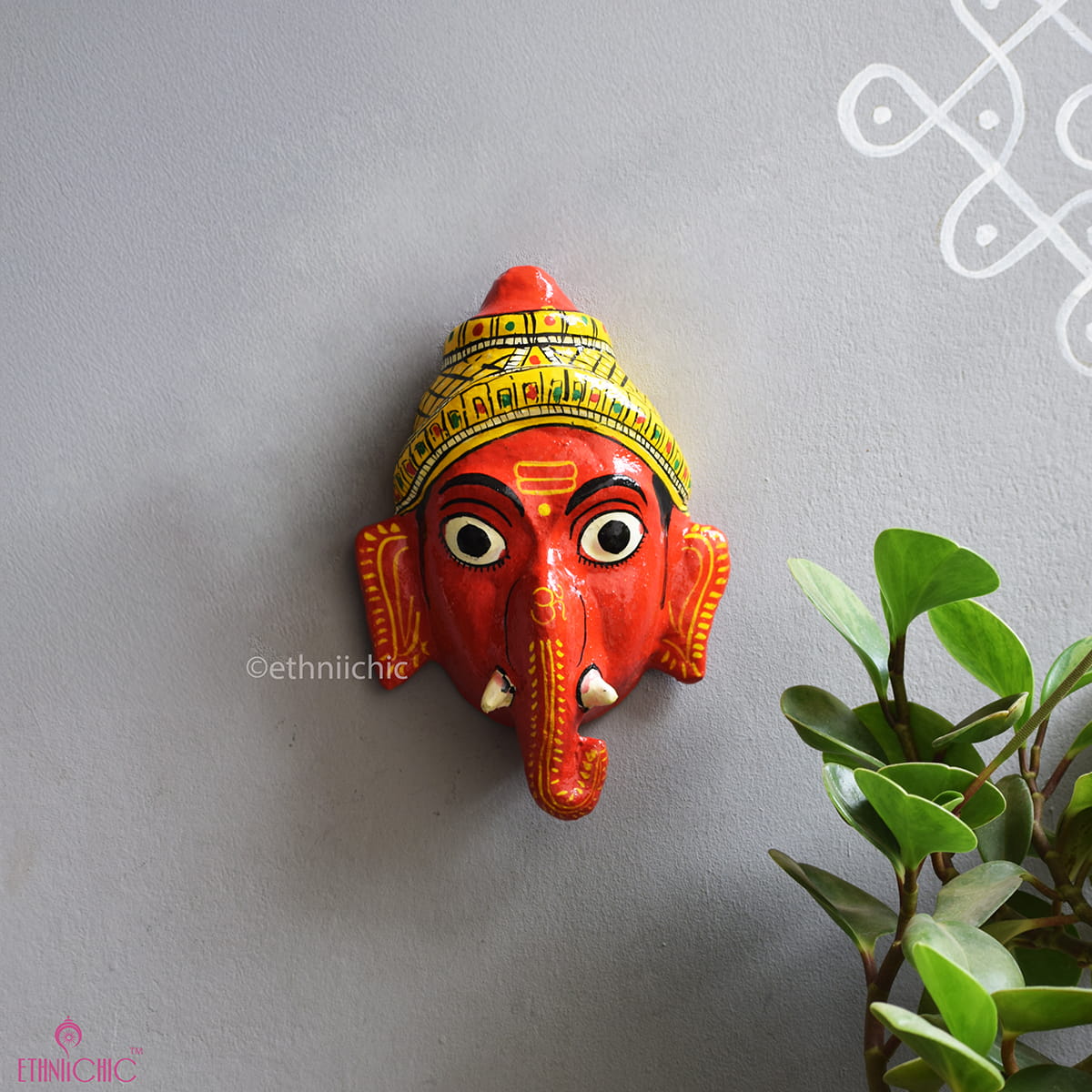
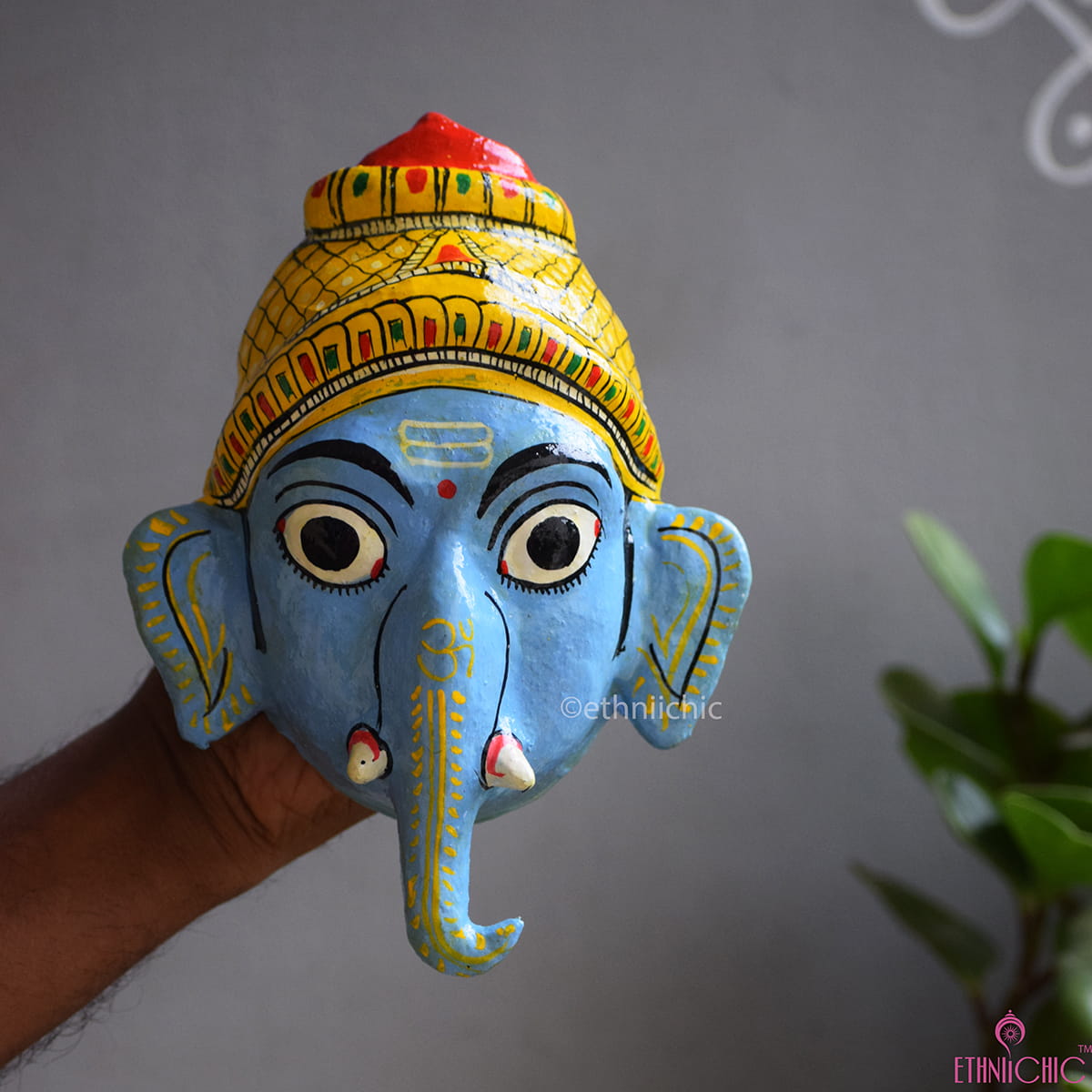
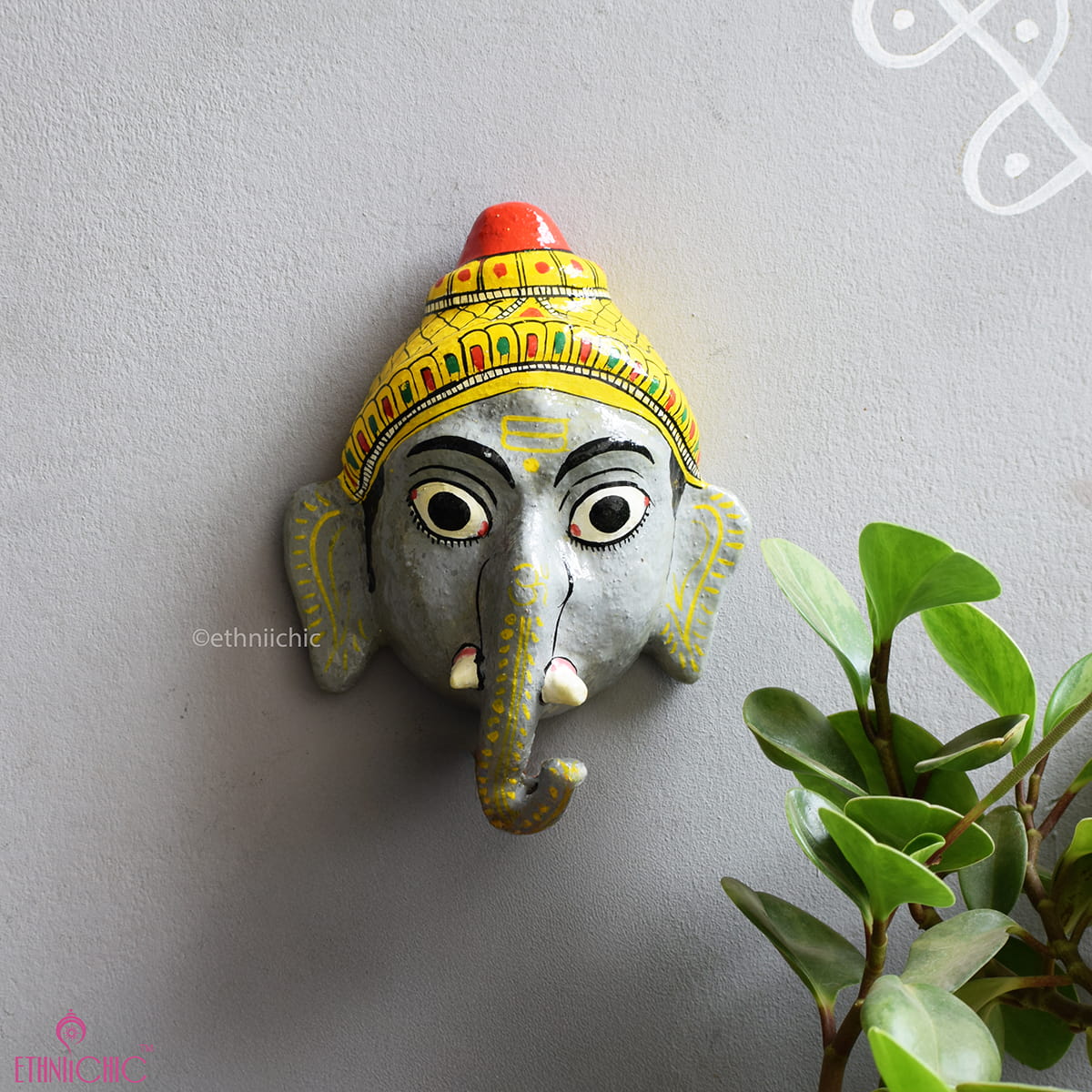
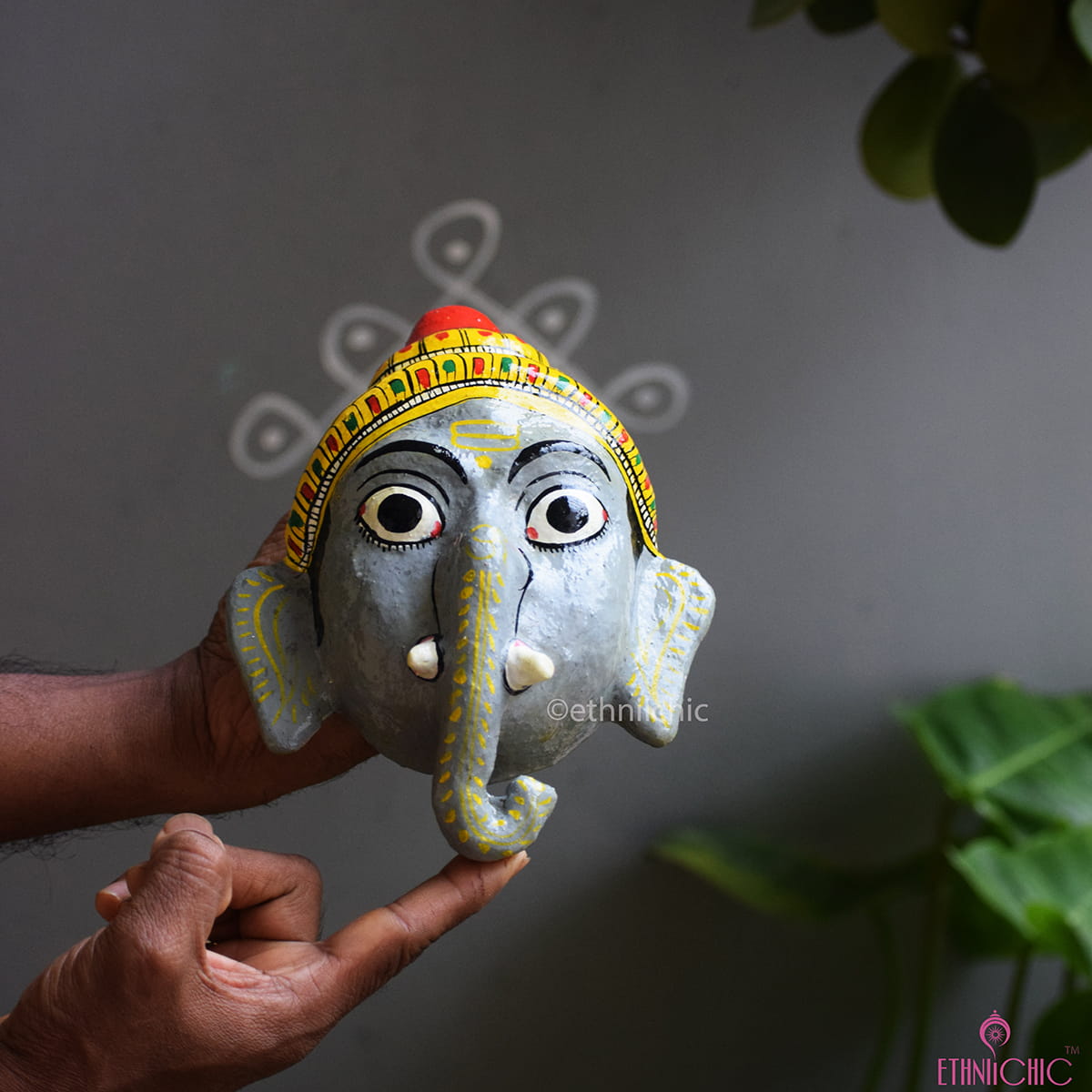
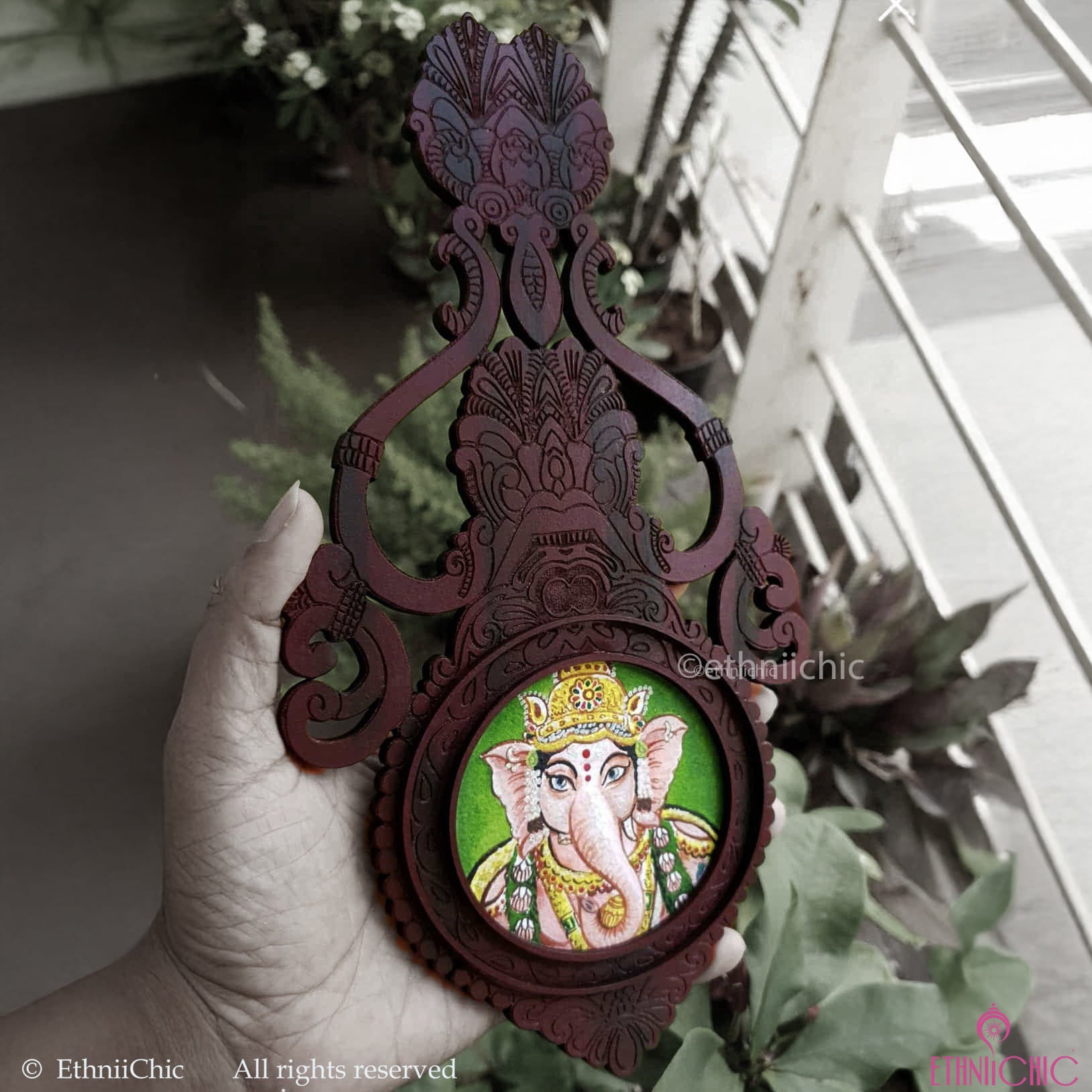
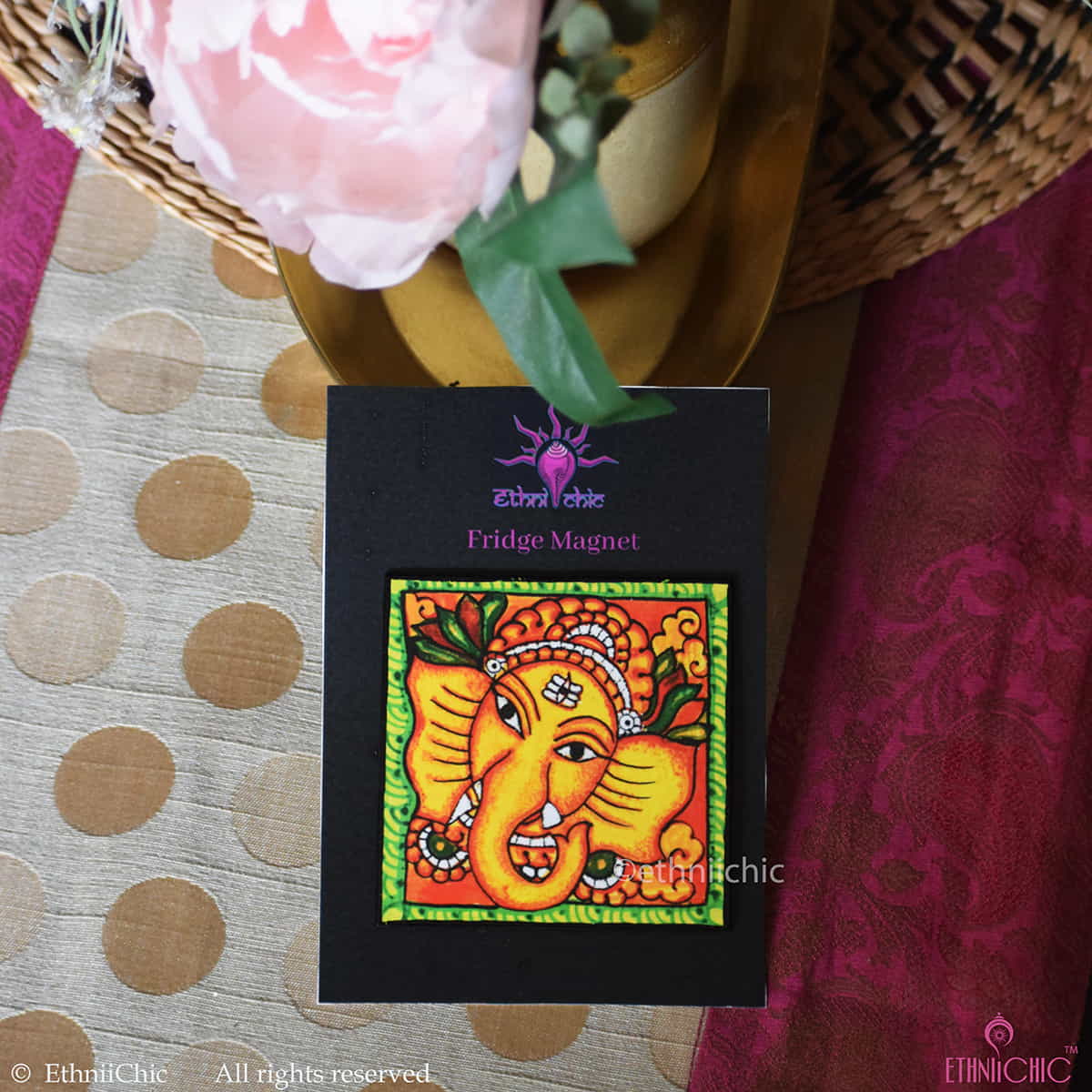
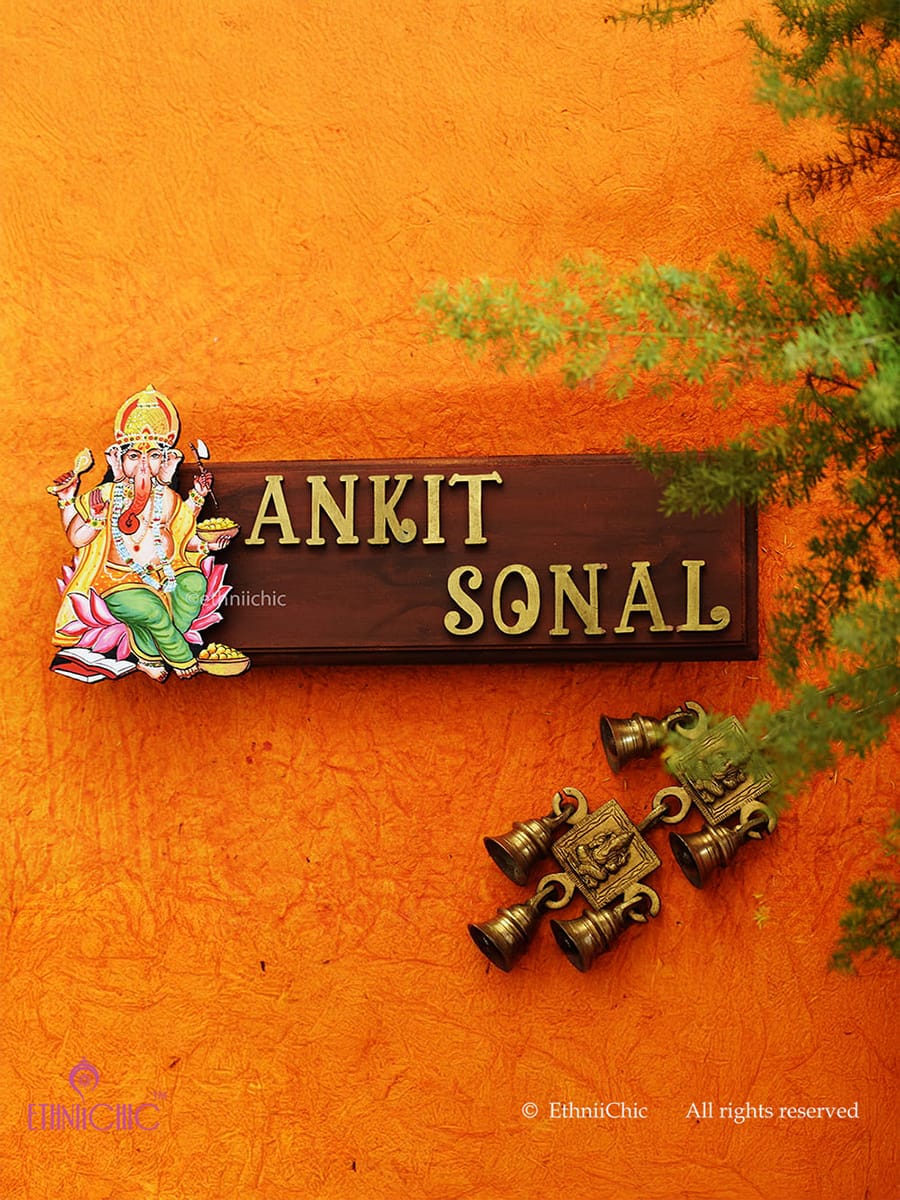
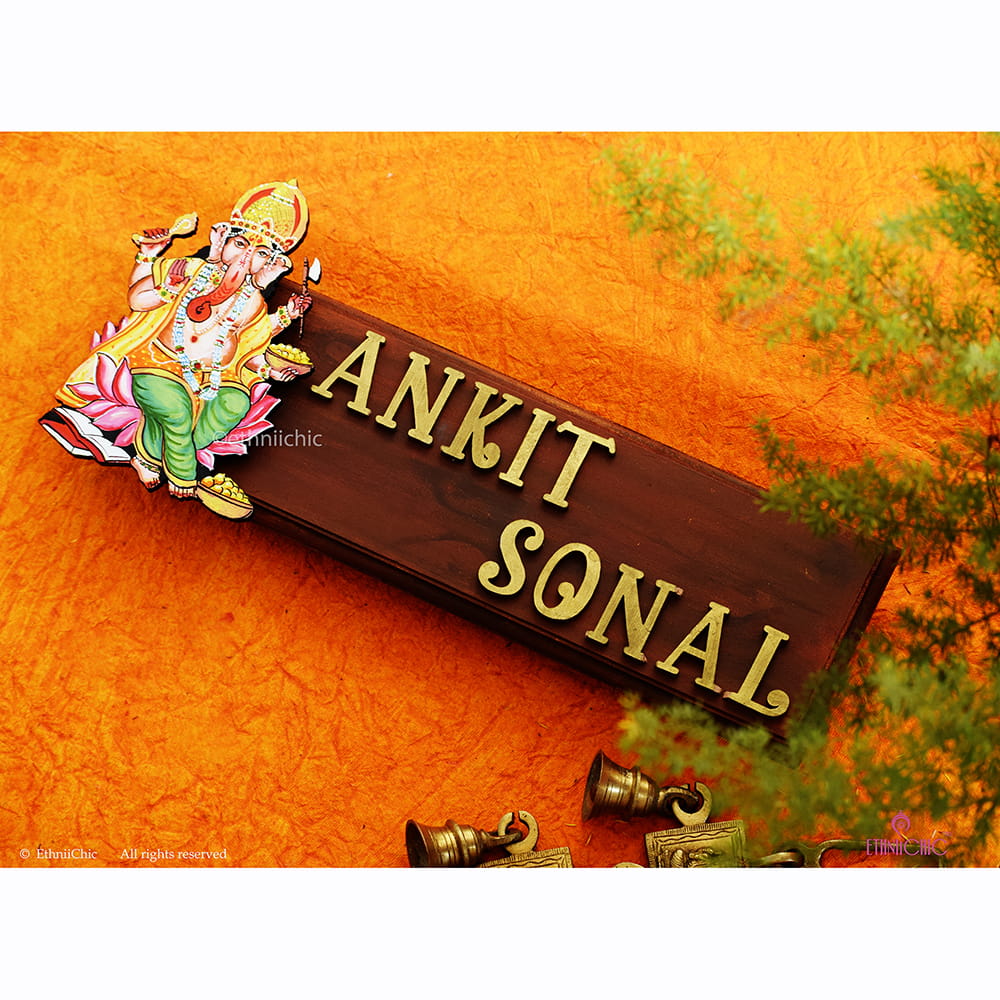
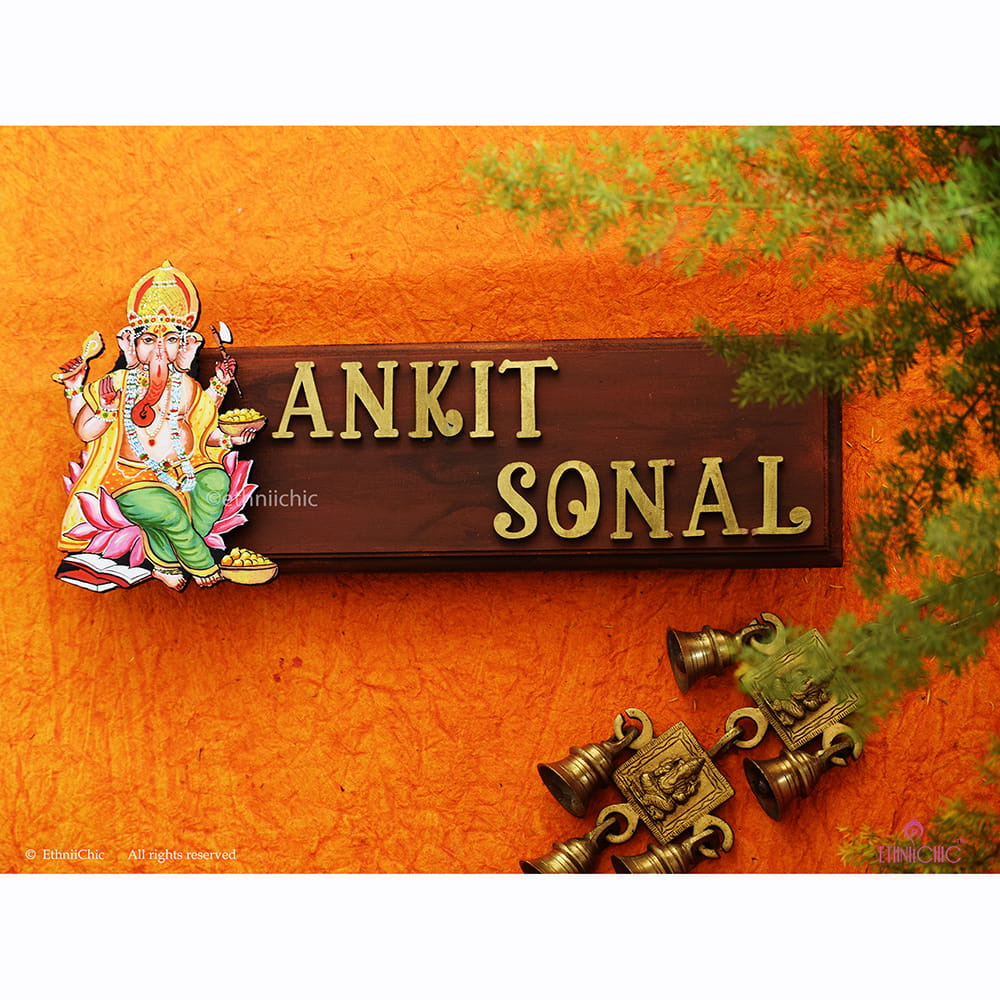
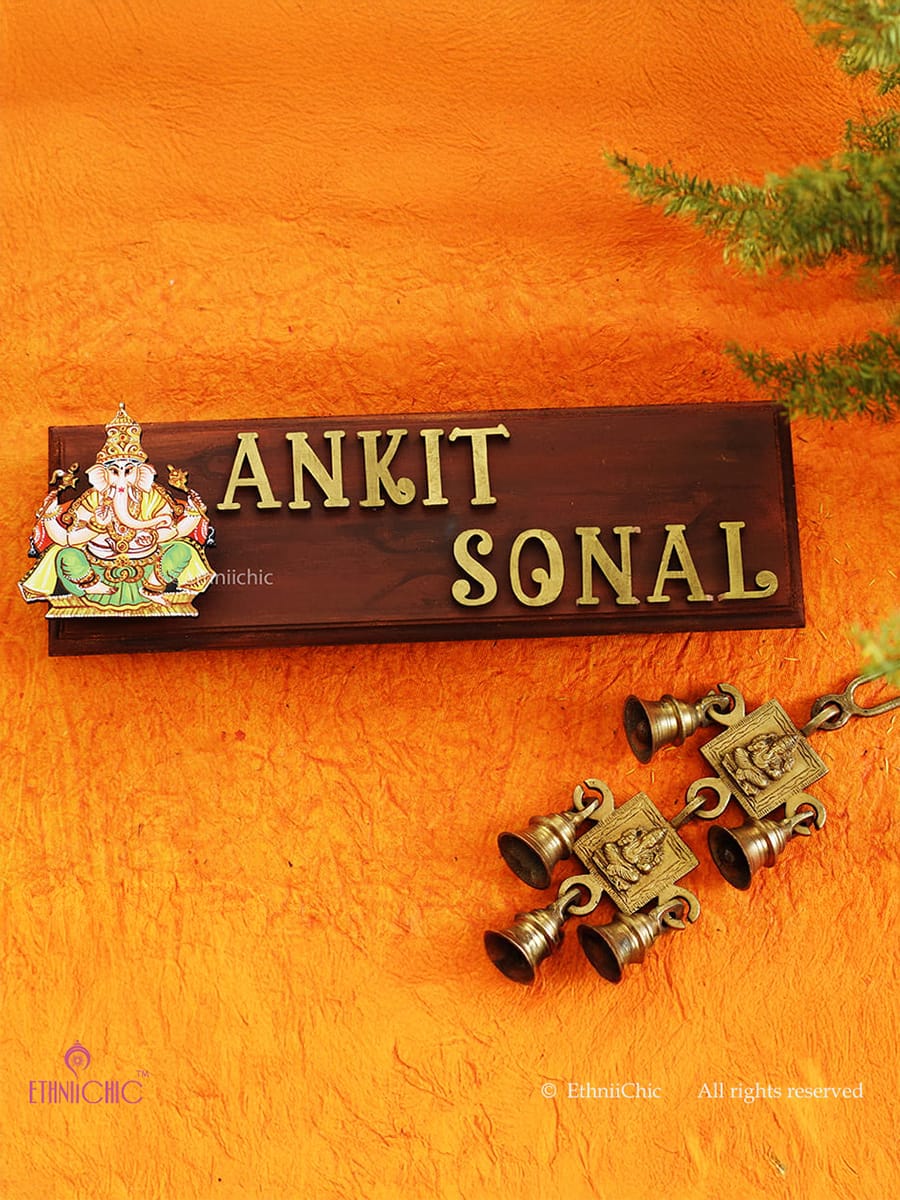
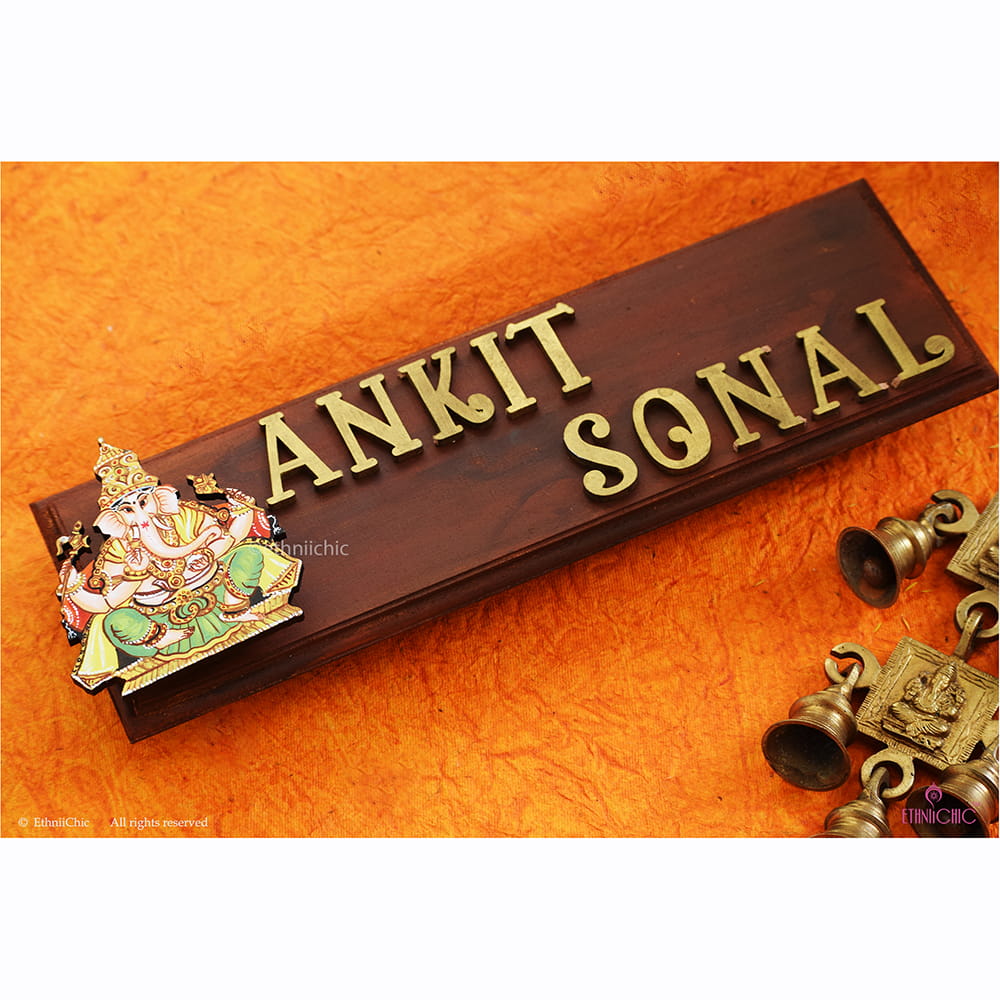
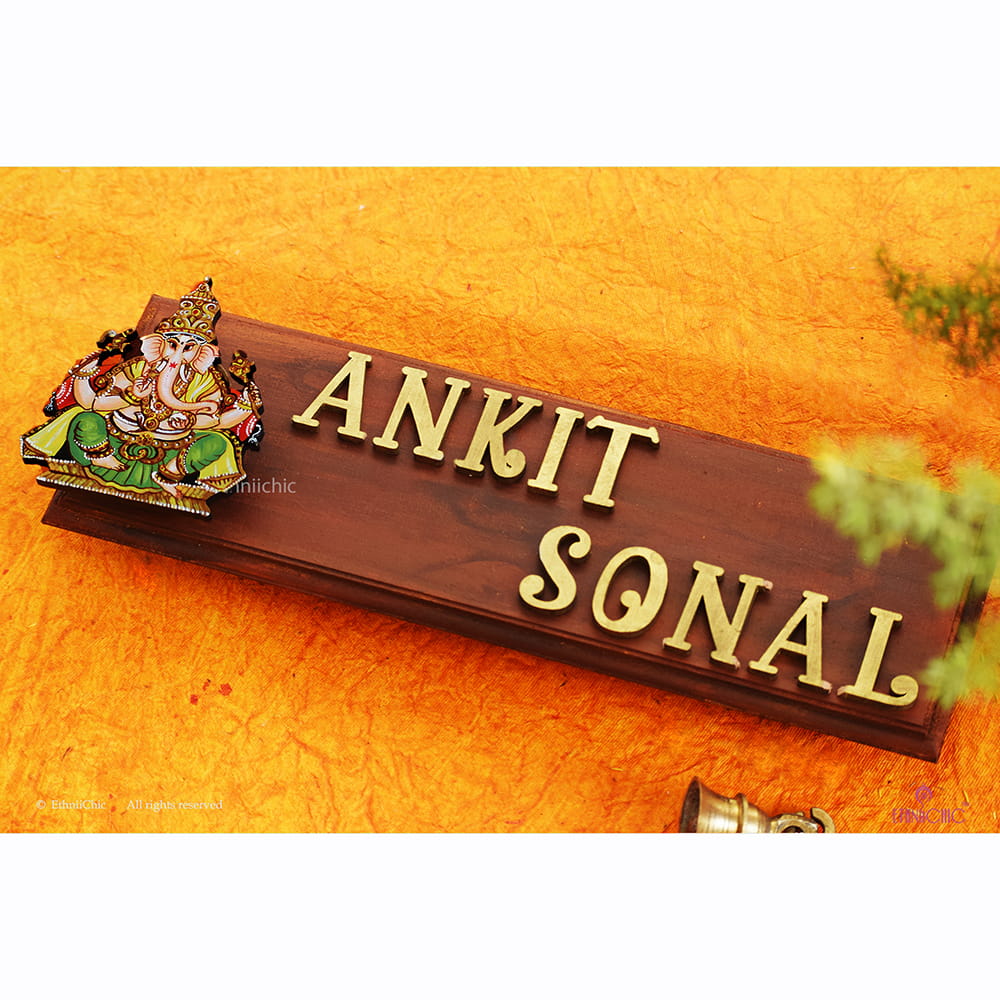
EthniiChic's Ganesha collection is the most diverse in the deity range, hand-painted across Cheriyal, Kerala Mural, Madhubani, Pattachitra, Phad, Rajput and Tanjore painting. Wall décor spans the Drishti Ganapathi frame, Dancing Ganesha and Ganesha-on-Lotus jharoka frames, an elephant-head wall art piece, and Aranmula wooden frames rendered across four different art forms. The Shiv Parivar wall hanging brings the wider family into one hand-painted piece. Smaller items include Cheriyal folk masks, Kerala Mural fridge magnets, name boards, and hand-painted jewellery - necklaces, bangles and studs, carrying the Ganesha motif into everyday wear. This breadth makes the collection suited to Ganesh Chaturthi, housewarming and festival gifting, as well as NRI buyers assembling a home shrine or statement wall abroad.
Skip to results list
45 items
Column grid
Column grid

Filter

Popular Searches :

Read More

The Many Faces of Ganesha in Indian Folk Art

Ganesha, remover of obstacles and the deity invoked at the start of any new beginning, is one of the most widely represented figures across Indian art traditions — and this collection reflects that range more than any other deity collection on the site. Across 46 hand-painted pieces, six named regional art forms come together: Kerala Mural, Rajput painting, Tanjore painting, Pattachitra, Phad, and Cheriyal, alongside one Madhubani frame. Each interprets Ganesha through its own visual vocabulary — a Cheriyal Ganesha mask reads nothing like a Tanjore prabhavali Ganesha frame, even though both depict the same deity, painted by hand by artisans working in the tradition each style belongs to.

Art Forms in This Collection, Explained

Kerala Mural leads the collection at 12 products — temple-mural-inspired painting in earthy reds, ochres and greens, seen in the Bal Ganesha wall plate, the framed canvas painting, the fridge magnet, several Aranmula frames, and most of the jewellery line. Rajput painting follows at 8 products, used across several of the wooden cut-outs and name boards. Tanjore and Pattachitra each appear on 5 products — Tanjore in the Drishti Ganapathi and sitting prabhavali frames, several cut-outs and name boards; Pattachitra in an Aranmula-style frame, a bangle, a necklace and two fridge magnets. Phad appears on 2 name boards, and Cheriyal and Madhubani each appear once, in the Ganesha mask and an elephant-motif Aranmula frame respectively.

Wall Décor: Frames, Jharoka & Prabhavali Explained

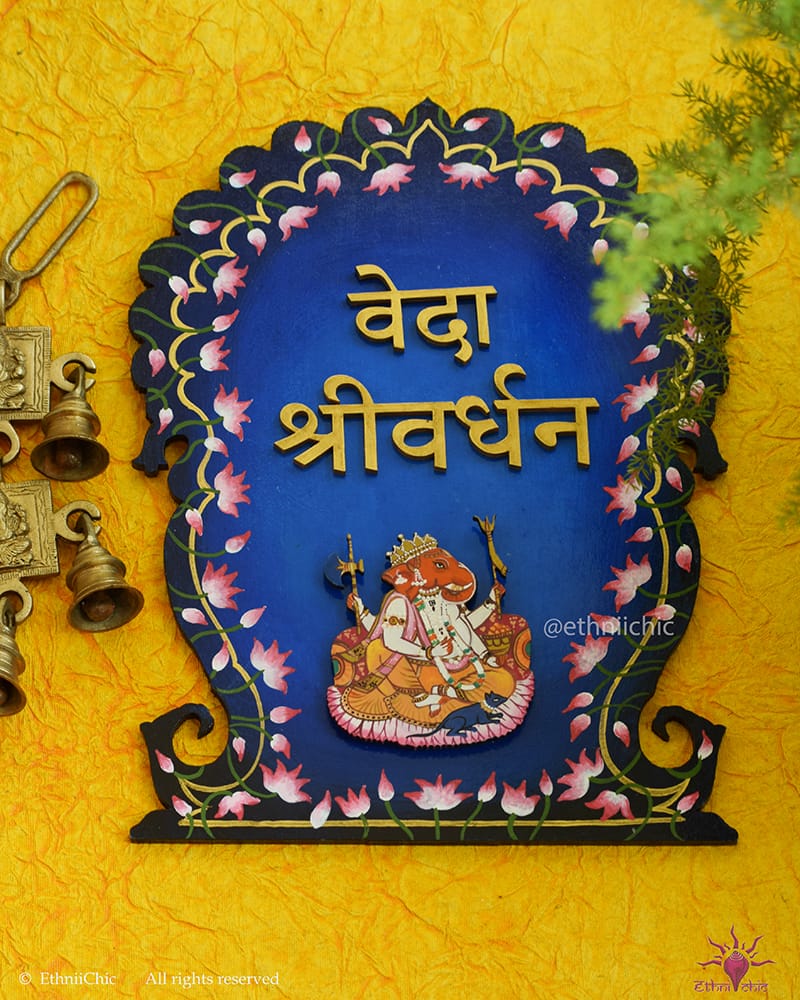
The collection uses several distinct wall-format types, worth knowing the difference between before choosing one. A jharoka frame is styled after traditional Indian window architecture — arched or latticed borders framing the figure inside — as in the Dancing Ganesha and Ganesha-on-Lotus jharoka pieces. A prabhavali frame uses a halo-style border radiating out from the deity, rooted in South Indian temple iconography, as in the Tanjore sitting Ganesha and Drishti Ganapathi frames. Aranmula-style frames, named after the mirror-making town in Kerala, are simpler bordered wooden frames, offered here across several art forms so the same format can be chosen in whichever regional style suits the room. Wooden cut-outs are a separate, flatter silhouette format — this collection carries seven cut-out designs (Standing Ganesha, Dancing Ganesha, Ganesha on lotus, and others) across Rajput and Tanjore painting, each
priced at ₹1,275.

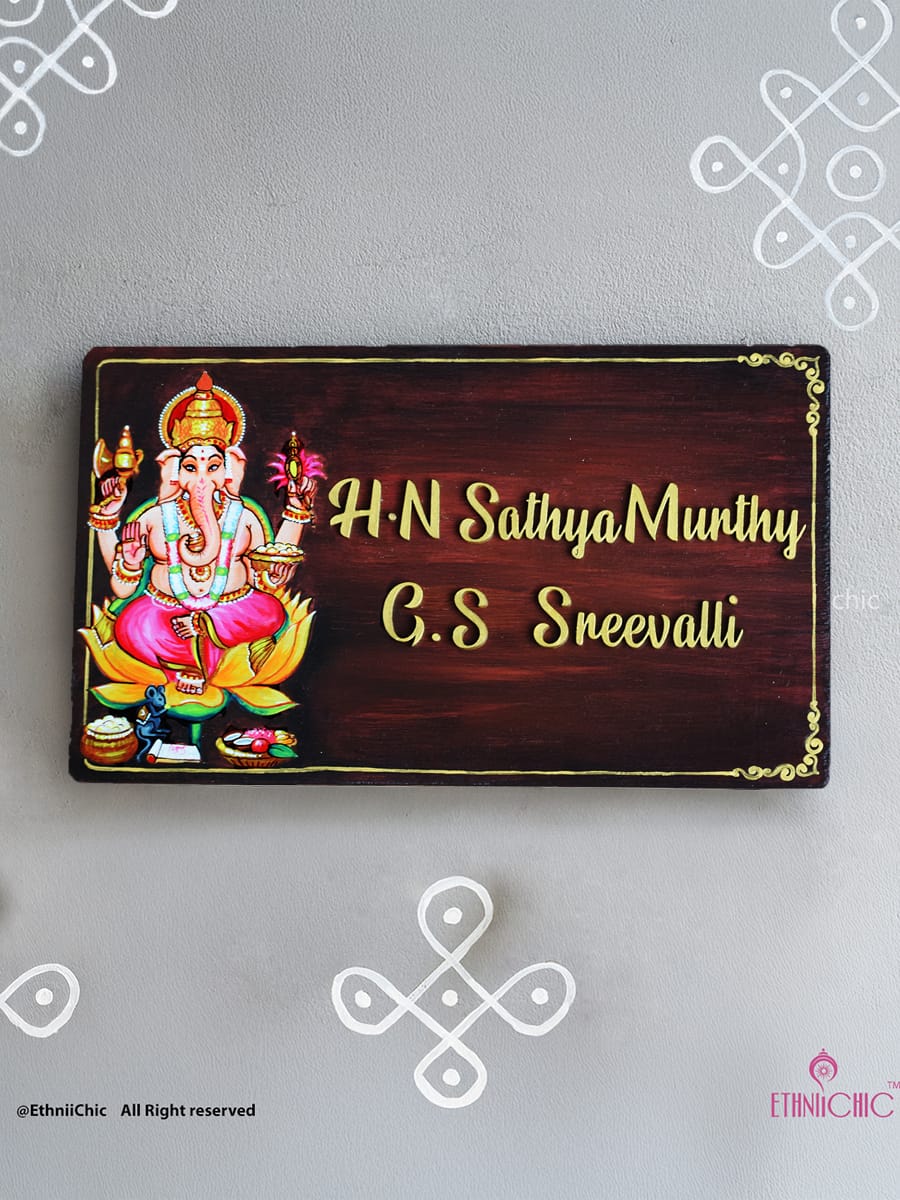
Name Boards: The Widest Single Product Type

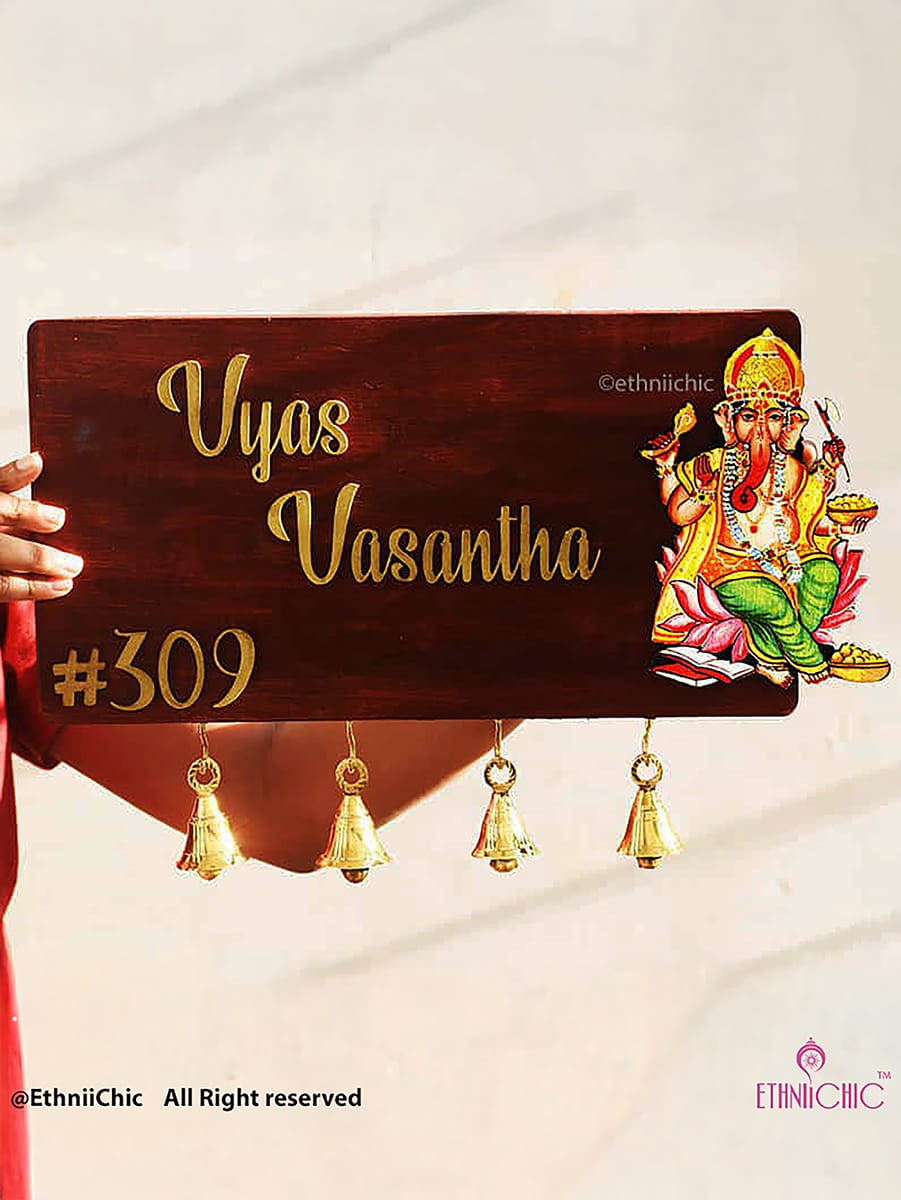
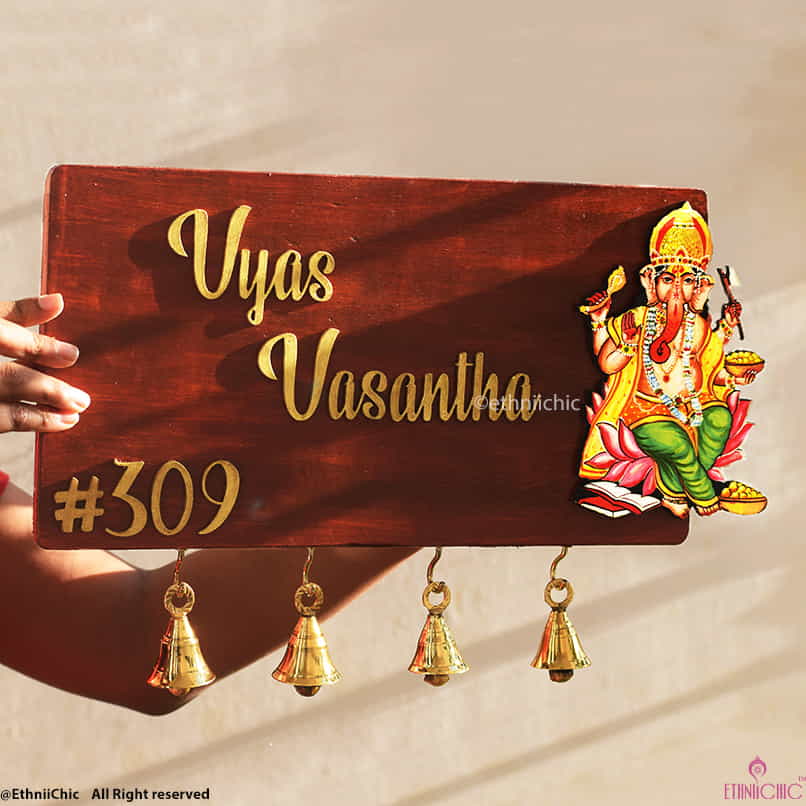
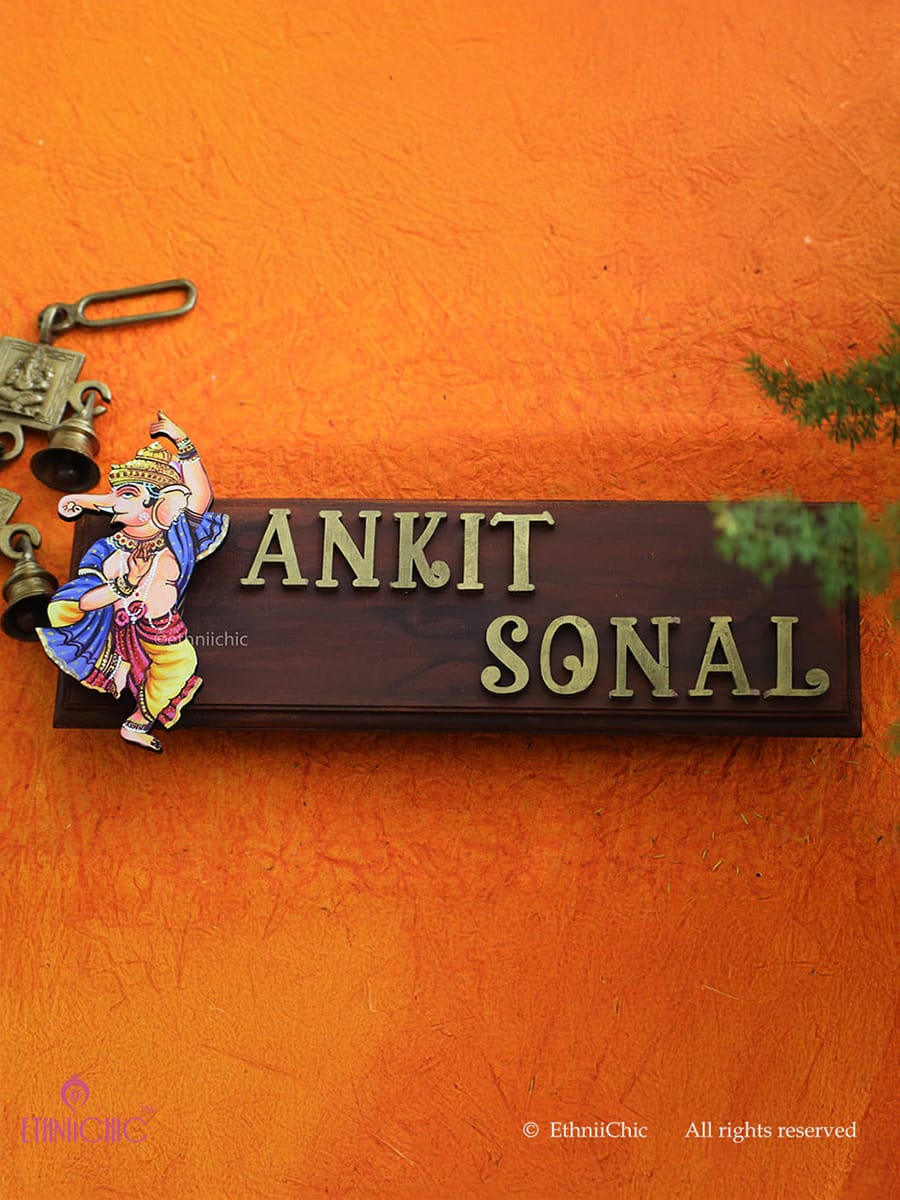
Door name boards are the single largest product type in this collection at eight designs, spanning Tanjore, Rajput and Phad painting — Standing Ganesha, Dancing Ganesha, Ganesha on Lotus and Ganesha with a Lotus seat among them, priced between ₹2,650 and ₹3,590. Traditionally placed at the entrance to invoke a welcoming, auspicious presence, they double as a functional nameplate and a devotional piece in one.

Ganesha Jewellery: Wearing the Motif Every Day

Beyond wall décor, the collection carries the Ganesha motif into everyday wear — hand-painted Kerala Mural and Pattachitra pendant necklaces, bangles in Kerala Mural and Pattachitra styles, and hand-painted earrings and studs. These smaller pieces, starting around ₹450, are priced for easy, considered gifting as much as personal styling.

Gifting Ganesha: Occasions & Etiquette

Ganesha pieces are traditionally gifted and displayed at moments of new beginnings — Ganesh Chaturthi, a housewarming, a new business, or simply as a considered
welcome gift. Wall frames, name boards and the elephant-head piece work as a statement housewarming gift; smaller items — fridge magnets, jewellery, cut-outs — suit festival gifting, return gifts, or a first introduction to Indian art for someone setting up a home abroad.

Hand-Painted, Not Printed: What to Expect

Every piece in this collection is hand-painted by artisans — no digital printing, no shortcuts. Small variations in brushstroke and colour between pieces are maker's marks, not flaws: proof that what arrives is an original, one-of-a-kind piece of Indian folk art rather than a mass-produced duplicate. Framed and mounted pieces arrive with a fitting on the back and mount with a standard wall nail.

Caring for Your Ganesha Décor

Wipe gently with a soft, dry cloth. Keep pieces out of direct sunlight and away from moisture to protect the hand-painted finish and the natural colours used across these art forms. For jewellery, keep dry and store away from direct sunlight between wears.

Frequently Asked Questions (FAQs)

Q: What art forms are used in EthniiChic's Ganesha collection?

A: Kerala Mural, Rajput, Tanjore, Pattachitra, Phad and Cheriyal painting are all represented, plus one Madhubani piece — the widest range of any single deity collection on the site, led by Kerala Mural and Rajput painting.

Q: What is Drishti Ganapathi?

A: Drishti Ganapathi is a form of Ganesha believed to ward off the evil eye, traditionally placed at home entrances. EthniiChic's version is a hand-painted Tanjore-style wall frame.

Q: What is the difference between a jharoka frame and a prabhavali frame?

A: A jharoka frame is styled after Indian window architecture, with arched or latticed borders. A prabhavali frame uses a halo-style border radiating from the deity, rooted in South Indian temple iconography. Both are represented in this collection in different
Ganesha designs.

Q: What is an Aranmula-style frame?

A: Aranmula-style frames are simply bordered wooden wall frames named after the mirror-making town of Aranmula in Kerala. This collection offers the format across four different art forms, so the same style of frame can be chosen in whichever regional painting style fits the room.

Q: Are these pieces hand-painted or printed?

A: Every piece is hand-painted by artisans — no digital printing, no shortcuts. Small variations in brushstroke and colour between pieces are maker's marks, not flaws — proof you own an original, one-of-a-kind piece of Indian folk art rather than a duplicate.

Q: Is this collection suitable for Ganesh Chaturthi gifting?

A: Yes. Wall frames, jharoka pieces and jewellery from this collection are popular choices for Ganesh Chaturthi, housewarming and festival gifting.

Q: Can I get a custom size or a commissioned Ganesha piece?

A: Yes. EthniiChic takes on custom sizing and commissioned work across most designs — visit the Customized Work page or write to contactus@ethniichic.com to discuss size, colourway or a bespoke piece.

Q: How do I hang or display Ganesha wall décor?

A: Wall frames, jharoka and prabhavali pieces come with a fitting on the back and mount with a standard wall nail. Name boards are designed for door or entrance mounting.

Q: Do you ship Ganesha décor internationally for NRI customers?

A: Yes, EthniiChic ships internationally. Email contactus@ethniichic.com for shipping details to your country.

Q: What is the price range for Ganesha décor in this collection?

A: Pieces range from ₹350 for a fridge magnet to ₹6,950 for the largest hand-carved wall frame, with jewellery starting around ₹450, wooden cut-outs at ₹1,275 each, and name boards between
₹2,650 and ₹3,590.

Q: What is the difference between a wall frame and a wooden cut-out?

A: A wall frame mounts the figure inside a bordered frame or backing. A wooden cut-out is carved to the silhouette of the figure itself, with no surrounding frame — a flatter, more
graphic wall piece. This collection carries both formats across several art forms.