Wall Plates

Wall Plates

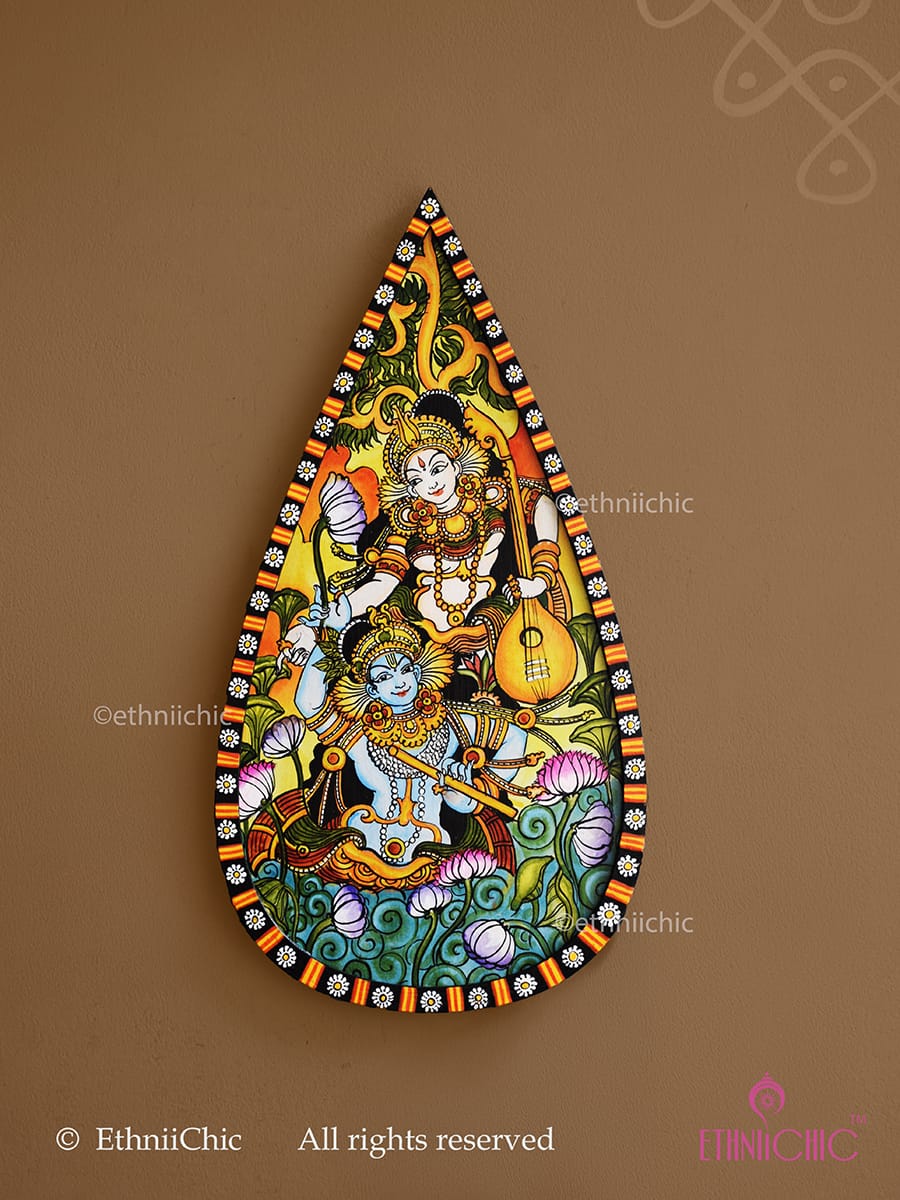
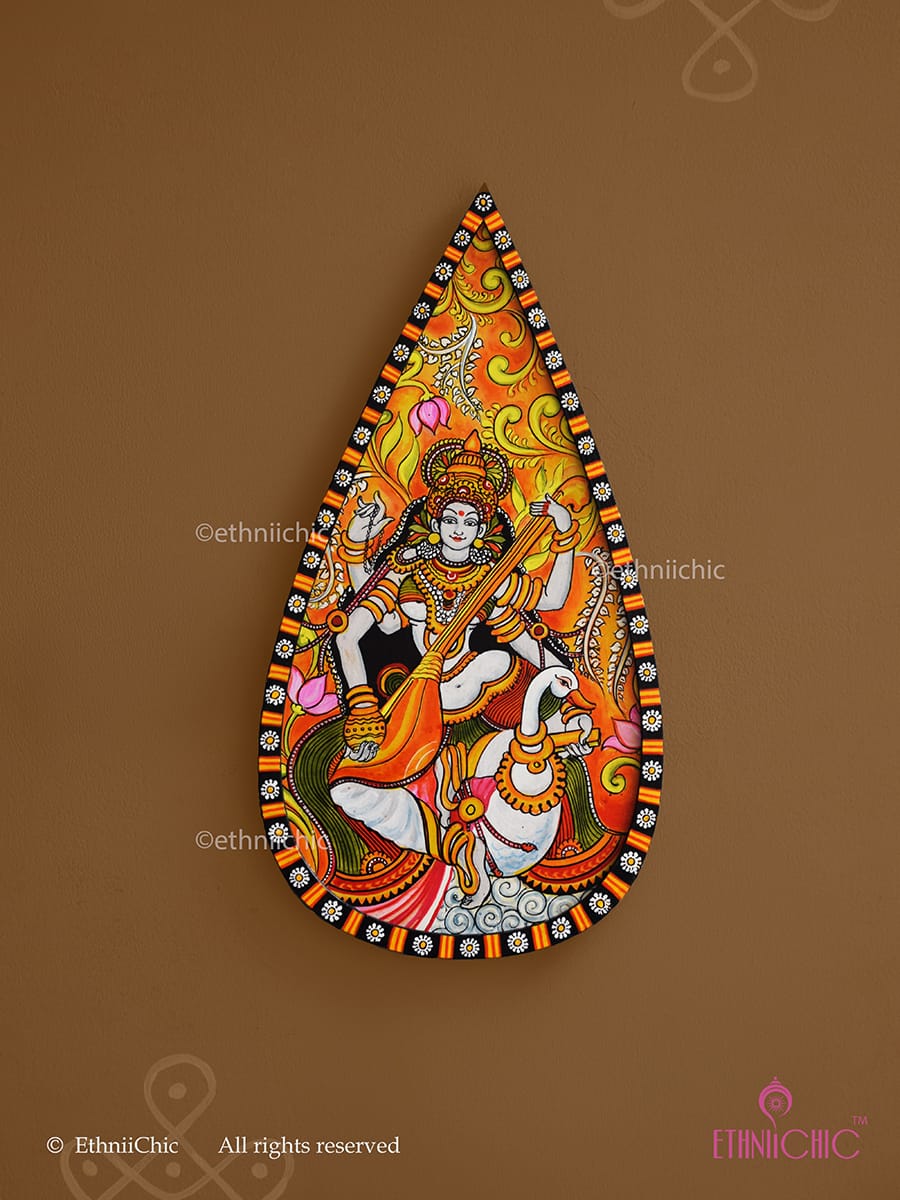
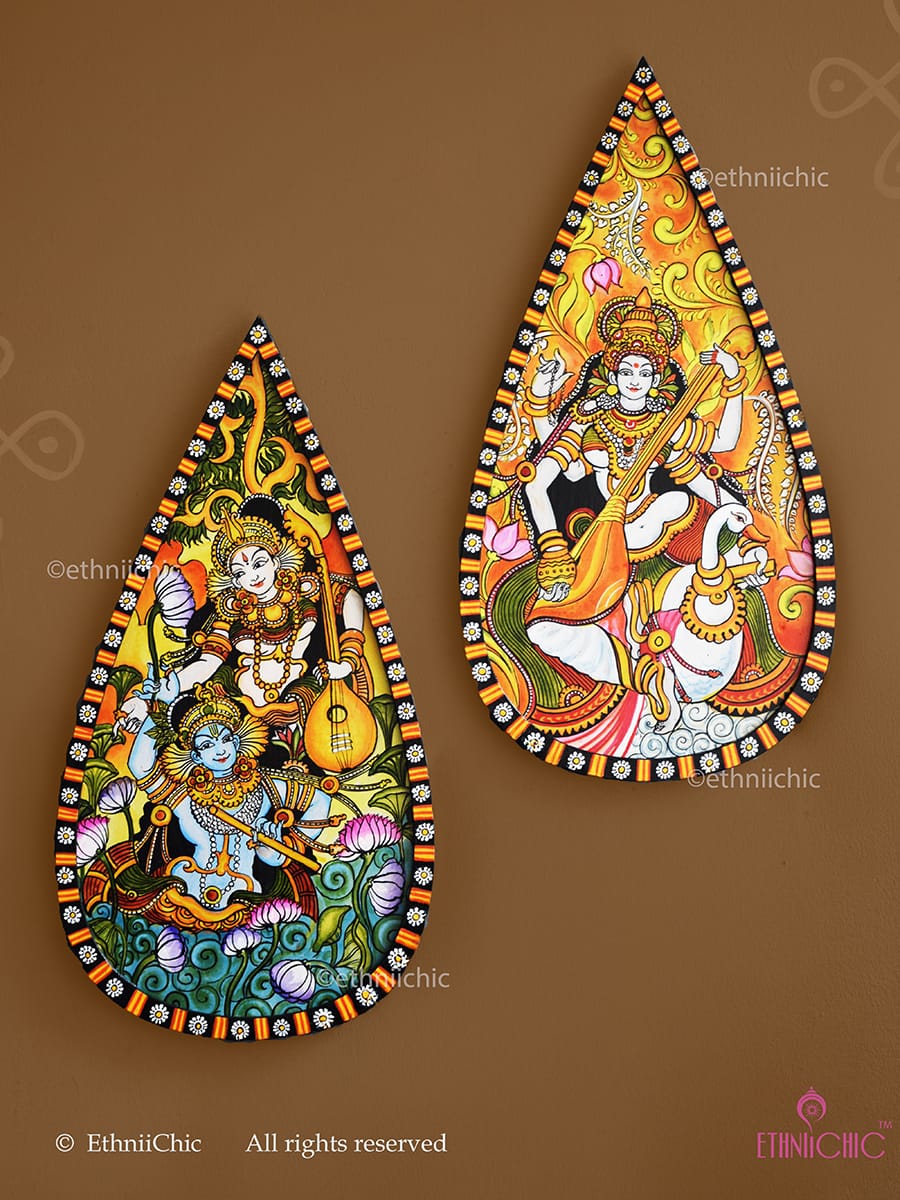
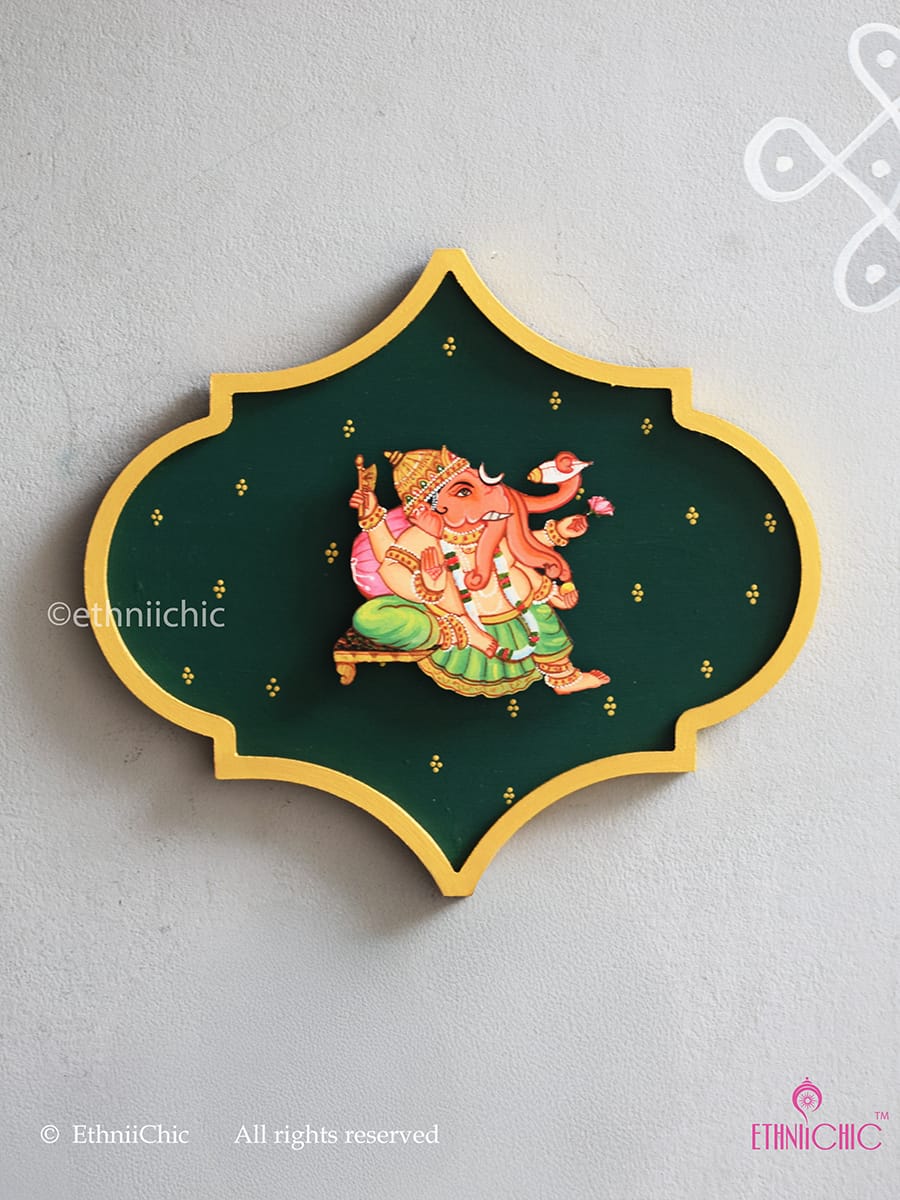
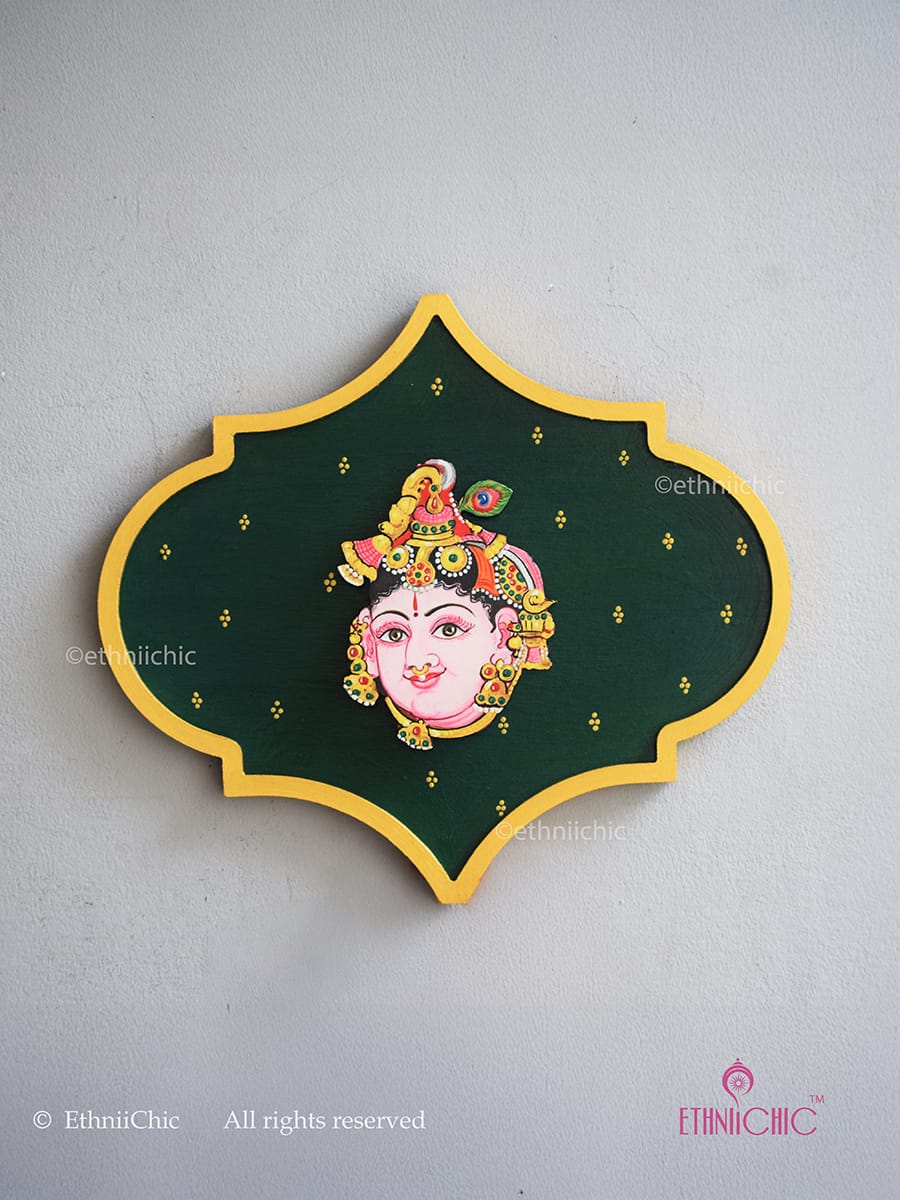
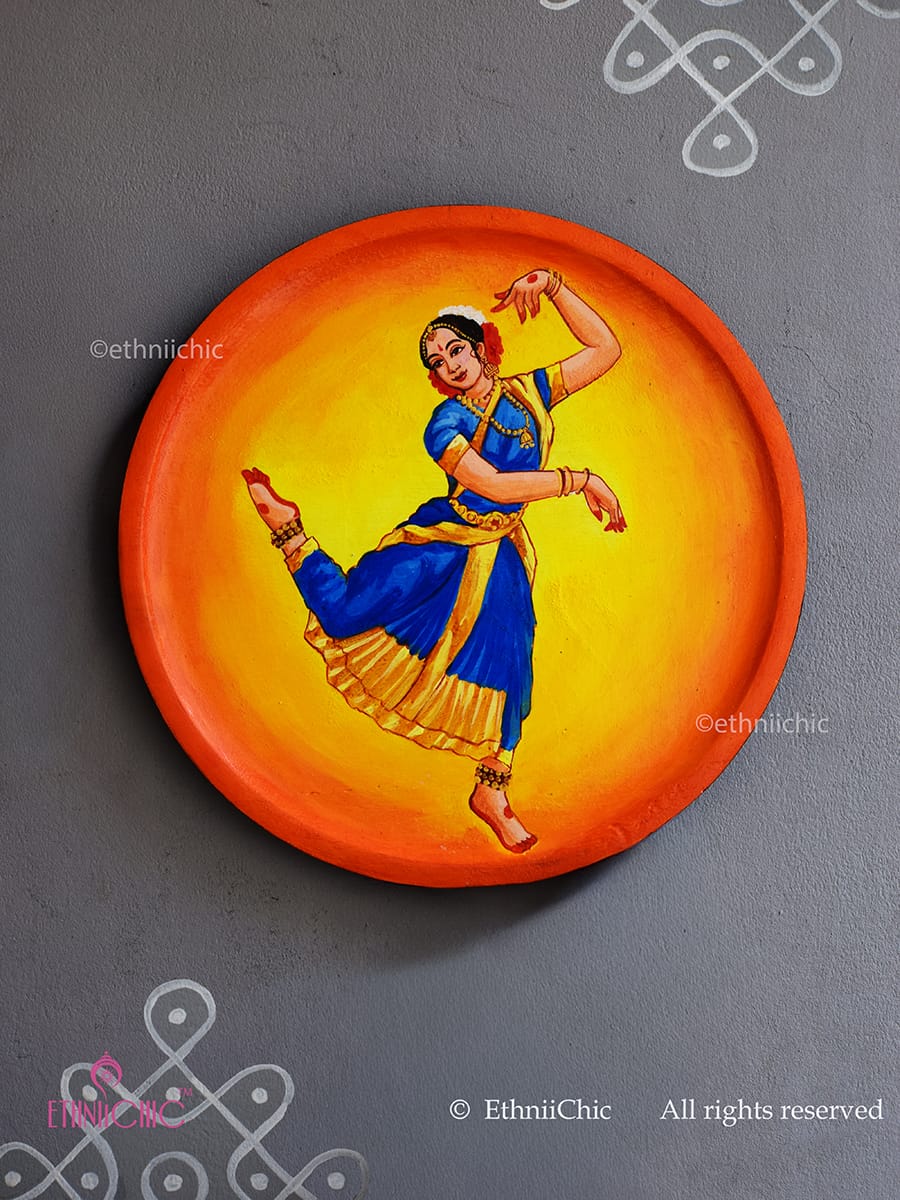
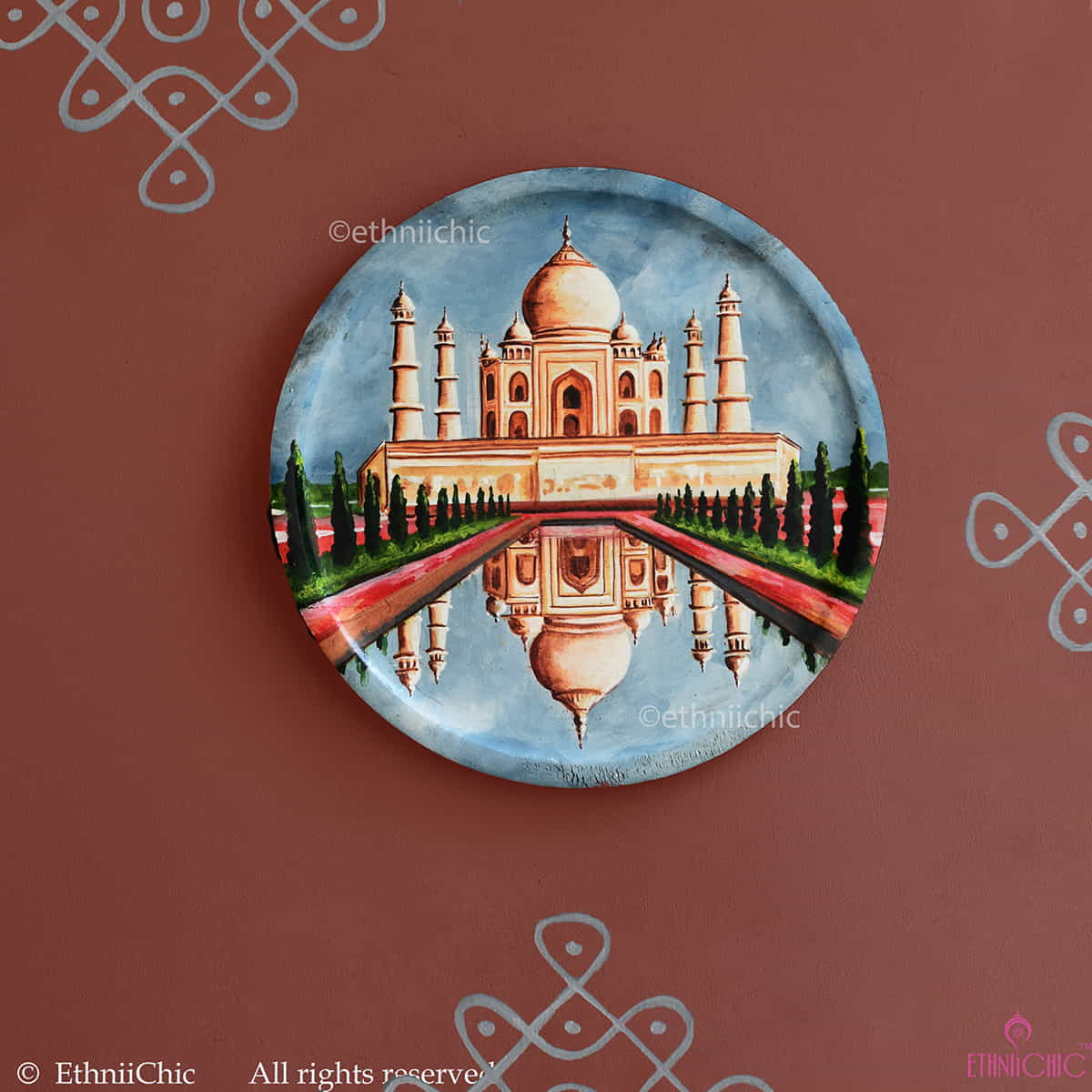
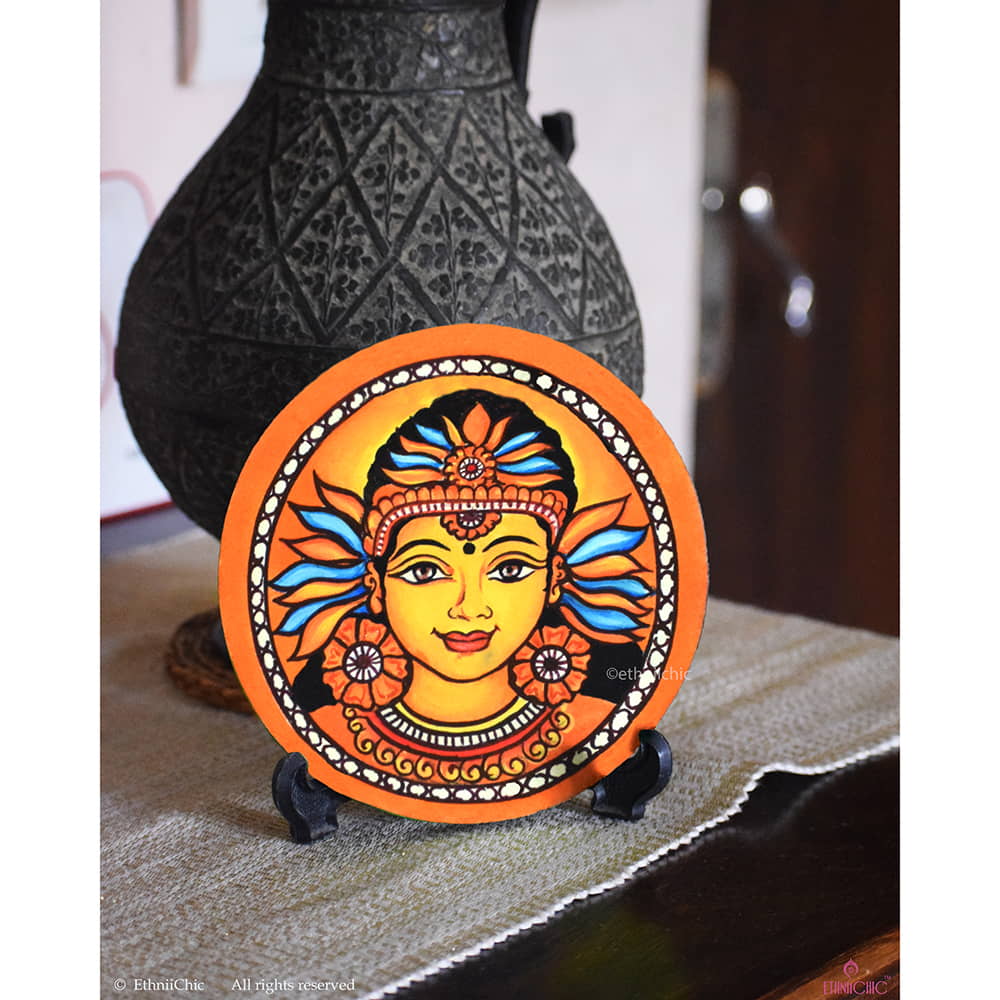
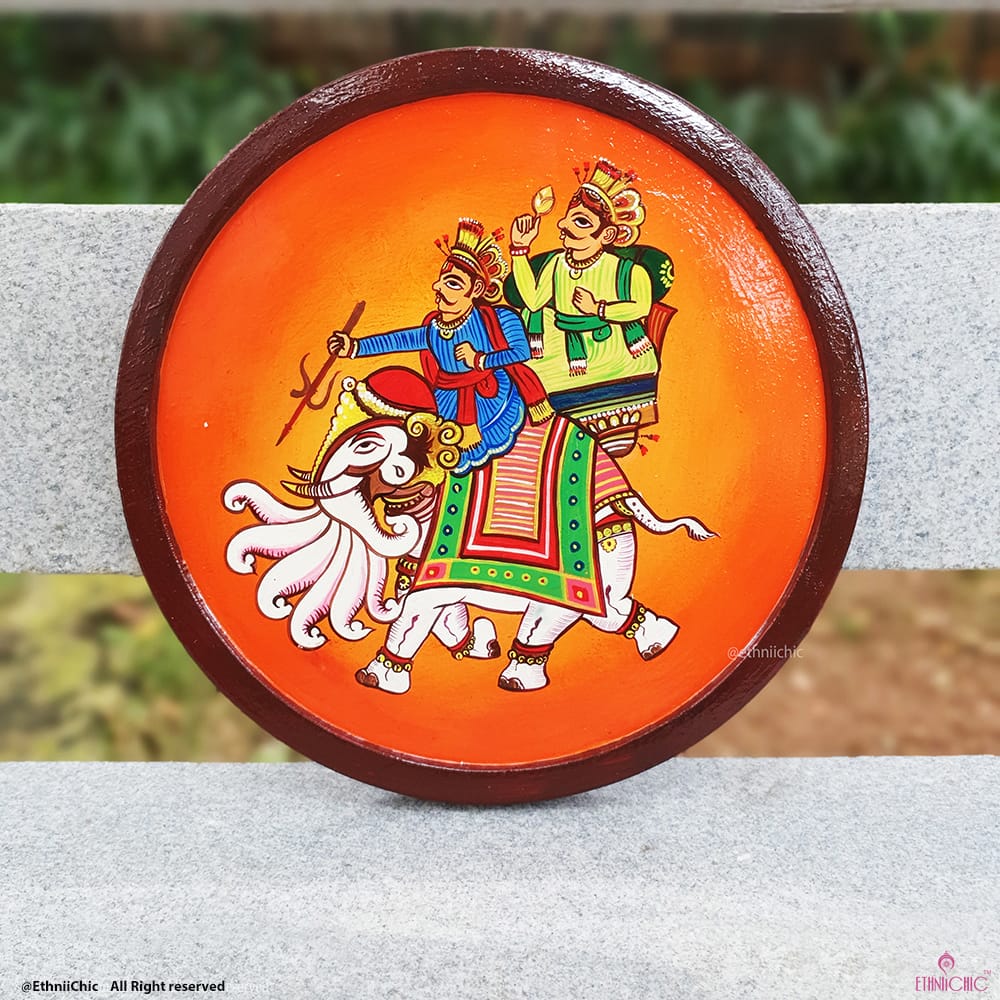
Elevate your walls with EthniiChic’s Handpainted Wall Plates - where heritage artistry and contemporary style converge. Crafted in wood and painted by skilled artists, each piece features temple motifs, deities, natural elements, and mythic motifs inspired by Indian folk and classical traditions. These decorative wall plates serve as expressive focal points, infusing your space with timeless charm, cultural depth, and elegant storytelling.

Skip to results list
34 items
Column grid
Column grid

Filter

Popular Searches :

Read More

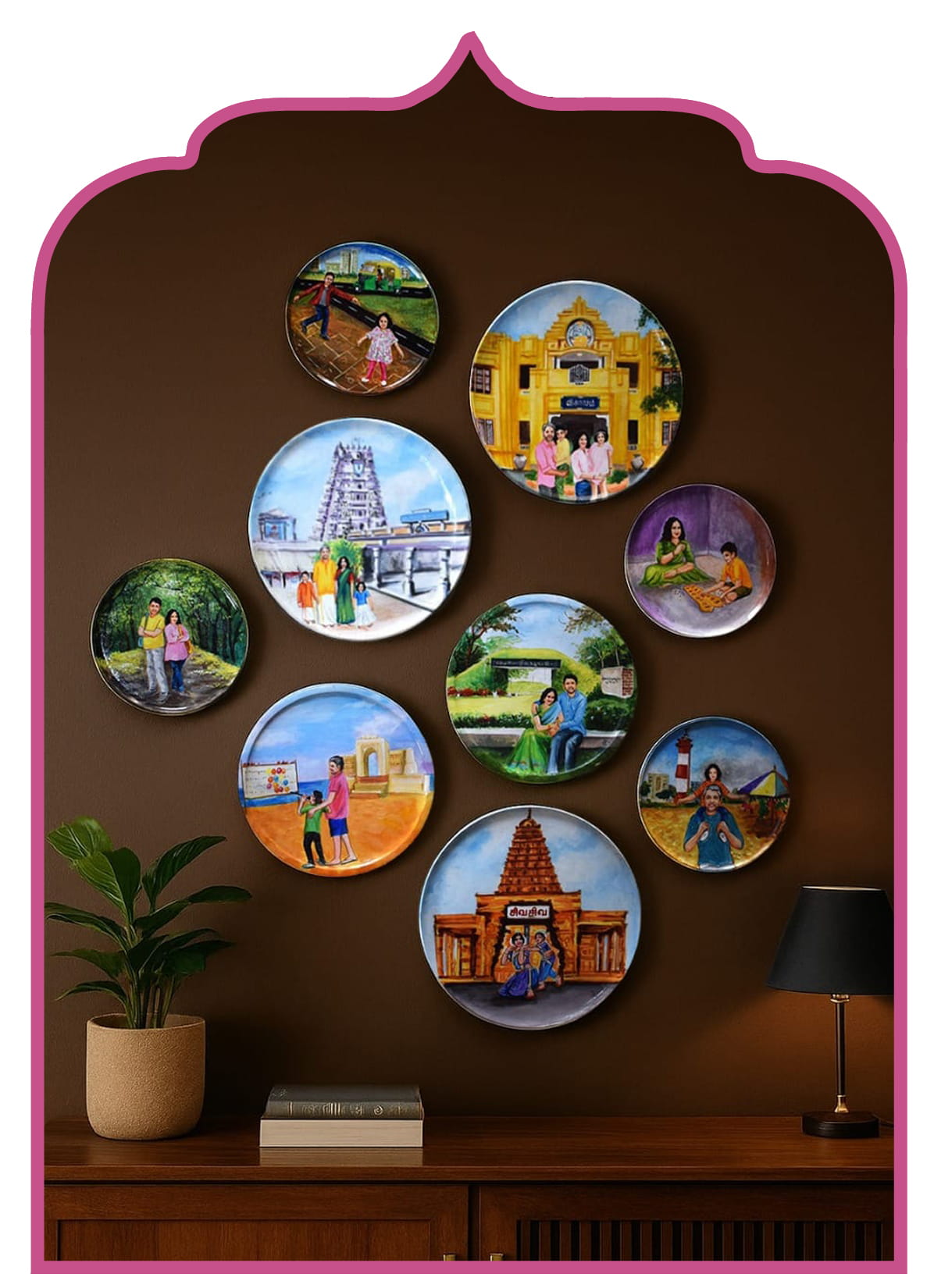
Elevate your walls with EthniiChic's hand-painted wall plates — where heritage artistry and contemporary style converge. Crafted in wood and painted by skilled artists, each piece features temple motifs, deities, natural elements, and mythic figures drawn from Indian folk and classical traditions. Unlike a single large frame, wall plates are built to be grouped — three, five, or more arranged together into a gallery wall that tells a wider story than any one piece could alone.

Kerala Mural — the Collection's Core Tradition

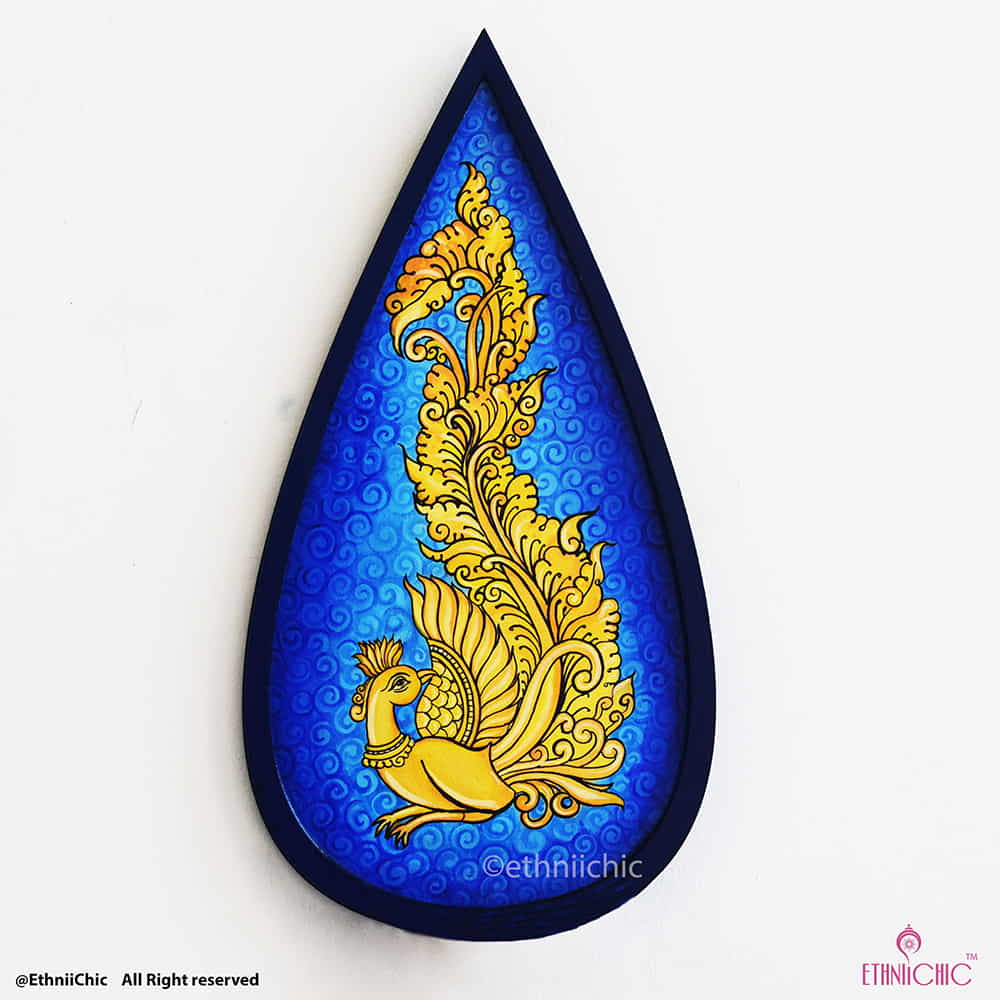
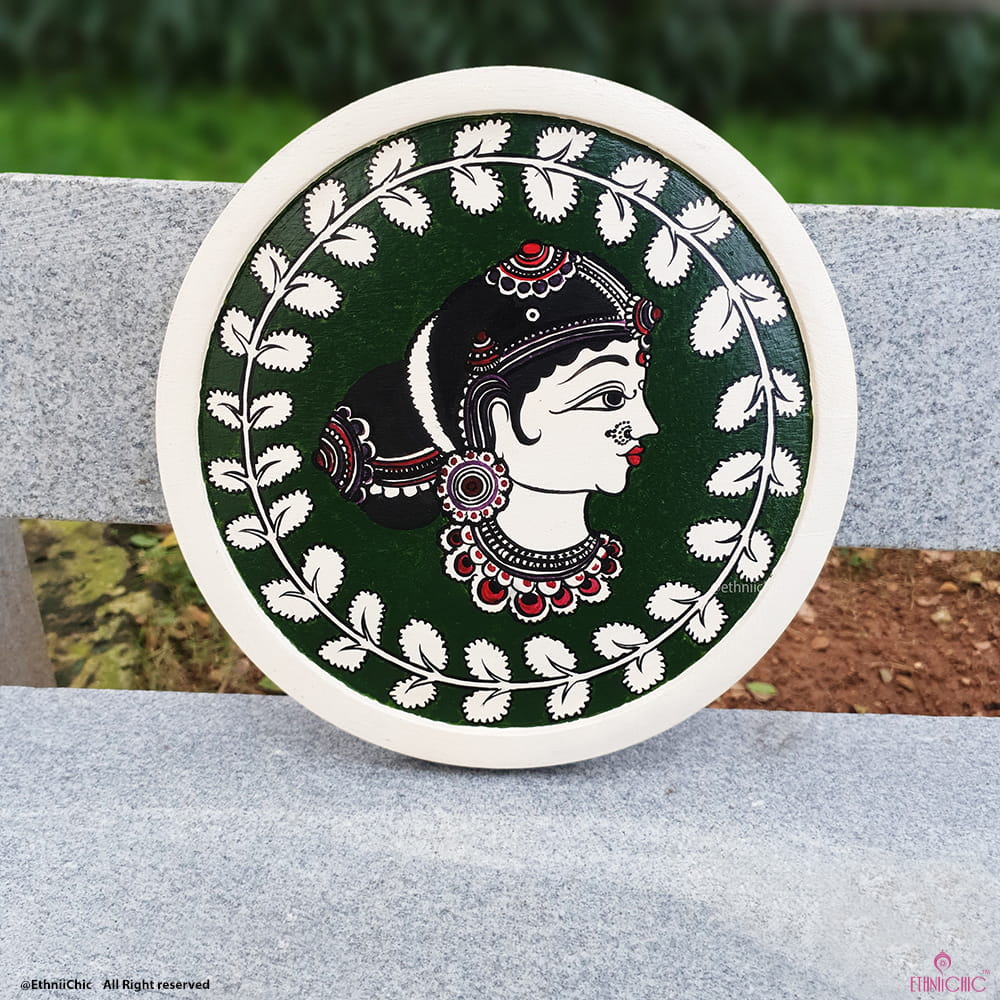
Kerala Mural painting is the dominant tradition on this page — Krishna Radha, Saraswathi, Bal Ganesha, Krishna with Flute, Peacock, and several Apsara plates all carry Kerala Mural's temple-fresco visual language, built on a traditional five-colour palette dating primarily from the 9th to 12th centuries CE. The Apsara Tribhanga and Apsara Abhanga plates reference exact classical dance and sculpture poses — Tribhanga's three-point body bend creates the graceful S-curve seen across Indian sculpture for roughly two thousand years, while Abhanga is a related, simpler two-point stance.
Shop Kerala Art →

Regional Devotion, Beyond Kerala

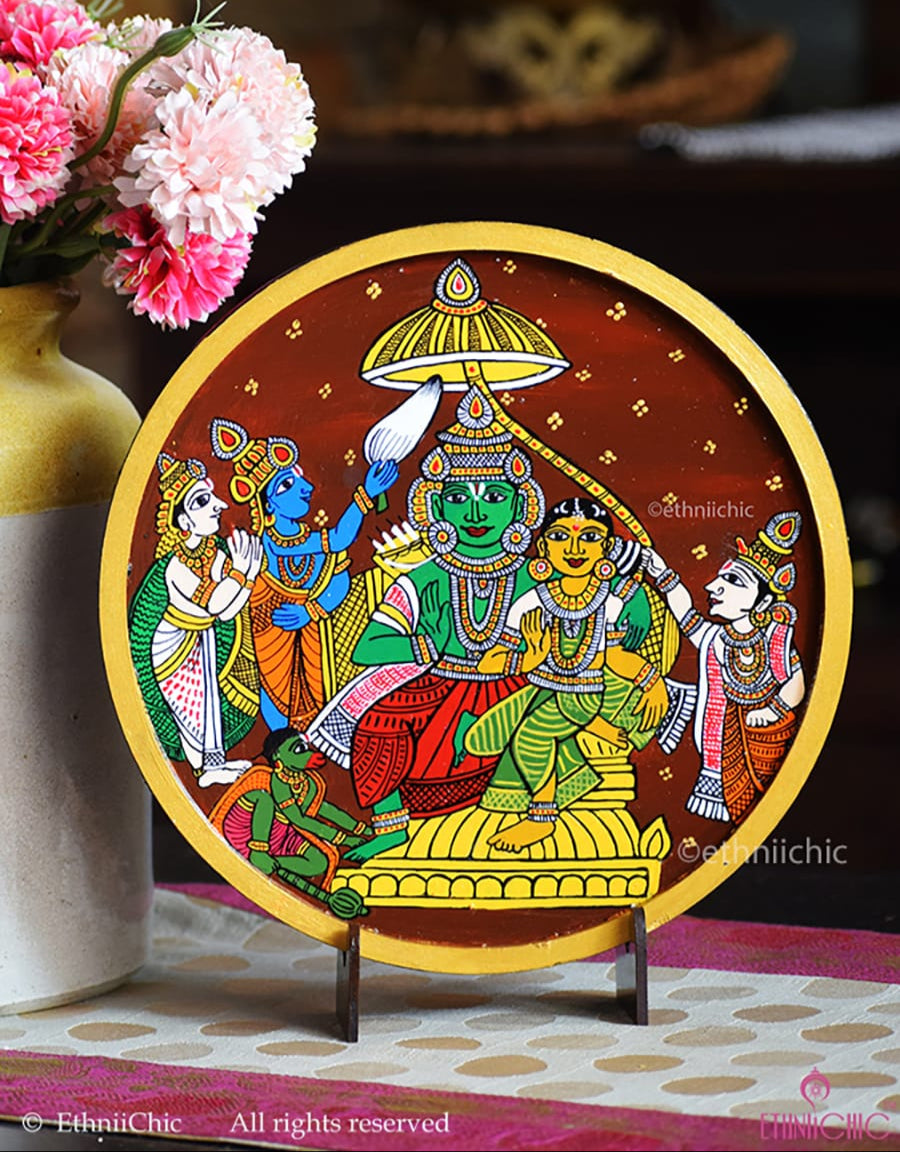
A few plates carry devotional traditions from entirely different regions: Vittal Rukmini references Vithoba and Rukmini, the central figures of Maharashtra's Warkari bhakti tradition, worshipped at the Pandharpur temple and honoured through one of India's best-known annual walking pilgrimages. Ram Darbar is rendered in Cheriyal's sculptural Telangana scroll-painting style rather than Kerala Mural's flat temple-fresco look, a genuinely different visual technique within the same "wall plate" format.
Shop Cheriyal Masks →

Karnataka's Own Symbol — Gandaberunda

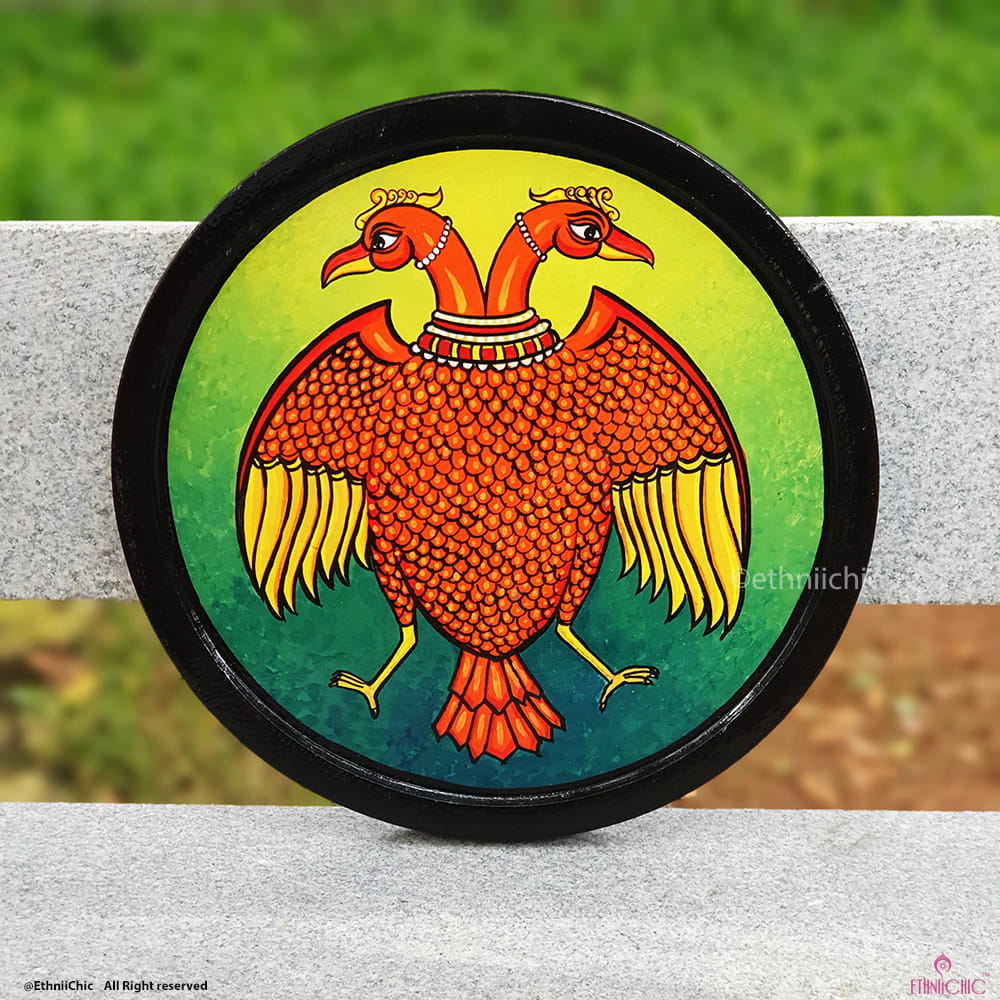
The Gandaberunda plate carries real, specific meaning worth knowing: it's a two-headed mythological bird, a form of Vishnu who defeated Sharabha (a form of Shiva) in an 18-day legendary battle, and today it's the official state emblem of Karnataka, inherited from the royal Wadiyar dynasty of Mysore. It's a striking, specific piece for anyone with a Karnataka connection, distinct from the pan-Indian deity plates elsewhere on this page.
Choosing Where to Start

If you're building a gallery wall from scratch, start with three or more Kerala Mural plates in a shared size for visual consistency, then add one regional or mythological plate — a Gandaberunda or Vittal Rukmini — as a focal point within the arrangement. If you want a single plate with real dance-history depth, the Apsara Tribhanga carries the most specific classical reference on this page.

Frequently Asked Questions (FAQs)

1. How many wall plates do I need for a gallery wall?
There's no fixed rule, but odd numbers (three, five, seven) tend to read as more deliberate than even numbers. Starting with three plates of a consistent size or tradition, then adding pieces over time, is a common approach.

2. What art forms are represented in this collection?
Mostly Kerala Mural, alongside Cheriyal, Kalamkari, Rajput miniature, and Phad painting — a wide range of traditions packed into a smaller, more uniform format than EthniiChic's larger wall frames.

3. What does "Tribhanga" mean on the Apsara Tribhanga plate?
Tribhanga is a specific classical Indian dance and sculpture pose — a body position bent at three points (knees, hips, and shoulders) that creates a graceful S-curve, prominent in Odissi dance and Indian sculpture for roughly two thousand years.

4. Who is Gandaberunda, and why is it on a wall plate?
Gandaberunda is a two-headed mythological bird, a form of Vishnu, and the official state emblem of Karnataka today, inherited from the royal Wadiyar dynasty of Mysore. It's a specific regional and mythological symbol, not a generic bird motif.

5. Who are Vittal and Rukmini?
Vithoba (Vittal) is a form of Krishna/Vishnu enshrined at the Pandharpur temple in Maharashtra, with Rukmini as his consort — central figures of Maharashtra's Warkari bhakti tradition.

6. Are these wall plates hand-painted or printed?
Hand-painted, individually, by EthniiChic's studio artists — no two plates are painted with identical brushwork, even within the same design.

7. What's the price range across this collection?
From ₹1,800 for a single Ganesha or Krishna plaque to ₹7,200 for the Kerala Mural Wall Plaque Set of 2.

8. Do you ship wall plates internationally for NRI buyers?
Yes, across the full collection. Write to contactus@ethniichic.com before ordering to confirm shipping rates and delivery timelines for your country.

9. Can I order a custom or bulk wall plate order?
Yes. Custom motifs, sizing, and bulk or corporate gifting orders — including matched sets for a gallery wall — can be arranged through Commission Artwork or Contact Us.