1. What makes EthniiChic different from other Indian handicraft websites?
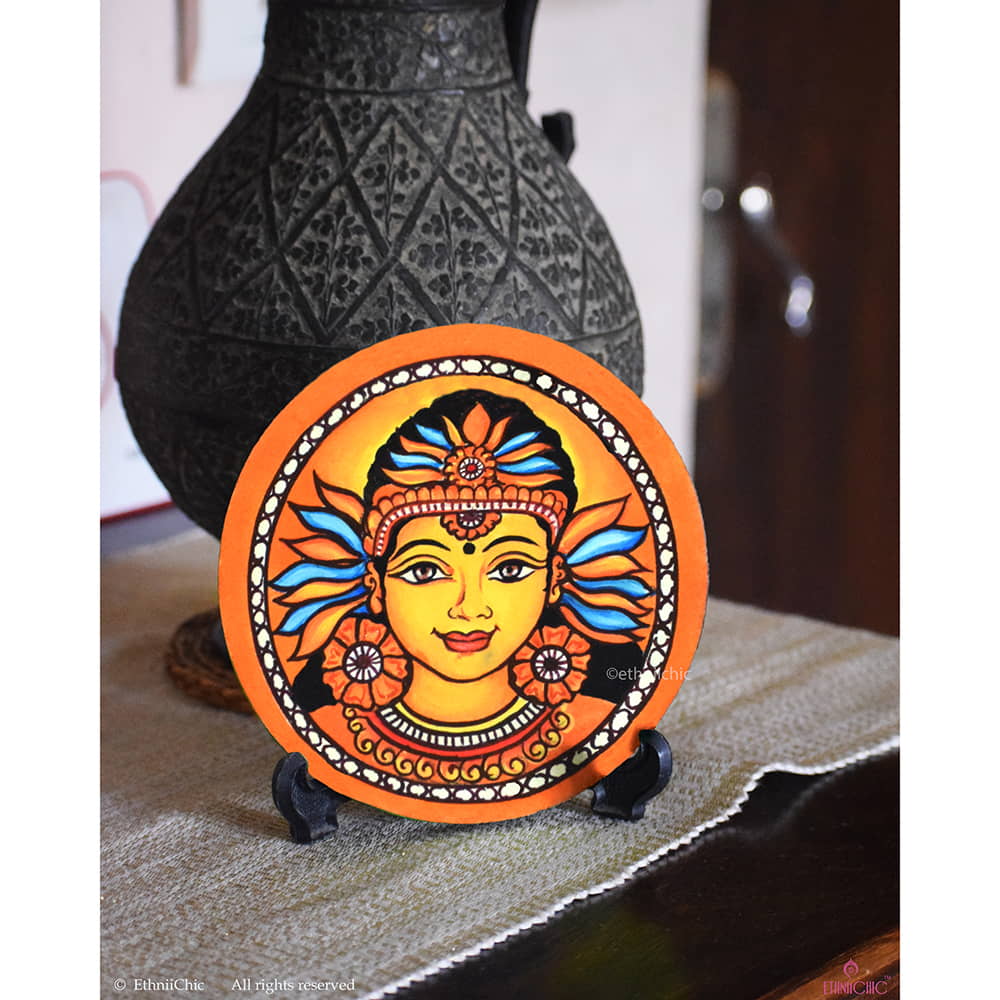
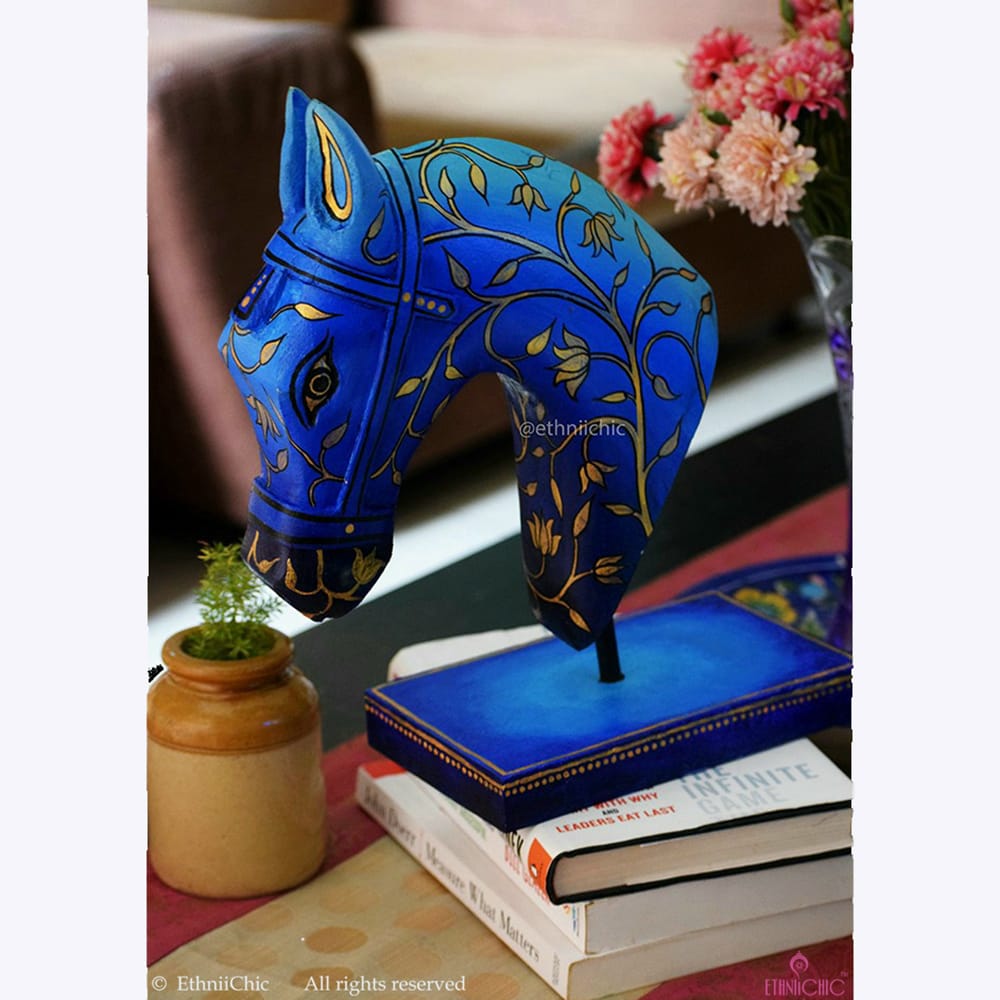
EthniiChic is an artist-led studio, not a marketplace or aggregator. Every piece is hand-painted or hand-carved by EthniiChic's own studio artists in specific, named regional traditions, rather than sourced from multiple unrelated vendors and relisted.
2. What is Keerthimukha, and why does it appear on a wall frame?
Keerthimukha, or Kirtimukha ("Face of Glory"), is a guardian face from Hindu mythology traditionally placed above temple doorways to ward off harmful influences, rooted in a legend involving Shiva and the demon Jalandhara. EthniiChic's Keerthimukha Wall Frame is a hand-carved, hand-painted interpretation of that same temple-guardian iconography.
3. What are Gandharvas, and why are they carved as wall corbels?
Gandharvas are celestial musicians from Hindu mythology, associated with Indra's heavenly court and a sacred musical tradition called Gandharva Veda. Carved Gandharva figures are a genuine feature of South Indian temple architecture, particularly in Karnataka and Tamil Nadu, which is what EthniiChic's Gandharva Wall Corbels reference.
4. What is Theyyam, and why is it so heavily represented in this collection?
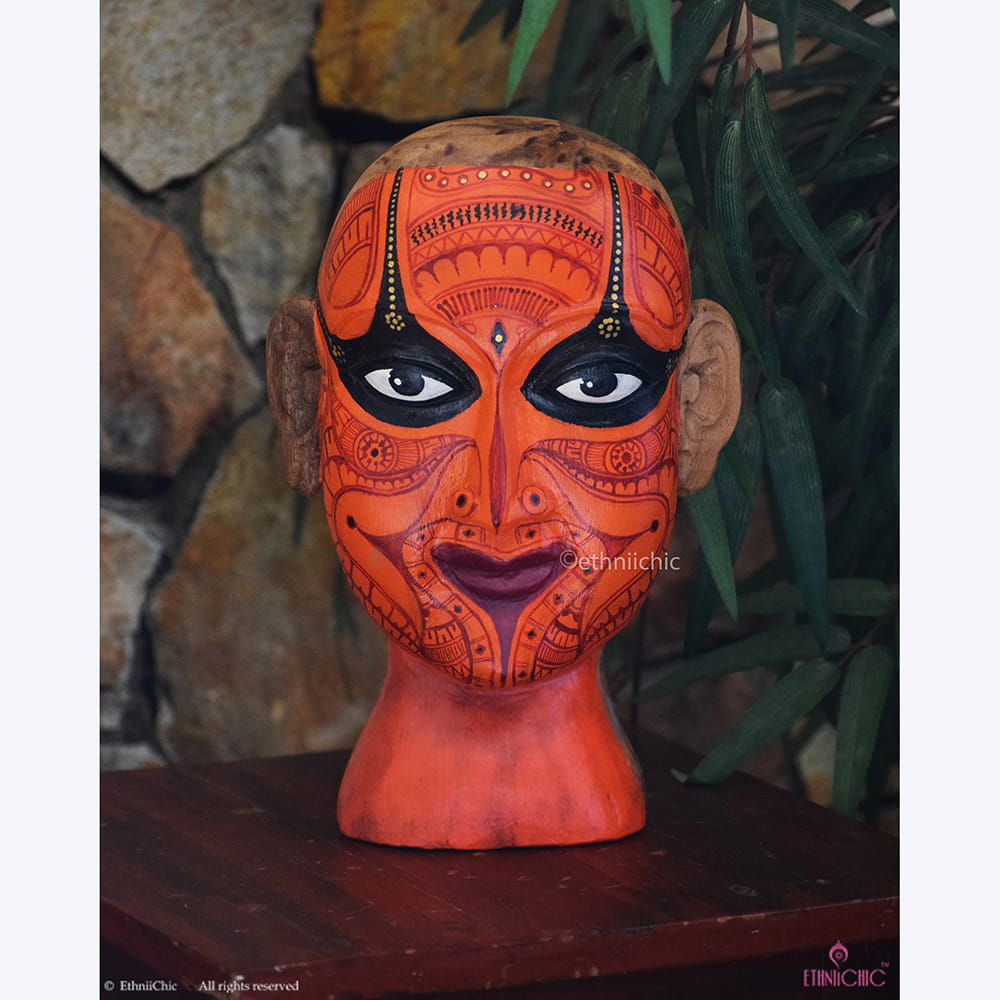
A ritual worship performance tradition from North Malabar, Kerala, in which a performer is understood to temporarily embody a deity after extended ritual preparation. It's the dominant tradition across this collection's heads, plaques, and sculptures because it produces some of EthniiChic's most visually striking, collectible pieces.
5. Are the Aranmula-named mirror frames made using the traditional metal-casting technique?
No. Genuine Aranmula Kannadi is a metal mirror cast from a copper-tin alloy by a small number of artisan families in Kerala, GI-protected since 2013. EthniiChic's Aranmula-named mirror frames are hand-painted wood pieces that reference that mirror's form and heritage rather than the metal alloy-casting process.
6. Who are Narasimha and Balaji, and how are they connected?
Both are forms of Vishnu. Narasimha is Vishnu's half-man, half-lion avatar, who protected his devotee Prahlada from a tyrant king. Balaji, also called Venkateswara, is a specific and widely worshipped form of Vishnu enshrined at the Venkateswara Temple in Tirumala.
7. What's the price range across this collection?
From ₹1,550 for a Kerala Mural decorative tray to ₹18,500 for the hand-painted Balaji Head sculpture — this collection skews toward larger, more considered statement pieces rather than small accessories.
8. Do you ship Indian handicrafts internationally for NRI buyers?
Yes, across the full collection. Write to contactus@ethniichic.com before ordering to confirm shipping rates and delivery timelines for your country — larger sculptural pieces may need a separate freight quote.
9. Can I order a custom or bulk handicraft piece?
Yes. Custom motifs, sizes, and subjects, along with bulk or corporate gifting orders, can be arranged through Commission Artwork or Contact Us.